


of

Solar time: here’s why it’s good for our brains

178998432

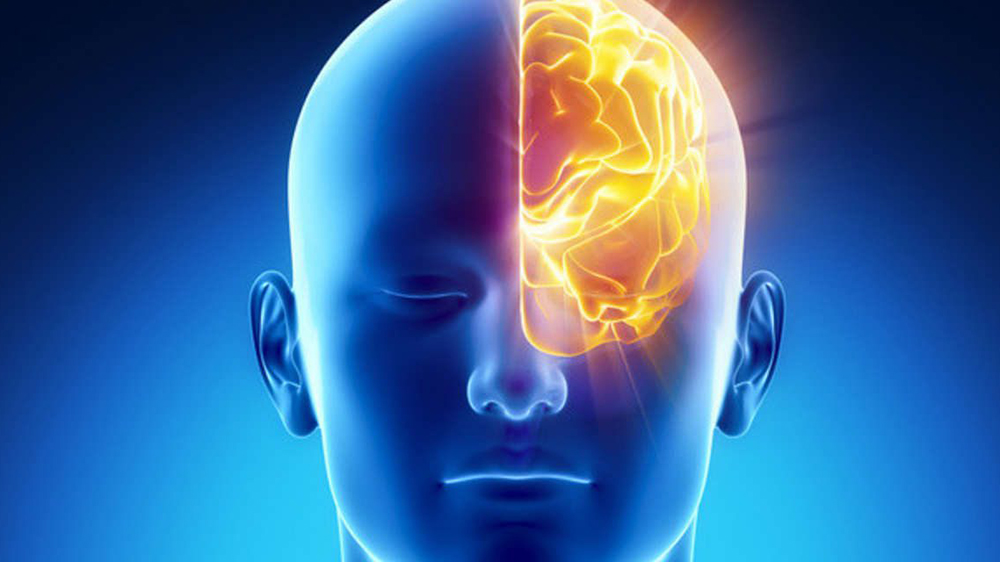
For many people, the solar time brings with it many negative aspects, related to the fact that the days become shorter and the darkness of night overtakes more quickly, giving us the impression that we do not have enough time to carry out our regular daily chores. Actually, this is not quite the case; in fact, in some respects it is quite the opposite. In fact, giving up an hour of evening glow in exchange for an hour of full morning light has so many beneficial effects on our bodies, starting right from our brains.

And it is precisely these positive aspects that need to be focused on, especially for those individuals who are negatively affected by the transition from the summer months (associated with heat, vacations, and relaxation) to the winter months (when we return to the routine of school and work and temperatures drop precipitously). As an article in The Conversation magazine reports, an extra hour of sunshine in the morning brings great benefit to our brains, our moods and makes for a much more productive day. Let’s see why!

Nature and autonomous clock

All life on our planet is marked by the alternation of day and night during the 24-hour period. These two “moments” of the day mark our rhythms and influence our biological functions beyond what can be perceived by sight. For this reason, in fact, we become sleepy as evening approaches, and it is more difficult to wake up if we are in an environment that is still dark. In fact, the intensity of light is perceived by special cells in the retina that are directly connected with the suprachiasmatic nucleus, a group of neurons that is responsible for regulating the circadian rhythms ( the changes in biological activities ) of our body. And this is where what we most commonly call the “biological clock” is located.

Get off to a flying start thanks to the sun

This whole mechanism allows our brain to regulate the amount of hormones to be produced based on the amount of light around us. About 30 minutes after morning awakening, there is a major release of cortisol (called cortisol awakening response, CAR). This hormone is critical for starting the day with the right drive and energy needed. Higher amounts of cortisol in fact have been associated with higher learning capacity and better brain plasticity, as well as a more pronounced ability to make decisions and plan. The release of this hormone occurs more strongly when we wake up in an environment filled with natural light, and its beneficial effects on the body are greater.

For this reason, being able to have an extra hour of sunlight in the morning only gives us a greater charge to start our daily routine in the best and most hassle-free way possible.

FEATURED SPECIALISTS

  • Profile picture of Dott.ssa Francesca Vittorelli
    active 5 years, 10 months ago

    Therapist, Acupuncturists, Basic Doctors

    • Corso Andrea Palladio 134 - Vicenza
    phone
  • Profile picture of Dott.ssa Monica Calcagni
    active 5 years, 10 months ago

    Gynecologists, Aesthetic Doctors, Basic Doctors

    • Via Casilina 32 - Arce
    phone
  • Profile picture of Dr. Virgilio De Bono
    active 5 years, 10 months ago

    Aesthetic Doctors, Basic Doctors, Dermatologists

    • Via Ripense 4 - Roma
    phone
  • Profile picture of Dott. Massimo Carotenuto
    active 5 years, 10 months ago

    General Surgeons, Basic Doctors

    • Via Lepanto 95 - Pompei
    phone
  • Profile picture of Dr. Lucia Catalano
    active 5 years, 10 months ago

    Gynecologists, Senologists, Basic Doctors

    • Via Belluno 1 - Roma
    phone

RELATED ARTICLES

Working professions in mitral valve disease

It is well known that risk factors for heart disease include habits such as excessive alcohol use, such as smoking, a high-protein and high-fat diet, and also genetic factors, while less consideration is often given to factors of occupational origin.

Family dysautonomy

Involuntary nervous system dysfunction, or familial dysautonomia, is a genetic disorder that goes to groups of nerve cells, which are not properly developed and do not survive.

Anxiety

Anxiety has a thousand faces, and the ways in which it manifests itself can change over time, with varying pervasiveness and severity.

Alzheimer’s disease: beware of those drugs

Despite intense research, the causes of Alzheimer ‘s disease continue to be essentially unknown. It has long been believed that mainly two protein factors, ß-amyloid plaques and Tau protein, are

Thyroid slowed down?

The thyroid is a small gland that is responsible for regulating metabolism, that is, the rate at which food intake is converted into energy. If thyroid activity slows down too

RELATED PATHOLOGIES

Abdominal hernia

An abdominal hernia occurs when a viscera or part of a viscera leaks out of the abdominal cavity where it is contained, due to the weakening of one of the

Tuberculosis

Tuberculosis is a chronic-onset infectious disease that primarily, but not only, affects the respiratory system. Dreaded until the 1940s in Western countries, tuberculosis was almost forgotten in the following decades,

Cellulite

Cellulite is an inflammatory-based alteration of the fat-rich subcutaneous tissue(panniculus adiposus), triggered by fluid stagnation due to poor venous and lymphatic circulation (lymph is a fluid that flows in channels

Atherosclerosis

Atherosclerosis is a pathological process that leads to the progressive formation of localized deposits composed mainly of fat and cholesterol and platelets (atheromas or atherosclerotic plaques) within the walls of

Xerostomia

Xerostomia, also known as “dry Imouth” or “dry mouth,” refers to a condition in which the salivary glands do not produce enough saliva to keep the mouth wet.   Saliva

Tendinitis

Tendons are the fibrous structures that connect the ends of muscles to bones allowing the contractile apparatus to perform its functions. Tendonitis is defined as inflammation of a tendon. It

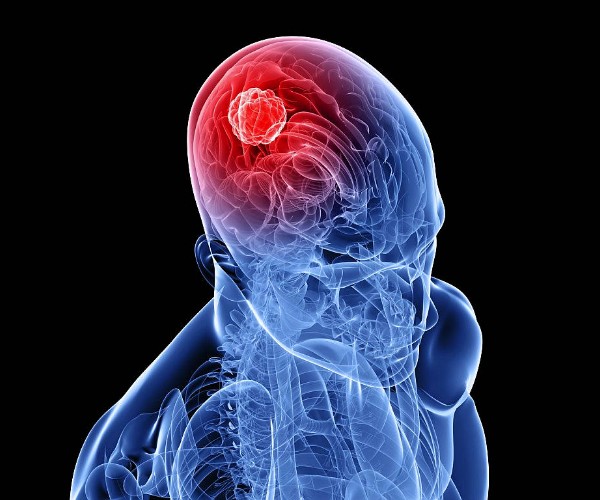
Brain tumors

Brain tumors are rare cancers that can be primary, that is, originate in the brain, or form as secondary metastases of neoplasms in other organs, such as lung or breast

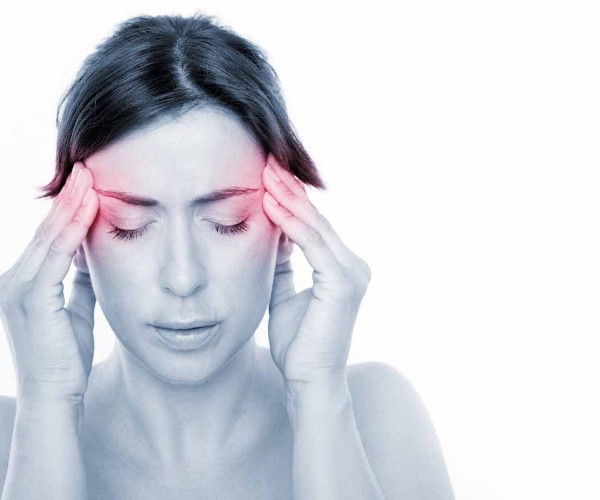
Migraine

Migraine is a primary headache that is manifested by recurrent attacks of moderate to severe headaches, varying in duration from 4 to 72 hours, interspersed with symptom-free periods. Sometimes migraine

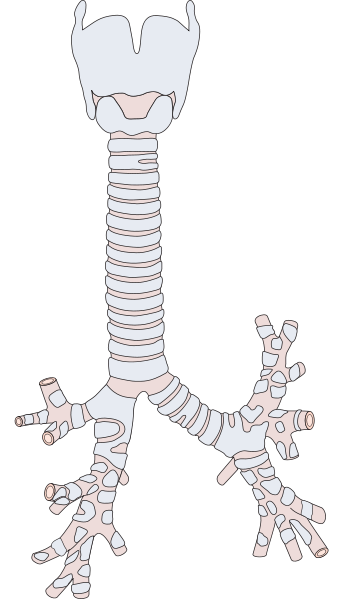
Tracheitis

The trachea is an organ of the respiratory system, part of the lower airway and located between the larynx and bronchi. It is a tubular hollow viscera whose primary function

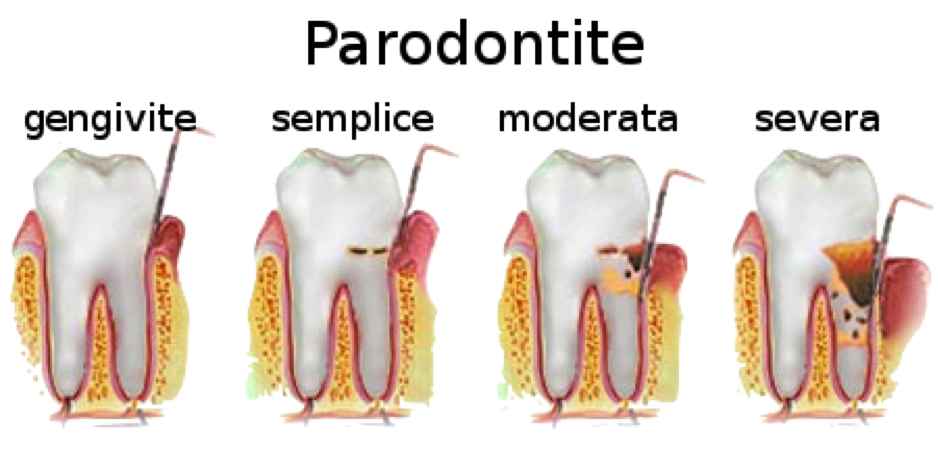
Periodontal disease

Periodontitis, also called periodontal disease, begins with bacterial growth in the mouth and can end-if not properly treated-with tooth lossdue to destruction of the tissue surrounding the teeth. Gingivitis (inflammation

FEATURED SPECIALISTS

  • Profile picture of Dott. Gianlorenzo Casani
    active 5 years, 10 months ago

    Geriatrics, Certifying Doctor, Basic Doctors

    • Via Costantino Baroni 71/73 - Milano
    phone
  • Profile picture of Dott. Cristiano Crisafulli
    active 5 years, 10 months ago

    Diabetologist, Basic Doctors, Internist

    • Via Vittorio Emanuele II 181 - Acireale
    phone
  • Profile picture of Dr. Lorenzo Cerreoni
    active 5 years, 10 months ago

    Aesthetic Doctors, Basic Doctors

    • Via Macero Sauli 52 - Forlì
    phone
  • Profile picture of Dott. Massimo Carotenuto
    active 5 years, 10 months ago

    General Surgeons, Basic Doctors

    • Via Lepanto 95 - Pompei
    phone
  • Profile picture of Dott.ssa Ilaria Berto
    active 5 years, 10 months ago

    Basic Doctors, Acupuncturists, Aesthetic Doctors

    • Via Antonio Corradini 1 - Este
    phone

prenota il tuo viedeoconsulto in convenzione

Completa il form e sarai contatto dal personale medico specializzato

your advertising
exclusively ON
MY SPECIAL DOCTOR

complete the form and you will be contacted by one of our managers