


of

Diabetes: eating less could help reduce neuropathy

cibo

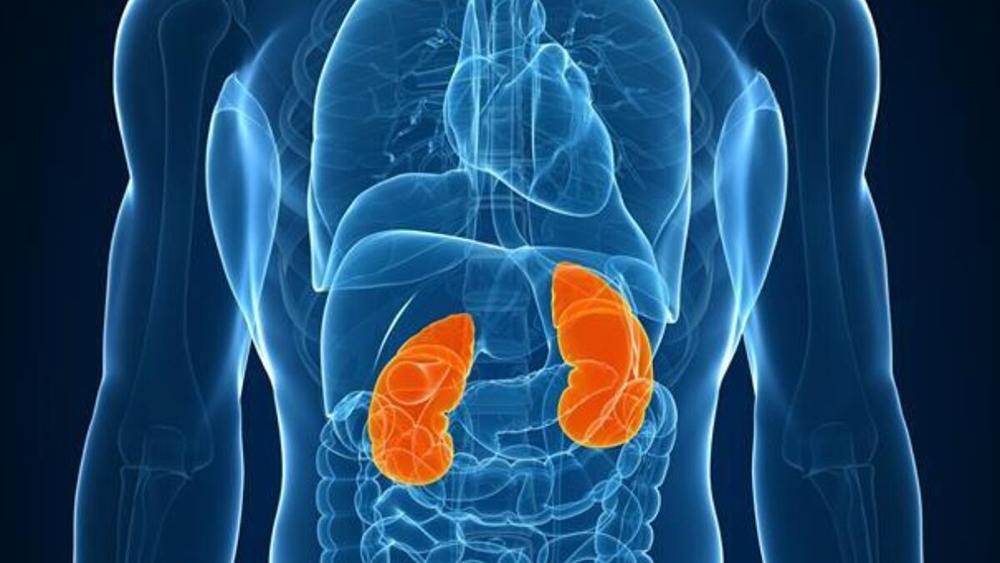
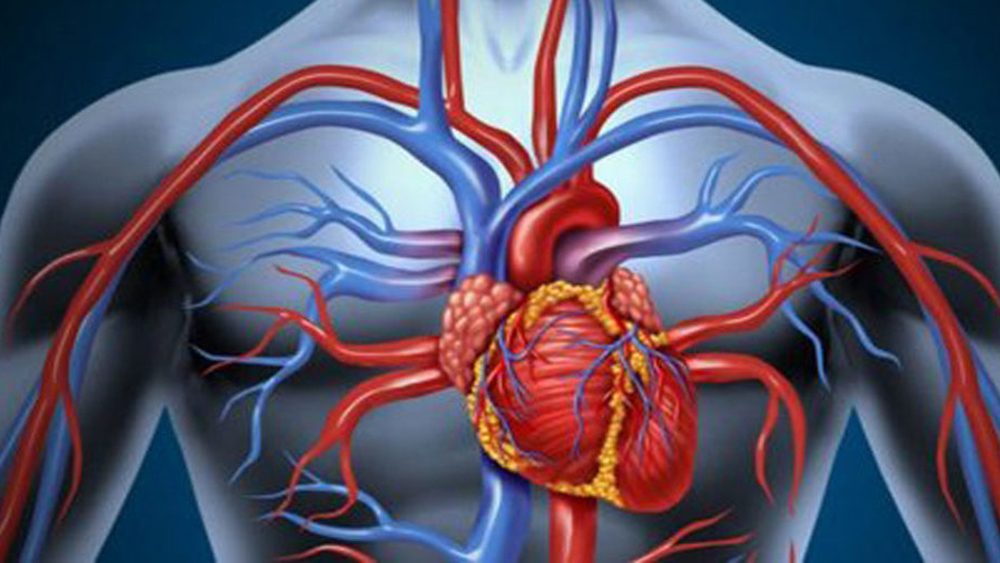
Follow a healthy, balanced diet, moving every day and taking prescribed therapies regularly is the key to keeping diabetes under control and preventing complications associated with advanced stages of the disease, especially affecting the cardiovascular system (atherosclerosis and acute events, such as heart attack and stroke), kidneys (diabetic nephropathy), eyes (diabetic macular degeneration) and peripheral nerves (diabetic neuropathy).

A recent Italian study, conducted in collaboration between a research team from the Institute of Cell Biology and Neurobiology of the National Research Council (IBCN-CNR), the IRCCS Fondazione Santa Lucia in Rome, the University of Chieti and the University of Milan, now reports that eating less could also have more specific positive implications on the last mentioned issue.

What is diabetic neuropathy

Diabetic neuropathy is one of the most dreaded complications of diabetes, both type 1 and type 2, responsible for the onset of tingling, loss or alteration of sensation, and intense pain that is difficult to control with common analgesics, mainly in the hands, feet, arms, and legs.

Neuropathy is, moreover, a co-factor in the origin of“diabetic foot” (still the leading nontraumatic cause of amputation), since the reduced skin sensitivity it brings about prevents detection of small, accidental wounds that can quickly become infected and induce extensive necrosis, which is difficult to manage and regress.

The origin of neuropathy is complex and not yet fully elucidated, but it is well established that inadequate blood glucose control for prolonged periods (evidenced by glycated hemoglobin, HbA1c, values in the blood above 6.0-6.5%) and increased general inflammatory state of the body are key pathogenic elements of sensitization and degeneration of peripheral nerve endings.

Why the low-calorie diet helps

Numerous studies have shown that cutting dietary calorie intake not only helps reduce body weight, prevent type 2 diabetes and help control blood sugar, but also increases metabolic efficiency and decreases the degree of systemic inflammation. Building on these considerations, IBCN-CNR researchers tested the effects of a restrictive diet, maintained for short periods of time, on the state and repair process of peripheral nerves in mice.

“In our experiments, we found that after peripheral sciatic nerve damage, a dietary regimen with reduced daily caloric intake acts as a powerful metabolic stimulus and activator of a fundamental cell survival and turnover mechanism known as autophagy (the cell incorporates damaged parts of itself).”, explained Sara Marinelli of IBCN-CNR, coordinator of the project.

The researchers also showed the same recovery from neuropathic pain in animals showing low cell renewal capacity. “These animals with reduced autophagy capacity have underlying diabetic-like metabolic alterations that aggravate the neuropathy condition,” pointed out Roberto Coccurello of IBCN-CNR. “Well, even with these complications, restricting calorie intake can counteract the course and intensity of neuropathic pain by restoring a metabolic balance, reducing inflammatory processes, and facilitating nerve regeneration through stimulation of autophagy. All this, in the absence of manifest side effects, as is the case with continued use of the pharmacological approach alone.”.

Although obtained in animal models and yet to be verified in humans, the new evidence paves the way for innovative therapeutic strategies that have been awaited for years. In addition, through this study the researchers were able to identify some early biological markers of neurological damage that could be very useful in clinical practice to assess the prognosis of neuropathy in the individual patient and, therefore, to plan more effective personalized treatments.

Source:

Coccurello R et al. Effects of caloric restriction on neuropathic pain, peripheral nerve degeneration and inflammation in normometabolic and autophagy-deficient prediabetic Ambra1 mice. PlosOne 2018;13(12):e0208596. doi:10.1371/journal.pone.0208596

FEATURED SPECIALISTS

  • Profile picture of Dr. Lucia Catalano
    active 5 years, 6 months ago

    Gynecologists, Senologists, Basic Doctors

    • Via Belluno 1 - Roma
    phone
  • Profile picture of Dott.ssa Erminia Maria Ferrari
    active 5 years, 6 months ago

    Homeopathic Medicine, Basic Doctors, Pediatricians

    • Via San Carlo 3 - Castel Rozzone
    phone
  • Profile picture of Dott. Gianlorenzo Casani
    active 5 years, 6 months ago

    Geriatrics, Certifying Doctor, Basic Doctors

    • Via Costantino Baroni 71/73 - Milano
    phone
  • Profile picture of Dott.ssa Cinzia Maria Zurra
    active 5 years, 6 months ago

    Basic Doctors, Aesthetic Doctors, Nutritionists

    • Viale Rimembranze 5 - Triuggio
    phone
  • Profile picture of Dr. Giandomenico Mascheroni
    active 5 years, 6 months ago

    Endocrinologists, Basic Doctors, Certifying Doctor

    • Via Petrarca 53 - Carnago
    phone

RELATED ARTICLES

Gas Colic: annoyance, disorder, or disease?

If the gas in the digestive system remains compressed and Its pathway is obstructed that is when the pain appears, which may present itself as mild and short-lived or as persistent, strong, and increasing, at least until the gas is expelled.

What is uncontrolled eating disorder?

Uncontrolled Eating Disorder (English translation of the term Binge Eating Disorder; BED) is characterized by the presence of bulimic bouts in the absence of inappropriate compensatory behaviors. Uncontrolled Eating Disorder

Can anemia cause fatigue?

An insufficiency of iron in the blood can result an anemia, responsible ius considerable fatigue. In women, anemia is a recurrent occurrence because of the menstrual cycle. When there is anemia the

The hydro-electrolyte balance

Body water is distributed in two different compartments: intracellular and extracellular, which in turn is divided into intra and extravascular or interstitial. Electrolytes are distributed differently in the two compartments:

RELATED PATHOLOGIES

Hyperprolactinemia

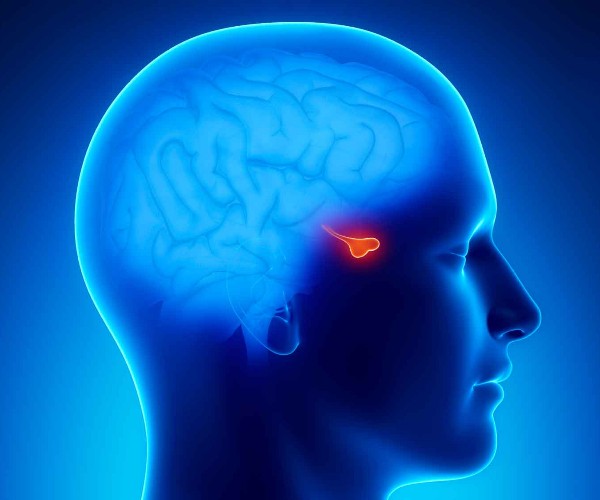
Hyperprolactinemia corresponds to a condition determined by the excessive production of the hormone prolactin by the pituitary gland (a small neuroendocrine gland found in the center of the brain that

Dyspareunia

Dyspareunia is defined as persistent genital pain that occurs in women shortly before or during intercourse and sometimes still present after intercourse has ended. Painful intercourse can occur for reasons

Goiter thyroid volume

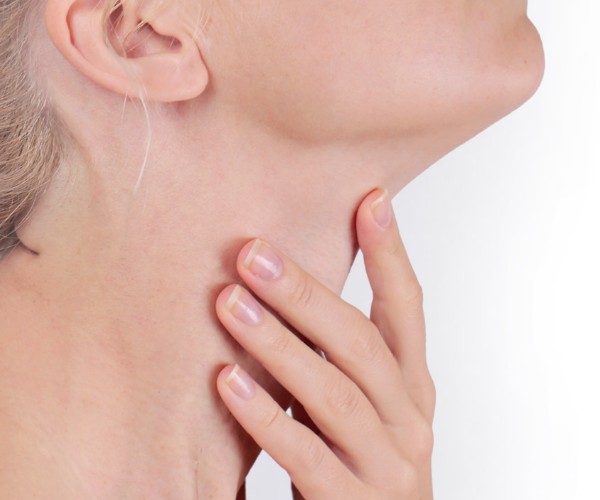
Goiter corresponds to the more or less bulky, protruding swelling that appears in the central anterior part of the neck mainly in people who are iodine-deficient for prolonged periods, due

Hypothyroidism

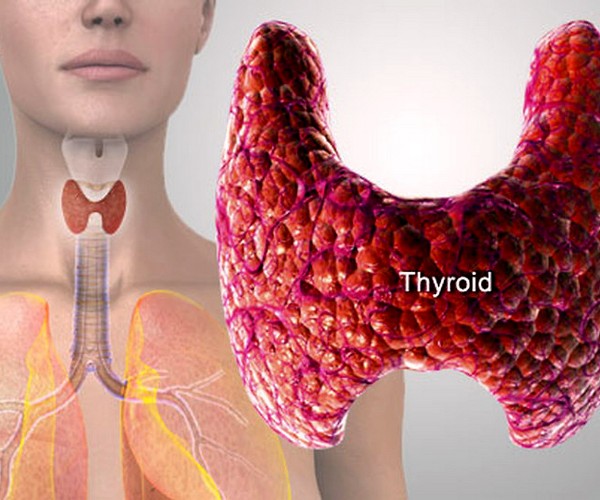
Hypothyroidism is a condition brought about by the insufficient production of thyroid hormones, tetraiodothyronine or thyroxine (T4) and tridothyronine (T3), by the thyroid gland, resulting in reduced overall metabolic efficiency

Overweight and obesity

Far from being a mere cosmetic problem, overweight and obesity are an established risk factor for the development of number of metabolic (foremost among them diabetes), acute cardiovascular (such as

Cushing’s disease

“Disease” or “Cushing’s syndrome,” sometimes referred to as “hypercortisolism,” is a condition characterized by a variable set of characteristic symptoms induced by the body’s exposure to excessive levels of glucocorticoids

Diabetes and hypoglycemic syndromes

Diabetes or, more precisely, “diabetes mellitus” is a complex metabolic disease in which there is an increase in blood glucose levels (hyperglycemia) resulting from insufficient insulin production by the Langerhans

Tumors of the adrenal glands

The adrenal glands (or adrenals) are two small triangular structures “resting” on the kidneys and responsible for the production of several hormones critical for metabolic and hydroelectrolyte balance and stress

Basedow’s disease

Basedow’s disease, also known as Basedow-Graves disease, is an autoimmune disease that affects the thyroid gland and results in the typical symptoms of hyperthyroidism, ophthalmopathy/exophthalmos, and dermopathy. Basedow’s disease can

Diabetic foot

Diabetic foot is a complex condition that develops as a complication of advanced uncontrolled diabetes and is the leading cause of nontraumatic amputation in the Western adult population. Very prevalent

FEATURED SPECIALISTS

  • Profile picture of Dott.ssa Federica Filigheddu
    active 5 years, 6 months ago

    Basic Doctors

    phone
  • Profile picture of Dott.ssa Francesca Vittorelli
    active 5 years, 6 months ago

    Therapist, Acupuncturists, Basic Doctors

    • Corso Andrea Palladio 134 - Vicenza
    phone
  • Profile picture of Dott. Cristiano Crisafulli
    active 5 years, 6 months ago

    Diabetologist, Basic Doctors, Internist

    • Via Vittorio Emanuele II 181 - Acireale
    phone
  • Profile picture of Dott.ssa Monica Calcagni
    active 5 years, 6 months ago

    Gynecologists, Aesthetic Doctors, Basic Doctors

    • Via Casilina 32 - Arce
    phone
  • Profile picture of Dott.ssa Izabella Sylwia Bartosiewicz
    active 5 years, 6 months ago

    Basic Doctors, Rheumatologists

    phone

prenota il tuo viedeoconsulto in convenzione

Completa il form e sarai contatto dal personale medico specializzato

your advertising
exclusively ON
MY SPECIAL DOCTOR

complete the form and you will be contacted by one of our managers