



of

Red wine improves gut microbiota, but moderation is the key word

vino-rosso
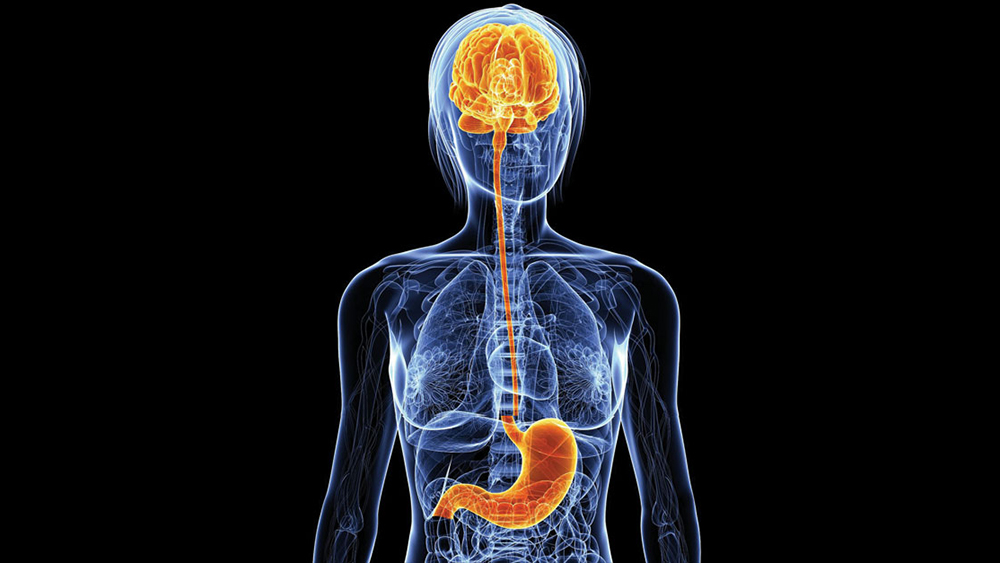
To the health benefits of red wine, already suggested by several scholars, is now joined by another, documented by researchers at Kings College London, that people who drink red wine in moderation tend to have a greater diversity of gut microbiota, a key sign of gut health, than those who do not.
The study involved about three thousand drinkers in the United States, the United Kingdom, and the Netherlands and explored the effects of beer, cider, red wines, and white wines on the gut microbiota-that complex set of microorganisms that coexist with the human organism, with profound and not yet fully understood effects on the body. In recent years, numerous studies have linked the gut microbiota to physical and mental health, metabolism, or the efficacy of certain drugs.In general, it has been observed that its variability is an extremely positive element for health, although the composition varies greatly from one individual to another. Well, British researchers found that red wine drinkers have a higher number of bacterial species, and the result holds true regardless of age, weight, and social and economic conditions.
“We have long known about the unexplained benefits of red wine on heart health,” said Caroline Le Roy, coordinator of the team of researchers, “and our study adds a significant element, showing that moderate consumption of red wine is associated with greater diversity of microorganisms and a healthier gut microbiota, which may partly explain its long-debated beneficial effects on health.”
Playing an important role in the positive action of red wine could be polyphenols, in which grape skins are rich and which have anti-inflammatory and antioxidant properties. In red wine drinkers, the authors also noted lower levels of obesity and “bad” cholesterol.
Le Roy herself pointed out that since it is an alcoholic beverage, it is good that the consumption of red wine should be moderate, lest the negative effects of alcohol exceed the positive effects of the other components of red wine. “Drinking red wine infrequently, such as once every two weeks,” he said, “seems to be sufficient to produce observable beneficial effects.
Source:
Le Roy CI, Wells PM, et al. Red Wine Consumption Associated With Increased Gut Microbiota α-diversity in 3 Independent Cohorts. Gastroenterology. 2019 Aug 23.

FEATURED SPECIALISTS

  • Profile picture of Dott.ssa Emanuela Costantino
    active 5 years, 8 months ago

    Neurologists

    • Via Gallinara 2/B - Cagliari
    phone
  • Profile picture of Dott. Gianlorenzo Casani
    active 5 years, 8 months ago

    Geriatrics, Certifying Doctor, Basic Doctors

    • Via Costantino Baroni 71/73 - Milano
    phone
  • Profile picture of Dott. Sandro Morganti
    active 5 years, 8 months ago

    Orthopedists, Basic Doctors, Osteopaths

    • Via Foligno 6 - Roma
    phone
  • Profile picture of Dott.ssa Anna Puccio
    active 5 years, 8 months ago

    Gynecologists, Basic Doctors

    • Via Vincenzo Ponsati 69 - Volvera
    phone
  • Profile picture of Dott. Cristiano Crisafulli
    active 5 years, 8 months ago

    Diabetologist, Basic Doctors, Internist

    • Via Vittorio Emanuele II 181 - Acireale
    phone

RELATED ARTICLES

What to eat while breastfeeding

A woman breastfeeding her baby needs energy requirements corresponding to the milk produced. A weight loss of 0.5 kg per month in the six months following delivery is taken into

What is Body Mass Index?

Body weight is an expression of good energy intake. High or low weight may indicate dietary imbalances, but in addition to measuring weight, it is necessary to compare it with

The fruit of health: the Cranberry

NUTRITIONAL CHARACTERISTICS OF FRESH CRANBERRY Cranberries have a high water content as well as a high sugar content. Berries contain fiber, minerals, and vitamins A, B, and C. The non-digestible

What are the vitamins used for?

Vitamins constitute a very heterogeneous group of substances; they do not provide calories, but are indispensable for the functioning of the body. At the point when vitamins are not taken

RELATED PATHOLOGIES

Salmonellosis

Salmonella infection or salmonellosis is a bacterial infection that affects theintestines. This bacterium inhabits the intestinal tract of animals andhumans and escapes to the outside with theexpulsion of feces. It

Gastroenteritis

Gastroenteritis is a disease characterized by inflammation of the gastrointestinal tract involving both the stomach and small intestine. If the large intestine is also involved, it is called gastroenterocolitis.

Ulcerative colitis

Ulcerative colitis is an inflammatory bowel disease that causes long-term inflammation and ulcers in the digestive tract. Ulcerative colitis affects the innermost lining of the large intestine (colon) and rectum.

Anal fissures

Anal fissures are small tears in the mucosa lining the anus; they can occur upon passage of hard or large stools during a bowel movement, usually cause pain and bleeding

Colon cancer

Colorectal carcinoma is the malignancy that most frequently affects the colon, rectum, and appendix. It is the third most common form of cancer in the world. It is characterized by

Inguinal hernia

A hernia is the leakage of a viscera from the cavity that normally contains it, through an anatomical orifice or channel. In inguinal hernia, the pedicle exits the abdomen through

Intestinal polyposis

Polyps are abnormal growths of tissue protruding to a mucous tonaca; they are pathological growths that, in the intestines, form especially in the colon and rectum. For the most part,

Meteorism

Meteorism is a gastrointestinal disorder characterized by abdominal distension caused by excessive production or accumulation of gas in the stomach or intestines. Intestinal gas is usually not noticed until it

Heartburn

Heartburn is nothing more than the common “heartburn,” which sometimes may occur occasionally but in other cases tends to recur until it becomes chronic, with periods of remission alternating with

Crohn’s disease

Crohn’s disease is a chronic inflammatory bowel disease. It causes inflammation of the digestive tract and, in different people, may involve different areas of the digestive tract. The inflammation caused

FEATURED SPECIALISTS

  • Profile picture of Dr. Lucia Catalano
    active 5 years, 8 months ago

    Gynecologists, Senologists, Basic Doctors

    • Via Belluno 1 - Roma
    phone
  • Profile picture of Dr. Giuseppe Panico
    active 5 years, 8 months ago

    Dermatologists, Basic Doctors

    • Viale Prassilla 41 - Roma
    phone
  • Profile picture of Dott.ssa Cinzia Maria Zurra
    active 5 years, 8 months ago

    Basic Doctors, Aesthetic Doctors, Nutritionists

    • Viale Rimembranze 5 - Triuggio
    phone
  • Profile picture of Dott.ssa Carmela Tizziani
    active 5 years, 8 months ago

    Coroner, Certifying Doctor, Basic Doctors

    • Via Gaetano Bruno 25 - Napoli
    phone
  • Profile picture of Dott. Sandro Morganti
    active 5 years, 8 months ago

    Orthopedists, Basic Doctors, Osteopaths

    • Via Foligno 6 - Roma
    phone

prenota il tuo viedeoconsulto in convenzione

Completa il form e sarai contatto dal personale medico specializzato

your advertising
exclusively ON
MY SPECIAL DOCTOR

complete the form and you will be contacted by one of our managers