

of

The fruit of health: the Cranberry

Cranberry-health-benefit

NUTRITIONAL CHARACTERISTICS OF FRESH CRANBERRY

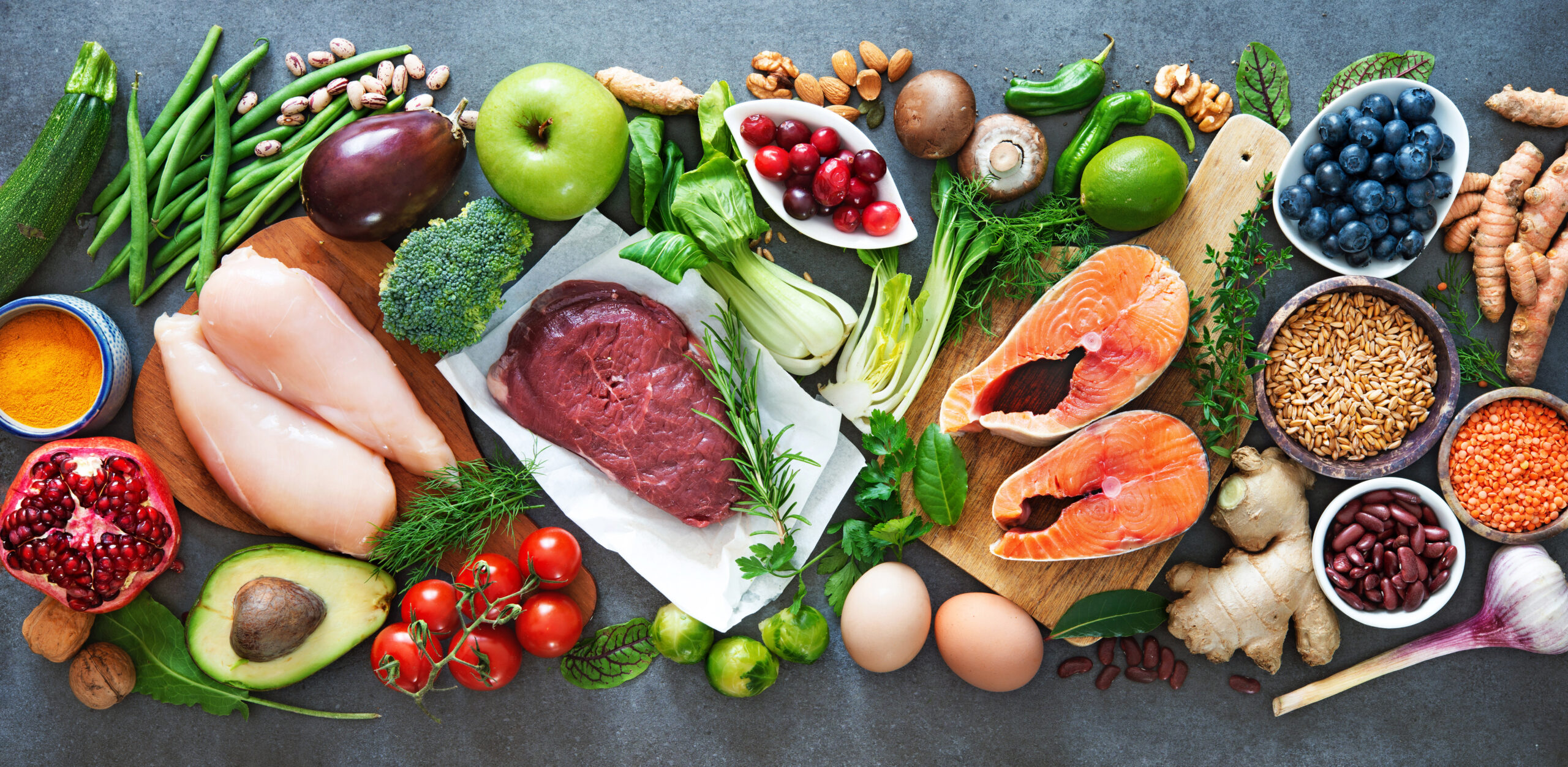
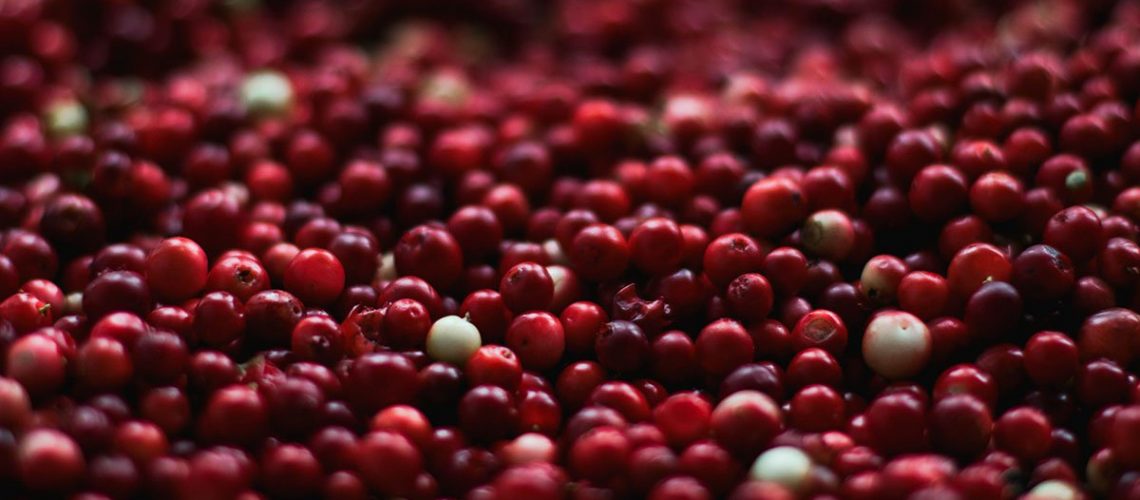
Cranberries have a high water content as well as a high sugar content. Berries contain fiber, minerals, and vitamins A, B, and C. The non-digestible fibrous compounds are able to regulate some metabolic functions. Due to their low sodium content and fair amount of potassium, cranberries have a fair diuretic effect. Within the American cranberry are several active ingredients: digestive tonic organic acids, myrtillin, flavonoids, proanthocyanidins and anthocyaninins, tannites, catechins, omega 3 and omega 6, phytosterols, tocopherols and tocotrienols. The organic acids that give the berries a sour taste represent a large blood spillover of alkaline bicarbonates, which counteract blood acidification. Another nutritional characteristic of cranberry is definitely the antioxidant capacity due to the presence of pigments, which accumulate in the outer layers of the berries. A number of dietary supplements, sold in supermarkets, pharmacies and herbalist shops, are also made from cranberries.

THE JUICE OF MULTIPLE VIRTUES

Almost all cranberry drinks contain about 25 percent pure juice. Undiluted natural juice has a pH of at least 2.5, and without the addition of sugar the taste tends to be unpleasant to the palate. Cranberry juice blended with agave extract has an excellent reputation as a nutraceutical because of its nutritional components. A dose of 70 ml of juice is recommended to enjoy the beneficial effects of cranberry. Regular intake turns out to be an easy and tasty aid to counteract arterial degeneration and osteoporosis.

HEALTH PROPERTIES OF CRANBERRY EXTRACT

Indians used the cranberry both as a food and as a medicine. Sailors, on the other hand, consumed blueberries to fight scurvy. There are so many recognized healing properties of cranberry that it has interested so many medical and scientific studies. Blueberry berries protect and strengthen vessel walls due to the presence of anthocyanosides. In addition, these small fruits are rich in an antioxidant first discovered in grapes that plays an important role in reducing “bad” cholesterol. The tannites in cranberry act on bacteria. This mechanism helps prevent infection. It is bound to the proanthocyanidin subfraction that contains oligomers in which epicatechin units are bound together.

THE ANTIOXIDANT CAPACITY OF ANTHOCYANINS

Anthocyani or anthocyanins are water-soluble plant pigments of the flavonoid family, found in plants in the form of glycosides. The production and quantity of flavonoid pigments, which are easily recognized in flowers, fruits, shrubs and leaves, depend on the type of plant and outdoor conditions. Anthocyanins are present in large amounts in fruits and inflorescences, but can also be found on leaves and roots. The color can vary from red to blue to violet, depending on the pH in the medium in which they are found and the formation of salts with heavy metals. Regarding antioxidant properties, anthocyanins are known for this characteristic and prevent cardiovascular disorders, obesity, inflammatory responses, and cancerous proliferations.

ROLE IN THE PREVENTION OF CHRONIC URINARY INFECTIONS

Cranberry is used as a natural antiseptic to prevent and treat urinary infections. Its benefits were initially attributed to urine acidification. Then, some researchers have shown that blueberry can inhibit bacterial adhesion to urinary epithelial cells. In 1998, Howell identified proanthocyandins as the active components of cranberry that can prevent the adhesion of fimbriae of uropathogenic Escherichia coli strains to the urinary epithelium, protecting it from infection.

THE MECHANICAL PREVENTIVE ACTION OF PROANTHOCYANIDINS

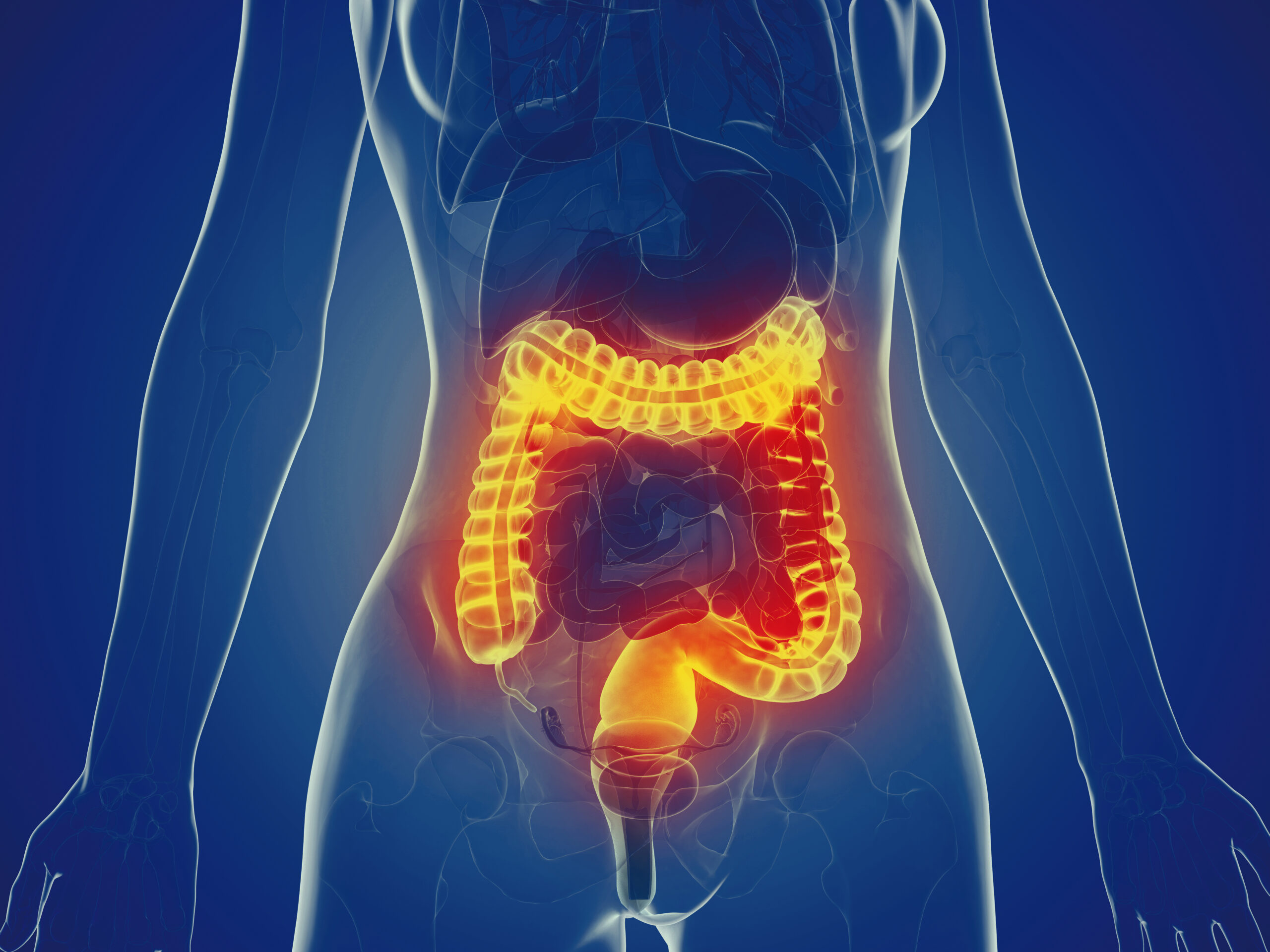
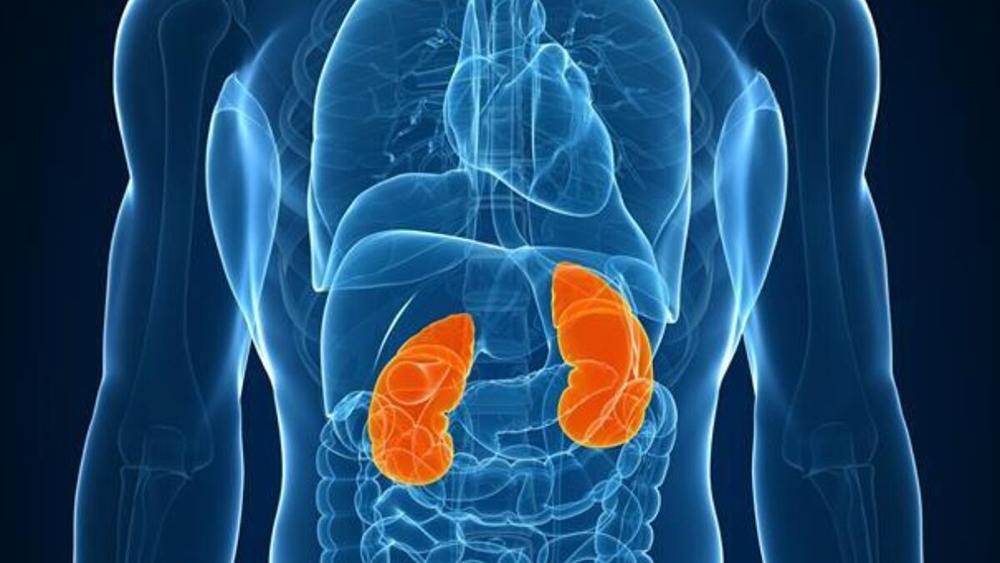
In urinary tract infections, the bacteria colonize the colon, pass through the periurethral/vaginal zonus, and ascend the urinary tract, bringing an infection to the bladder and then to the kidneys. Cranberry proanthocyanidins help prevent infection and bacterial colonization.

Source: The Cranberry – A fruit that never ceases to amaze by Mediserve

FEATURED SPECIALISTS

  • Profile picture of Dr. Francesca Marceddu
    active 5 years, 10 months ago

    Anesthesiologists, Basic Doctors

    • Via del Risorgimento 49 - Pirri
    phone
  • Profile picture of Dr. Squillante Gianni Erminio
    active 5 years, 10 months ago

    Acupuncturists, Homeopathic Medicine, Basic Doctors

    • Via Monterotondo 14 - Roma
    phone
  • Profile picture of Dott.ssa Floriana Di Martino
    active 5 years, 10 months ago

    Aesthetic Doctors, Basic Doctors

    • Piazza della Rinascita 13 - Pescara
    phone
  • Profile picture of Dr. Tiziana Volpe
    active 5 years, 10 months ago

    Gynecologists, Basic Doctors, Professional Counselor

    • Piazzale Jonio 50 - Roma
    phone
  • Profile picture of Dott.ssa Federica Filigheddu
    active 5 years, 10 months ago

    Basic Doctors

    phone

RELATED ARTICLES

Risk factors, complications and prevention of salmonellosis

Normally, salmonella infection does not pose a life-threatening risk for healthy adults, but it can pose a life-threatening risk for those categories of patients such as infants or young children, elderly or transplant patients, pregnant women, or in patients undergoing surgery.

Some easy ways to take in more fiber

Fiber helps you feel full longer, prevents constipation and offers a host of other health benefits. But we don’t consume enough of it. Here’s how to put some fiber into

Probiotics and allergic rhinitis

Allergic rhinitis is a very common and widespread condition in the population with fairly high rates and symptoms such as sneezing, itching, and nasal congestion.

Childhood obesity, are mothers to blame?

According to an Italian study carried out by researchers at the University of Padua, led by Professor Dario Gregori who works in biostatistics, epidemiology and public health, it is believed

Diabetes mellitus: what is it?

Depending on the pathogenesis, two types of diabetes are distinguished: Type 1 diabetes from total or near-total insulin deficiency, and Type 2 diabetes, characterized by variable insulin resistance. Both types

Cranberry Harvest: the harvest

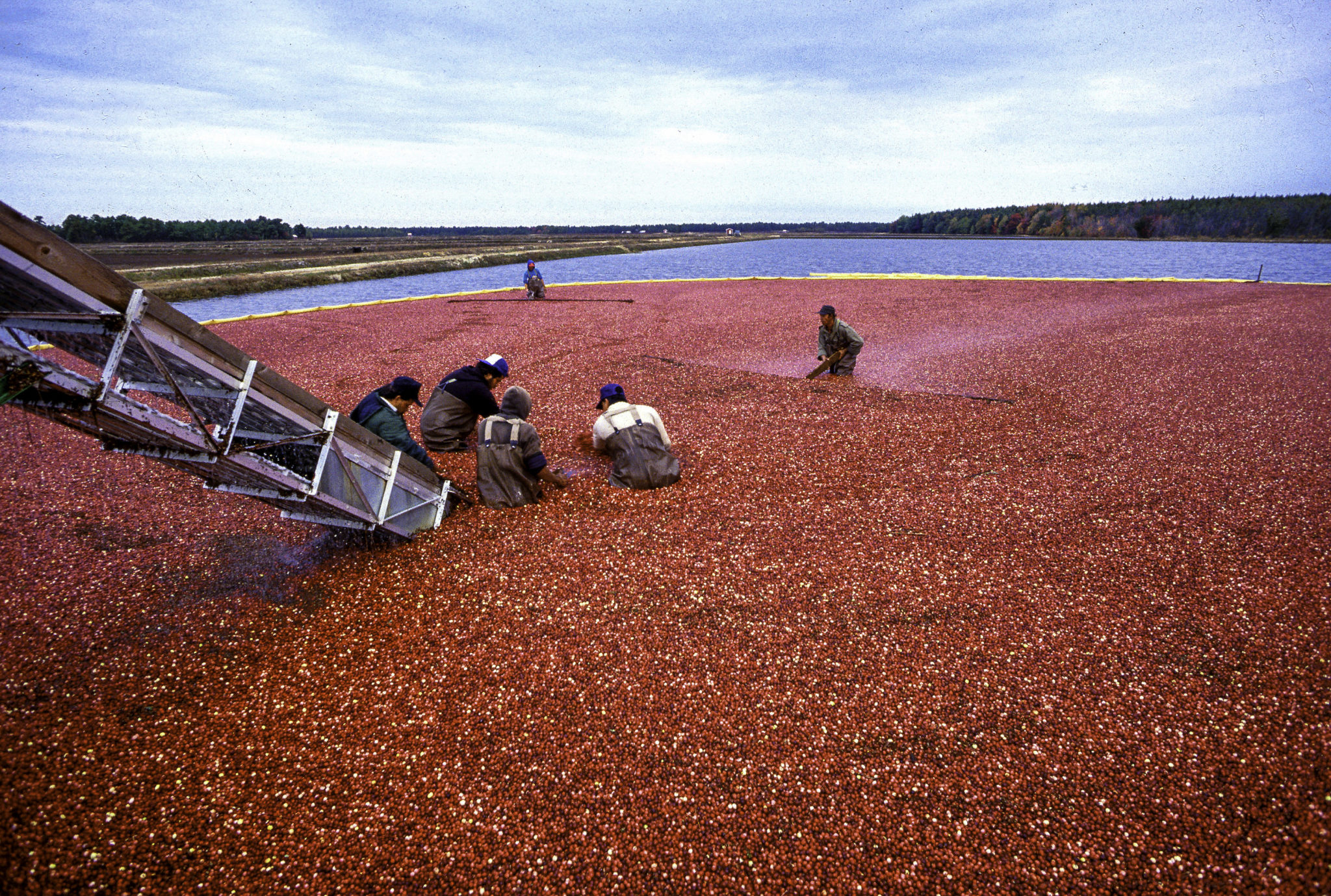
The fall harvest of ripe berries in the cranberry fields is a breathtaking event, thanks to the color impact offered by the berries surfacing at the water’s edge. Cranberry harvesting

RELATED PATHOLOGIES

Obstructive sleep apnea syndrome

Obstructive sleep apnea is the most prevalent type of sleep apnea: a category of disorders united by the occurrence of repeated interruptions of normal breathing while sleeping, due to a

Epithelioma

Epithelioma is a tumor due to abnormal growth of epithelium, which corresponds to the tissue that lines the surface of all hollow structures and organs in the human body (from

Varicocele

Varicocele is a venous malformation that results from loss of tone and elasticity of the veins that collect blood from the testis and carry it upward into the large venous

Hypothyroidism

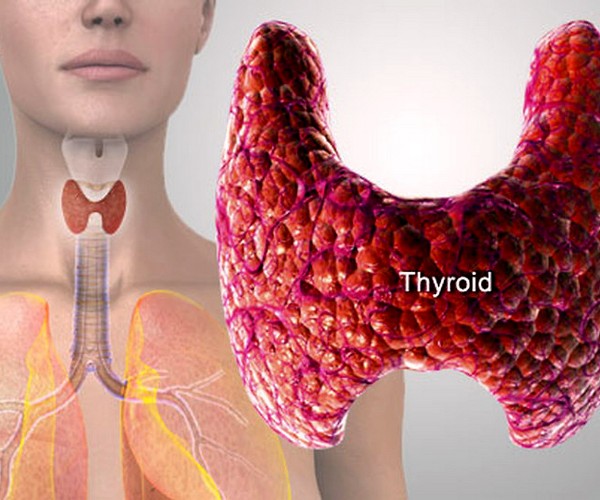
Hypothyroidism is a condition brought about by the insufficient production of thyroid hormones, tetraiodothyronine or thyroxine (T4) and tridothyronine (T3), by the thyroid gland, resulting in reduced overall metabolic efficiency

Hallux valgus

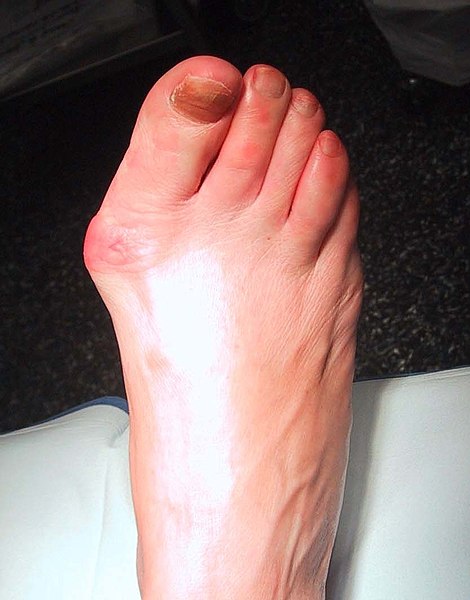
Hallux valgus is a deformity of the foot consisting of the departure of the head of the first metatarsal from the others. In this condition, there is lateral deviation of

Rheumatism

The term “rheumatism” refers to an extremely wide and varied group of disorders comprising more than one hundred rheumatic diseases that are very diverse in terms of causes, symptoms and

Breast cancer

Breast cancer is the most common malignancy in the female population everywhere, albeit with different prevalence depending on geographic area, ethnicity, and lifestyle habits, and accounts for about 30% of

Vitiligo

Vitiligo is a skin disease with unknown causes, characterized by the presence of skin patches that are lighter in color (or completely devoid of pigmentation) than the typical coloration of

Diverticulitis

Diverticula are small pockets that can form in the lining of the digestive system. They usually occur more frequently in the lower part of thelarge intestine (colon). Diverticula are common,

Peripheral arteriopathy obliterans

Peripheral arteriopathy obliterans is a vascular disease that affects the arteries, especially those in the legs, preventing the muscles and tissues from receiving adequate blood supply, resulting in symptoms of

FEATURED SPECIALISTS

  • Profile picture of Dr. Domenico D'Angelo
    active 5 years, 10 months ago

    Otolaryngologists, Basic Doctors, Competent Doctor

    • Via Pola 5 - San Prisco
    phone
  • Profile picture of Dott.ssa Federica Filigheddu
    active 5 years, 10 months ago

    Basic Doctors

    phone
  • Profile picture of Dott.ssa Francesca Vittorelli
    active 5 years, 10 months ago

    Therapist, Acupuncturists, Basic Doctors

    • Corso Andrea Palladio 134 - Vicenza
    phone
  • Profile picture of Dott. Flavio Della Croce
    active 5 years, 10 months ago

    Psychotherapists, Basic Doctors

    • Via Sacconi 1 - Borgonovo Val Tidone
    phone
  • Profile picture of Dott.ssa Cinzia Maria Zurra
    active 5 years, 10 months ago

    Basic Doctors, Aesthetic Doctors, Nutritionists

    • Viale Rimembranze 5 - Triuggio
    phone

prenota il tuo viedeoconsulto in convenzione

Completa il form e sarai contatto dal personale medico specializzato

your advertising
exclusively ON
MY SPECIAL DOCTOR

complete the form and you will be contacted by one of our managers