



of

Mitral valve regurgitation

Il-rigurgito-della-valvola-mitrale

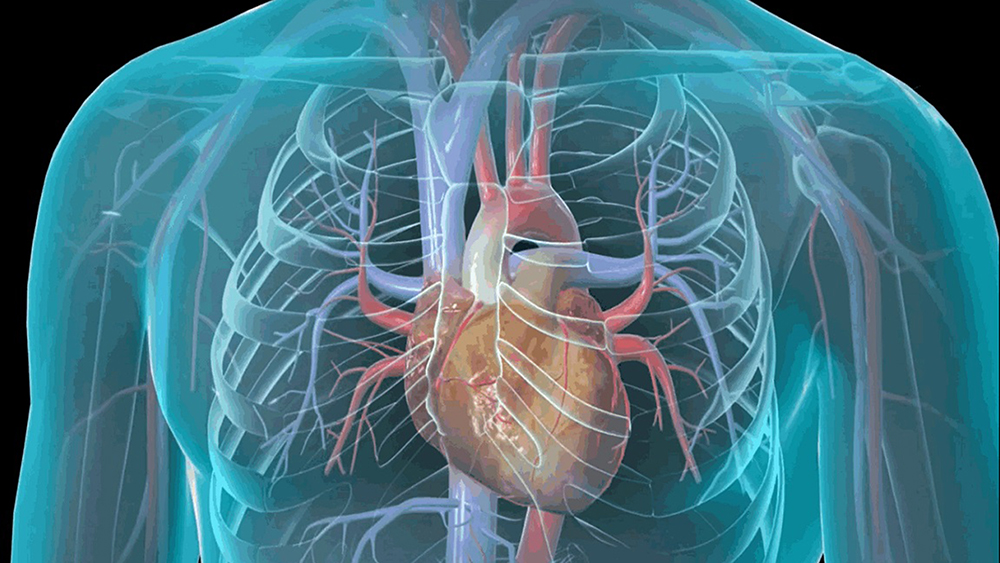
It is a condition in which the mitral valve leaflets do not close tightly, causing blood to leak backward into the left atrium of the heart. If left untreated, this abnormality can cause damage to the heart muscle.

Mitral valve stenosis

In this other abnormality, the mitral valve leaflets become thick or stiff and may even stick together by fusing together.
This thickening produces insufficient valve opening, and because of the narrowed passage, this condition does not allow adequate blood flow from the left atrium to the left ventricle.
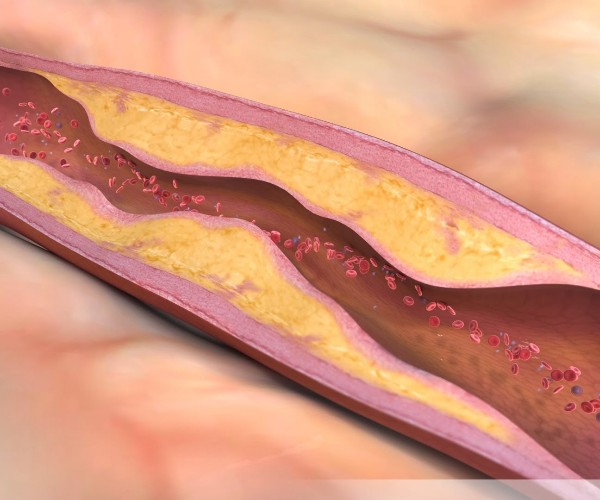
The phenomenon of mitral valve stenosis, as well as in other pathologies resulting from vessel thickening, such as in jugular stenosis, the resulting vessel narrowing results in insufficient blood flow, giving rise to typical insufficient blood volume symptoms.

Treatment for mitral valve disease should be evaluated according to the level of severity of its symptoms and the patient’s condition, especially when its worsening is evident.
In this case The physician may consider whether to refer the patient for cardiac surgery to repair or replace the mitral valve.

Symptoms:

Some people with mitral valve disease may not complain of symptoms for a long time, even for years. Signs and symptoms of mitral valvulopathy include the following:

  • Abnormal heart sound (possible heart murmur) auscultated with stethoscope.
  • Sense of fatigue.
  • Reduced breathing, especially even after modest physical activity or after leaving a lying position.
  • Irregular heart rhythm.

Causes:

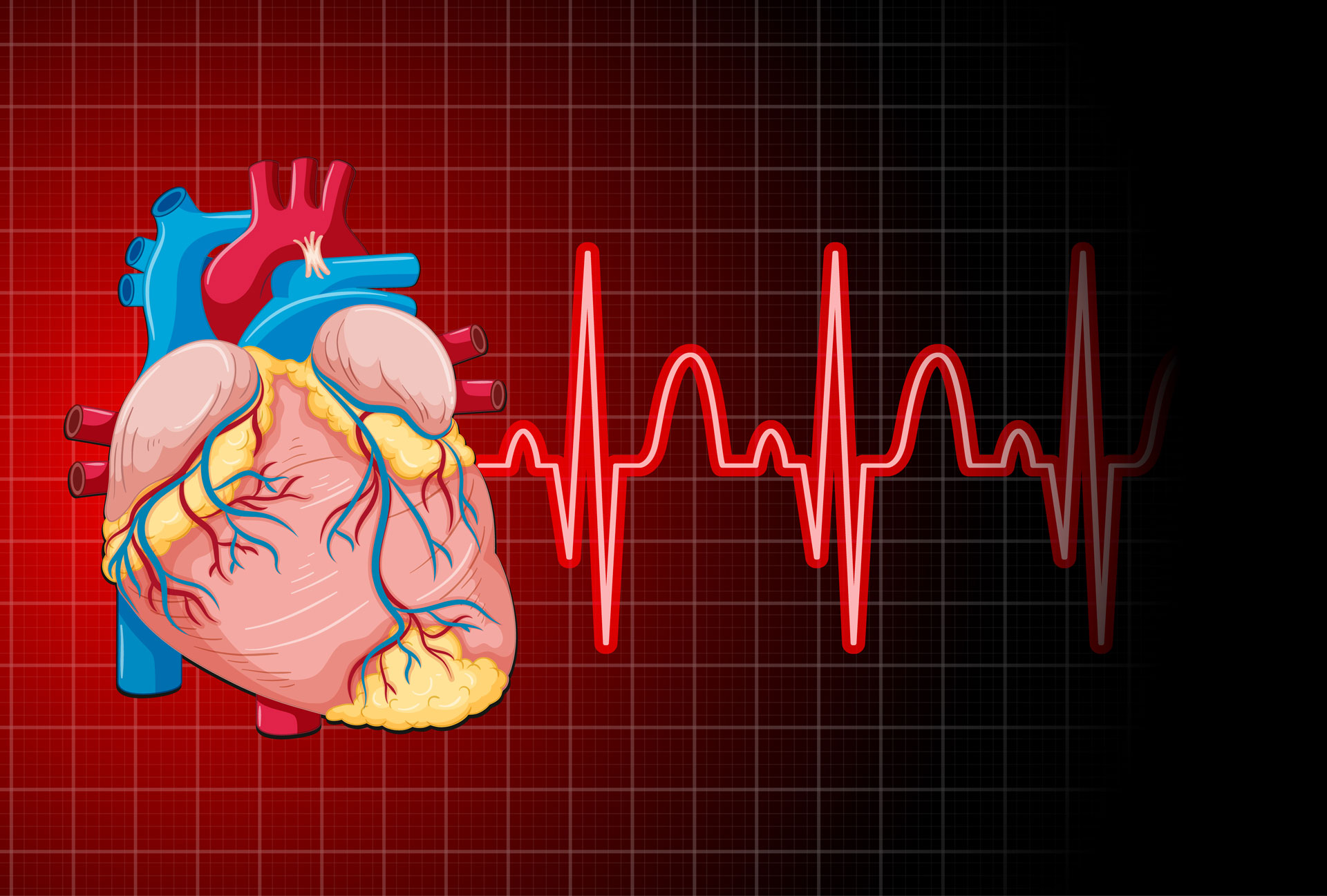
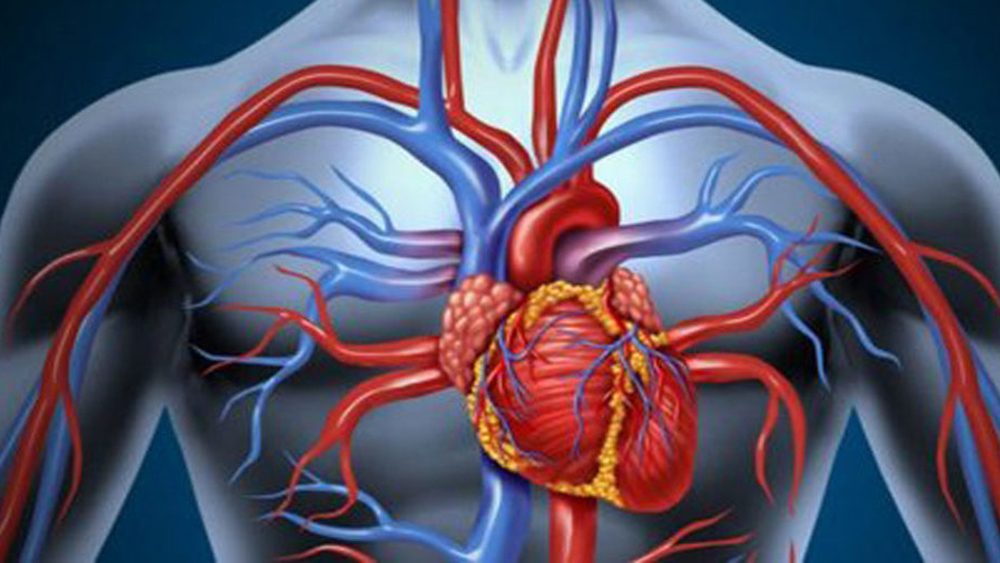
The heart is equipped with four valves that can ensure adequate blood flow.These valves are: the mitral valve, tricuspid valve, pulmonary valve and aortic valve.
Each valve has flaps that open and close with each heartbeat.
If it happens that the valve opening and closing mechanism becomes abnormal it will happen that the blood flow will stop, and no blood will come to the body.
In mitral valve disease, dysfunction is established between the left atrium and the left ventricle, and blood can be pushed back toward the left atrium resulting in a condition of valve regurgitation.
Mitral valvulopathy has many causes, including some that are congenital, i.e., with heart defect at birth, and others that have occurred over the years such as primary mitral valve regurgitation, due to prolapse or stenosis.
Abnormalities of the left ventricle may be responsible for secondary mitral valve regurgitation occurring.
The condition of mitral valve stenosis is most often caused by rheumatic fever, a situation resulting from a complication of a streptococcal infection, which is harmful to the heart.

Diagnosis:

First step toward diagnosis is physical examination by the attending physician, with auscultation of heart sounds, to detect the presence or absence of heart murmurs.

The next diagnostic steps will involve the epletion of some clinical examinations, such as:

  • echocardiogram;
  • Transesophageal echocardiogram;
  • electrocardiogram (ECG);
  • chest X-ray;
  • cardiac computed tomography (CT) scan;
  • MRI;
  • stress porova;
  • cardiac catheterization.

Treatment:

  • Monitor conditions with timely follow-up appointments.
  • Adopt healthy behavioral rules in lifestyle.
  • Take medications prescribed by the attending physician to treat symptoms, especially blood-thinning medications to avoid the risk of clots.
  • Check the heart rhythm, that it is regular so as not to risk atrial fibrillation.
  • Repair or replace the mitral valve with cardiac surgery, even in the absence of symptoms in order to prevent worsening or risky complications.
  • Adopt a heart-healthy diet, choosing fruits and vegetables, low-fat poultry foods, fish and whole grains, avoiding saturated fats and limiting amounts of salt and sugar.
  • Keep an eye on body weight, avoiding overweight, which is very harmful for prevention purposes.
  • Avoiding stress or learning to contain it.
  • Avoid smoking and other addictions.
  • Finally, it is recommended to maintain a habit of keeping active and in as good a mood as possible.

FEATURED SPECIALISTS

  • Profile picture of Dr. Giuseppe Lepore
    active 5 years, 8 months ago

    Dermatologists, Basic Doctors, General Surgeons

    • 19 Via Manzoni Alessandro - Garbagnate Milanese
    phone
  • Profile picture of Dott.ssa Anna Puccio
    active 5 years, 8 months ago

    Gynecologists, Basic Doctors

    • Via Vincenzo Ponsati 69 - Volvera
    phone
  • Profile picture of Dr. Vittorio Margutti
    active 5 years, 8 months ago

    Orthopedists, Basic Doctors

    • Via Marco Simone Poli 1 - Guidonia Montecelio
    phone
  • Profile picture of Dr. Giuseppe Panico
    active 5 years, 8 months ago

    Dermatologists, Basic Doctors

    • Viale Prassilla 41 - Roma
    phone
  • Profile picture of Studio Medico San Pellegrino
    active 5 years, 5 months ago

    Sports Doctors, Basic Doctors

    Spread the word!

    Recommend this special

    doctor to a friend

    message phone house
    visit
    video
    consulting
    WhatsApp conferences
    and webinars

RELATED ARTICLES

Wasps, bees, hornets: avoiding complications

Wasp and other insect bites are common. Generally, most people recover quickly and without complications, but others, because they are allergic, can face serious complications. But caution and prevention can protect our vacations.

Gas colic

Gas colic is defined as an acute, benign event that affects about 50% of infants (most often in the first 6 weeks of life).

Mitral valve repair: new surgical instruments

A new surgical tool for mitral valve repair: simplifies valve repair, avoiding recourse to open-heart surgery Researchers studying this new device to repair the mitral valve report results on the

Cardiac Arrest

DESCRIPTION Cardiac arrest consists of the cessation of mechanical cardiac activity resulting in the blockage of blood circulation. The resulting interruption of blood flow to vital organs, particularly the brain

Thyroid and pregnancy

It is necessary to observe these symptoms during pregnancy and report them to your doctor in time, especially because usually some of them such as fatigue and weight gain are also present during a normal pregnancy, so they might be taken as normal and not alert the person who is affected.

RELATED PATHOLOGIES

Bruxism

Bruxism is a condition in which you grind your teeth: it can happen, unconsciously, in a waking state or, more often, during sleep. People who clench or grind their teeth

Sleep and mood disorders

Sleep disorders and mood disorders are linked by a double thread and articulately affect each other. Decades of studies and clinical-practical experience, both in the field of Sleep Medicine and

Uncontrolled eating disorder

Uncontrolled eating disorder is an eating behavior disorder that is characterized by an inability to control food intake, resulting in the more or less frequent repetition of binges similar to

Tumors of the adrenal glands

The adrenal glands (or adrenals) are two small triangular structures “resting” on the kidneys and responsible for the production of several hormones critical for metabolic and hydroelectrolyte balance and stress

Insomnia

Insomnia is an extremely common sleep disorder that can affect people of all ages for different reasons and come in various forms and variations, all of which have in common

Atherosclerosis

Atherosclerosis is a pathological process that leads to the progressive formation of localized deposits composed mainly of fat and cholesterol and platelets (atheromas or atherosclerotic plaques) within the walls of

Cluster headache

Cluster headache is a primary form of headache that is characterized by the manner in which the attacks occur, which are precisely “clustered” in so-called “active periods” lasting up to

Diabetic foot

Diabetic foot is a complex condition that develops as a complication of advanced uncontrolled diabetes and is the leading cause of nontraumatic amputation in the Western adult population. Very prevalent

Anorgasmia

Anorgasmia is the syndrome by which we refer to the difficulty in having orgasms even after normal sexual stimulation. The intensity and frequency of orgasms in women are variables that

Transient ischemic attack

Transient ischemic attack (TIA) is a mild form of ischemic cerebral stroke or “mini-stroke,” which occurs when the cerebral circulation is partially impaired by the presence of narrowing or occlusion

FEATURED SPECIALISTS

  • Profile picture of Dr. Domenico D'Angelo
    active 5 years, 8 months ago

    Otolaryngologists, Basic Doctors, Competent Doctor

    • Via Pola 5 - San Prisco
    phone
  • Profile picture of Dott. Domenico Napolitano
    active 5 years, 8 months ago

    Gynecologists, Basic Doctors, Aesthetic Doctors

    • Viale Orazio Flacco 5 - Bari
    phone
  • Profile picture of Dr. Antonio Varriale
    active 5 years, 8 months ago

    Aesthetic Doctors, Dentists, Basic Doctors

    • Via Grotta dell Olmo 20 - Giugliano in Campania
    phone
  • Profile picture of Dott.ssa OLGA PETROVSKAIA
    active 5 years, 8 months ago

    Pain therapists, Basic Doctors, Therapist

    • Via Giulio Romano 3 - Valle Martella
    phone
  • Profile picture of Dott.ssa Irene Pistis
    active 5 years, 8 months ago

    Aesthetic Doctors, Basic Doctors, Certifying Doctor

    • Via della Reoubblica 461/3 - Vergato
    phone

prenota il tuo viedeoconsulto in convenzione

Completa il form e sarai contatto dal personale medico specializzato

your advertising
exclusively ON
MY SPECIAL DOCTOR

complete the form and you will be contacted by one of our managers