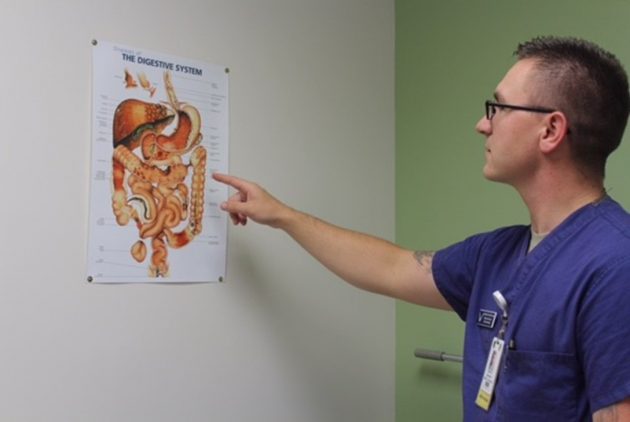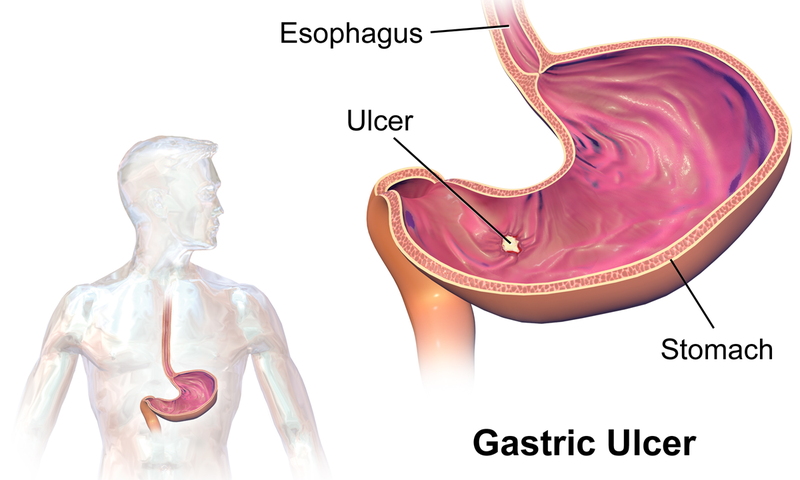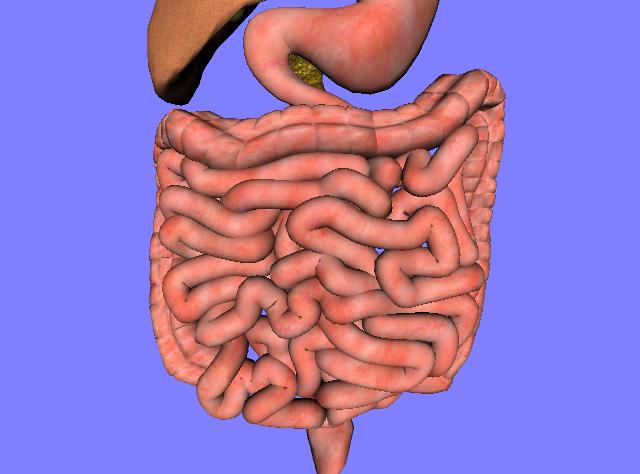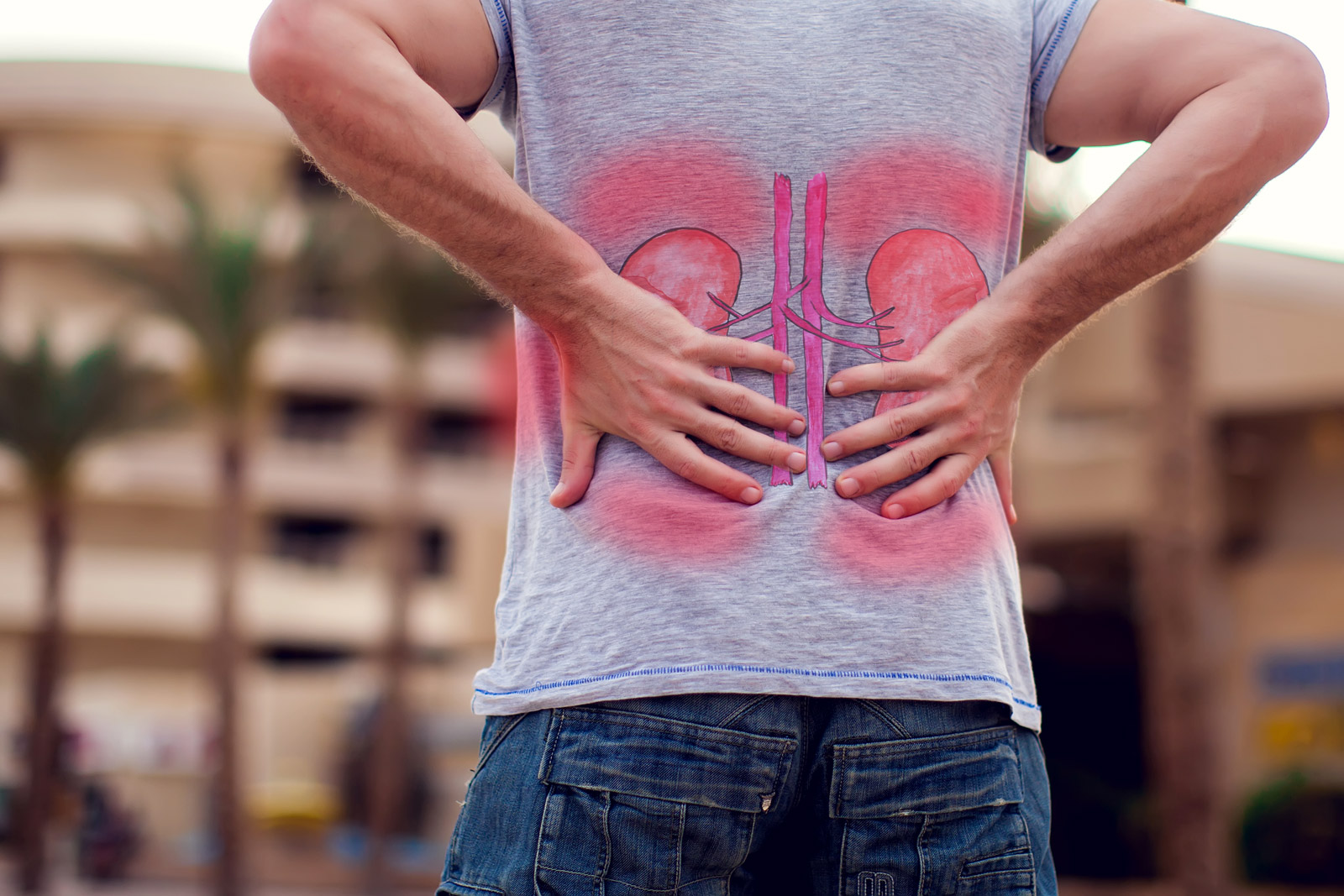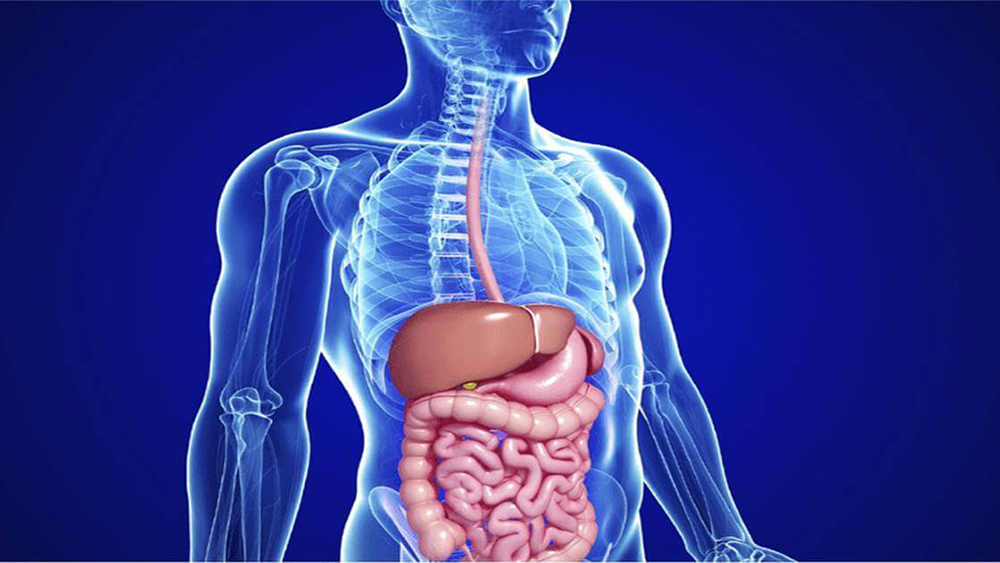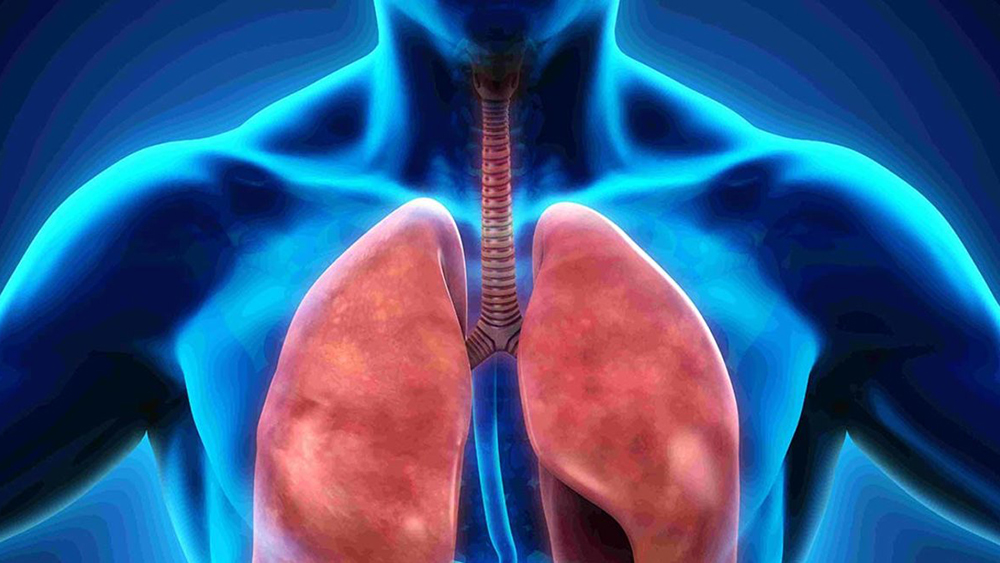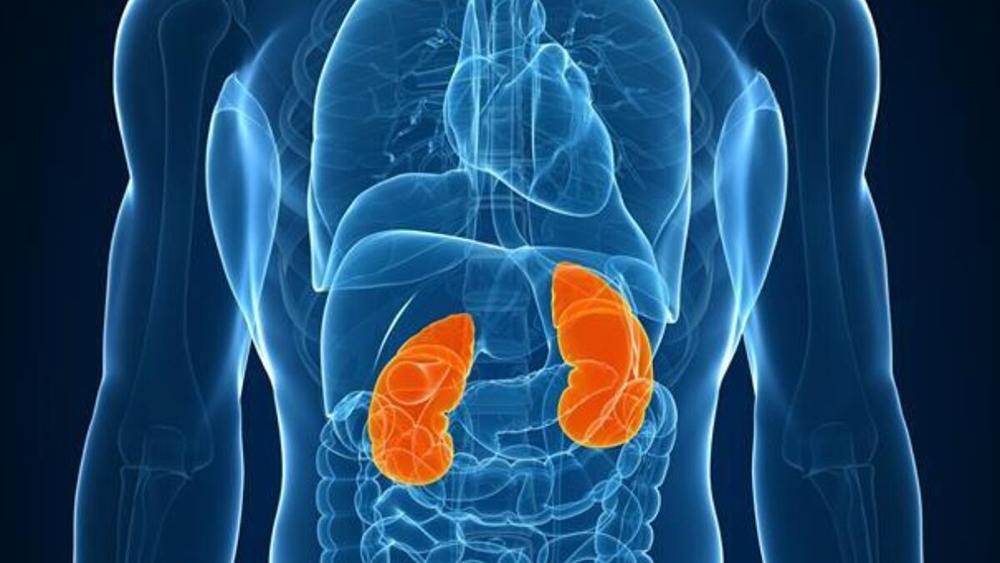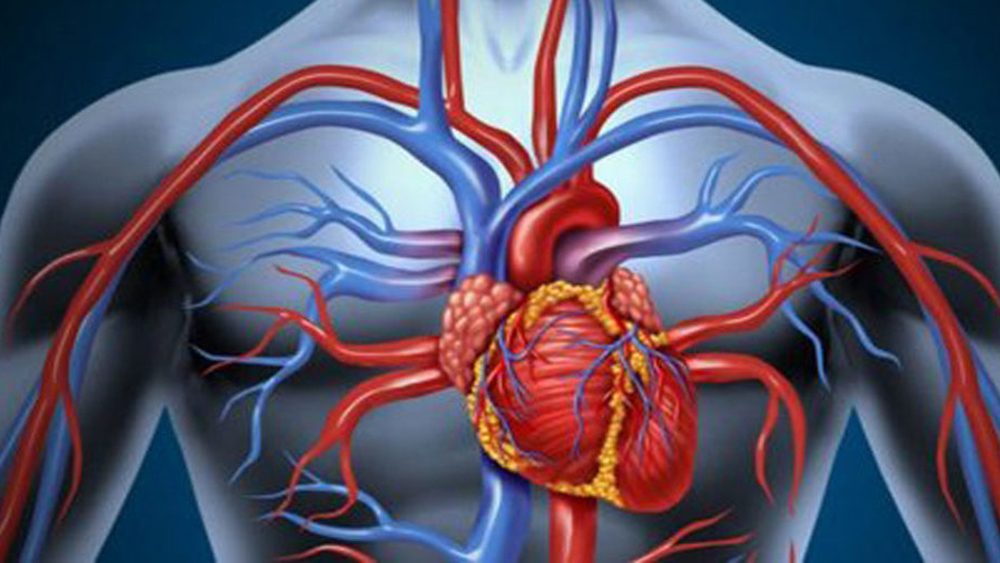





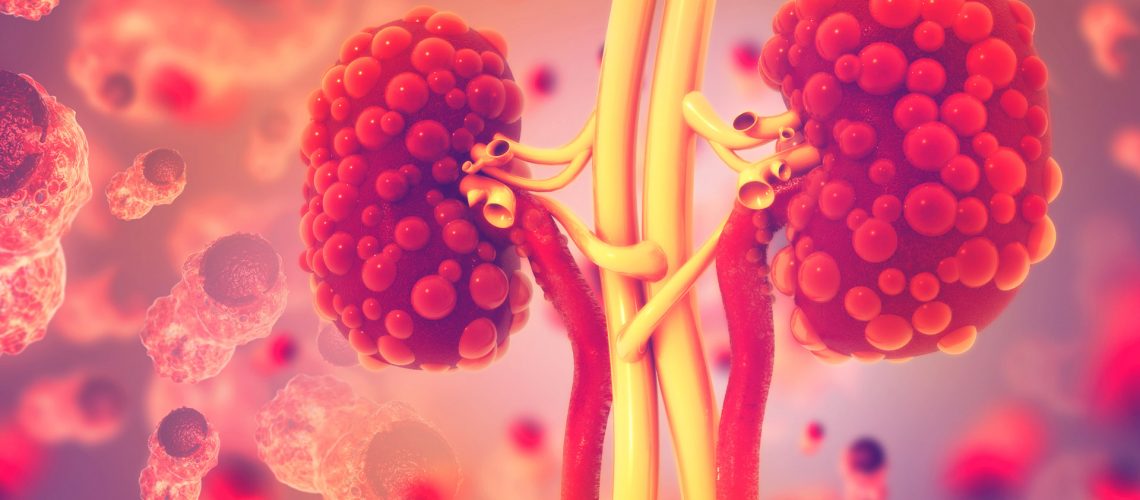
The two kidneys process everything we eat or drink, including medications, supplements, and anything that can harm us.
THE 10 RULES
Prevention is the only effective solution to prevent kidney disease-related problems, and undergoing regular check-ups helps reduce the risks, impact, and consequences associated with kidney diseases. Following a balanced diet and adopting a healthy lifestyle are key elements to protect your kidneys, but especially to ensure a satisfactory state of health for your entire body.
1. MONITOR BLOOD PRESSURE
The most serious aspect of hypertension is that more than 40% of patients are unaware they have it, and many of those who are aware do not treat it properly, often intermittently or inconsistently. High blood pressure is a precursor to a poorly lived old age, with the risk of serious problems to the heart, brain, and lower limbs. Blood pressure is typically first detected during a medical visit; from that moment on, the patient should start self-monitoring at home, generally around 5-6 p.m., when the effect of any morning medication is decreasing. The optimal blood pressure is 130/80. Of course, blood pressure varies throughout the day, influenced by tensions, emotional states, stress, it lowers during sleep and rises in the morning. These factors must be considered during monitoring, which should be done at home using electronic devices, measuring three successive times, disregarding the first two readings, and considering the third one as valid.
2. GET A BLOOD TEST
The initial screening is very simple. It involves testing for blood urea nitrogen (BUN), creatinine, uric acid, electrolytes, complete blood count (CBC), calcium, and a full urine test. If abnormal values are found, a nephrology consultation is recommended.
3. GET A URINE TEST
The urine test is the simplest and most economical method for an initial evaluation of kidney health. It provides important information such as the presence of blood, proteins, or any infection. It also informs about the concentration ability of the urine, which is an important indicator of kidney function. Unfortunately, technology often doesn’t help, unlike a few years ago when a drop prepared by centrifugation was observed under a microscope, allowing the detection of casts, which could lead to an initial diagnosis of kidney disease or crystals indicating the risk of kidney stones. Today, we almost always use a dipstick, which provides less meaningful data.
4. HAVE A NEPHROLOGICAL EXAMINATION
The nephrological exam includes all the elements mentioned so far: evaluation of blood pressure, blood and urine tests, and kidney function tests. After a thorough assessment of the patient’s condition, further tests, appropriate therapies, and regular check-ups will be prescribed.
5. GET A KIDNEY ULTRASOUND
Kidney imaging is an essential exam to gather detailed information on kidney health. Be sure to ask for a kidney ultrasound, not an abdominal ultrasound, because in the latter, the technician may not focus specifically on the kidney-related issues.
6. GET AN ELECTROCARDIOGRAM AND A CARDIOLOGY EXAM
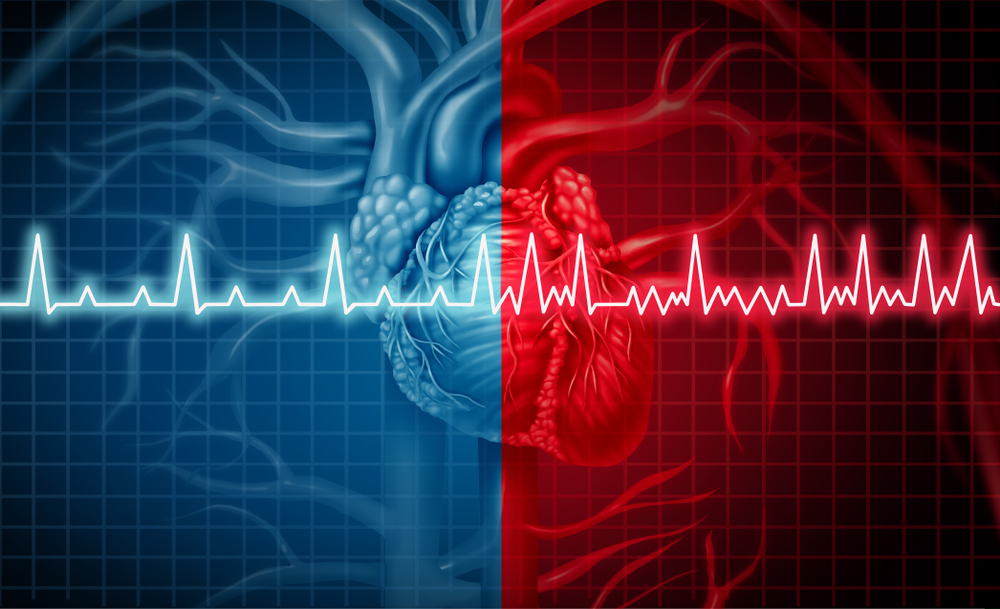
In individuals over 50 years old, heart disease often precedes or accompanies kidney disease; therefore, a cardiological approach to the problem is useful. A cardiology consultation and electrocardiogram are also recommended for younger people engaging in physical activity. Based on clinical findings, the cardiologist will decide if an echocardiogram is necessary.
7. CHECK THE PERIPHERAL VESSELS
The peripheral vessels check is done by performing a color Doppler ultrasound on the lower limbs. Arterial ultrasound: It evaluates the condition of the vessels supplying blood to the lower limbs and is useful in patients with vascular diseases such as high blood pressure, atherosclerosis, high cholesterol, previous stent or coronary bypass procedures, or carotid disobstruction interventions. Venous ultrasound: It assesses venous status, looking for thrombophlebitis, superficial and deep vein thrombosis.
8. CHECK THE CAROTID ARTERIES
This is a very simple exam that provides information on the state of our arteries and the overall vascular system. It is recommended to undergo a first evaluation after the age of 40 to check that the blood flow is not altered by the presence of atherosclerotic plaques. These plaques initially do not affect blood flow, but if left untreated, over the years, they can narrow the vessels to the point of causing stenosis greater than 50%, which may require surgical intervention, based on the doctor’s assessment.
9. FOLLOW A BALANCED DIET
Most cardiovascular diseases, including those affecting the kidneys, are linked to an incorrect diet. It’s so obvious that it’s hard to believe this concept doesn’t come to people’s minds. The food pyramid is significant; it lists the liquids and foods to reduce as you move up. Nobody should eat cured meats, red meat, eggs, and sweets in abundance every day. Instead, prefer pasta, rice, white meat, fish, five servings of vegetables daily, and plenty of fruit. Drink at least one and a half liters of water daily, and optionally, a glass of wine with meals. Occasional indulgence is allowed, but it shouldn’t be every day.
10. ADOPT A HEALTHY LIFESTYLE
Smoking is prohibited.
Do not add salt to food.
Monitor weight: obesity and overweight are the first indicators of altered health.
Drink no more than three coffees a day.
Drink at least one and a half liters of water.
Engage in regular physical activity: at least thirty minutes of brisk walking daily.
Further information: http://www.aspremare.org/prevenzione-malattie-renali/