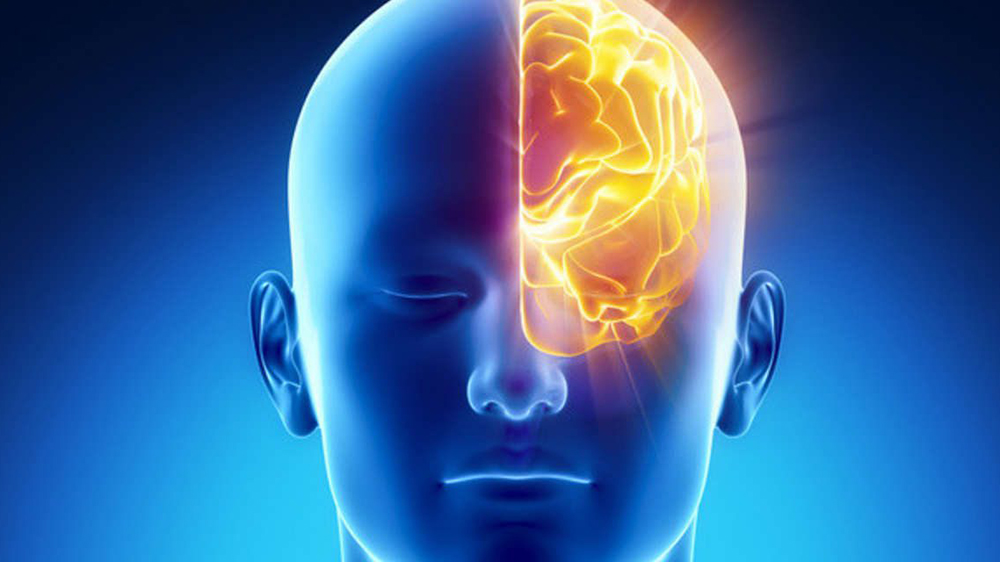





1. Memory loss: aging, Dementia or Alzheimer’s?
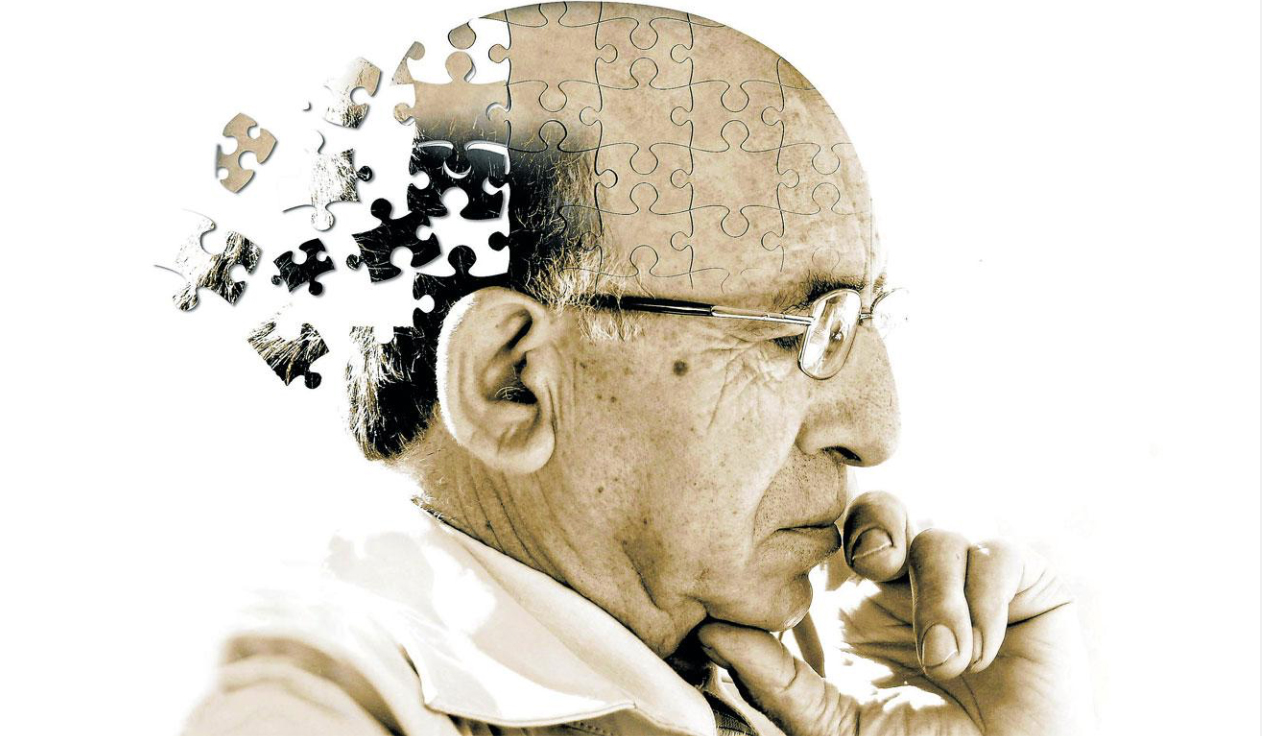
Sometimes we feel as if our memory loses strokes. It happens sometimes to forget things especially when life gets more complicated. We begin to pay attention to it when the fact tends to recur over the years. It is physiological that a limited portion of memory leaves us as we grow older, a fact that does not foretell a condition of dementia, especially since only a low percentage of the elderly are affected by a state of dementia.
2. At what point does not remembering represent a problem?
If a certain memory deficit ends up making it difficult to manage one’s daily activities, it is an obvious condition that needs serious consideration. Forgetting a fact you just heard or repeating the same question over and over again, resorting to many paper “memos” to succeed in not forgetting the basic facts of your day are signs to talk to your primary care physician about.
3. If organizing one’s day becomes a constant concern as well as solving even elementary problems, solutions must then be adopted

Sure, it can happen to anyone to make a mistake in an indication, to write an incorrect figure on a payment, or to mistake one person for another, but it starts to become a problem if you have difficulty doing things the way you used to do them. If you lose your grasp of the ways where you have always lived, or if you can no longer remember a certain direction or how to follow directions on a street, you should interpret these signs as evidence of progressive memory loss.
4. Experiencing the day’s activities with difficulty

Even looking up your favorite channel on the TV can become a problem or even a chore, as can using household appliances that you have always used. If you have trouble performing regular activities as usual such as driving from home to the home of friends you have known for years, if you forget the basic rules of games or sports usually played, then you are getting serious about memory problems.
5. Can’t remember where the car was left, on which street, in which parking lot
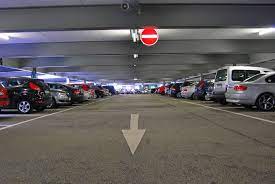
A fact that has surely happened to many at least once. Returning from shopping does not bring back memories of where you left your car. If the occurrence is repeated with some frequency better to report it to your doctor, as these could be different signs of an overt dementia condition. Usually, it happens to many people that they cannot remember where they forgot their house keys or sunglasses, but Most of the time, by going backwards or reconstructing the actions performed in succession, one is able to recover both the memory and the forgotten object. If losing objects or not remembering where you left them becomes a recurring occurrence, there is no doubt that you are facing a memory problem…
6. When a person loses track of time.

As soon as you wake up, if you don’t immediately remember what day it is, don’t worry, it can happen, if you already after a few seconds reconstruct the facts and focus on the day of the week or even the date or related commitment or activity. If, on the other hand, one has really lost track of time and is confusing dates, or even seasons, while a certain state of confusion prevails in attempts at recollection, it means that memory loss has extended to the cognition of time.
7. Not being able to remember how you got to a certain place

If we walk into a room and cannot think of why, it is a moment of lack of memory, but a few moments later the memory of why quickly surfaces, thus a fact that is not a cause for concern. However, it may happen to a person afflicted with memory loss to enter a building or store without then being able to remember what the errand was to be performed. People with Alzheimer’s sometimes lose awareness of where they are, basically becoming as if lost, not even remembering how they got there. This is a real condition for seeking assistance or help.
8. If the word one would like to enunciate does not come to mind.
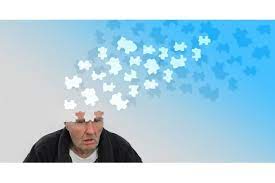
What happens is that we try to say in a speech the name of a restaurant we would like to recommend, or mention the name of a famous movie actor, but nothing, absolute emptiness. This happens sometimes to so many of us. In the presence of Alzheimer’s disease, there is some difficulty in expressing oneself, speaking and even writing. Affected people may not remember the name of one of their family members or old friends. In practice, the person with Alzheimer’s may not only forget a name of a person close to him or her but also fail to express a concept at all by not remembering the words used to express it.
9. Secluding yourself by avoiding seeing friends and relatives

Of course, if one has expressive difficulties or even significant memory loss, one tends to avoid meeting or hanging out with friends, family members or colleagues from work, and tends to isolate oneself progressively, while losing interest in social and communication life, and in usual personal activities. When this is the scenario, the necessary steps need to be taken to be assisted, helped, and appropriately treated therapeutically.
10. Test your memory with a specific test
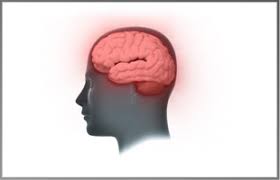
If you simply suspect that you are not dealing with physiological problems of aging or otherwise unimportant but think you are at serious risk of progressive and major memory loss, with the help of your doctor you can resort to memory testing. This can serve both to correctly guide the diagnosis toward dementia or Alzheimer’s disease, considering all aspects of the clinical issue under consideration, and also to better understand the effect of the medications the person takes regularly.
11. What to do in such cases?
If memory loss is not diagnosed by medical checkups, then it can be prevented from worsening by adopting strategies to train memory, reading books by playing games that exercise attention and the intellectual sphere, in short by keeping in constant training. Also helpful would be to add a more balanced diet and constant exercise activity. If, on the other hand, the diagnosis leans toward dementia or Alzheimer’s Disease, appropriate medical care must be sought, which includes a whole range of therapeutic prescriptions, advice related to the prevention of recurring problems, and guidance on assistive methods for patient care.