


of

9. Plants talk! A communication to be interpreted

pexels-pixabay-248342

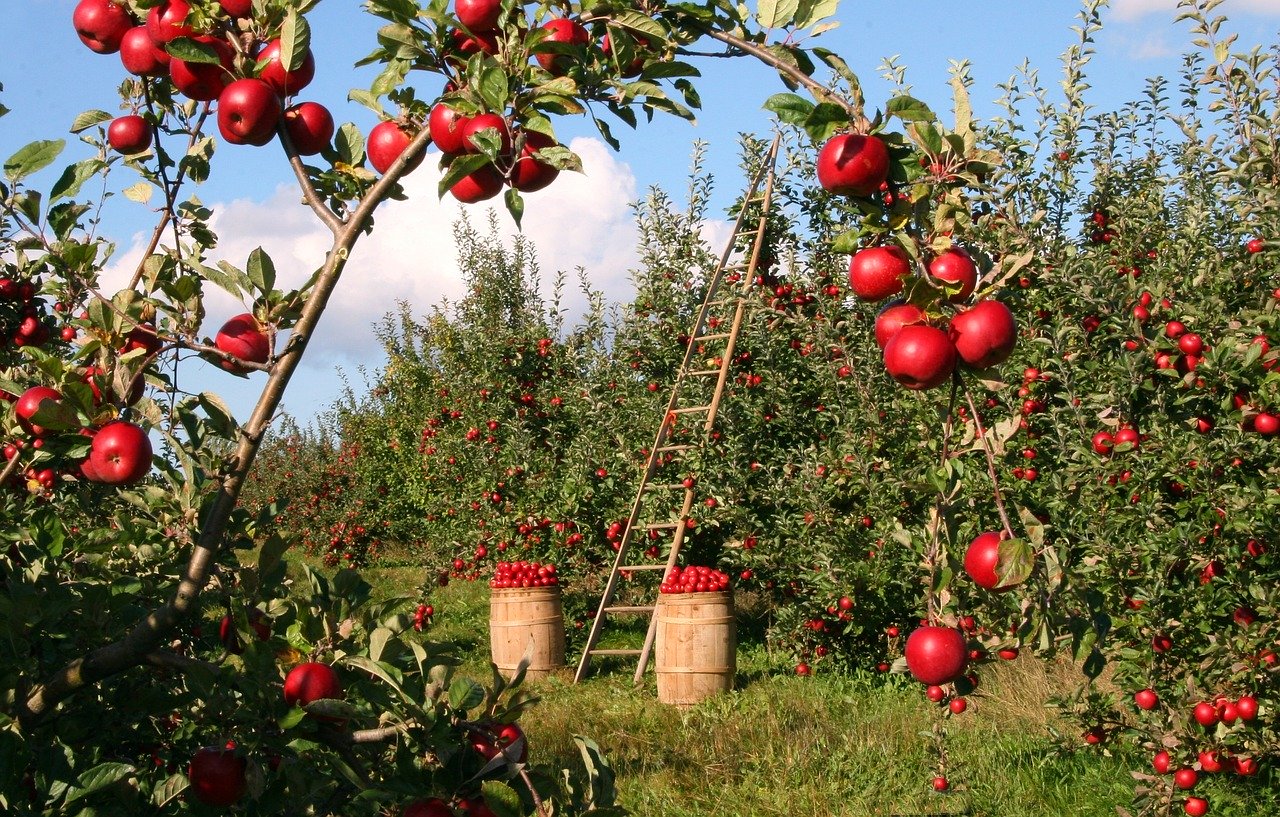
Plants talk! It is a silent but very effective language. In the plant world, communication is essential both to recognize organisms belonging to one’s own species and to keep dangerous ones at a distance.

For those who do not have the ability to move, especially in case of danger, it is necessary to make yourself understood very clearly.
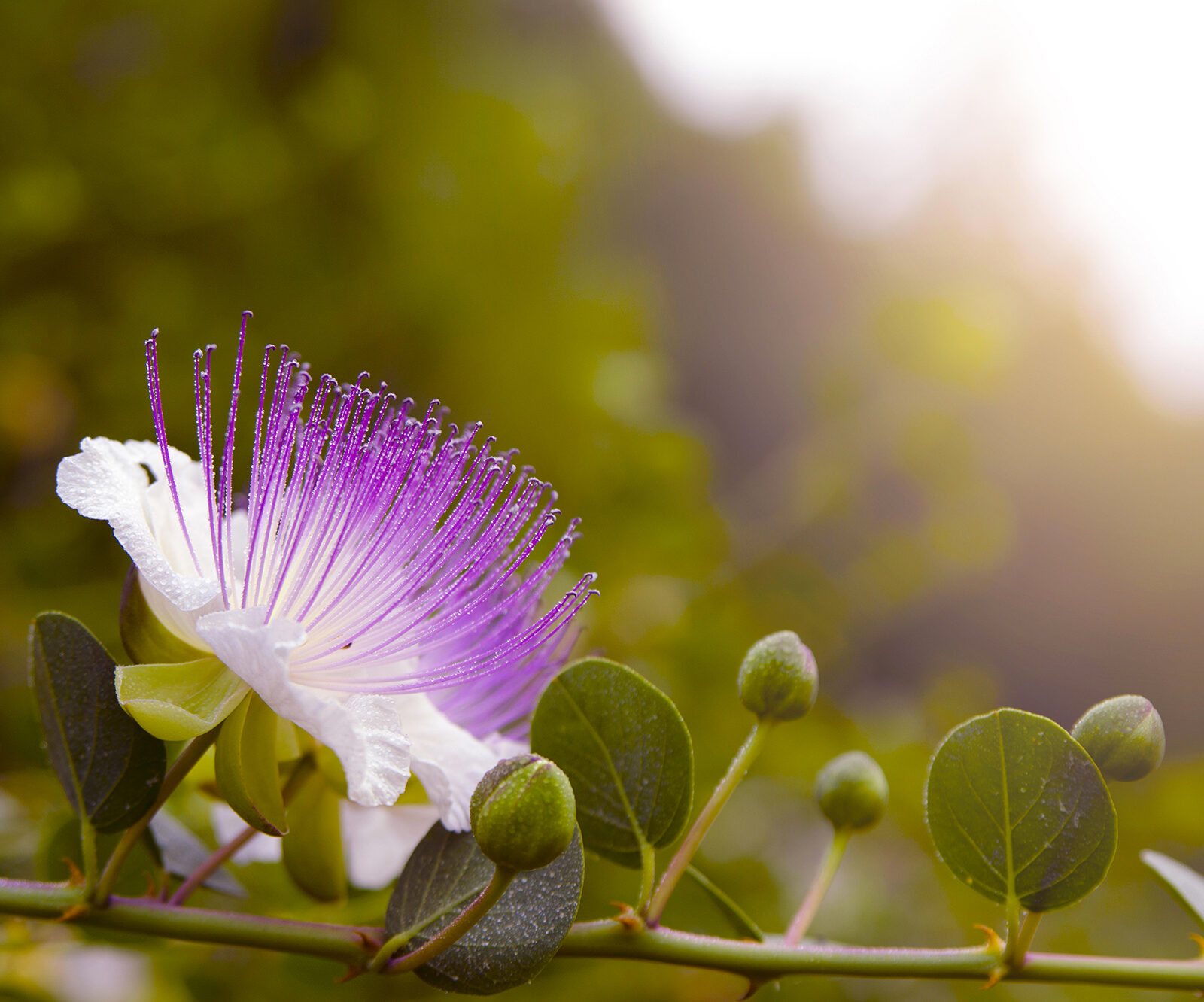
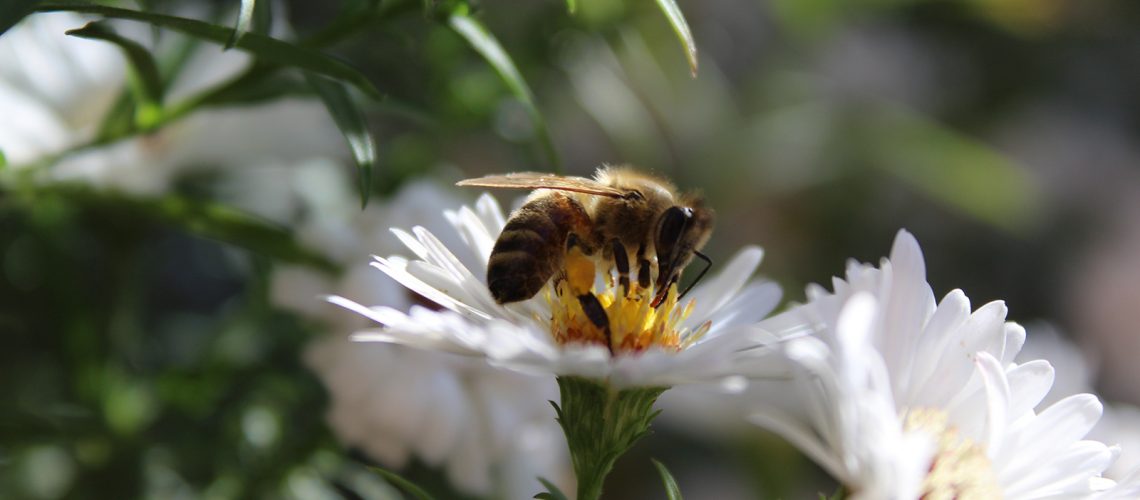
The language of plants is based on very particular words, that is, chemical molecules that are processed and released into the environment to convey very specific directions to other organisms. An example known to all is the communication that flowering plants use to attract pollinating insects to themselves: not only bright colors e intoxicating scents (perceptible and attractive even to our sense organs no longer so accustomed to nature’s calls), but also ultraviolet hues and ethereal fragrances, imperceptible to us but detectable at a considerable distance by insect antennae.

In the orchids messages are often addressed to a specific insect species, so the substances produced to attract it are specific; the scents of species belonging to the genus Ophrys, in particular, are much studied: mixtures differ from species to species and are very complex, in some cases even chemically mimicking the female sex hormone molecules of a certain bee species for the purpose of attracting pollinating males by promising them an unlikely mating!

Fragrances are produced in special places called osmophores: these are glands in which volatile substances are processed; they are mainly found in the petals, and from here the fragrance is released through epidermal formations, such as glandular hairs.

Chemically, there are various substances released by plants: some are derived fromisoprene , molecule volatile colorless organic, such as geraniol (formed from open chains of atoms), menthol and camphor (with the atoms connected to form a single and double cyclic structure, respectively). Others are derived from benzene , a precursor molecule of the so-called “aromatic compounds,” which are characterized by a hexagonal ring structure. A well-known aromatic substance is vanillin, found in the fruits of Vanilla planifolia, but also in Dahlia bulbs, asparagus, and other flowers, and artificially synthesized industrially as a flavor in the production of sweets.

To achieve their purposes, plants can use their chemical language to attract even very primitive organisms such as bacteria, which often live in close contact with roots (bacteria from the rhizosphere“); some especially establish relationships with legumes, which they recognize thanks to substances called lectins, proteins with the function of recognizing polysaccharides on cell membranes; this mechanism is very useful in making sure they are in contact with the right organisms.

Once recognition has occurred, the bacteria penetrate the root bark through the root hairs, and then the plant provides encapsulation of these microscopic organisms, which will be found wrapped in a membrane inside the so-called “root tubercles.” This close relationship is one of the best-known examples of mutualistic symbiosis established precisely through communication between plant and bacterium.
In this symbiosis, the bacteria receive nourishment from the plant in the form of carbohydrates and reciprocate by yielding the nitrogen fixation products so useful to the plant.

But in nature not all beings are welcome; indeed, some species can be harmful as they tend to parasitize and harm without giving anything in return. In this case, plants produce various types of compounds as a result of injury or infection by pathogens, initiating a silent battle made up of a “back-and-forth” ofchemical signals to keep these enemies at bay. The phytoalexins are a typical example of these chemical signals: they are synthesized by potato plants affected by pathogenic fungal microorganisms.

This “squabble” between plant and pathogen demonstrates that plants are also capable of listening in that, as in all information exchanges, there is a need for an entity that transmits specific signals and one that recognizes them and subsequently activates suitable defense mechanisms. All this shows the “sensitivity” of plants, understood as their ability to “feel” their surroundings and interact with them.

And to us human beings, what do the plants say? Probably the “arguments” are very similar to those exposed to other animals; perhaps the volatiles they process to maintain safe distances are the same but we are no longer (or have never been) able to recognize them, and we need tangible spacers such as spines or quills. We are certainly attracted by their beauty, the elegance of an arboreal bearing, the flowers, the fruits, and the relaxing well-being we feel when looking at a green expanse; even if we are not able to “hear” them in detail, understanding that there is a plant language is already a first step.

FEATURED SPECIALISTS

  • Profile picture of Dott. Giovanni Adamo
    active 5 years, 6 months ago

    Angiologists, Basic Doctors

    • Provincia di Ragusa - Ragusa
    phone
  • Profile picture of Dott.ssa Floriana Di Martino
    active 5 years, 6 months ago

    Aesthetic Doctors, Basic Doctors

    • Piazza della Rinascita 13 - Pescara
    phone
  • Profile picture of Dr. Vittorio Margutti
    active 5 years, 6 months ago

    Orthopedists, Basic Doctors

    • Via Marco Simone Poli 1 - Guidonia Montecelio
    phone
  • Profile picture of Dr. Domenico D'Angelo
    active 5 years, 6 months ago

    Otolaryngologists, Basic Doctors, Competent Doctor

    • Via Pola 5 - San Prisco
    phone
  • Profile picture of Dott. Franco Cicerchia
    active 5 years, 6 months ago

    Ophthalmologists, Acupuncturists, Basic Doctors

    • Via Alcide de Gasperi 39 - Palestrina
    phone

RELATED ARTICLES

8. Plants and nutrition

Despite the fact that most human beings do not adopt a strictly vegetarian diet, plants in the diet are not only plentiful, but are consumed in all their parts, even the most unusual ones, from root to flower!

The clothing to avoid in case of Cellulite

When we talk about Cellulite prevention, in addition to dwelling on eating habits, exercise and lifestyle, we must also dwell on one of the aspects of daily life: the way we dress.

We walk half an hour

Good weather encourages outdoor physical activity. If you want to engage inbasic motor activity, such as a simple walk, just devoting a half hour a day, even if every other

The support of the foot during running

Running is one of the most popular physical activities for several reasons. Primarily because it does not require any kind of special or even expensive equipment, the only thing you

2. Origin of plants on earth

Today's extant plant forms reflect a complex evolutionary "work" that has taken place over more than 400 million years, during which plants have deployed cunning strategies to be able to adapt to various types of environments, managing to survive and reproduce even in the most climatically severe places.

4. Natural plant world and human presence

Compared to the imaginative clothes worn by plants to better adapt to natural environments, those imposed by humans reflect the need on the part of humans to indulge their own desires.

Starting a physical activity: some tips

The reasons that often prompt us to start a physical activity are many and varied. One of the main motivations is definitely aesthetic (one plays sports to improve one’s physical

RELATED PATHOLOGIES

Osteoporosis

According to the World Health Organization (1993) definition, “Osteoporosis is a pathological condition characterized by loss of bone mass and qualitative deterioration of bone tissue, resulting in an increase in

Panic attack disorder

Panic attack disorder is a psychiatric disorder characterized by episodes of sudden and intense fear, anguish, and feeling of imminent death or strong fear for one’s safety, which leads those

Spinal canal stenosis

Spinal canal stenosis consists of the narrowing of a section of the canal present along the entire spine (formed by the aligned succession of small holes in the center of

Amblyopia

Amblyopia, more commonly known as “lazy eye,” is a disease of the visual apparatus characterized by reduced vision in one eye due to abnormal visual development early in life. The

Genital herpes

Genital herpes is the most common sexually transmitted infectious disease characterized by ulceration in the population. It can affect both men and women (more often), is transmitted by direct contact

Hepatitis A

Hepatitis A is the most common acute inflammation of the liver worldwide and is caused by the virus of the same name, which accidentally entered the body through contaminated food

Obstructive sleep apnea syndrome

Obstructive sleep apnea is the most prevalent type of sleep apnea: a category of disorders united by the occurrence of repeated interruptions of normal breathing while sleeping, due to a

Emotional crisis

In current usage, the word “crisis” has a dramatic meaning, i.e., the transition from a condition of stability to a variability of previously assumed equilibria, holding homeostasis as the sole

Post-traumatic stress disorder

Post-traumatic stress disorder (PTSD) is a psychiatric disorder that can occur at any age in people who have experienced or witnessed a traumatic event that has made them feel life-threatening

Shoulder dislocation

The shoulder is the joint of the body most prone to possible dislocation, that is, an injury in which the arm bone, held in a structure called the “cuff” that

FEATURED SPECIALISTS

  • Profile picture of Studio Medico San Pellegrino
    active 5 years, 3 months ago

    Sports Doctors, Basic Doctors

    Spread the word!

    Recommend this special

    doctor to a friend

    message phone house
    visit
    video
    consulting
    WhatsApp conferences
    and webinars
  • Profile picture of Dr. Giuseppe Lepore
    active 5 years, 6 months ago

    Dermatologists, Basic Doctors, General Surgeons

    • 19 Via Manzoni Alessandro - Garbagnate Milanese
    phone
  • Profile picture of Dott. Sandro Morganti
    active 5 years, 6 months ago

    Orthopedists, Basic Doctors, Osteopaths

    • Via Foligno 6 - Roma
    phone
  • Profile picture of Dott.ssa Floriana Di Martino
    active 5 years, 6 months ago

    Aesthetic Doctors, Basic Doctors

    • Piazza della Rinascita 13 - Pescara
    phone
  • Profile picture of Dr. Roberto Zaffaroni
    active 5 years, 6 months ago

    Basic Doctors, Therapist

    • Via San Francesco D' Assisi 5 - Varese
    phone

prenota il tuo viedeoconsulto in convenzione

Completa il form e sarai contatto dal personale medico specializzato

your advertising
exclusively ON
MY SPECIAL DOCTOR

complete the form and you will be contacted by one of our managers