

of

Placebo effect and Nocebo, the power of the mind

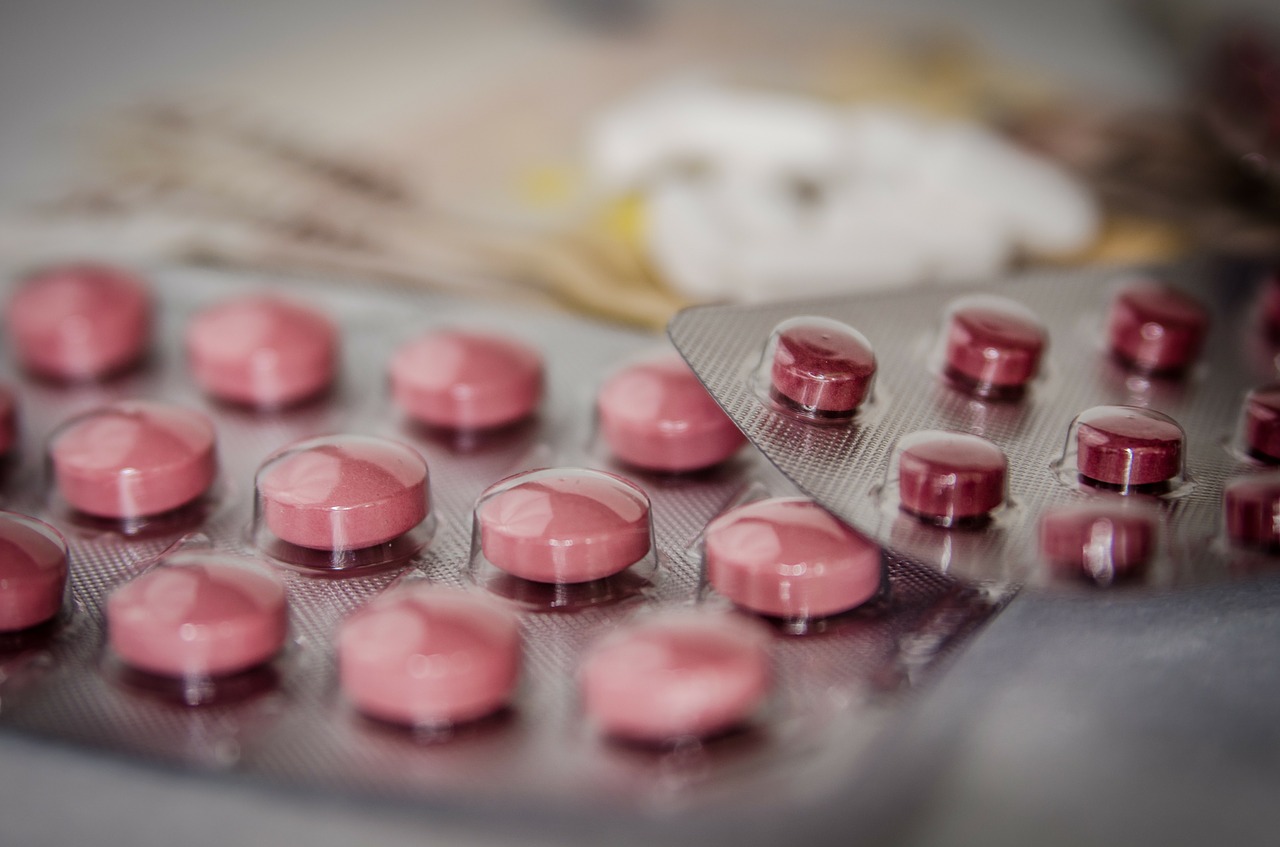
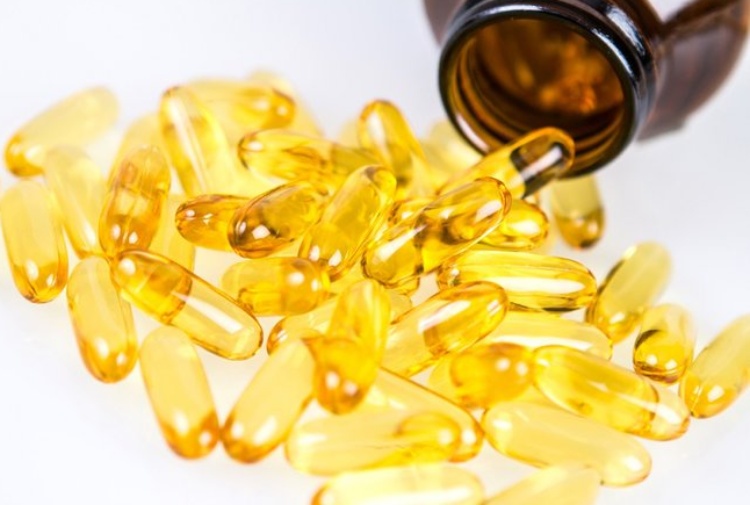
medications-257336_1280

Placebo effect and its opposite nocebo

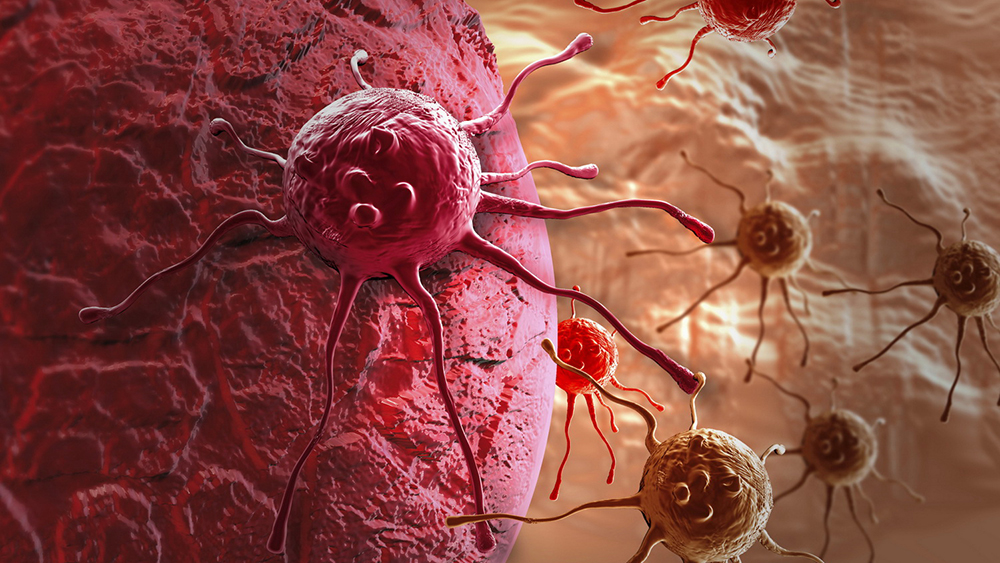
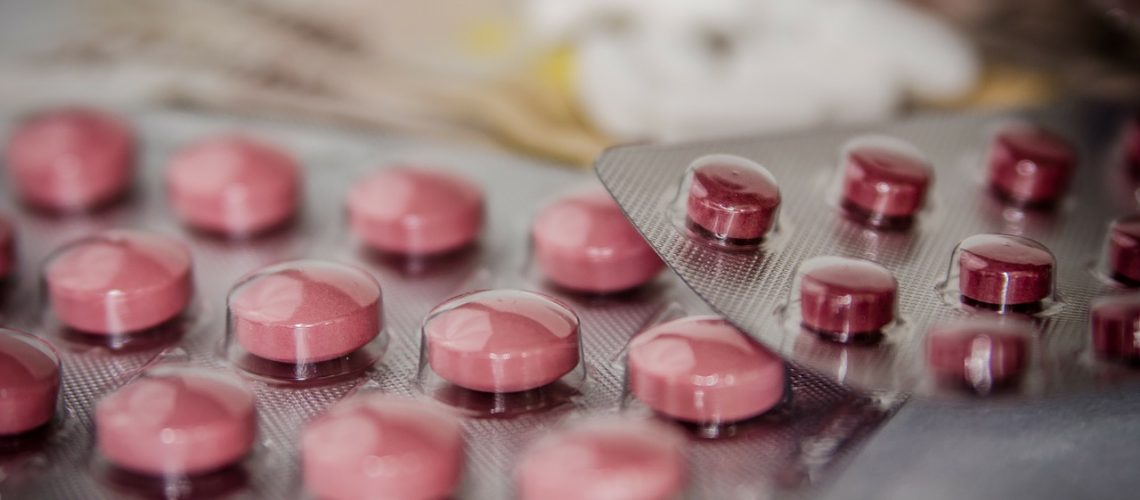
The oldest and most spectacular episode of alternation, in the same person, of a placebo effect and its opposite nocebo, published in the scientific literature, is the one described in 1957 by Bruno Klopfer, a German psychologist. A gentleman named Wrigth, suffering from advanced-stage cancer, asked his attending physician to be treated with an experimental drug. After a single injection, “the tumor melted away like a snowball on a hot stove,” the doctor wrote in the medical record. A short time later, Mr. Wright, now recovered, casually read an article that discussed the ineffectiveness of that drug in tumors. Wright worsened within a few days. On examination he presented metastases. At that point the doctor injected the patient with water, telling him that he had received a new version of the drug that was effective this time. The metastases disappeared!

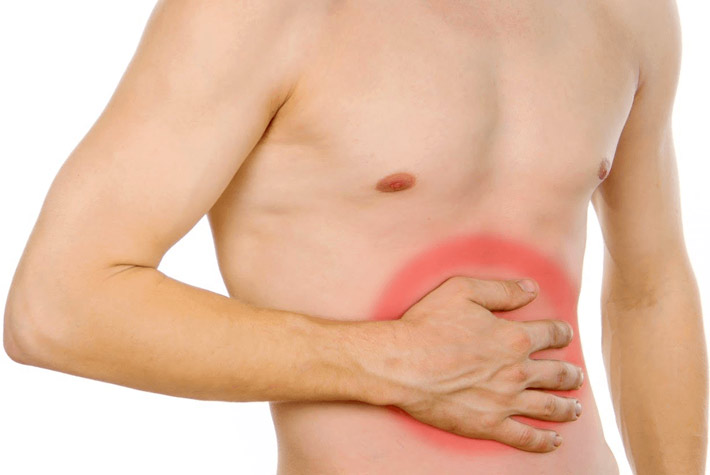
We do not know how Herr Wright’s story turned out, but we do know that in the last fifty years more than a hundred clinical and experimental papers have been published to try to understand what is incontrovertible: the occurrence of positive or negative effects in the physiology of a person who has been given fresh water believing it to be a drug, or who has been the subject of good or bad words. Martina Amanzio, of the Turin School of Psychology, and Fabrizio Benedetti, also from Turin, Italy, and an international authority on placebos, reviewing studies that have tested anti-hemicrania drugs, recorded that in the placebo group the frequency of adverse effects is high, which is not supposed to happen with taking inert pills; but the most intriguing part of the story is that the adverse effects are the same as with the drug tested. And that is, in studies that tested anticonvulsant drugs, the placebo group showed anorexia and memory impairment, the typical adverse effects of anticonvulsants. Thus, in studies that tested nonsteroidal anti-inflammatory drugs (the NSAIDs), the prevalent adverse effects were nausea and gastrointestinal complaints, which are typical of these drugs.

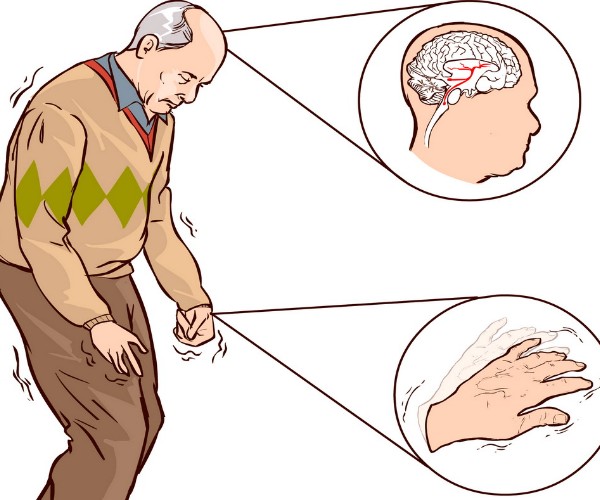
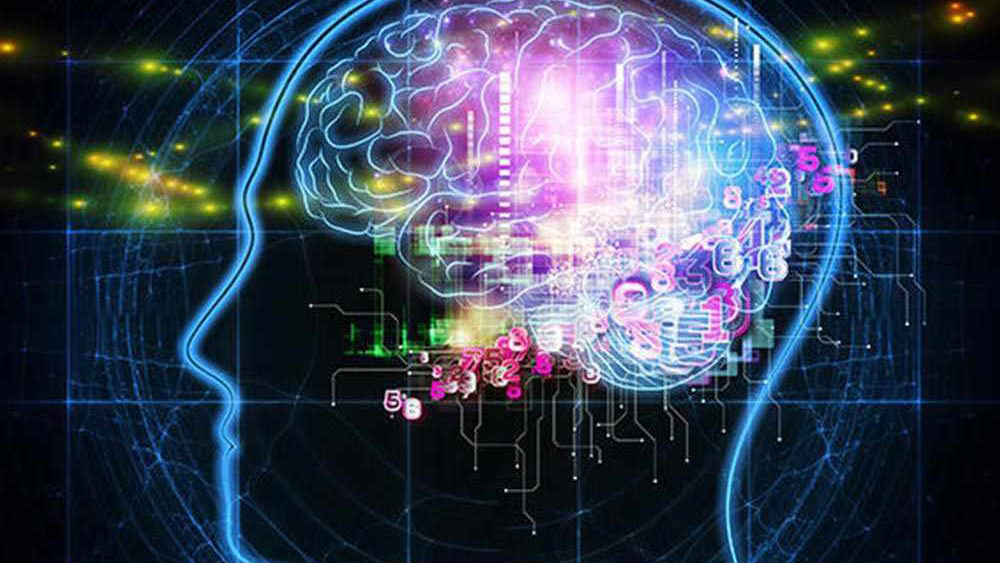
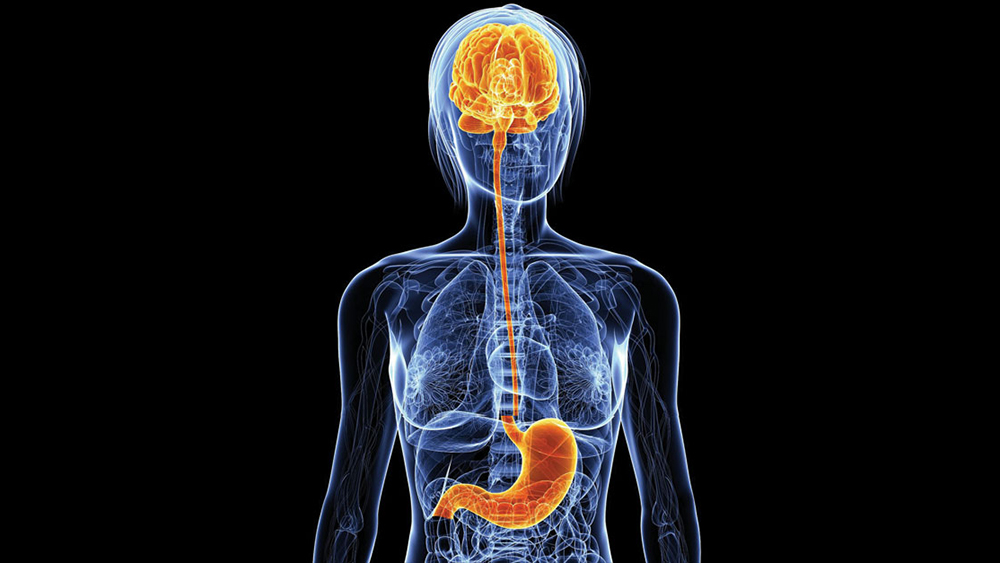
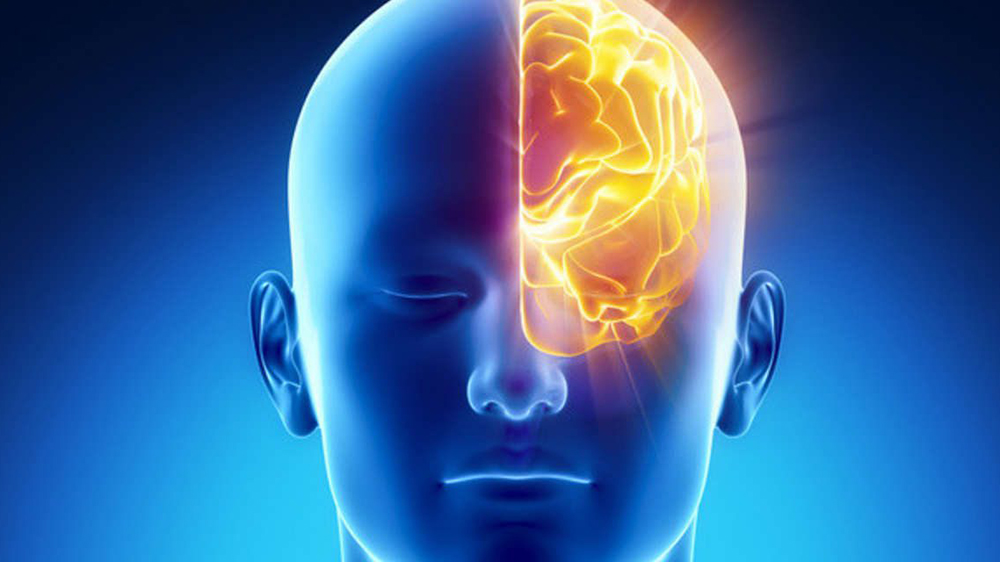
The explanation for this phenomenon lies in the expectations of people, who were (correctly) informed about the possible side effects of drugs: information and ‘expectation produced the peculiarity of the symptoms. But it is not just a matter of expectation. The first animal study to show the influence of a placebo on the immune system was that of Robert Ader, a pioneer in psychoneuroendocrinoimmunology: in 1975 he showed that rats conditioned by taking saccharin combined with a potent immunosuppressant (cyclophosphamide), even when receiving only saccharin manifested signs of immunosuppression. Thus, there are forms of conditioning that do not reach consciousness and still produce effects. This is also why there is interest in possible clinical use of the placebo effect. Benedetti showed that it is possible to produce a positive placebo effect in Parkinson’s patients by prolonging the effects of drugs with placebo pills, or in sportsmen by prolonging, by the same means, the effects of a narcotic drug. But what happens in our brain? The application of neuroimaging techniques has demonstrated the existence of a dual pathway: one for placebo and the other for nocebo. The former activates the so-called reward and pleasure circuit, the latter the anxiety circuit. The former relies on dopamine and opioid activity, the latter on cholecystokinin activity.

Expectancy reduces pain

It has been documented for a number of years that expectation-and thus the value the subject places on an impending painful event-conditions the level of intensity with which it is perceived.
For example, if a source of heat is applied to the same subject that is reported to be of a lower degree than previously applied, this expectation reduces the activation of brain areas involved in the reception and decoding of pain, and thus, although the subject has received an intense painful stimulus (50 C° heat in one hand), he or she perceives it as less intense, or, rather, as intense, as he or she expected it to be (48 C°).

By Francesco Bottaccioli

FEATURED SPECIALISTS

  • Profile picture of Dr. Vittorio Margutti
    active 5 years, 6 months ago

    Orthopedists, Basic Doctors

    • Via Marco Simone Poli 1 - Guidonia Montecelio
    phone
  • Profile picture of Dott. Gianlorenzo Casani
    active 5 years, 6 months ago

    Geriatrics, Certifying Doctor, Basic Doctors

    • Via Costantino Baroni 71/73 - Milano
    phone
  • Profile picture of Dott.ssa Carmela Tizziani
    active 5 years, 6 months ago

    Coroner, Certifying Doctor, Basic Doctors

    • Via Gaetano Bruno 25 - Napoli
    phone
  • Profile picture of Dr. Lucia Catalano
    active 5 years, 6 months ago

    Gynecologists, Senologists, Basic Doctors

    • Via Belluno 1 - Roma
    phone
  • Profile picture of Dott. Domenico Napolitano
    active 5 years, 6 months ago

    Gynecologists, Basic Doctors, Aesthetic Doctors

    • Viale Orazio Flacco 5 - Bari
    phone

RELATED ARTICLES

Adult function and adolescence

Parents, teachers, janitors, doctors, sports coaches, as well as subway passengers or spectators in a movie theater, we are all adults in different roles. But precisely all of us, as

What if we rewrote our history!

By Cristina Martinucci – Life Coach, NLP, Lausanne, Switzerland We have had life experiences that have marked us as human beings. Our life consists of a series of magnificent experiences

Holidays and Melancholy

Christmas Blues is called that state of unease, characterized by depression, anxiety, impatience, stress, insomnia, and physical and mental fatigue that accompanies the holiday season.

Holidays, Melancholy and Covid

We have said it, read it, and are experiencing it on our own skin: this year's Christmas and New Year's holidays will be different than usual because of the pandemic.

Narrative medicine (preview)

Nowadays very often physicians identify patients no longer by their actual name, but by the room number in which they reside and perhaps the condition from which they suffer. It

Inadequate nutrition?

A proper diet that is complete in terms of the nutritional components of foods, with the right levels of sugars, and based on non-harmful products will ensure proper daily energy.

Separated parents and the holiday season

The Christmas vacation season, with the array of decorations and advertising icons and all the rhetoric of family and good feelings that accompany them, can prove at times and for some a kind of emotional "trap."

RELATED PATHOLOGIES

Epilepsy

Epilepsy is a chronic neurological disorder of the central nervous system, characterized by recurrent acute attacks (seizures), unpredictable in frequency, intensity and duration, interspersed with periods of well-being in which

Uncontrolled eating disorder

Uncontrolled eating disorder is an eating behavior disorder that is characterized by an inability to control food intake, resulting in the more or less frequent repetition of binges similar to

Anxiety

Anxiety or, more precisely, “generalized anxiety disorder,” as stated in the “Statistical Diagnostic Manual of Mental Disorders-DSM 5.” It is a psychiatric illness characterized by: intense and persistent worry and

Senile vascular dementia

Senile vascular dementia corresponds to a process of cognitive decline that goes beyond the physiological reduction in intellectual capacity associated with aging. In most cases, vascular dementia is related to

Fainting

Fainting is a simple term in common use that is used to describe a loss of consciousness that can occur at any time in life for countless reasons, more or

Parkinson’s disease

Parkinson’s disease is an aging-related neurodegenerative disorder of the central nervous system, affecting about 2.5% of people over 70 years of age, which is mainly characterized by resting tremor in

Jet lag

Jet-lag is a sleep disorder that affects those who travel by crossing at least 3-4 time zones, either westward or eastward, due mainly to the temporary failure of synchronization between

Shock, medical emergency

It may happen that the circulation of blood through the body undergoes a sudden change giving rise to a condition of physiological shock, with decreased flow and crisis on the

Restless leg syndrome

Restless legs syndrome is a chronic disorder characterized by the onset of a feeling of general leg discomfort, which occurs when the legs are kept still even for short periods

Transient ischemic attack

Transient ischemic attack (TIA) is a mild form of ischemic cerebral stroke or “mini-stroke,” which occurs when the cerebral circulation is partially impaired by the presence of narrowing or occlusion

FEATURED SPECIALISTS

  • Profile picture of Dott. Massimo Carotenuto
    active 5 years, 6 months ago

    General Surgeons, Basic Doctors

    • Via Lepanto 95 - Pompei
    phone
  • Profile picture of Studio Medico San Pellegrino
    active 5 years, 3 months ago

    Sports Doctors, Basic Doctors

    Spread the word!

    Recommend this special

    doctor to a friend

    message phone house
    visit
    video
    consulting
    WhatsApp conferences
    and webinars
  • Profile picture of Dott. Cristiano Crisafulli
    active 5 years, 6 months ago

    Diabetologist, Basic Doctors, Internist

    • Via Vittorio Emanuele II 181 - Acireale
    phone
  • Profile picture of Dott. Giovanni Adamo
    active 5 years, 6 months ago

    Angiologists, Basic Doctors

    • Provincia di Ragusa - Ragusa
    phone
  • Profile picture of Dr. Monica Gamba
    active 5 years, 6 months ago

    Aesthetic Doctors, Plastic Surgeons, Basic Doctors

    • Viale Radich 21/N - Grugliasco
    phone

prenota il tuo viedeoconsulto in convenzione

Completa il form e sarai contatto dal personale medico specializzato

your advertising
exclusively ON
MY SPECIAL DOCTOR

complete the form and you will be contacted by one of our managers