



of

Alzheimer’s: a new blood test will allow diagnosis many years in advance

alzheimer-1
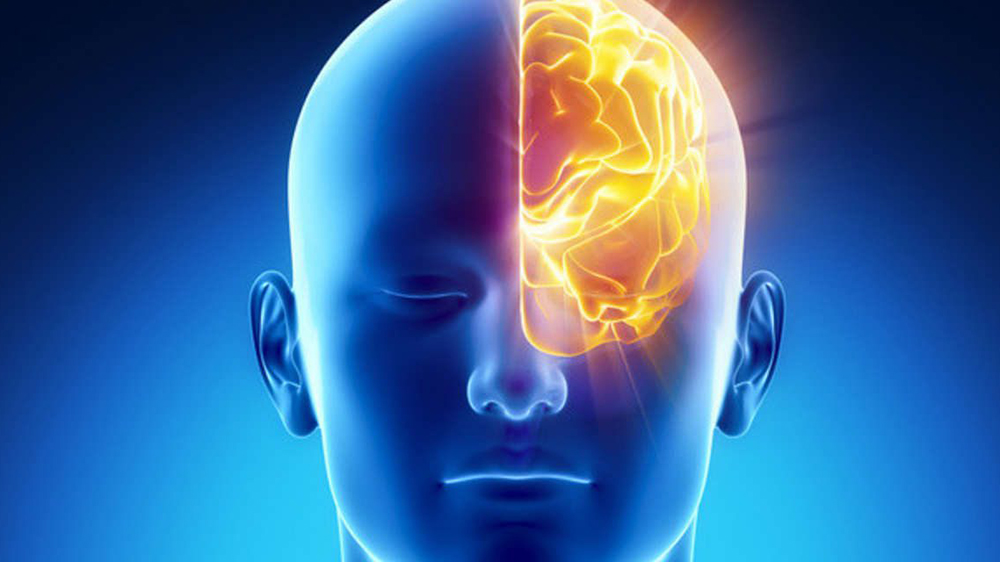
Among the many critical issues related to Alzheimer’s disease, one concerns the difficulty of diagnosing it in its early stages. Although research has not yet identified a viable therapeutic approach, diagnostically the situation may soon change with the development of a blood test that scientists say can Diagnose up to 94 percent of Alzheimer’s cases 20 years earlier That the symptoms of the disease occur. The researchers in question are from Washington University in St Louis and described the test in the journal Neurology.
The disease is characterized by the increase ofbeta-amyloid plaques in the brain, associated with the accumulation of tau protein tangles, and the test proposed by the U.S. researchers relies precisely on the measurement of beta-amyloid in the blood, which would correlate with that in the brain .
The idea is not new and is a refinement of a technique already presented two years ago; it uses mass spectrometry to measure beta-amyloid-or, more precisely, the ratio between two forms of the protein, called A-β 42 and A-β 40 – and associates its blood concentration with two fundamental risk factors for developing Alzheimer’s: advanced age and the presence of a genetic variant called APOE4.
In this way, the accuracy of the test outperforms that of previous blood tests.
The team recruited 158 adults over the age of 50; all but 10 were described as cognitively normal. Each participant underwent at least one blood test and one PET scan with amyloid tracers , which is the current gold standard, and each test was labeled as amyloid positive or amyloid negative depending on the results produced.
Among experts, there is a growing consensus that in order to manage or treat Alzheimer’s, it is important to intercept it as early as possible, before symptoms begin to appear and the brain is not too damaged.
More than for a cure, which is not currently available, the test could further research. Today, to conduct clinical trials, we check people with scans, which is time-consuming and expensive, whereas with a blood test we could easily examine a large number of subjects, which would help us find treatments more quickly, with a huge potential impact.
Source: Schindler SE, Bollinger JG, et al. High-precision plasma β-amyloid 42/40 predicts current and future brain amyloidosis. Neurology. 2019 Aug 1.


FEATURED SPECIALISTS

RELATED ARTICLES

Restless leg syndrome

Patients who suffer from it report a sensation of discomfort in one or both legs (with involvement of the arms as well in severe cases) with an unavoidable need to

Diet in chronic kidney disease

The purpose of the diet is to improve kidney function, preventing it from reaching a condition of severe "Insufficiency," while also preventing elements such as "waste" from the diet, which are not adequately filtered by the kidney, from entering the bloodstream.

Transient ischemic attacks

Transient ischemic attack, or transient ischemia, (TIA) is defined as an episode of neurological deficit caused by focal cerebral ischemia with complete recovery within 24 hours. On average, the duration

Art also positively influences health

At St. Joseph’s Hospital Di Milano, life and art come to light thanks to “Curarsi ad Arte,” an exhibition itinerary of care and culture now in its second edition. At

RELATED PATHOLOGIES

Migraine

Migraine is a primary headache that is manifested by recurrent attacks of moderate to severe headaches, varying in duration from 4 to 72 hours, interspersed with symptom-free periods. Sometimes migraine

Anorexia

Anorexia nervosa is an eating disorder that causes the sufferer to voluntarily deprive himself or herself of food or to consume extremely limited amounts of food that are not compatible

Chronic fatigue syndrome (CFS)

the fatigue syndrome or chronic fatigue (CFS), now also referred to by associating the acronymME/CFS (myalgicencephalomyelitis/chronic fatiguesyndrome), is a rather complex condition that manifests as a condition of intense fatigue

Meniere’s Syndrome

Meniere’s syndrome is a balance disorder characterized by recurrent and unpredictable “attacks” involving the onset of intense dizziness, associated with reduced hearing, whistling and buzzing. Each attack is heralded by

Major depression

Major depression (or “major depressive disorder,” as stated in the “Statistical Diagnostic Manual of Mental Disorders – DSM 5”), is a mood disorder that is characterized by the presence of

Restless leg syndrome

Restless legs syndrome is a chronic disorder characterized by the onset of a feeling of general leg discomfort, which occurs when the legs are kept still even for short periods

Syncope

The term syncope refers to an episode of fainting, that is, a sudden loss of senses, which can affect people of any age and can be induced by a variety

Parkinson’s disease

Parkinson’s disease is an aging-related neurodegenerative disorder of the central nervous system, affecting about 2.5% of people over 70 years of age, which is mainly characterized by resting tremor in

Head trauma

A head injury, also called “concussion” in medical terms, consists of the violent collision of the head against a hard surface or, conversely, of a blunt object against the cranial

Obsessive compulsive disorder

Obsessive compulsive disorder is a psychiatric disorder characterized by recurring thoughts, accompanied by completely irrational and unfounded fears and worries, that lead the sufferer to continuously repeat, in an obsessive

FEATURED SPECIALISTS

prenota il tuo viedeoconsulto in convenzione

Completa il form e sarai contatto dal personale medico specializzato

your advertising
exclusively ON
MY SPECIAL DOCTOR

complete the form and you will be contacted by one of our managers