



of

Abdominal air, bloating, flautulence, conditioning of quality of life

Aria-addominale-gonfiori-flautulenze-condizionamenti-della-qualità-di-vita

Excess air in theabdomen and bloating of the stomach and intestines can be a serious discomfort, as well as generate sitiuazioni of some embarrassment, in social, work and relationship life.
Bloated stomach,strained intestines, and an uncomfortable flatulence when they become frequent complaints end up affecting and sometimes hindering daily activities, causing worry, anxiety, and stress in sufferers.

Anxiety
and stress establish a vicious cycle of the “symptom-discomfort” type that is not conducive to solving the problem.
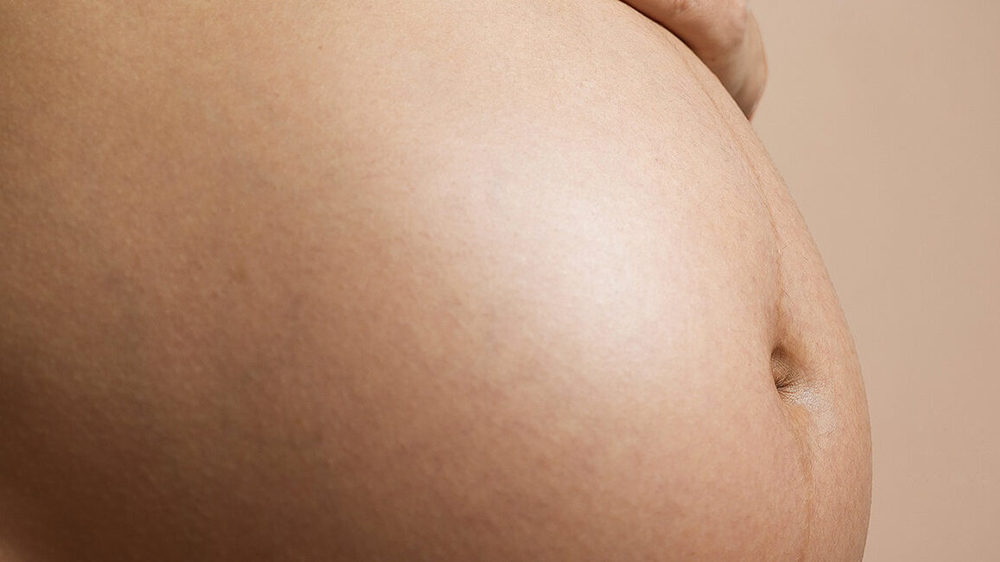
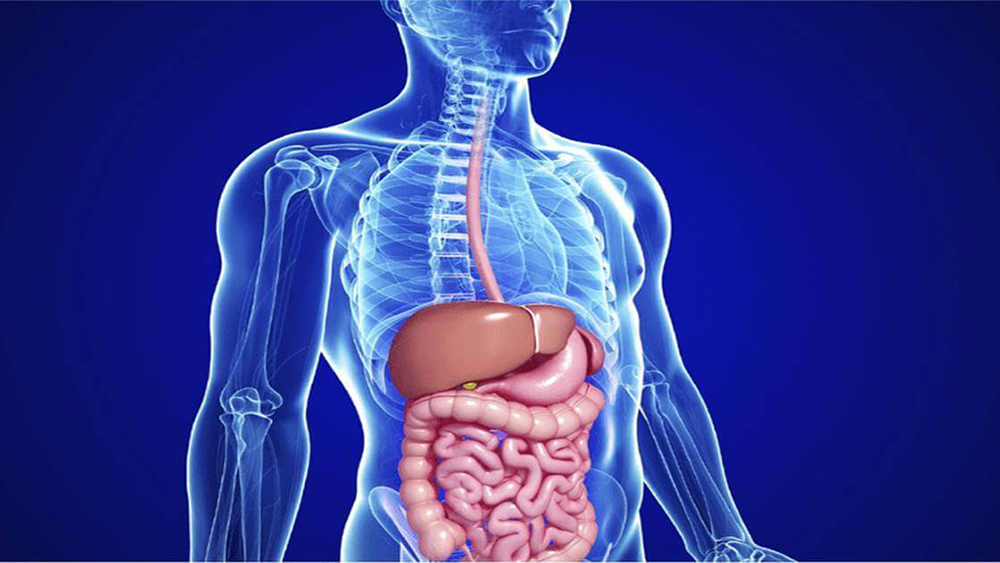
Bloating is a widespread disorder of the gastrointestinal tract caused by distention of the stomach or intestines, causing a feeling of fullness, although not necessarily near a meal.
The sudden onset of these disorders during the day can greatly affect people’s quality of life, creating discomfort and stress in their work environment, social relationships, and leisure time.

There are many questions to ask about the possible causes of bloating and excess air circulating in the abdomen: an unbalanced diet,
a food intolerance, depleted intestinal flora, and others.

It is in the colon that this symptomatology originates, especially the bloating:

  • An accumulation of gas due to chemical processing of foods that promote its formation.
  • A depleted microbiota, with insufficient numbers of lactobacilli and bifidobacteria, and thus unable to dispose of the various sugars in transit between the stomach and intestines can cause an accumulation of intestinal gas.
  • A difficulty in transit of intestinal gas which , if retained, causes intestinal pain and bloating.

In addition to the possible causes of swelling, other more specific aspects also have some relevance such as a habit in eating the meal in too quick a time, a habit of a diet based on foods that develop abdominal air, or a diet too high in fat and sugar, or even very slow digestion with dyspeptic disorders.
Factors such as these can cause occasional or more recurrent bloating, the root cause of which will need to be identified in order to change the condition and resort to a variety of preventive measures, such as taking probiotics, which are strongly recommended for recurrent bloating.

Flatulence:

A disorder caused by gas produced by bacteria inhabiting the colon as a result of food fermentation, giving rise to the physiological need to get rid of it several times during the day.
Most often there is a close link between bloating and flatulence, although the two disorders can occur in isolation without any connection.

However, one can limit or eliminate swelling by choosing not to:

  • take food slowly and chew thoroughly, avoiding talking during the meal so as not to introduce air into the esophagus and stomach.
  • Do not include carbonated beverages in your meal, which are particularly harmful to digestion and responsible for air formation.
  • Avoid consumption of alcohol and tobacco, which are harmful to the gastric mucosa.
  • Replace coffee with barley or herbal teas.
  • Do not chew sugary gum, which not only promotes intestinal fermentation but also causes functional gastric processes without food being introduced.
  • Avoid dairy products, not indicated if you intend to limit fermentation.
  • Avoid or infrequently consume foods such as different types of legumes (peas, lentils) or vegetables with a lot of fiber (broccoli, cabbage).
  • Prefer homemade foods cooked with fresh produce rather than ready-made meals with added additives.
  • Avoid sweet or fructose-rich foods.
  • Introduce fiber-containing foods such as vegetables and fruits into the diet, but dosing the amount so that fiber intake is gradual and not excessive.
  • Do not expose yourself to a stressful standard of living that can harm digestion and cause bloating.

You can limit or eliminate swelling by choosing to:

  • take protein rather than carbohydrates in the diet against bloating, and also whole grains, nuts.
  • Olive oil instead of butter.
  • Natural water rather than alcohol.
  • Doing physical activity consistently.
  • Avoid tight clothing that can promote bloating and compress abdominal air.
  • Practice relaxation techniques to foster a calm attitude and limit stress.

FEATURED SPECIALISTS

  • Profile picture of Dott. Franco Cicerchia
    active 5 years, 6 months ago

    Ophthalmologists, Acupuncturists, Basic Doctors

    • Via Alcide de Gasperi 39 - Palestrina
    phone
  • Profile picture of Dott. Giovanni Adamo
    active 5 years, 6 months ago

    Angiologists, Basic Doctors

    • Provincia di Ragusa - Ragusa
    phone
  • Profile picture of Dott. Domenico Napolitano
    active 5 years, 6 months ago

    Gynecologists, Basic Doctors, Aesthetic Doctors

    • Viale Orazio Flacco 5 - Bari
    phone
  • Profile picture of Dr. Squillante Gianni Erminio
    active 5 years, 6 months ago

    Acupuncturists, Homeopathic Medicine, Basic Doctors

    • Via Monterotondo 14 - Roma
    phone
  • Profile picture of Dr. Giandomenico Mascheroni
    active 5 years, 6 months ago

    Endocrinologists, Basic Doctors, Certifying Doctor

    • Via Petrarca 53 - Carnago
    phone

RELATED ARTICLES

Can glaucoma be prevented?

The most significant prevention of glaucoma lies in having an eye examination at the onset of the first complaints or specific symptoms of eye disease.

What to do when you have a muscle cramp?

A cramp is a sudden, brief, unintentional (involuntary) and usually painful contraction of a muscle or group of muscles. Muscle cramps can be a symptom of nervous system malfunction. Causes

Acne: what it is and how to fight it

The term acne comes from the Greek word acmé or acné, meaning foam or summit. It is one of the most common skin diseases in the juvenile population; in fact,

What is colitis?

Colitis is aninflammation of the colon, either acute or chronic, which falls into the broad group of digestive diseases. In medicine, “letic” colitis (without qualification) is used in very different

Hypermetropia: what it is and how to treat it

Hypermetropia indicates a visual defect, which causes blurred vision of near objects and sharp vision of distant objects. It is possible that the patient with hypermetropia may not realize it

Cytomegalovirus infections in children

Because CMV can be detected in saliva, urine and other body fluids, the infection can be present in children without any apparent symptoms, being able to be transmitted unimpeded within the home and school communities.

Herniated disc: how to treat it

Herniated disc is also known as “herniated or prolapsed disc.” This affliction consists of a ruptured vertebral disc that, upon opening, causes disc material to leak out and compress the

Genital herpes

Genital herpes is a sexually transmitted disease caused by human herpes virus 1 or 2. Causes ulcerative genital lesions. Diagnosis is clinical with laboratory confirmation by culture tests, PCR (polymerase

RELATED PATHOLOGIES

Ischemic stroke

According to the official definition of the World Health Organization (WHO), stroke corresponds to a “sudden onset of signs and/or symptoms referable to local and/or global deficits in brain function,

Trigeminal neuralgia

The trigeminal nerve is the fifth of the twelve pairs of cranial nerves in the head; it is the nerve responsible for providing sensation to the face. One trigeminal nerve

Fainting

Fainting is a simple term in common use that is used to describe a loss of consciousness that can occur at any time in life for countless reasons, more or

Syncope

The term syncope refers to an episode of fainting, that is, a sudden loss of senses, which can affect people of any age and can be induced by a variety

Panic attack

What is meant by a panic attack? It is understood as the sudden manifestation of a strong fear accompanied by an equally intense physical symptomatology despite the absence of an

Crohn’s disease

Crohn’s disease is a chronic inflammatory bowel disease. It causes inflammation of the digestive tract and, in different people, may involve different areas of the digestive tract. The inflammation caused

Major depression

Major depression (or “major depressive disorder,” as stated in the “Statistical Diagnostic Manual of Mental Disorders – DSM 5”), is a mood disorder that is characterized by the presence of

Pancreatitis

Pancreatitis is inflammation in the pancreas, the long, flat gland located transversely at the top and back of the abdominal cavity. The pancreas produces enzymes that aid digestion and hormones

Constipation

IConstipation is a condition of the digestive system in which an individual produces stool that is difficult to expel. In most cases, this occurs because the colon has absorbed too

Brain tumors

Brain tumors are rare cancers that can be primary, that is, originate in the brain, or form as secondary metastases of neoplasms in other organs, such as lung or breast

FEATURED SPECIALISTS

  • Profile picture of Dott. Massimo Carotenuto
    active 5 years, 6 months ago

    General Surgeons, Basic Doctors

    • Via Lepanto 95 - Pompei
    phone
  • Profile picture of Dott.ssa Ilaria Berto
    active 5 years, 6 months ago

    Basic Doctors, Acupuncturists, Aesthetic Doctors

    • Via Antonio Corradini 1 - Este
    phone
  • Profile picture of Dott.ssa Erminia Maria Ferrari
    active 5 years, 6 months ago

    Homeopathic Medicine, Basic Doctors, Pediatricians

    • Via San Carlo 3 - Castel Rozzone
    phone
  • Profile picture of Dott.ssa Francesca Vittorelli
    active 5 years, 6 months ago

    Therapist, Acupuncturists, Basic Doctors

    • Corso Andrea Palladio 134 - Vicenza
    phone
  • Profile picture of Dr. Francesca Marceddu
    active 5 years, 6 months ago

    Anesthesiologists, Basic Doctors

    • Via del Risorgimento 49 - Pirri
    phone

prenota il tuo viedeoconsulto in convenzione

Completa il form e sarai contatto dal personale medico specializzato

your advertising
exclusively ON
MY SPECIAL DOCTOR

complete the form and you will be contacted by one of our managers