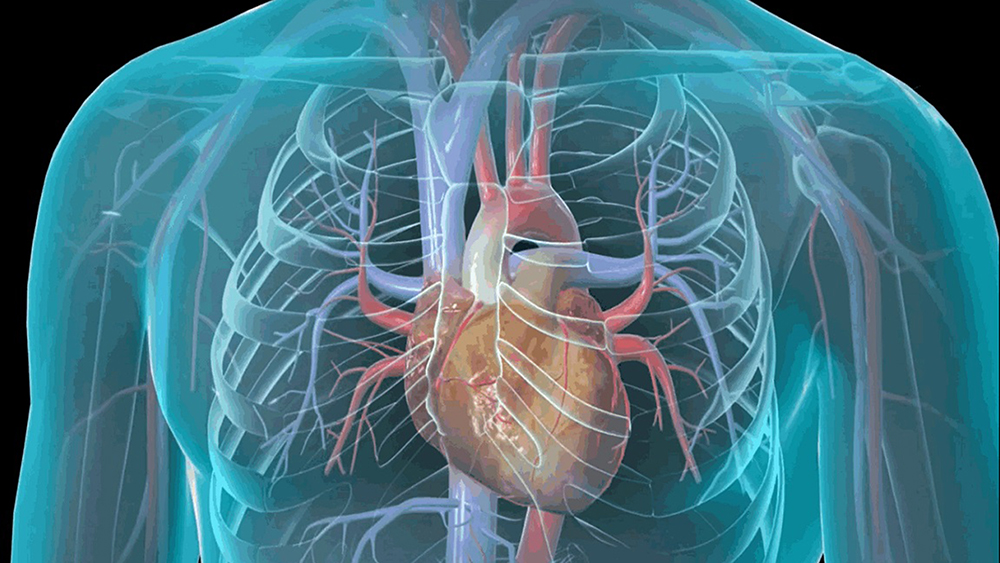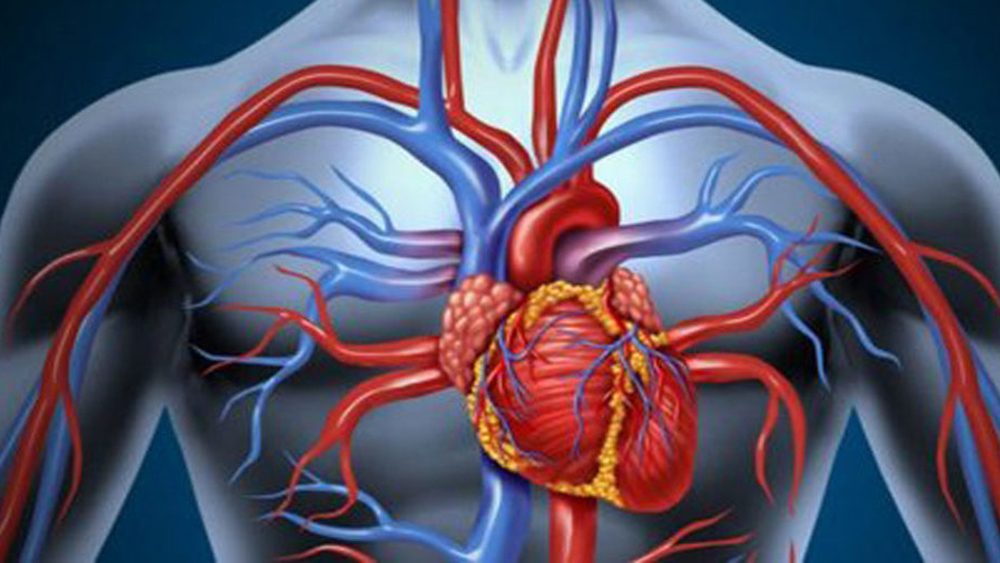




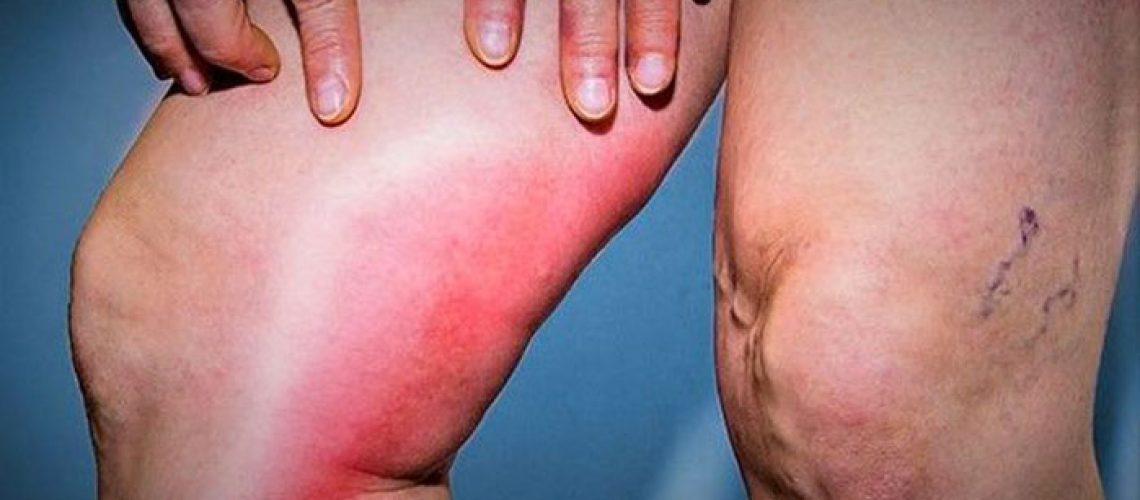
When we talk about venous thrombosis, in most cases we mean venous thrombosis of the leg, which is the most common form of thrombosis. In principle, venous thrombosis occurs when a thrombus forms within a vein. This thrombus causes a narrowing or complete blockage of the vessel, upstream of which blood stagnation forms, hindering its return to the heart. Thrombi can form in both arteries and veins. In most cases, however, thrombosis affects the veins of the leg, with a distinction between deep and superficial venous thrombosis of the leg. Superficial venous thrombosis of the leg (TVS) is also known as thrombophlebitis, while deep venous thrombosis (DVT) is also referred to as phlebo-thrombosis.



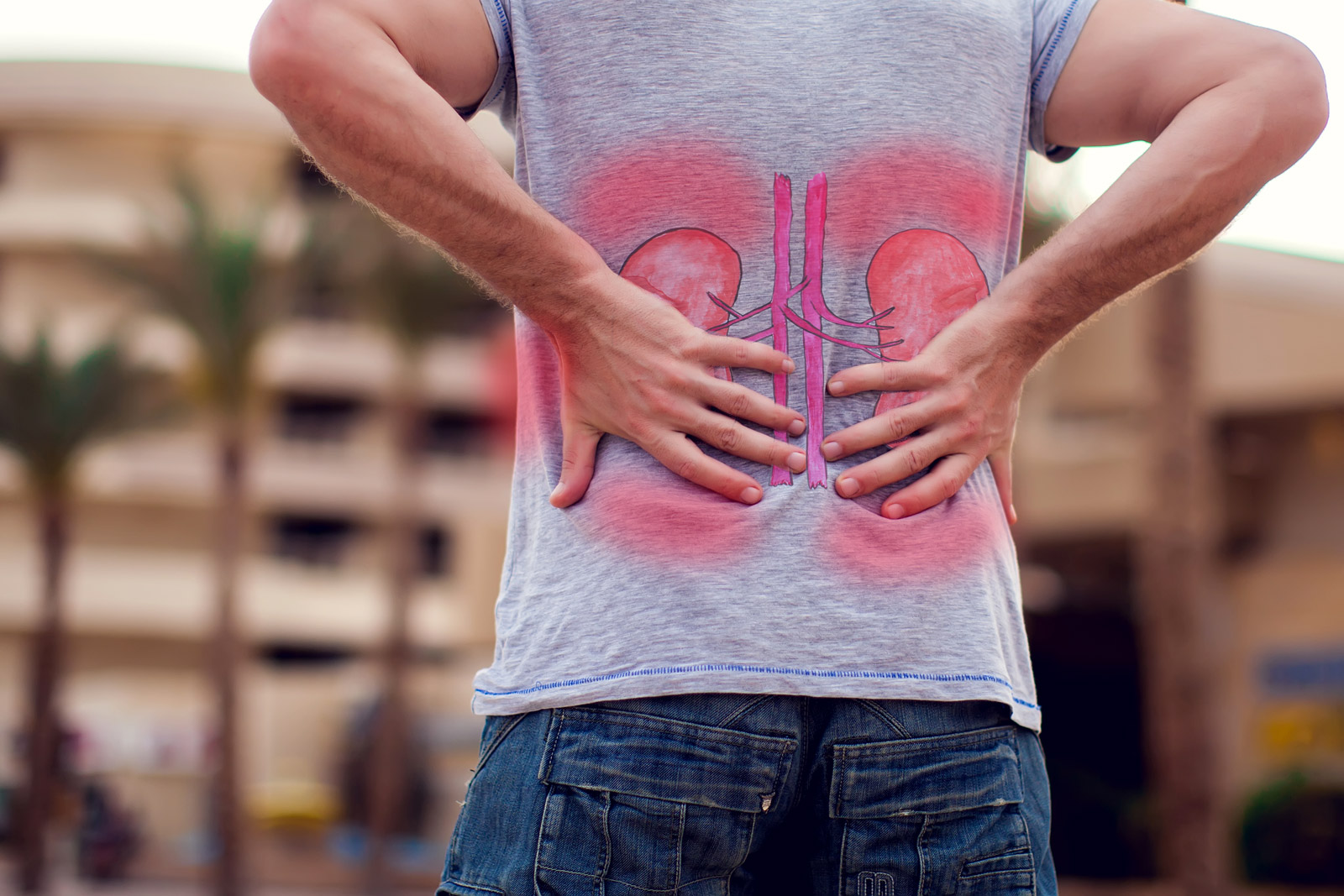
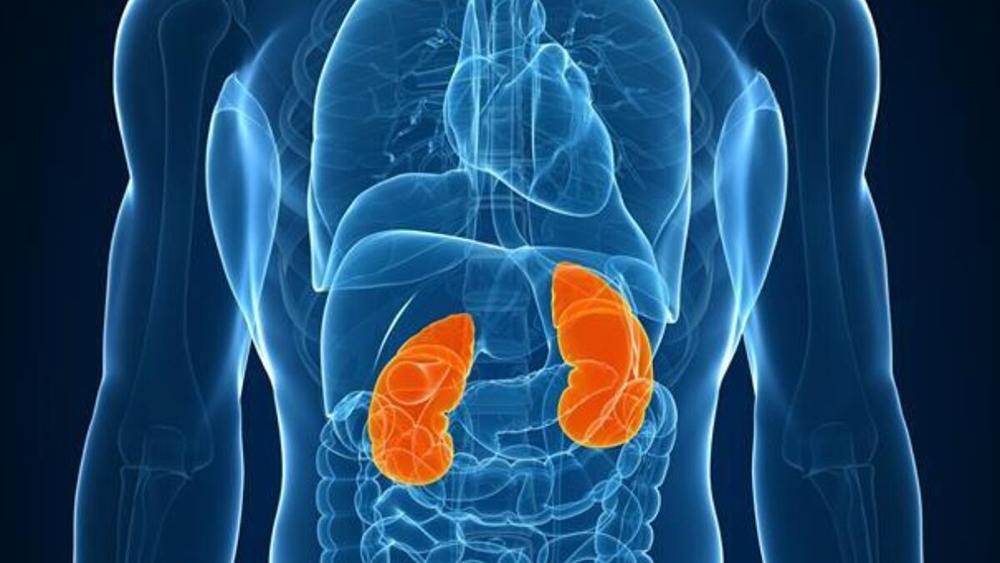
Renal colic: how does it manifest?
The
renal colic is a symptom related to the migration of a stone through the ureter.
It is possible that in this way the urothelial wall becomes irritated or are