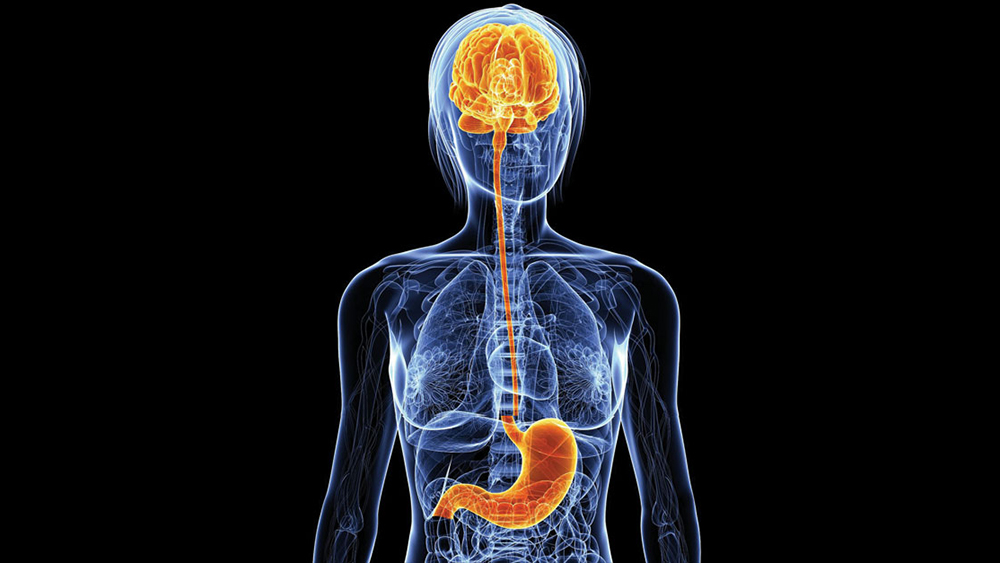



of

4. The extraordinariness of the human body: the blood shift

4-4

When Enzo Maiorca, the father of freediving, who mastered its scenes in the 1970s together with J. Mayol, announced that he wanted to reach the depth of -50m, there was a French doctor, Cabarrou, who opposed such an attempt, justifying it on the grounds that, at that depth, the champion’s rib cage would implode.

He had simulated, in fact, the immersion of an average-sized man by getting a kind of wooden fruit box underwater, resembling, precisely, a human chest. At that altitude such an experimental contraption crumpled in on itself, hence the scholar’s concerns. The Italian champion, however, contravened medical orders by diving to the altitude he desired and emerged unharmed.

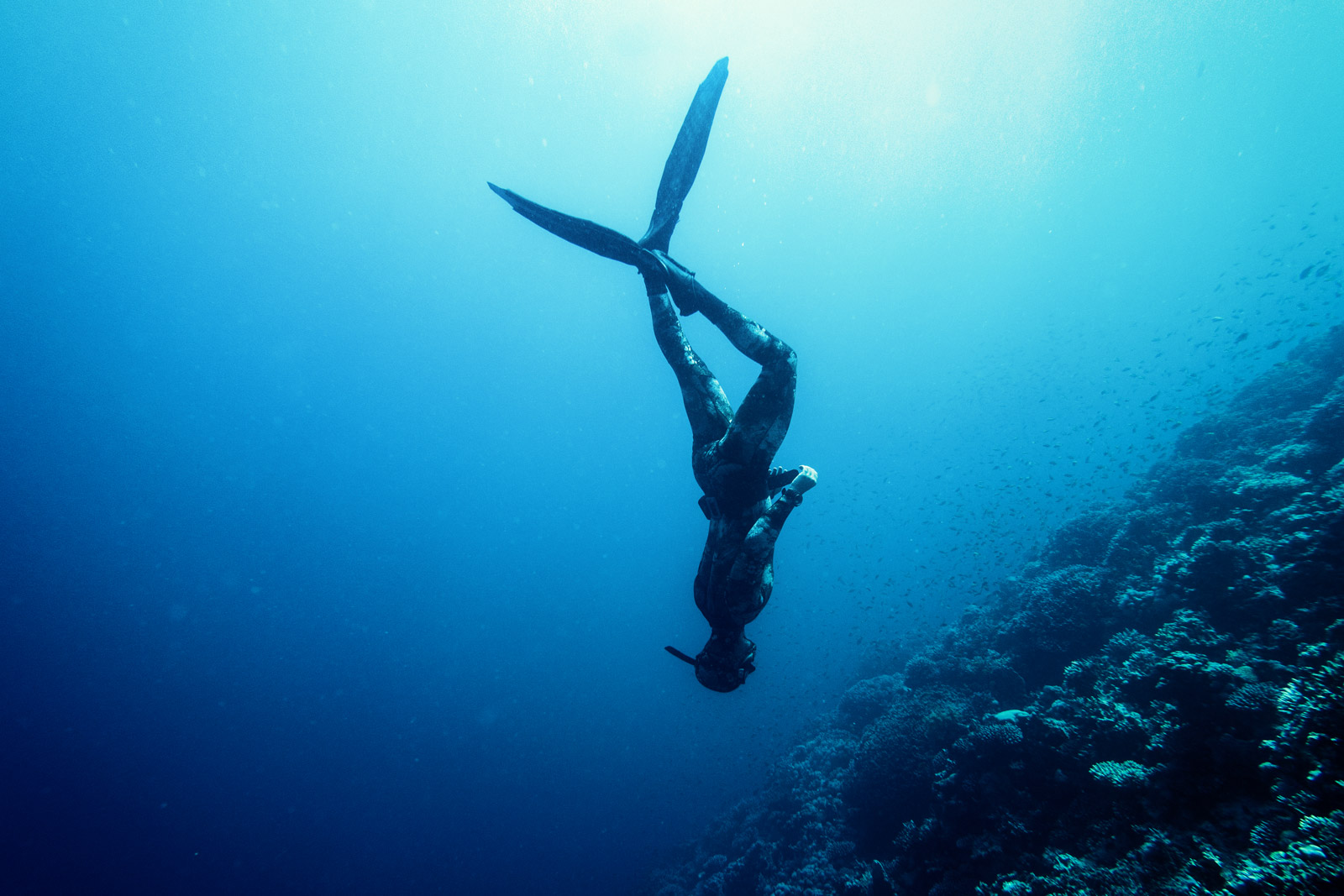
Thus began studies of the physiological transformations that occur in a human body when it approaches depth, and an extraordinary phenomenon was discovered to occur, which was given the name Blood Shift or pulmonary hemocompensation or pulmonary erection. It has been observed that this phenomenon is activated as soon as one begins to move in the water, together with the diving reflex, even in very few meters or centimeters even, of course it becomes of greater magnitude at deeper elevations. As we descend to the depths, the aerial parts of our body, by Boyle’s law, decrease in volume: at -40 meters the lung volume is 1/5 of what it is at the surface; at -100 meters it is 1/11 of the volume it is at sea level.

The space left empty inside the lungs, by air that, compressed, has shrunk in volume, if not occupied by anything would allow the rib cage to fold in on itself. And here intervenes not only the perfection of our bodies, designed to survive always and everywhere and yearning for such survival even in an extreme situation, but the genetic legacy that belongs to us anyway, of life that was born in water.

The rib cage begins to fill with blood, drawn from the peripheral areas. This serves two functions:
(a) blood is a fluid and, as such, is incompressible; therefore, it protects the chest from implosion;
(b) flowing out of the peripheral areas, legs and arms, will begin 1) to be sprayed and to be “defended” only the vital organs and furthermore, 2) the body, sensing that it is in an extreme and dangerous situation, tries, in this way, to conserve oxygen as much as possible, promoting the athlete’s apneas.

Such blood, moreover, is very thick and lacks the watery part, as a hormone is activated in the diver that induces a frequent urge to urinate. When performances become demanding, and we are talking about dives over 50 meters, the blood shift begins to take on important characteristics, so it is essential to observe serious and adequate recovery times.

As it resurfaces, in fact, the blood returns to the peripheral areas, but being denser, because it is deprived of the water it has expelled with peeing, it struggles and is slower to do so and must be given time to “reposition” itself in the right way. It is also advisable to drink a lot after apnea to replenish lost fluids, even where the need is not felt. There is also to be said that professional athletes use such breathing techniques (glossopharyngeal or carp breathing) that they store a huge amount of air, during the last breath before a performance, much larger than during a normal inhalation.

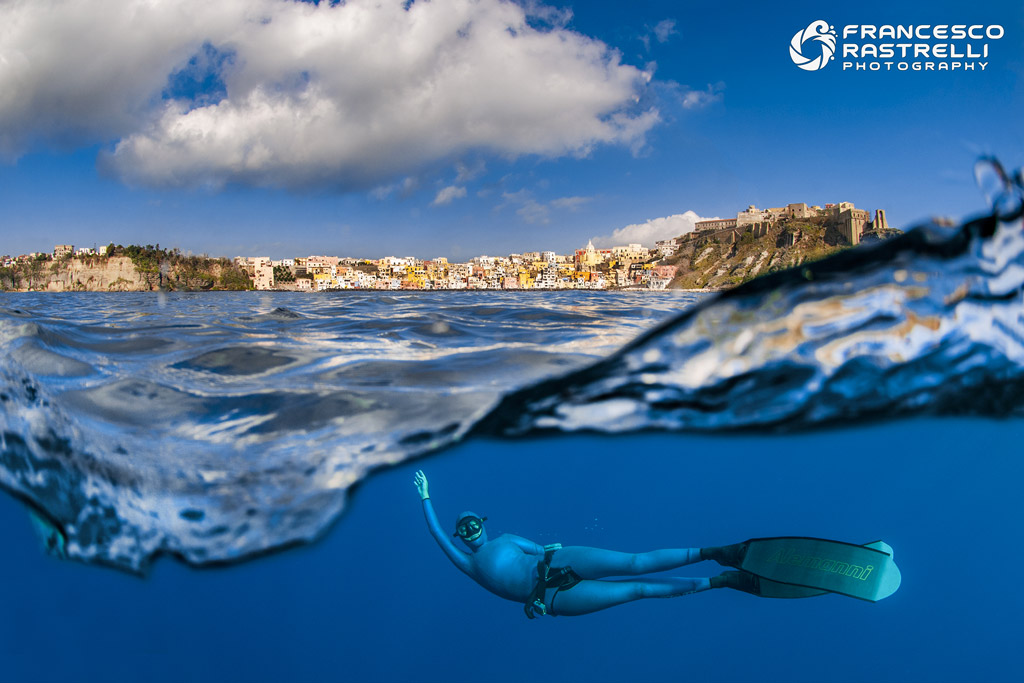
Such methods involve that, in ascent, the diver slows down a bit, since the lung volume, which is approaching its original size, no longer immediately finds all of its space, the space it had at the beginning, before the deep dive, since, part of it, may still be occupied by the blood that, slowly, flows out to the periphery of our body.

Sometimes it is necessary for such divers to “debouch” even a little before surfacing, otherwise, upon exiting their dive, they may detect some blood traces in their saliva, due to the rupture of capillaries present in the lungs, in which there is still a lot of blood and insufficient space to contain it along with the air, which regains an expansion of volume equal to that which characterized it at the start.

by Mariafelicia Carraturo
www.feliciacarraturo.it

FEATURED SPECIALISTS

  • Profile picture of Dott.ssa Cinzia Maria Zurra
    active 5 years, 6 months ago

    Basic Doctors, Aesthetic Doctors, Nutritionists

    • Viale Rimembranze 5 - Triuggio
    phone
  • Profile picture of Dott. Cristiano Crisafulli
    active 5 years, 6 months ago

    Diabetologist, Basic Doctors, Internist

    • Via Vittorio Emanuele II 181 - Acireale
    phone
  • Profile picture of Dr. Tiziana Volpe
    active 5 years, 6 months ago

    Gynecologists, Basic Doctors, Professional Counselor

    • Piazzale Jonio 50 - Roma
    phone
  • Profile picture of Dr. Giandomenico Mascheroni
    active 5 years, 6 months ago

    Endocrinologists, Basic Doctors, Certifying Doctor

    • Via Petrarca 53 - Carnago
    phone
  • Profile picture of Dr. Domenico D'Angelo
    active 5 years, 6 months ago

    Otolaryngologists, Basic Doctors, Competent Doctor

    • Via Pola 5 - San Prisco
    phone

RELATED ARTICLES

The support of the foot during running

Running is one of the most popular physical activities for several reasons. Primarily because it does not require any kind of special or even expensive equipment, the only thing you

7. Apnea specialty.

In addition to static apnea, which we discussed in Lesson #7, we have DYNAMIC apnea and DEEP apnea.

3. Heart and Lungs

Knowing these two vital organs in broad strokes helps us understand how the oxygen in the air we breathe irrigates our bodies and is transformed into energy for our muscles.

10. Plants in space.

The International Space Station (ISS) has operated continuously for more than twenty years in Earth orbit, hosting teams of astronauts and scientists on research missions lasting up to several months; among the purposes of this research is the development of technologies that can keep a crew alive on missions beyond Earth orbit.

RELATED PATHOLOGIES

Measles

Measles is a viral infection found everywhere in the world; it is a disease that affects only humans, there are no animal reservoirs, no asymptomatic carrier status. WHO estimated there

Hip fracture

Hip fracture is a serious injury with life-threatening complications. Most hip fractures occur at the femur, the long bone that extends from the pelvis to the knee. The part most

Deep vein thrombosis (DVT)

Deep vein thrombosis (DVT) occurs when a clot (thrombus) forms within a vein and completely or partially occludes it, blocking or restricting blood flow in that vessel. In principle, any

Heart failure

Heart failure corresponds to a condition in which the heart is unable to receive and/or pump blood with sufficient force to the lungs and the rest of the body, due

Kaposi’s disease

Kaposi’s disease or syndrome is an infrequent multifocal malignant neoplastic form involving mainly the skin, viscera, and mucous membranes. Epidemic Kaposi’s disease (AIDS-related). Iatrogenic Kaposi’s disease: immunosuppressive drugs are responsible.

Ventricular hypertrophy

Ventricular hypertrophy is a condition characterized by thickening and a loss of elasticity of the walls of the left ventricle (i.e., the left lower chamber of the heart), which thus

Astigmatism

Astigmatism is an imperfection in the curvature of the cornea-the transparent convex membrane that forms the anterior portion of the eyeball’s fibrous tonaca-or in the shape of the lens. Normally,

Hepatitis A

Hepatitis A is the most common acute inflammation of the liver worldwide and is caused by the virus of the same name, which accidentally entered the body through contaminated food

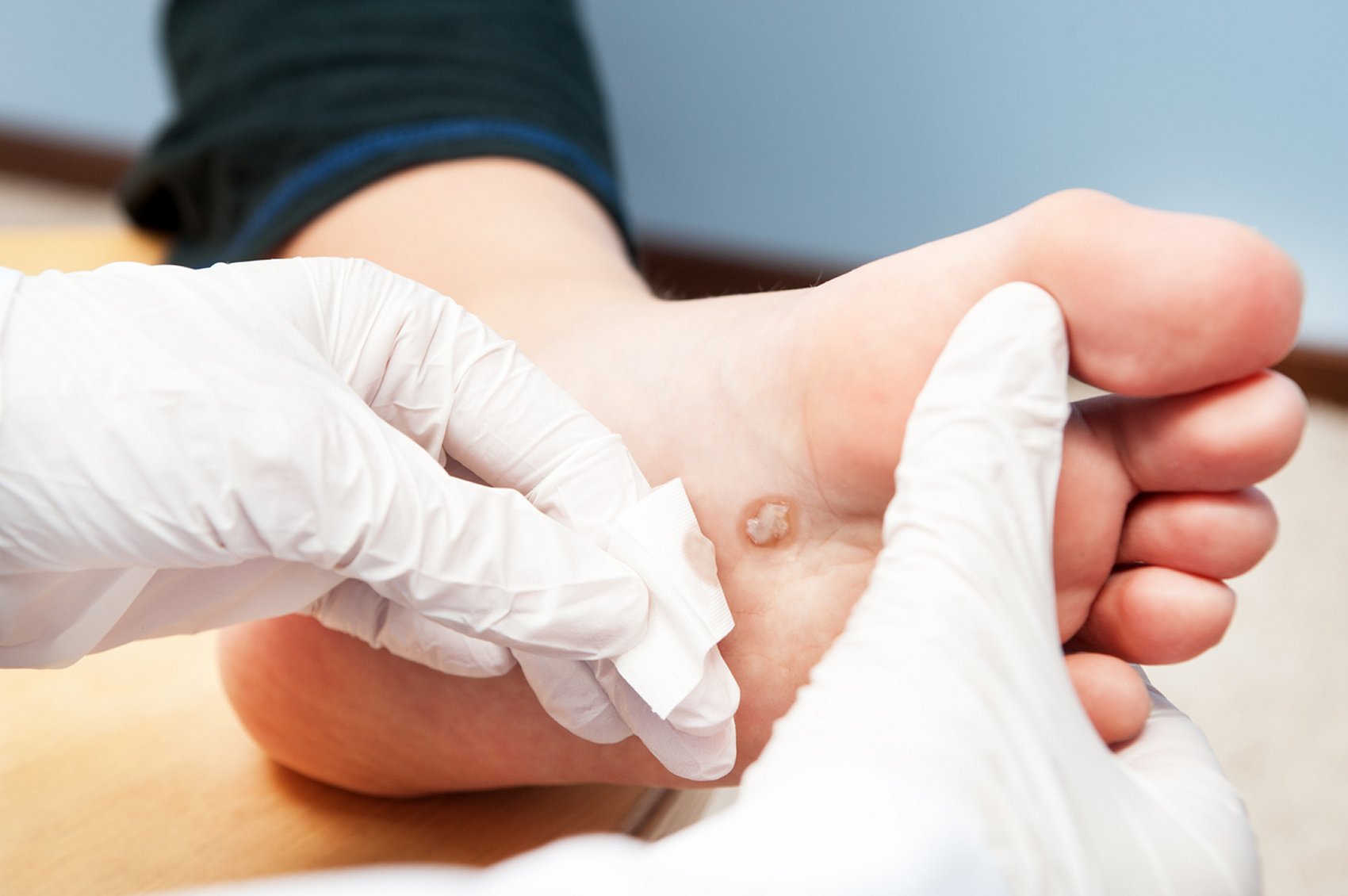
Warts

Warts are benign formations that can appear on the skin anywhere on the body as a result of infection by one of the viruses of the human papilloma family or

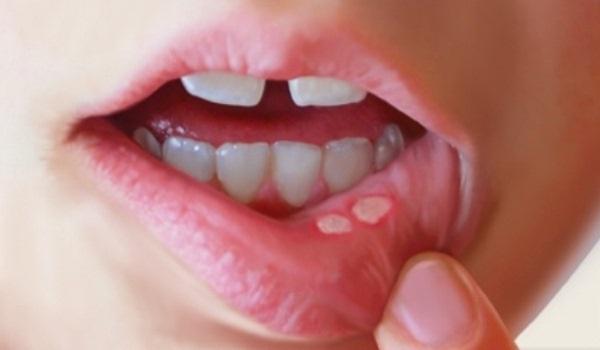
Stomatomucositis

Stomatomucositis is a disease of the oral mucosa, also called stomatitis. It is an inflammation of the mouth and affects the thin inner lining of the oral cavity. There are

FEATURED SPECIALISTS

  • Profile picture of Dr. Vittorio Margutti
    active 5 years, 6 months ago

    Orthopedists, Basic Doctors

    • Via Marco Simone Poli 1 - Guidonia Montecelio
    phone
  • Profile picture of Dr. Domenico D'Angelo
    active 5 years, 6 months ago

    Otolaryngologists, Basic Doctors, Competent Doctor

    • Via Pola 5 - San Prisco
    phone
  • Profile picture of Dott.ssa Izabella Sylwia Bartosiewicz
    active 5 years, 6 months ago

    Basic Doctors, Rheumatologists

    phone
  • Profile picture of Dr. Roberto Zaffaroni
    active 5 years, 6 months ago

    Basic Doctors, Therapist

    • Via San Francesco D' Assisi 5 - Varese
    phone
  • Profile picture of Dott.ssa Anna Puccio
    active 5 years, 6 months ago

    Gynecologists, Basic Doctors

    • Via Vincenzo Ponsati 69 - Volvera
    phone

prenota il tuo viedeoconsulto in convenzione

Completa il form e sarai contatto dal personale medico specializzato

your advertising
exclusively ON
MY SPECIAL DOCTOR

complete the form and you will be contacted by one of our managers