


of

Spinal canal stenosis

stenosi-canale-vertebrale-1

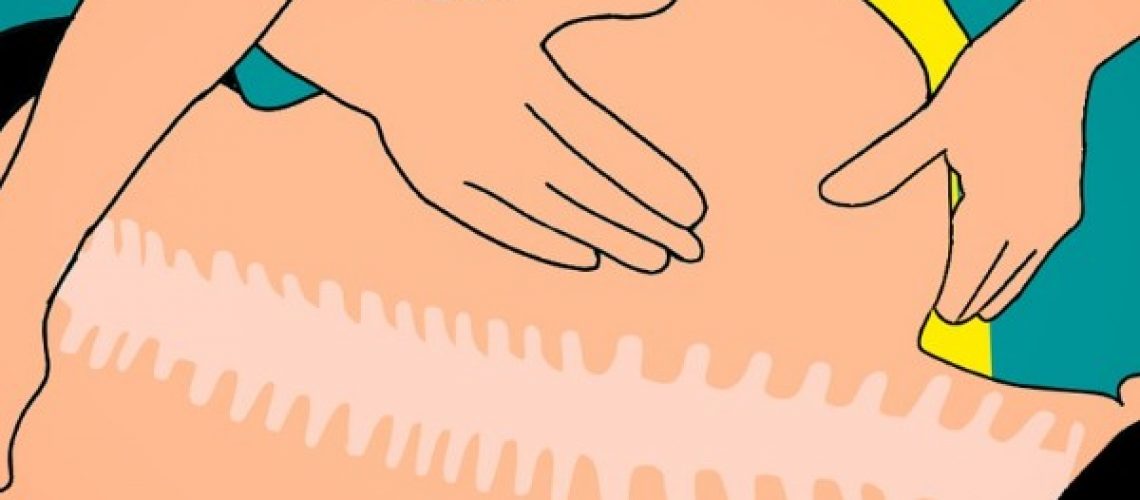
Spinal canal stenosis consists of the narrowing of a section of the canal present along the entire spine (formed by the aligned succession of small holes in the center of each vertebra), which houses the spinal cord and from which the spinal nerves exit laterally.

The areas of the spinal canal most affected by stenosis are the lumbar and cervical vertebrae, due to the greater stresses imposed on the vertebrae and intervertebral discs of these sections of the spine in daily life and, therefore, to the more frequent development of arthrosis or other degenerative phenomena.

The main critical issue related to spinal canal stenosis concerns the resulting compression of the spinal cord and/or spinal nerve roots, resulting in the development of very painful inflammatory phenomena and the possible establishment of permanent and disabling neurological damage.

FEATURED SPECIALISTS

  • Profile picture of Dott.ssa Emanuela Costantino
    active 5 years, 10 months ago

    Neurologists

    • Via Gallinara 2/B - Cagliari
    phone
  • Profile picture of Dott.ssa Ilaria Berto
    active 5 years, 10 months ago

    Basic Doctors, Acupuncturists, Aesthetic Doctors

    • Via Antonio Corradini 1 - Este
    phone
  • Profile picture of Dott.ssa Maria Grazia Caruana
    active 5 years, 10 months ago

    Aesthetic Doctors, Basic Doctors

    • Viale Prassilla 41 - Roma
    phone
  • Profile picture of Dott.ssa Floriana Di Martino
    active 5 years, 10 months ago

    Aesthetic Doctors, Basic Doctors

    • Piazza della Rinascita 13 - Pescara
    phone
  • Profile picture of Dr. Roberto Zaffaroni
    active 5 years, 10 months ago

    Basic Doctors, Therapist

    • Via San Francesco D' Assisi 5 - Varese
    phone

RELATED ARTICLES

Neurodevelopmental disorders and autism

As we know, neurodevelopmental disorders are increasing dramatically, and we find ourselves every day, both as professionals in the field and as people, considering all the clinical and human implications.

Syncope: causes and treatment

Syncope, or fainting, is defined as a sudden failure of blood flow to the brain that directly results in loss of consciousness. Syncope is often associated with tachycardia, neurological disorders,

Cognitive skills

Cognitive skills can be improved with experience through learning, processing, planning and adaptation. An individual’s degree of cognitive fitness enables him or her to cope with life’s challenges, make decisions,

Urticaria in the child

A typical sign of urticaria in children is the papules that appear on the skin somewhat in relief and may be more or less reddened.

RELATED PATHOLOGIES

Schizophrenia

Schizophrenia is a severe and disabling chronic psychiatric illness that mainly arises in late adolescence or early adulthood, resulting in an altered perception of reality and consequent improper and unpredictable

Ischemic stroke

According to the official definition of the World Health Organization (WHO), stroke corresponds to a “sudden onset of signs and/or symptoms referable to local and/or global deficits in brain function,

Mild cognitive decline

Mild cognitive impairment (MDI) is a form of decline in intellectual performance and ability to store and organize activities intermediate between the physiological decline in mental performance and responsiveness associated

Anorexia

Anorexia nervosa is an eating disorder that causes the sufferer to voluntarily deprive himself or herself of food or to consume extremely limited amounts of food that are not compatible

Deep brain stimulation

The deep brain stimulation (Deep Brain Stimulation, DBS) is a neurosurgical method involving the implantation in the brain of electrodes which, appropriately positioned and activated by a pulse generator inserted

Trigeminal neuralgia

The trigeminal nerve is the fifth of the twelve pairs of cranial nerves in the head; it is the nerve responsible for providing sensation to the face. One trigeminal nerve

Parkinson’s disease

Parkinson’s disease is an aging-related neurodegenerative disorder of the central nervous system, affecting about 2.5% of people over 70 years of age, which is mainly characterized by resting tremor in

Panic attack

What is meant by a panic attack? It is understood as the sudden manifestation of a strong fear accompanied by an equally intense physical symptomatology despite the absence of an

Glaucoma

Glaucoma is a serious eye disease that can cause blindness, mainly due to increased pressure inside the eye that damages the optic nerve. The disease can occur at any age,

Borderline personality disorder

Borderline personality disorder is a psychiatric disorder characterized by a fluctuating perception of one’s value and identity, with sudden swings from a very positive and idealized view of oneself to

FEATURED SPECIALISTS

  • Profile picture of Dott. Domenico Napolitano
    active 5 years, 10 months ago

    Gynecologists, Basic Doctors, Aesthetic Doctors

    • Viale Orazio Flacco 5 - Bari
    phone
  • Profile picture of Dott.ssa Ilaria Berto
    active 5 years, 10 months ago

    Basic Doctors, Acupuncturists, Aesthetic Doctors

    • Via Antonio Corradini 1 - Este
    phone
  • Profile picture of Dott. Franco Cicerchia
    active 5 years, 10 months ago

    Ophthalmologists, Acupuncturists, Basic Doctors

    • Via Alcide de Gasperi 39 - Palestrina
    phone
  • Profile picture of Dr. Domenico D'Angelo
    active 5 years, 10 months ago

    Otolaryngologists, Basic Doctors, Competent Doctor

    • Via Pola 5 - San Prisco
    phone
  • Profile picture of Dott.ssa Izabella Sylwia Bartosiewicz
    active 5 years, 10 months ago

    Basic Doctors, Rheumatologists

    phone

prenota il tuo viedeoconsulto in convenzione

Completa il form e sarai contatto dal personale medico specializzato

your advertising
exclusively ON
MY SPECIAL DOCTOR

complete the form and you will be contacted by one of our managers