


of

Diabetes and lifestyles

Diabetes is a metabolic disease related to the body’s inability to produce or properly use insulin. In the first case, it is called type 1 diabetes (rarer), and in the second case, it is called type 2 diabetes (more common in adults). The video explains why the two forms occur and why a healthy lifestyle is important to prevent and slow their progression.

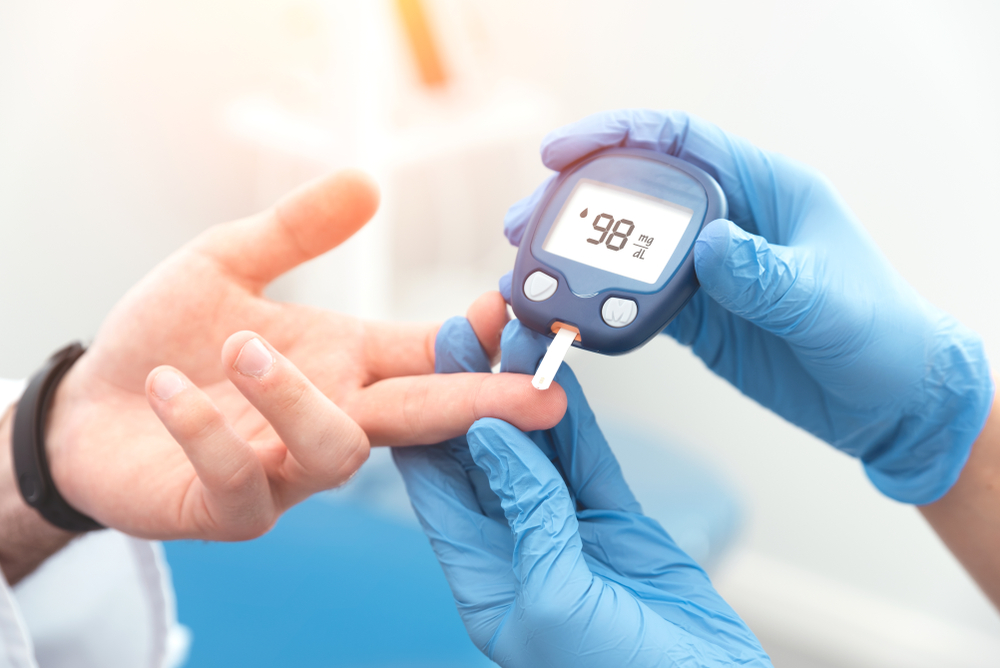
“Diabetes” refers to a group of conditions characterized by high blood glucose levels, commonly known as blood sugar. Glucose comes from the digestion of carbohydrates found in food and is transported by the bloodstream to various tissues in the body. However, glucose cannot pass through the cell membrane and enter the cells on its own; it needs the help of a hormone produced by the pancreas called insulin.

When insulin binds to its receptor on target cells, it triggers a signaling cascade that exposes glucose transporters on the cell membrane, creating openings that allow glucose to enter the cells. In most tissues, such as muscles, glucose is used as an energy source, while in the liver and adipose tissue, it is also stored for later use, in the form of glycogen and fats.

When the body is in a fasting state, the liver produces and secretes glucose into the bloodstream, while adipose tissue releases free fatty acids and sends them to the liver, where they are converted into additional metabolic energy. Diabetes occurs when there is insufficient insulin or when its action is compromised. Without insulin, glucose cannot enter the cells; it remains in the blood, causing hyperglycemia.

There are two main types of diabetes. Type 1 occurs when the pancreas does not produce enough insulin; type 2 occurs when the body’s cells do not respond well to insulin because they are “insulin-resistant.” Both types are caused by a combination of genetic and environmental factors, but genetics plays a dominant role in type 1, while lifestyle is a predominant risk factor in type 2.

For this reason, type 1 diabetes usually develops suddenly in childhood, while type 2 progresses gradually during adulthood, passing through the so-called pre-diabetic state, which is defined as having borderline blood sugar levels: higher than normal but lower than typical for diabetes. Pre-diabetes is very common and, although it does not always develop into full-blown diabetes, over time it can cause similar damage to the body. An unhealthy lifestyle is the trigger for pre-diabetes and the main driver of its progression to type 2 diabetes. Key factors include obesity and physical inactivity.

There are at least two ways in which obesity can lead to insulin resistance and hyperglycemia.

First, in obesity, fat cells are forced to process more nutrients than they can handle and become stressed. As a result, they begin to release inflammatory mediators known as cytokines. Cytokines interfere with the insulin receptor signaling cascade, blocking the action of insulin and making the cells less responsive to it.

Second, excess adipose tissue releases and sends excessive amounts of free fatty acids to the liver – an event that normally only occurs during fasting. This causes the liver to produce and release more glucose into the blood. Hyperglycemia stimulates further insulin secretion. Constantly high insulin levels desensitize the tissues, causing insulin resistance.

Abdominal fat seems to produce more fatty acids and cytokines, and thus has a more severe effect on blood sugar levels than subcutaneous or peripheral fat. For this reason, an excessive waist circumference is a more significant risk factor than body mass index (BMI).

A sedentary lifestyle, in addition to indirectly causing weight gain, directly impacts insulin resistance. This happens because physical activity is necessary to maintain “healthy” blood sugar levels. Physical activity increases the energy demand of muscles, which consume glucose from the blood and later glucose stored in the liver and adipose tissue.

A high energy expenditure helps normalize blood sugar spikes that follow meals more quickly. Additionally, high energy demand promotes a better cellular response to insulin, increasing insulin sensitivity. Studies have shown that physical inactivity, even for a short period, results in significantly higher blood sugar spikes after meals, which can lead to pre-diabetic changes in healthy individuals or accelerate the transition from pre-diabetes to full-blown diabetes.

It is important to note that this does not only occur in overweight patients, but also in individuals with a seemingly “healthy” weight. This likely happens because inactivity reduces muscle mass and replaces it with adipose tissue, which has serious effects on blood sugar levels even if overall weight remains within normal limits.

The key concept is that, to prevent diabetes, weight control must be combined with physical activity or exercise.

Source: Alila Medical Media

FEATURED SPECIALISTS

  • Profile picture of Studio Medico San Pellegrino
    active 5 years, 5 months ago

    Sports Doctors, Basic Doctors

    Spread the word!

    Recommend this special

    doctor to a friend

    message phone house
    visit
    video
    consulting
    WhatsApp conferences
    and webinars
  • Profile picture of Dott.ssa Federica Filigheddu
    active 5 years, 9 months ago

    Basic Doctors

    phone
  • Profile picture of Dott.ssa OLGA PETROVSKAIA
    active 5 years, 9 months ago

    Pain therapists, Basic Doctors, Therapist

    • Via Giulio Romano 3 - Valle Martella

    phone
  • Profile picture of Dr. Domenico D'Angelo
    active 5 years, 9 months ago

    Otolaryngologists, Basic Doctors, Competent Doctor

    • Via Pola 5 - San Prisco


    phone
  • Profile picture of Dott.ssa Emanuela Costantino
    active 5 years, 9 months ago

    Neurologists

    • Via Gallinara 2/B - Cagliari
    phone

RELATED PATHOLOGIES

Menopause

Menopause is a physiological event that affects all women in the age range of 46 to 53 years and corresponds to the gradual loss of ovarian function and, therefore, the

Hypothyroidism

Hypothyroidism is a condition brought about by the insufficient production of thyroid hormones, tetraiodothyronine or thyroxine (T4) and tridothyronine (T3), by the thyroid gland, resulting in reduced overall metabolic efficiency

Goiter thyroid volume

Goiter corresponds to the more or less bulky, protruding swelling that appears in the central anterior part of the neck mainly in people who are iodine-deficient for prolonged periods, due

Diabetes and hypoglycemic syndromes

Diabetes or, more precisely, “diabetes mellitus” is a complex metabolic disease in which there is an increase in blood glucose levels (hyperglycemia) resulting from insufficient insulin production by the Langerhans

Cushing’s disease

“Disease” or “Cushing’s syndrome,” sometimes referred to as “hypercortisolism,” is a condition characterized by a variable set of characteristic symptoms induced by the body’s exposure to excessive levels of glucocorticoids

Diabetic foot

Diabetic foot is a complex condition that develops as a complication of advanced uncontrolled diabetes and is the leading cause of nontraumatic amputation in the Western adult population. Very prevalent

Basedow’s disease

Basedow’s disease, also known as Basedow-Graves disease, is an autoimmune disease that affects the thyroid gland and results in the typical symptoms of hyperthyroidism, ophthalmopathy/exophthalmos, and dermopathy. Basedow’s disease can

Pituitary tumor

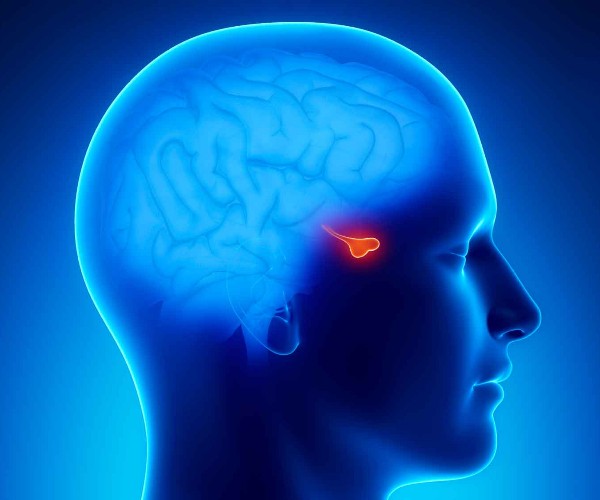
Tumors of the Hypophysis (or pituitary gland) are a group of predominantly benign neoplasms affecting a small structure located in the center of the brain, posterior to the root of

Hirsutism and virilization

Hirsutism is a condition that primarily affects women and consists of the growth of dark hairs in skin areas in which significant hair is normally present only in adult men,

Dyspareunia

Dyspareunia is defined as persistent genital pain that occurs in women shortly before or during intercourse and sometimes still present after intercourse has ended. Painful intercourse can occur for reasons

Tumors of the adrenal glands

The adrenal glands (or adrenals) are two small triangular structures “resting” on the kidneys and responsible for the production of several hormones critical for metabolic and hydroelectrolyte balance and stress

Overweight and obesity

Far from being a mere cosmetic problem, overweight and obesity are an established risk factor for the development of number of metabolic (foremost among them diabetes), acute cardiovascular (such as

RELATED ARTICLES

Altered breakdown of body fluids

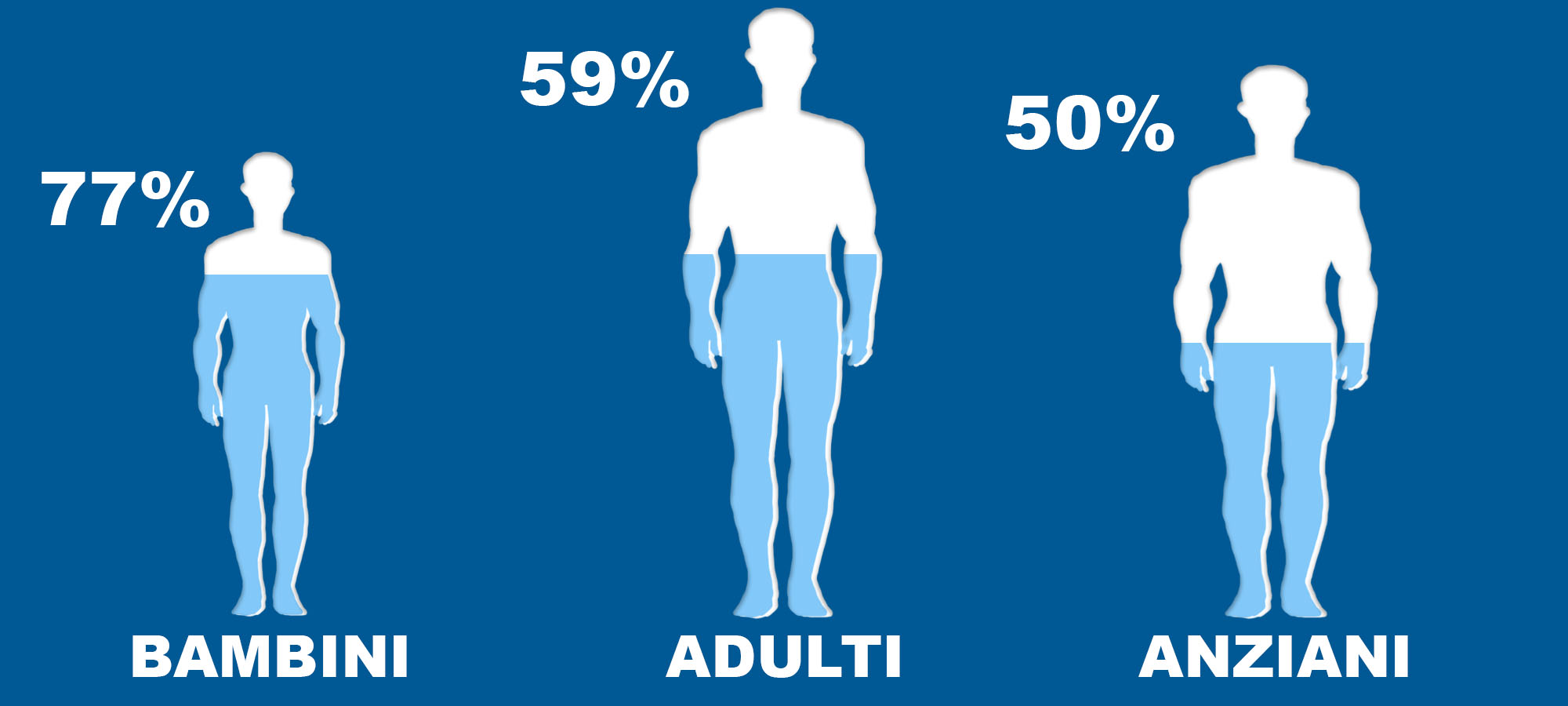
Our body is composed mainly of water: in adults we can find about 60% of it with higher values in men than in women. Fat is hydrophobic, so total body

A healthy diet against depression (preview)

A recent article published in the journal The Lancet, titled “Nutritional Psychiatric: where to next?” hypothesizes a direct relationship between nutrition and depression in the individual. In fact, according to

A night shift?

It is not night work as such that is responsible, but the shifts that occur that go into changing the balance of the biological clock. Fatigue may be a direct sign

Family dysautonomy

Involuntary nervous system dysfunction, or familial dysautonomia, is a genetic disorder that goes to groups of nerve cells, which are not properly developed and do not survive.

Do the elderly have sex?

Do the elderly have sex? Absolutely, and sometimes even with greater satisfaction and lightheartedness than in the years of youth.

FEATURED SPECIALISTS

  • Profile picture of Dr. Monica Gamba
    active 5 years, 9 months ago

    Aesthetic Doctors, Plastic Surgeons, Basic Doctors

    • Viale Radich 21/N - Grugliasco
    phone
  • Profile picture of Dr. Lucia Catalano
    active 5 years, 9 months ago

    Gynecologists, Senologists, Basic Doctors

    • Via Belluno 1 - Roma
    phone
  • Profile picture of Dott. Flavio Della Croce
    active 5 years, 9 months ago

    Psychotherapists, Basic Doctors

    • Via Sacconi 1 - Borgonovo Val Tidone
    phone
  • Profile picture of Dr. Sergio Ettore Salteri
    active 5 years, 9 months ago

    Basic Doctors, Chiropractors, Posturologists

    • Via Vial di Romans 8 - Cordenons
    phone
  • Profile picture of Dott.ssa Floriana Di Martino
    active 5 years, 9 months ago

    Aesthetic Doctors, Basic Doctors

    • Piazza della Rinascita 13 - Pescara
    phone

prenota il tuo viedeoconsulto in convenzione

Completa il form e sarai contatto dal personale medico specializzato

your advertising
exclusively ON
MY SPECIAL DOCTOR

complete the form and you will be contacted by one of our managers