

of

The fruit of health: the Cranberry

Cranberry-health-benefit

NUTRITIONAL CHARACTERISTICS OF FRESH CRANBERRY

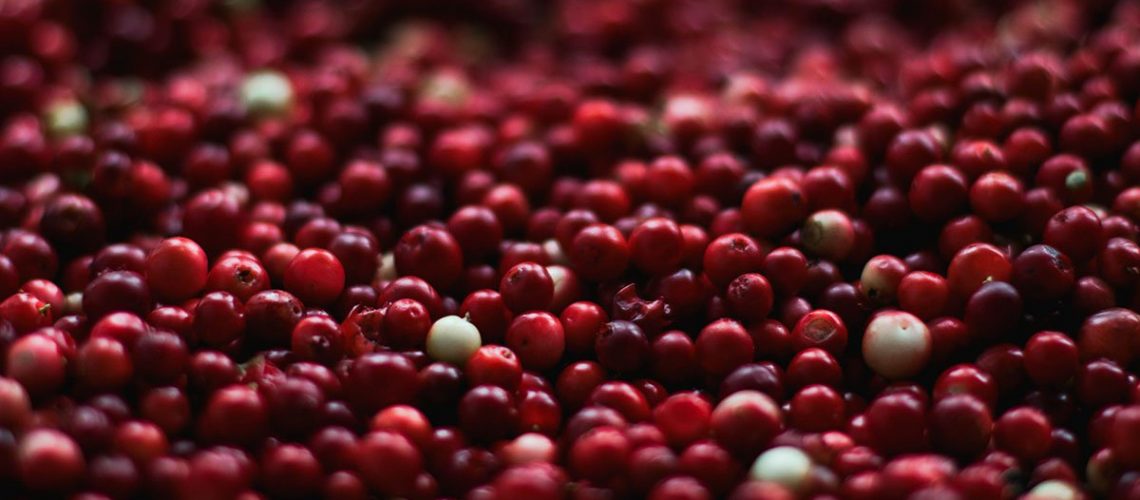
Cranberries have a high water content as well as a high sugar content. Berries contain fiber, minerals, and vitamins A, B, and C. The non-digestible fibrous compounds are able to regulate some metabolic functions. Due to their low sodium content and fair amount of potassium, cranberries have a fair diuretic effect. Within the American cranberry are several active ingredients: digestive tonic organic acids, myrtillin, flavonoids, proanthocyanidins and anthocyaninins, tannites, catechins, omega 3 and omega 6, phytosterols, tocopherols and tocotrienols. The organic acids that give the berries a sour taste represent a large blood spillover of alkaline bicarbonates, which counteract blood acidification. Another nutritional characteristic of cranberry is definitely the antioxidant capacity due to the presence of pigments, which accumulate in the outer layers of the berries. A number of dietary supplements, sold in supermarkets, pharmacies and herbalist shops, are also made from cranberries.

THE JUICE OF MULTIPLE VIRTUES

Almost all cranberry drinks contain about 25 percent pure juice. Undiluted natural juice has a pH of at least 2.5, and without the addition of sugar the taste tends to be unpleasant to the palate. Cranberry juice blended with agave extract has an excellent reputation as a nutraceutical because of its nutritional components. A dose of 70 ml of juice is recommended to enjoy the beneficial effects of cranberry. Regular intake turns out to be an easy and tasty aid to counteract arterial degeneration and osteoporosis.

HEALTH PROPERTIES OF CRANBERRY EXTRACT

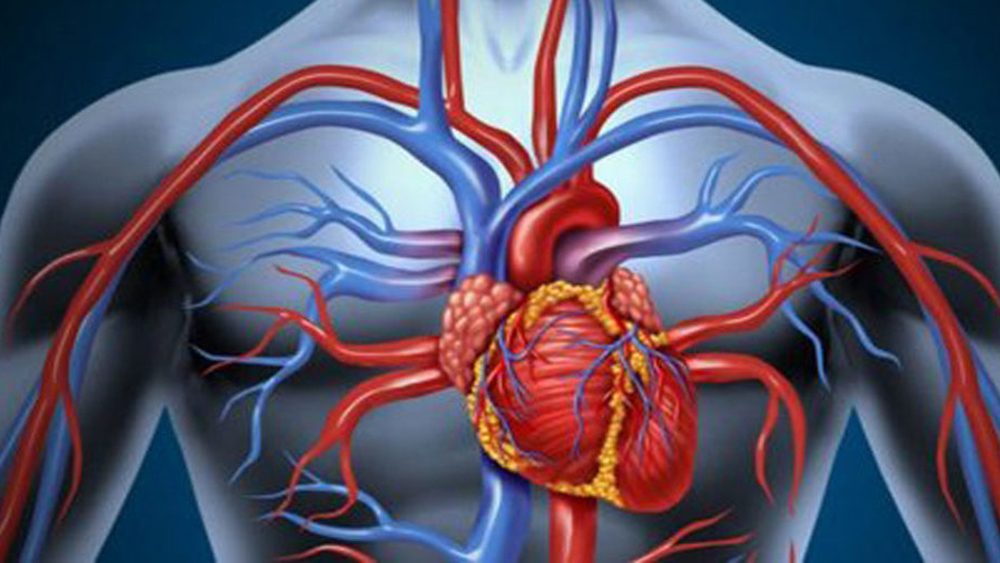
Indians used the cranberry both as a food and as a medicine. Sailors, on the other hand, consumed blueberries to fight scurvy. There are so many recognized healing properties of cranberry that it has interested so many medical and scientific studies. Blueberry berries protect and strengthen vessel walls due to the presence of anthocyanosides. In addition, these small fruits are rich in an antioxidant first discovered in grapes that plays an important role in reducing “bad” cholesterol. The tannites in cranberry act on bacteria. This mechanism helps prevent infection. It is bound to the proanthocyanidin subfraction that contains oligomers in which epicatechin units are bound together.

THE ANTIOXIDANT CAPACITY OF ANTHOCYANINS

Anthocyani or anthocyanins are water-soluble plant pigments of the flavonoid family, found in plants in the form of glycosides. The production and quantity of flavonoid pigments, which are easily recognized in flowers, fruits, shrubs and leaves, depend on the type of plant and outdoor conditions. Anthocyanins are present in large amounts in fruits and inflorescences, but can also be found on leaves and roots. The color can vary from red to blue to violet, depending on the pH in the medium in which they are found and the formation of salts with heavy metals. Regarding antioxidant properties, anthocyanins are known for this characteristic and prevent cardiovascular disorders, obesity, inflammatory responses, and cancerous proliferations.

ROLE IN THE PREVENTION OF CHRONIC URINARY INFECTIONS

Cranberry is used as a natural antiseptic to prevent and treat urinary infections. Its benefits were initially attributed to urine acidification. Then, some researchers have shown that blueberry can inhibit bacterial adhesion to urinary epithelial cells. In 1998, Howell identified proanthocyandins as the active components of cranberry that can prevent the adhesion of fimbriae of uropathogenic Escherichia coli strains to the urinary epithelium, protecting it from infection.

THE MECHANICAL PREVENTIVE ACTION OF PROANTHOCYANIDINS

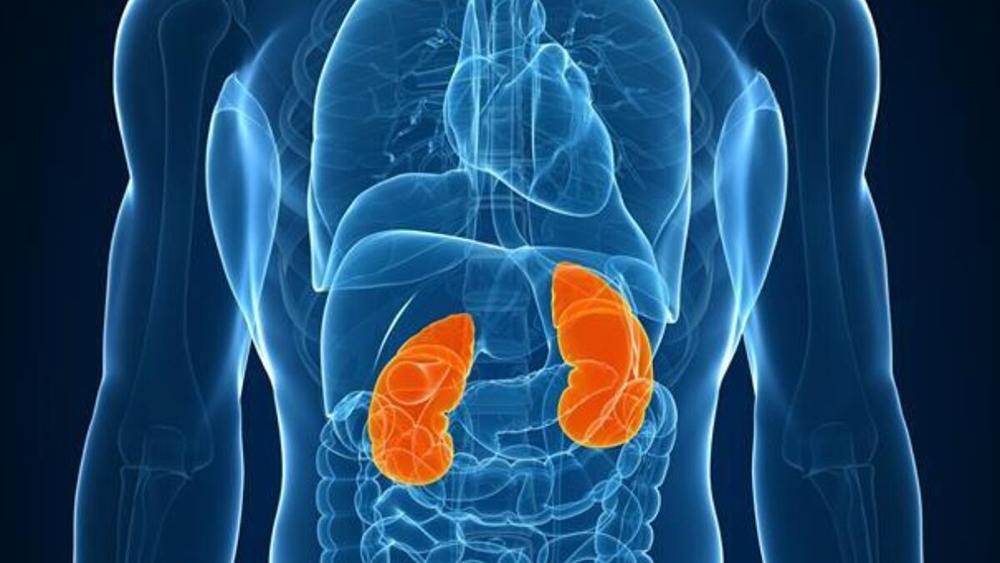
In urinary tract infections, the bacteria colonize the colon, pass through the periurethral/vaginal zonus, and ascend the urinary tract, bringing an infection to the bladder and then to the kidneys. Cranberry proanthocyanidins help prevent infection and bacterial colonization.

Source: The Cranberry – A fruit that never ceases to amaze by Mediserve

FEATURED SPECIALISTS

  • Profile picture of Dr. Antonio Varriale
    active 5 years, 6 months ago

    Aesthetic Doctors, Dentists, Basic Doctors

    • Via Grotta dell Olmo 20 - Giugliano in Campania
    phone
  • Profile picture of Dr. Fabio Fabi
    active 5 years, 6 months ago

    Sports Doctors, Internist, Basic Doctors

    • Via Sarsina 147 - Roma
    phone
  • Profile picture of Dott.ssa Izabella Sylwia Bartosiewicz
    active 5 years, 6 months ago

    Basic Doctors, Rheumatologists

    phone
  • Profile picture of Dott.ssa OLGA PETROVSKAIA
    active 5 years, 6 months ago

    Pain therapists, Basic Doctors, Therapist

    • Via Giulio Romano 3 - Valle Martella
    phone
  • Profile picture of Dott. Cristiano Crisafulli
    active 5 years, 6 months ago

    Diabetologist, Basic Doctors, Internist

    • Via Vittorio Emanuele II 181 - Acireale
    phone

RELATED ARTICLES

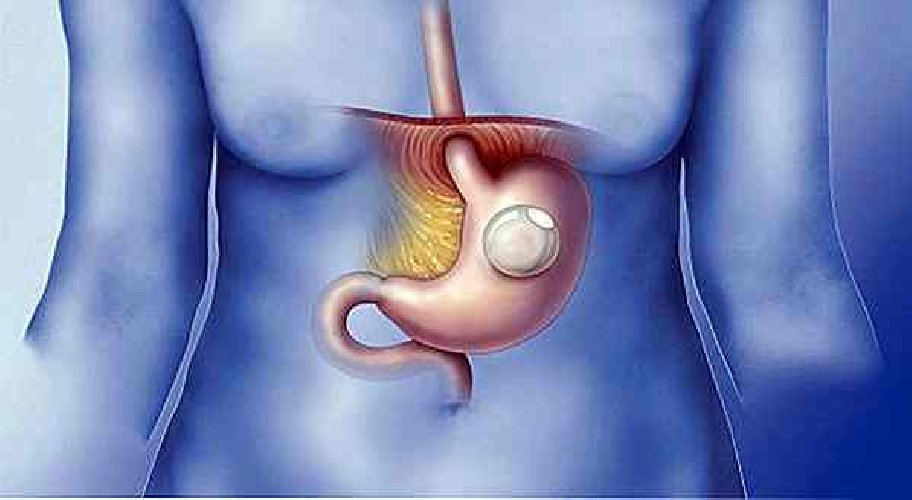
What is the intragastric balloon?

The intragastric balloon is inserted through endoscopic intervention into the stomach. It induces a partial filling of the stomach, causing the subject to feel full, which turns him or her

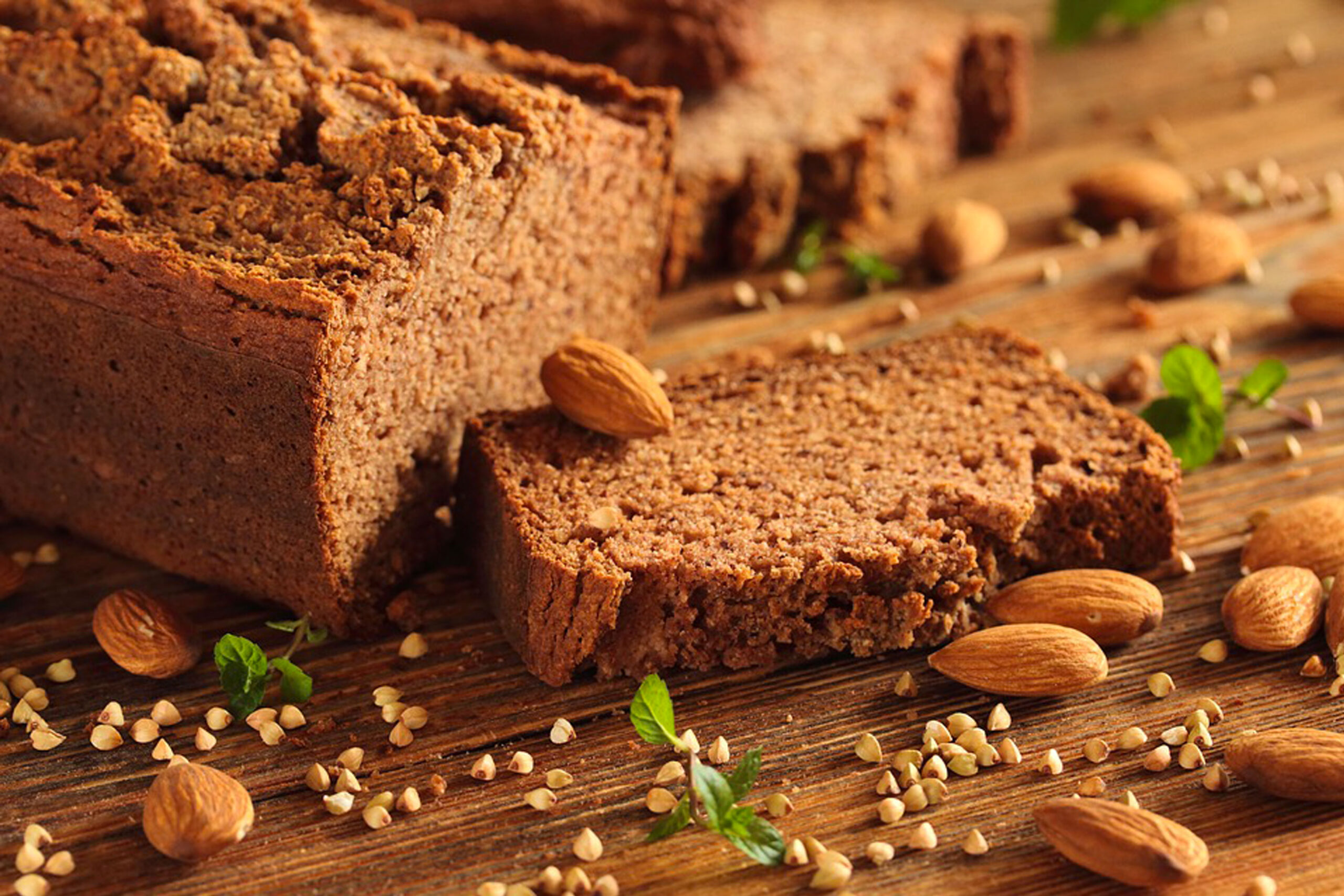
Gluten does not produce symptoms in healthy people

Intake of gluten-containing foods can be very harmful to people with celiac disease, but it causes no gastrointestinal symptoms in people without a related disorder, a double-blind, randomized controlled trial

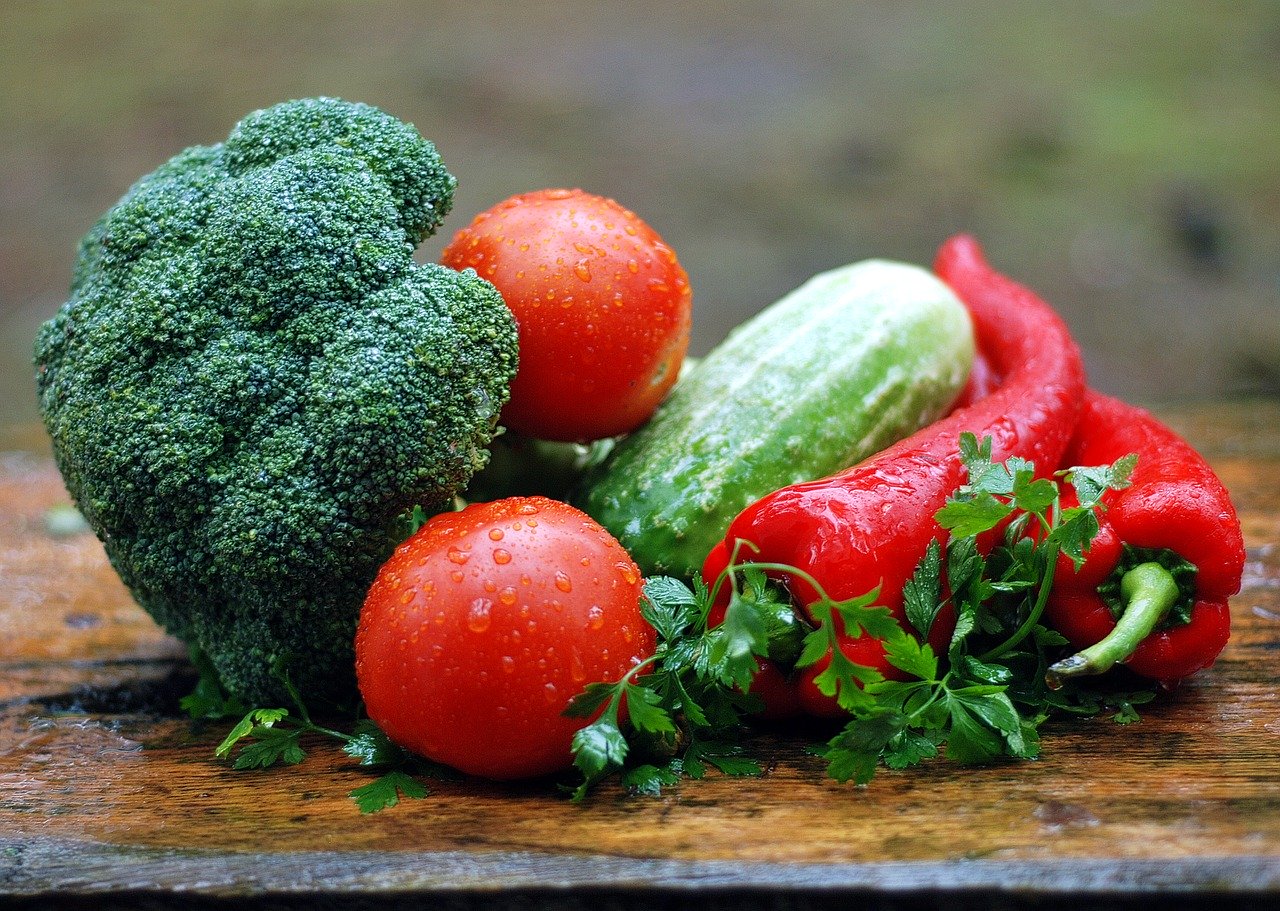
Dyslipidemia: dietary advice

Dyslipidemias have been classified according to the type of excess lipoprotein particles in the blood. We can distinguish hyperlipidemia with high cholesterol in LDL and normal triglyceridemia. Treatment of dyslipidemia

What is uncontrolled eating disorder?

Uncontrolled Eating Disorder (English translation of the term Binge Eating Disorder; BED) is characterized by the presence of bulimic bouts in the absence of inappropriate compensatory behaviors. Uncontrolled Eating Disorder

Nutrition in old age

In Italy, about 20 percent of the population is over 65 years old. To reconcile the increase in average life span with a good quality of life, it is necessary

Eating disorders: dyspepsia

Digestion is an essential process for the life of humans and many other living organisms. Feeding is not just an instinct, but a pleasure, an indispensable ritual aimed at socialization

RELATED PATHOLOGIES

Herpes simplex

Herpes simplex is a disorder of an infectious nature caused by the virus of the same name (Herpes simplex virus – HSV type 1 or 2) and characterized by the

Allergic asthma

Allergic asthma is a chronic disease that affects the airways and, in particular, the bronchi, which are the channels that allow the passage of air to and from the lungs.

Hemorrhoids

Hemorrhoids are vascular structures of the anus and lower rectum that serve to maintain fecal continence. If they become swollen or inflamed, they become pathological and cause a syndrome known

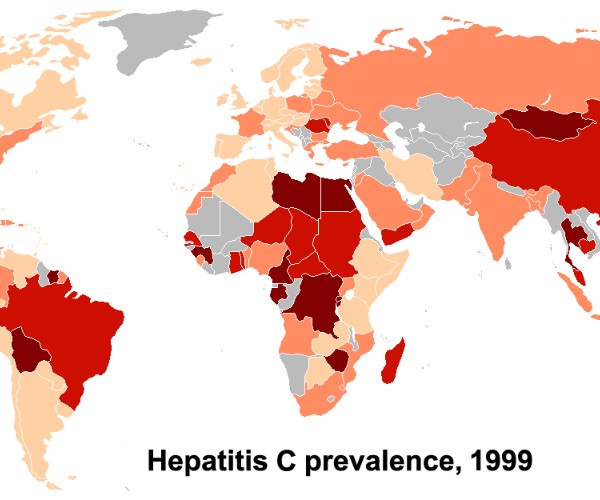
Hepatitis C

Hepatitis C is an inflammation of the liver, brought about by infection with Hepatitis C virus (HCV), of which there are 6 variants, characterized by different genotypes, different epidemiological distribution

Bladder cancer

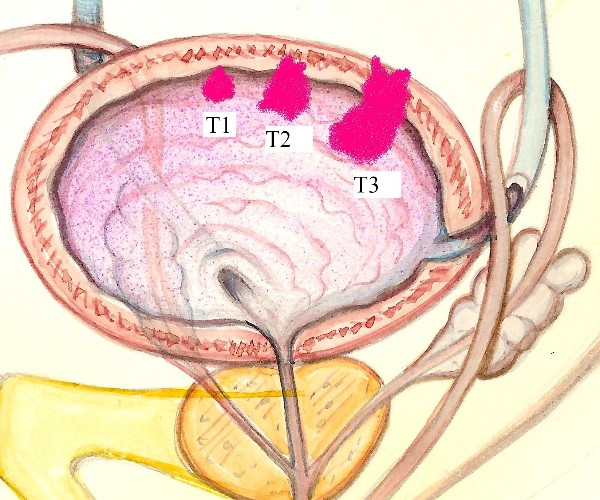
Bladder cancer is one of the most common malignancies in adulthood in Western countries, especially in the male sex. In most cases, it develops from the cells lining the inner

Bulimia nervosa

Bulimia nervosa is a more widespread eating disorder than is generally believed and widely underdiagnosed, especially in its mild forms, which can go unnoticed unless those affected seek medical/psychiatric help

Coronaropathy

The term coronary artery disease refers to chronic “distress” of the coronary arteries, the arteries that supply blood to the heart muscle, in most cases brought about by atherosclerotic pathology

Xerostomia

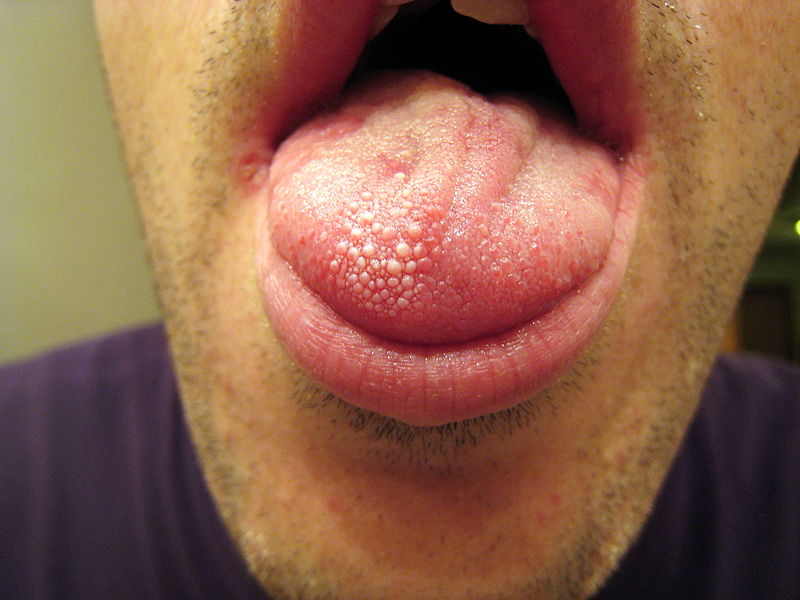
Xerostomia, also known as “dry Imouth” or “dry mouth,” refers to a condition in which the salivary glands do not produce enough saliva to keep the mouth wet.   Saliva

Oral candidiasis

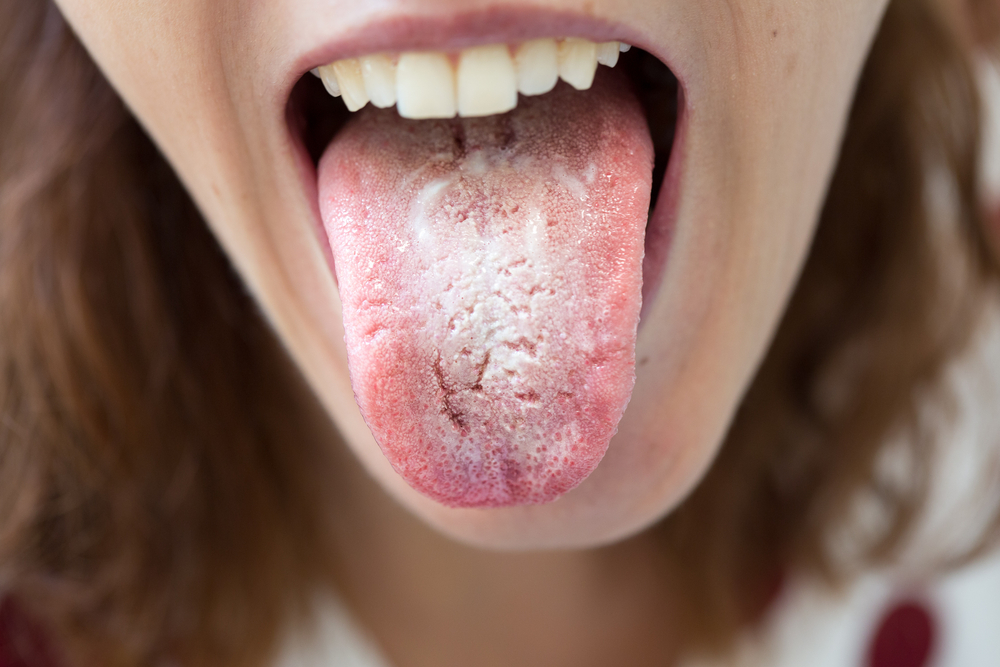
Oral candidiasis, also called thrush, is a condition characterized by the accumulation on oral mucous membranes of the fungus Candida albicans. It is an infectious and resistant pathogen that can

Gastritis

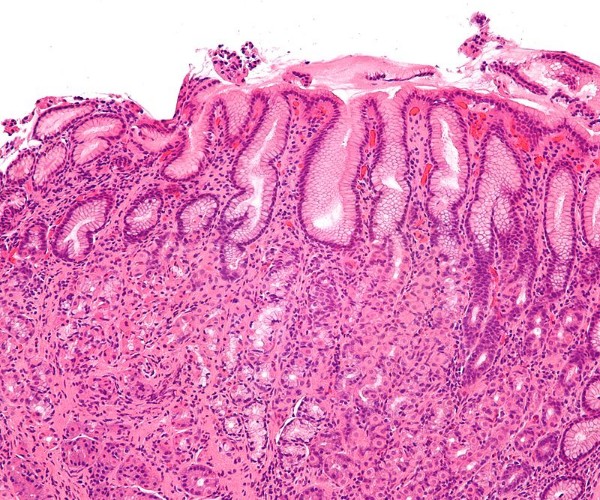
Gastritis is a general term and refers to different conditions that nevertheless have one common element: inflammation of the gastric mucosa. Often, this inflammation is the result of infection by
FEATURED SPECIALISTS

  • Profile picture of Dott. Flavio Della Croce
    active 5 years, 6 months ago

    Psychotherapists, Basic Doctors

    • Via Sacconi 1 - Borgonovo Val Tidone
    phone
  • Profile picture of Dott.ssa Monica Calcagni
    active 5 years, 6 months ago

    Gynecologists, Aesthetic Doctors, Basic Doctors

    • Via Casilina 32 - Arce
    phone
  • Profile picture of Dr. Antonio Varriale
    active 5 years, 6 months ago

    Aesthetic Doctors, Dentists, Basic Doctors

    • Via Grotta dell Olmo 20 - Giugliano in Campania
    phone
  • Profile picture of Dott. Franco Cicerchia
    active 5 years, 6 months ago

    Ophthalmologists, Acupuncturists, Basic Doctors

    • Via Alcide de Gasperi 39 - Palestrina
    phone
  • Profile picture of Dott.ssa Anna Puccio
    active 5 years, 6 months ago

    Gynecologists, Basic Doctors

    • Via Vincenzo Ponsati 69 - Volvera
    phone

prenota il tuo viedeoconsulto in convenzione

Completa il form e sarai contatto dal personale medico specializzato

your advertising
exclusively ON
MY SPECIAL DOCTOR

complete the form and you will be contacted by one of our managers