


of

Coronography

coronografia

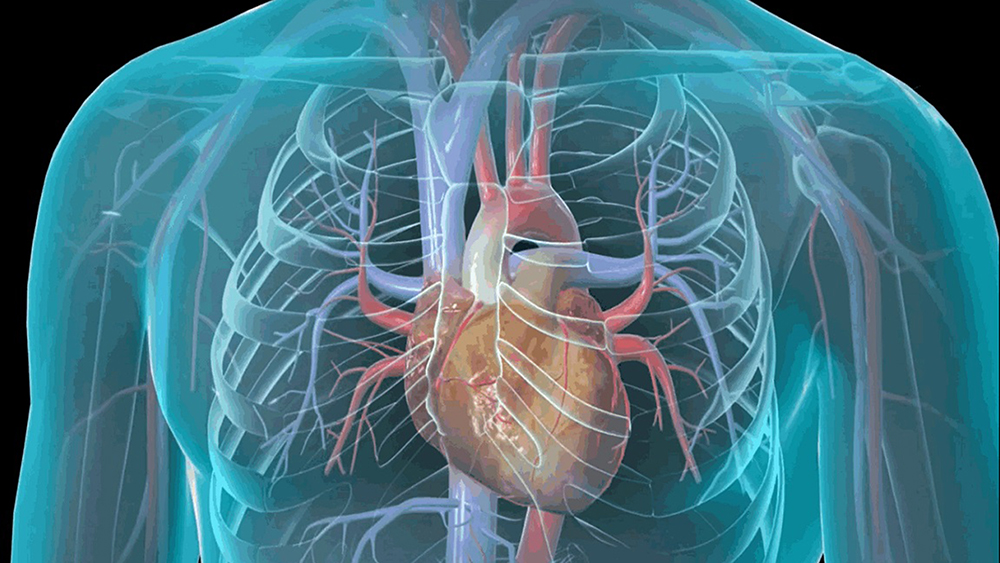
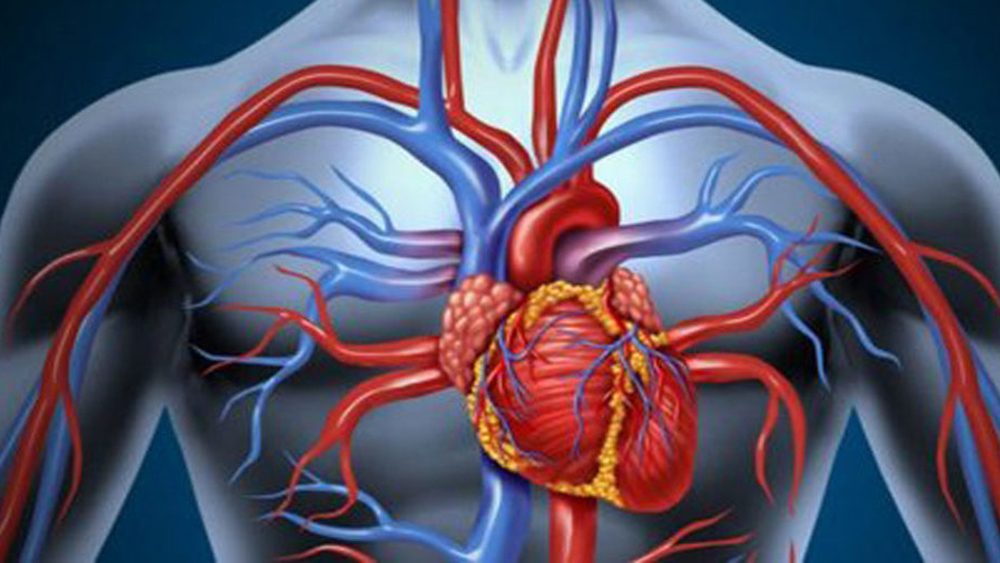
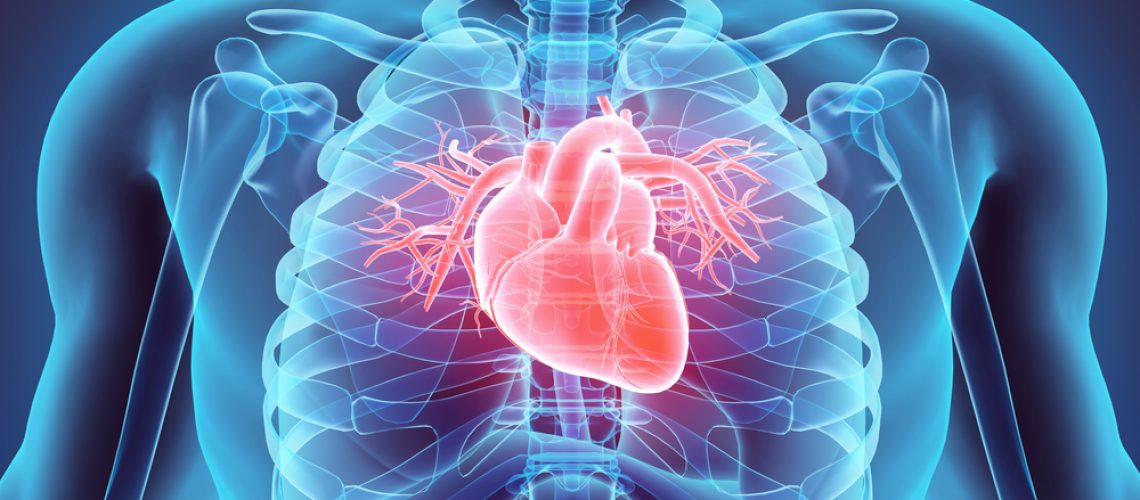
Coronarography, also known as coronary angiography, is an invasive radiological technique used in cardiology to visualize the course and condition of the coronary arteries (the arterial vessels that surround the heart and ensure the supply of oxygen and nutrients to the heart muscle), especially when there is a strong suspicion of stenosis due to atherosclerotic plaques or partial occlusions due to clots (thrombosis) associated with a high risk of cardiac ischemia or aneurysms at risk of rupture.

If, the stenosis or aneurysm is confirmed by the investigation, in some cases, it is possible to intervene in real time during coronarography with angioplasty techniques to correct the coronary alteration present and thus prevent possible acute cardiovascular events. If immediate correction is not feasible, the information obtained from coronary angiography is valuable in planning the most appropriate hemodynamic or surgical intervention.

Description

Coronarography involves the insertion of a flexible catheter into an artery in the arm that is advanced into the blood vessel to the point near the coronary arteries where it is to release the contrast agent. Once the opaque X-ray contrast agent has spread throughout the coronary bed to be visualized, the patient undergoes a cardiac X-ray that will provide an image of the course of the arteries that surround the heart, highlighting any obstructions and abnormalities.

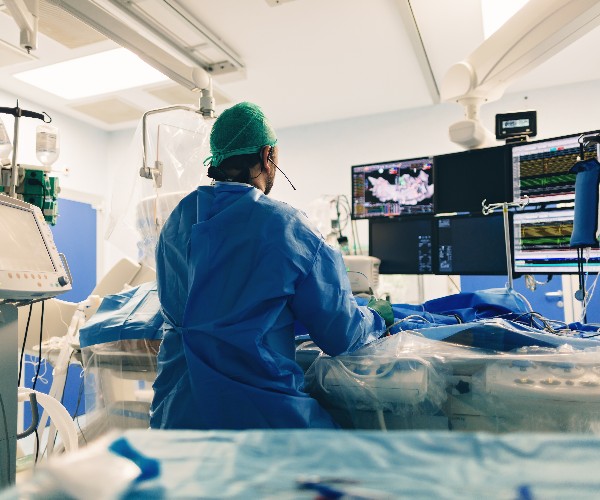
The examination is performed while the patient is awake and only partially sedated to facilitate relaxation during the procedure while still allowing the patient to interact with the physicians (e.g., answer questions), while local anesthesia is administered to reduce pain at the catheter insertion site. Throughout the evaluation, the patient undergoes electrocardiographic and pressure monitoring, and the amount of blood oxygen (pO2), indicative of cardiopulmonary function, is assessed.

The performance of coronarography takes, on average, about an hour, but its duration may increase in the case of blood vessels that are difficult to navigate (for example, due to subjective stenosis or tortuosity) and, most importantly, when other hemodynamic procedures, such as angioplasty, are implemented in addition to diagnostic evaluation. At the end of the procedure, the catheter is removed and the incision site closed with simple pressure or a clip.

When needed

Coronary angiography is performed only when diagnostic imaging techniques or other noninvasive evaluations, such as echocardiogram and echodoppler (at rest or under stress) or cardiac MRI, are inadequate or sufficient to clarify the origin of clinically highlighted symptoms and signs or when correction of the coronary defect present at the same time as coronarography (e.g., reopening of a semi-occluded vessel with application of a coronary stent) is deemed plausible.

This cautious use of coronary angiography is related to the fact that performing the examination has low but not zero operative risks, mainly related to the need to navigate the arteries with a catheter to the coronary arteries to be examined and to administer a contrast agent. In contrast, the use of low doses of X-rays, which are needed to highlight heart vessels, is essentially harmless.

The main indications for performing coronarography include:

  • Symptoms indicative of coronary artery disease, such as angina pectoris or anginal pain in the arm;
  • Finding of chest, neck/mandibular, chest or arm pain not explained by other tests;
  • Increased symptoms of already diagnosed angina (unstable angina);
  • Presence of congenital heart defects;
  • Presence of defects at a heart valve;
  • Heart failure already diagnosed;
  • Detection of alterations in other blood vessels or thoracic trauma;
  • Abnormal outcomes in other cardiac evaluations (in particular, stress testing).

In addition, coronarography can be used to better plan for surgery (percutaneous or open) or angioplasty and to monitor outcomes over time (follow-up), in order to highlight early possible recurrences of the initial coronary alteration (e.g., re-stenosis of a vessel at the same location where a stent has already been applied or in another area of the coronary vessels).

Special Warnings

Angiography is an invasive procedure that requires a series of preliminary assessments before it can be performed and is managed in the interventional hemodynamics room in the same manner as minor surgery.

After the procedure is completed, it is necessary to remain several hours under monitoring until cardiac and general conditions are stable. If there is no special underlying clinical criticality (e.g., a very advanced age or diseases that increase the risk of complications, such as diabetes) and the procedure is performed without any problems, coronarography can be performed in the day hospital, and the patient can return to his or her home the same day. Conversely, an overnight hospitalization may be required.

After the examination, it is recommended to drink plenty to promote elimination of the contrast medium from the bloodstream (unless otherwise medically indicated), not to perform strenuous exertion or activities for a few days, and not to rub or touch the small wound at the catheter insertion site until it is completely healed.

FEATURED SPECIALISTS

  • Profile picture of Dott.ssa Carmela Tizziani
    active 5 years, 8 months ago

    Coroner, Certifying Doctor, Basic Doctors

    • Via Gaetano Bruno 25 - Napoli
    phone
  • Profile picture of Dr. Vittorio Margutti
    active 5 years, 8 months ago

    Orthopedists, Basic Doctors

    • Via Marco Simone Poli 1 - Guidonia Montecelio
    phone
  • Profile picture of Dott. Domenico Napolitano
    active 5 years, 8 months ago

    Gynecologists, Basic Doctors, Aesthetic Doctors

    • Viale Orazio Flacco 5 - Bari
    phone
  • Profile picture of Dr. Sergio Ettore Salteri
    active 5 years, 8 months ago

    Basic Doctors, Chiropractors, Posturologists

    • Via Vial di Romans 8 - Cordenons
    phone
  • Profile picture of Dr. Tiziana Volpe
    active 5 years, 8 months ago

    Gynecologists, Basic Doctors, Professional Counselor

    • Piazzale Jonio 50 - Roma
    phone

RELATED ARTICLES

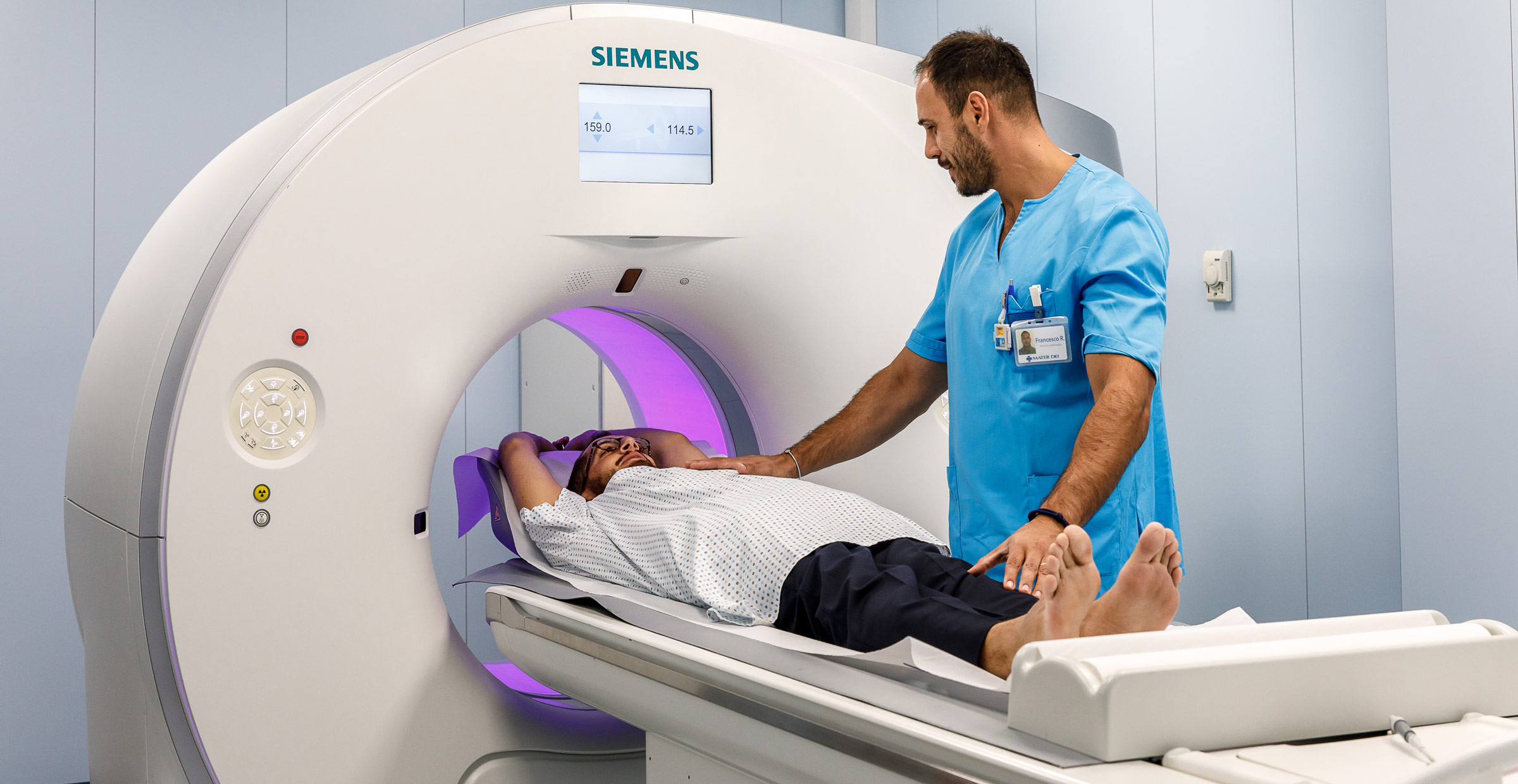
CT Computed Axial Tomography

Computed tomography, abbreviated as CT, still often commonly referred to as CAT (computerized axial tomography) despite the evolution of the method, is an imaging investigation that provides very detailed three-dimensional

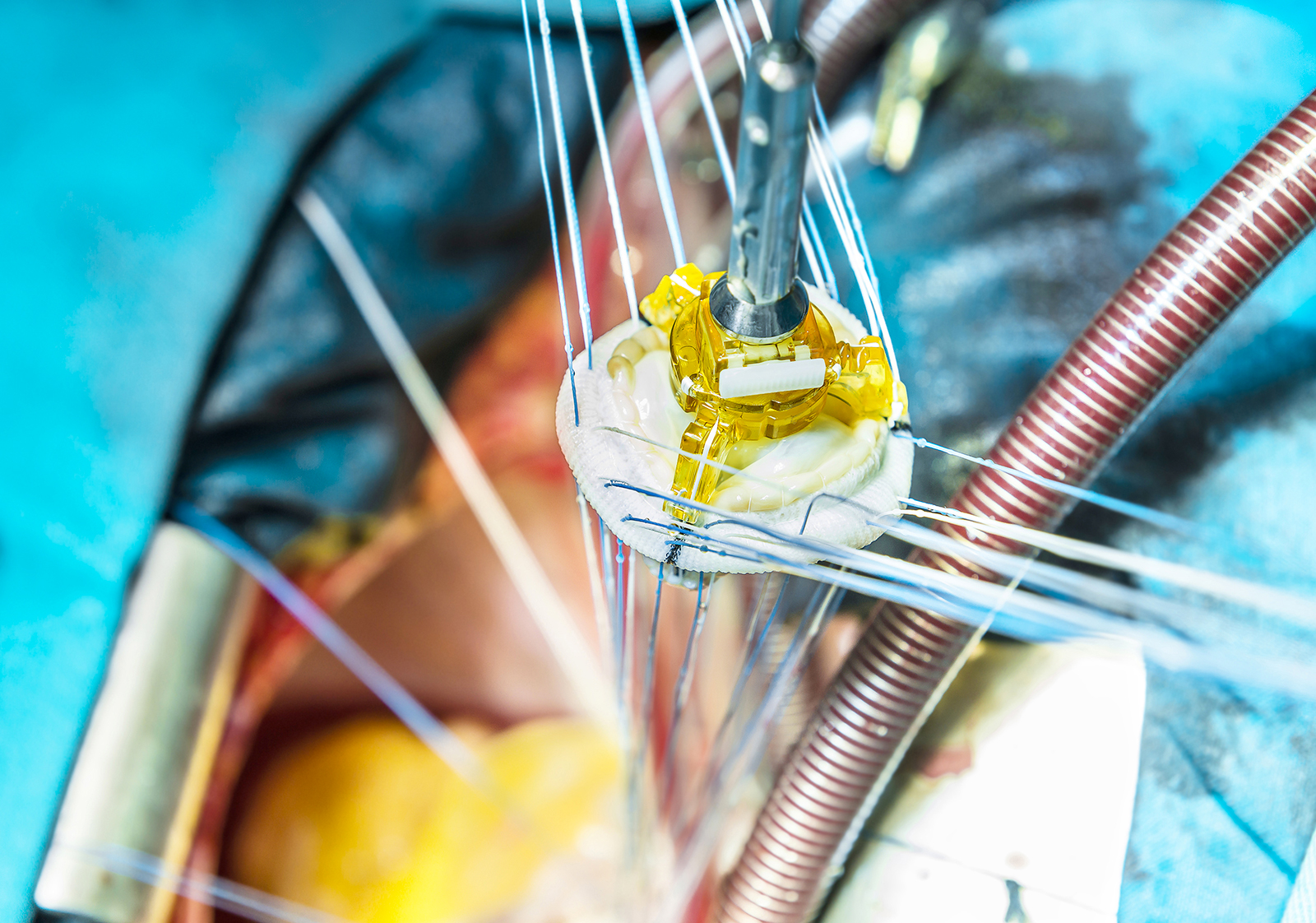
Aortic valve replacement

When the condition of the aortic valve is severe and the insufficiency is exposing the patient to heart failure, as well as the possibility of developing other, serious, life-threatening conditions, aortic valve replacement is the way to go.

ERECTILE DYSFUNCTION, WHAT TO KNOW AND WHAT TO DO

The mechanism that determines erection in the male arises from sexual arousal, which in turn is the result of the participation of emotions, the brain, hormonal flows, heart and vessels, muscles and nerves. Sometimes even one of these factors can cause erectile dysfunction, which can worsen when a state of emotional malaise and stress or even a persistent state of anxiety is added to it.

Heart failure: disorders of the heart

Heart failure refers to a dysfunction as a result of which the heart can no longer meet the needs of the body, causing reduced blood flow and accumulation (congestion) of

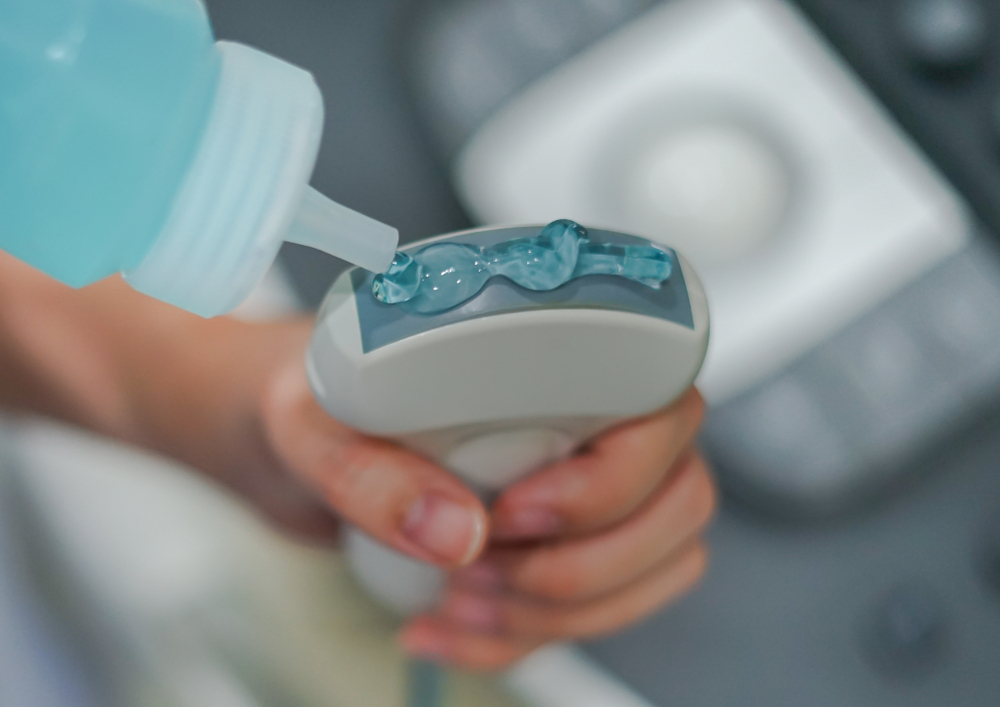
Ultrasound

Ultrasound is a diagnostic imaging technique based on the use of ultrasound that is quick and easy to perform, harmless, painless, and low-cost, and because of these favorable characteristics it

Working professions in mitral valve disease

It is well known that risk factors for heart disease include habits such as excessive alcohol use, such as smoking, a high-protein and high-fat diet, and also genetic factors, while less consideration is often given to factors of occupational origin.

RELATED PATHOLOGIES

Cardiac arrest

Cardiac arrest corresponds to the interruption of the heart’s contraction and pumping action, resulting from a sudden and drastic alteration in its electrical activity (ventricular fibrillation). Cardiac arrest is an

Peripheral arteriopathy obliterans

Peripheral arteriopathy obliterans is a vascular disease that affects the arteries, especially those in the legs, preventing the muscles and tissues from receiving adequate blood supply, resulting in symptoms of

Carotid stenosis

Carotid artery stenosis corresponds to a narrowing of the caliber of the carotid arteries, which are the main blood vessels supplying the brain with oxygen- and nutrient-rich blood (particularly glucose),

Cellulite

Cellulite is an inflammatory-based alteration of the fat-rich subcutaneous tissue(panniculus adiposus), triggered by fluid stagnation due to poor venous and lymphatic circulation (lymph is a fluid that flows in channels

Aortic aneurysm

An aortic aneurysm refers to permanent dilatation of a well-defined segment of the aorta, the largest artery in the body that receives blood directly from the left ventricle and distributes

Hypertension

According to the ESH-ESC guidelines, hypertension is defined by the finding of systolic (maximum) blood pressure values ≥ 140 mmHg and/or diastolic (minimum) blood pressure values ≤ 90 mmHg. The

Myocardial infarction

Acute myocardial infarction, which affects about 100,000 people in Italy each year, corresponds to the death of a part of the heart muscle due to an interruption in the supply

Coronaropathy

The term coronary artery disease refers to chronic “distress” of the coronary arteries, the arteries that supply blood to the heart muscle, in most cases brought about by atherosclerotic pathology

Venous insufficiency

Venous insufficiency and associated vascular disorders, such as varicose veins and telangiectasias (superficial capillaries), mainly affect the venous vessels of the legs and arms and are mainly related to the

Ablation of atrial fibrillation

Atrial fibrillation (AF) ablation surgery is a surgical procedure aimed at eliminating the source of the cardiac arrhythmia through the selective destruction of small portions of the cardiac tissue present

FEATURED SPECIALISTS

  • Profile picture of Dott.ssa Irene Pistis
    active 5 years, 8 months ago

    Aesthetic Doctors, Basic Doctors, Certifying Doctor

    • Via della Reoubblica 461/3 - Vergato
    phone
  • Profile picture of Dr. Domenico D'Angelo
    active 5 years, 8 months ago

    Otolaryngologists, Basic Doctors, Competent Doctor

    • Via Pola 5 - San Prisco
    phone
  • Profile picture of Dott.ssa Francesca Vittorelli
    active 5 years, 8 months ago

    Therapist, Acupuncturists, Basic Doctors

    • Corso Andrea Palladio 134 - Vicenza
    phone
  • Profile picture of Dott. Franco Cicerchia
    active 5 years, 8 months ago

    Ophthalmologists, Acupuncturists, Basic Doctors

    • Via Alcide de Gasperi 39 - Palestrina
    phone
  • Profile picture of Dr. Giovanni Arrichiello
    active 5 years, 8 months ago

    Gynecologists, Basic Doctors

    • Corso Regina Margherita 260 - Torino
    phone

prenota il tuo viedeoconsulto in convenzione

Completa il form e sarai contatto dal personale medico specializzato

your advertising
exclusively ON
MY SPECIAL DOCTOR

complete the form and you will be contacted by one of our managers