

of

Omega-3: some doubt about the benefits

66_omega3

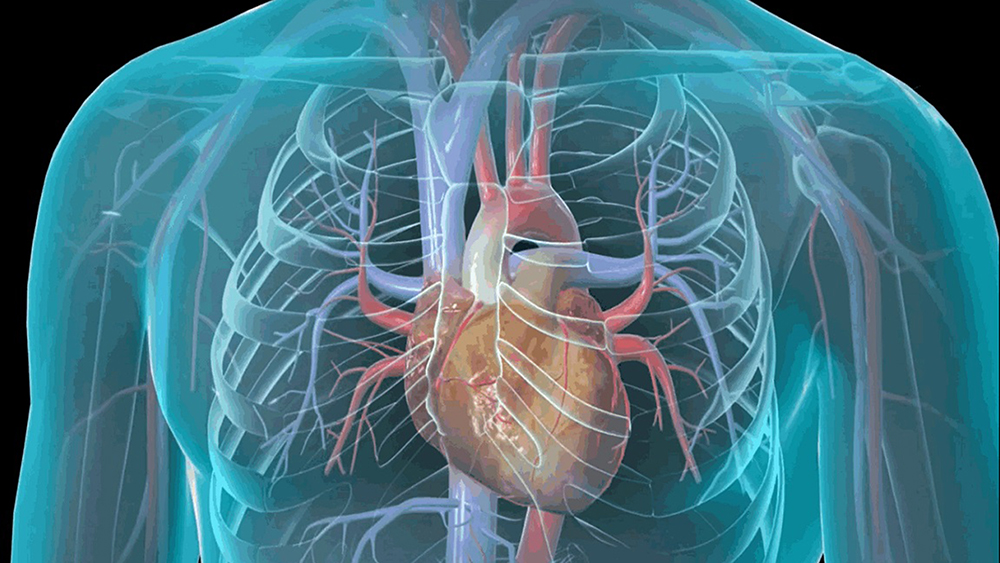
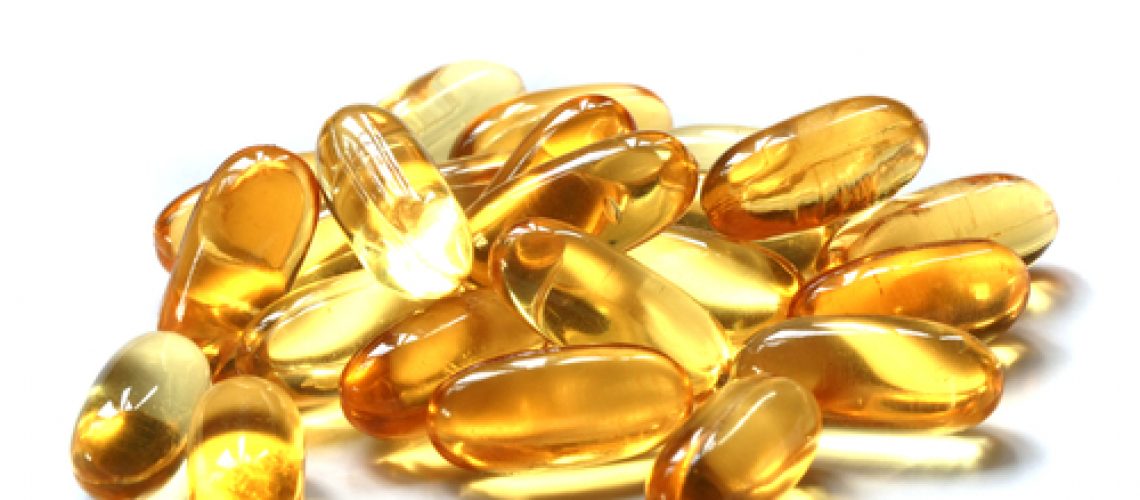
Celebrated for about two decades as an extraordinary means of preventing cardiovascular disease (to the point of being prescribed as a true prophylactic therapy after a heart attack) and as a potential defense against several types of cancer, in recent months the role of the omega-3 is seeing substantial retrenchment on both fronts.

After the results of the study ASCEND (A Study of Cardiovascular Events in Diabetes.) published during 2018, had questioned the real utility of these essential fatty acids as protection against acute cardiovascular events in people with diabetes, the findings of the double-blind randomized controlled trial VITAL (Vitamin D Omega-3 Trial), recently published in the New England Journal of Medicine, deal a further blow to their use for preventive purposes in the general population, which lacks specific risk factors.

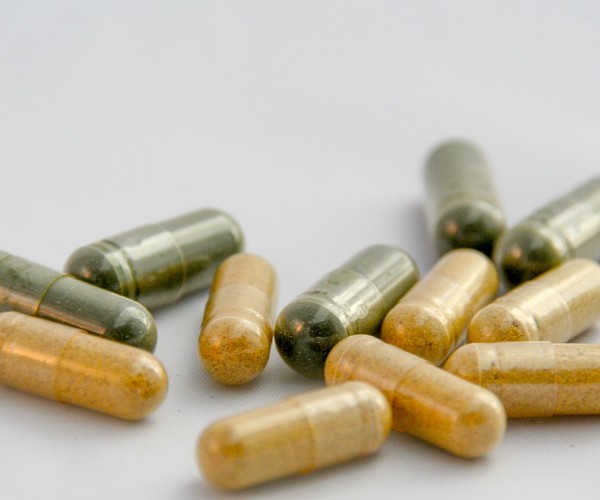
Contrary to past inferences from observational studies, which seemed to indicate a lower incidence of cardiovascular disease and cancer among people who consumed larger amounts of fatty fish from the North Seas (salmon, mackerel, tuna, herring, sardines, etc.) known to be rich in omega-3, fish oil or targeted supplements, the results of the VITAL study showed no difference in incidence for either group of diseases between those taking omega-3 (at a dosage of 1 mg/day) and vitamin D3 (at a dosage of 2,000 IU/day) and those taking preparations similar in appearance but completely inert biologically (placebo).

Even deepening the analysis and focusing on individual aspects, supplementation with omega-3 and vitamin D3 resulted in effects entirely superimposed on placebo, with comparable rates of overall cardiovascular events, stroke, death from cardiovascular causes, death from oncological causes, and death from all causes. The only favorable data concerned myocardial infarction rates, which were slightly lower among those taking omega-3, and side effects, which were similar for omega-3 and placebo (indicative of the harmlessness and good tolerability of supplementation, but not sufficient to justify its use).

But how is it possible that what seemed useful until yesterday is no longer useful today? As mentioned, until now, the benefits associated with omega-3 supplementation for primary prevention had been highlighted mainly in observational studies, that is, comparing the incidence of cardiovascular disease and cancer in populations that were or were not taking these essential fatty acids for various reasons, but without prior patient selection criteria or standardization of administration for timing, mode and dosage.

Studies of this kind can provide insights into the potential effects of a substance or drug in the body, which must, however, be confirmed in the context of double-blind randomized controlled trials, in which two groups of patients with overlapping characteristics and exposed to comparable conditions are randomly assigned to take either the active treatment or the inactive placebo and monitored for a predefined period of time. Only such studies, such as the VITAL study, can provide reliable information about the effects of a drug or other preventive or therapeutic intervention.

The outcomes of the VITAL study deserve special attention because they were obtained on a very large population (nearly 26 thousand people) and of different ethnicities (although all of them are residents of the United States), being, therefore, decidedly robust.

On the other hand, the new data are not inconsistent with those obtained in the late 1990s as part of the GISSI – Prevention study, conducted by the Italian Group for the Study of Survival in Myocardial Infarction. This “landmark” trial had, in fact, clearly demonstrated the preventive benefits of omega-3 supplementation in patients who had already had a first heart attack and were, therefore, at increased risk of experiencing a second one (secondary prevention).

Source

  • Manson JE et al. Marine n-3 Fatty Acids and Prevention of Cardiovascular Disease and Cancer. N Engl J Med 2019;380:23-32
  • Keaney JF, Rosen CJ. VITAL Signs for Dietary Supplementation to Prevent Cancer and Heart Disease. N Engl J Med 2019;380:91-92
  • Italian Group for the Study of Survival in Myocardial Infarction. Dietary supplementation with n-3 polyunsaturated fatty acids and vitamin E after myocardial infarction: results of the GISSI-Prevenzione trial. Lancet 1999;354(9177):447-55.

FEATURED SPECIALISTS

  • Profile picture of Dr. Virgilio De Bono
    active 5 years, 8 months ago

    Aesthetic Doctors, Basic Doctors, Dermatologists

    • Via Ripense 4 - Roma
    phone
  • Profile picture of Dr. Squillante Gianni Erminio
    active 5 years, 8 months ago

    Acupuncturists, Homeopathic Medicine, Basic Doctors

    • Via Monterotondo 14 - Roma
    phone
  • Profile picture of Dr. Sergio Ettore Salteri
    active 5 years, 8 months ago

    Basic Doctors, Chiropractors, Posturologists

    • Via Vial di Romans 8 - Cordenons
    phone
  • Profile picture of Dr. Fabio Fabi
    active 5 years, 8 months ago

    Sports Doctors, Internist, Basic Doctors

    • Via Sarsina 147 - Roma
    phone
  • Profile picture of Dott.ssa Carmela Tizziani
    active 5 years, 8 months ago

    Coroner, Certifying Doctor, Basic Doctors

    • Via Gaetano Bruno 25 - Napoli
    phone

RELATED ARTICLES

Medications: mistakes to avoid

Some would never want to take them; others would want a pill to cure every ailment and would not leave home without an emergency kit in their bag. In few

Methods of poisoning: antidepressant drugs

Today patients with antidepressant drug overdose. represent a large portion. The pharmacological properties of the antidepressants are multiple and include interference with release of adrenaline at the level of brain

Vaccines, it is alarm throughout Italy

The situation in Italy regarding the vaccines: almost in all regions there is less than 95 percent coverage, a threshold that does not guarantee herd immunity. The past few days

RELATED PATHOLOGIES

Angina pectoris

Referred to by the Latin name for its main manifestation, a weight-like or vice-like tightness in the chest, angina pectoris is not a disease per se, but the consequence of

Cardiac arrhythmias

The group of cardiac arrhythmias includes all conditions characterized by an alteration in the rhythm of contraction of the heart, either in excess or in defect or associated with irregularities

Cardiac Echodoppler

The echocardiogram, also known as echocardiography, is a diagnostic imaging technique based on the use of ultrasound, which is quick and easy to perform, harmless, painless, and low-cost, and because

Deep vein thrombosis (DVT)

Deep vein thrombosis (DVT) occurs when a clot (thrombus) forms within a vein and completely or partially occludes it, blocking or restricting blood flow in that vessel. In principle, any

Obstructive sleep apnea

Repetitive episodes of upper airway obstruction may occur during sleep, often accompanied by reduced oxygen saturation. Such episodes are accompanied in almost all cases by snoring. Apneas often end with

Peripheral arteriopathy obliterans

Peripheral arteriopathy obliterans is a vascular disease that affects the arteries, especially those in the legs, preventing the muscles and tissues from receiving adequate blood supply, resulting in symptoms of

Venous insufficiency

Venous insufficiency and associated vascular disorders, such as varicose veins and telangiectasias (superficial capillaries), mainly affect the venous vessels of the legs and arms and are mainly related to the

Aortic aneurysm

An aortic aneurysm refers to permanent dilatation of a well-defined segment of the aorta, the largest artery in the body that receives blood directly from the left ventricle and distributes

Shock, medical emergency

It may happen that the circulation of blood through the body undergoes a sudden change giving rise to a condition of physiological shock, with decreased flow and crisis on the

Hypertension

According to the ESH-ESC guidelines, hypertension is defined by the finding of systolic (maximum) blood pressure values ≥ 140 mmHg and/or diastolic (minimum) blood pressure values ≤ 90 mmHg. The

FEATURED SPECIALISTS

  • Profile picture of Dr. Vittorio Margutti
    active 5 years, 8 months ago

    Orthopedists, Basic Doctors

    • Via Marco Simone Poli 1 - Guidonia Montecelio
    phone
  • Profile picture of Dott. Flavio Della Croce
    active 5 years, 8 months ago

    Psychotherapists, Basic Doctors

    • Via Sacconi 1 - Borgonovo Val Tidone
    phone
  • Profile picture of Dr. Roberto Zaffaroni
    active 5 years, 8 months ago

    Basic Doctors, Therapist

    • Via San Francesco D' Assisi 5 - Varese
    phone
  • Profile picture of Dr. Lorenzo Cerreoni
    active 5 years, 8 months ago

    Aesthetic Doctors, Basic Doctors

    • Via Macero Sauli 52 - Forlì
    phone
  • Profile picture of Dott.ssa Erminia Maria Ferrari
    active 5 years, 8 months ago

    Homeopathic Medicine, Basic Doctors, Pediatricians

    • Via San Carlo 3 - Castel Rozzone
    phone

prenota il tuo viedeoconsulto in convenzione

Completa il form e sarai contatto dal personale medico specializzato

your advertising
exclusively ON
MY SPECIAL DOCTOR

complete the form and you will be contacted by one of our managers