


of

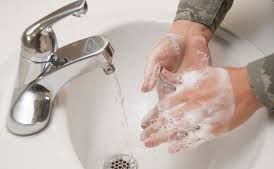
Poor hand hygiene may be the most common means of transmission of E. coli bacteria

mani
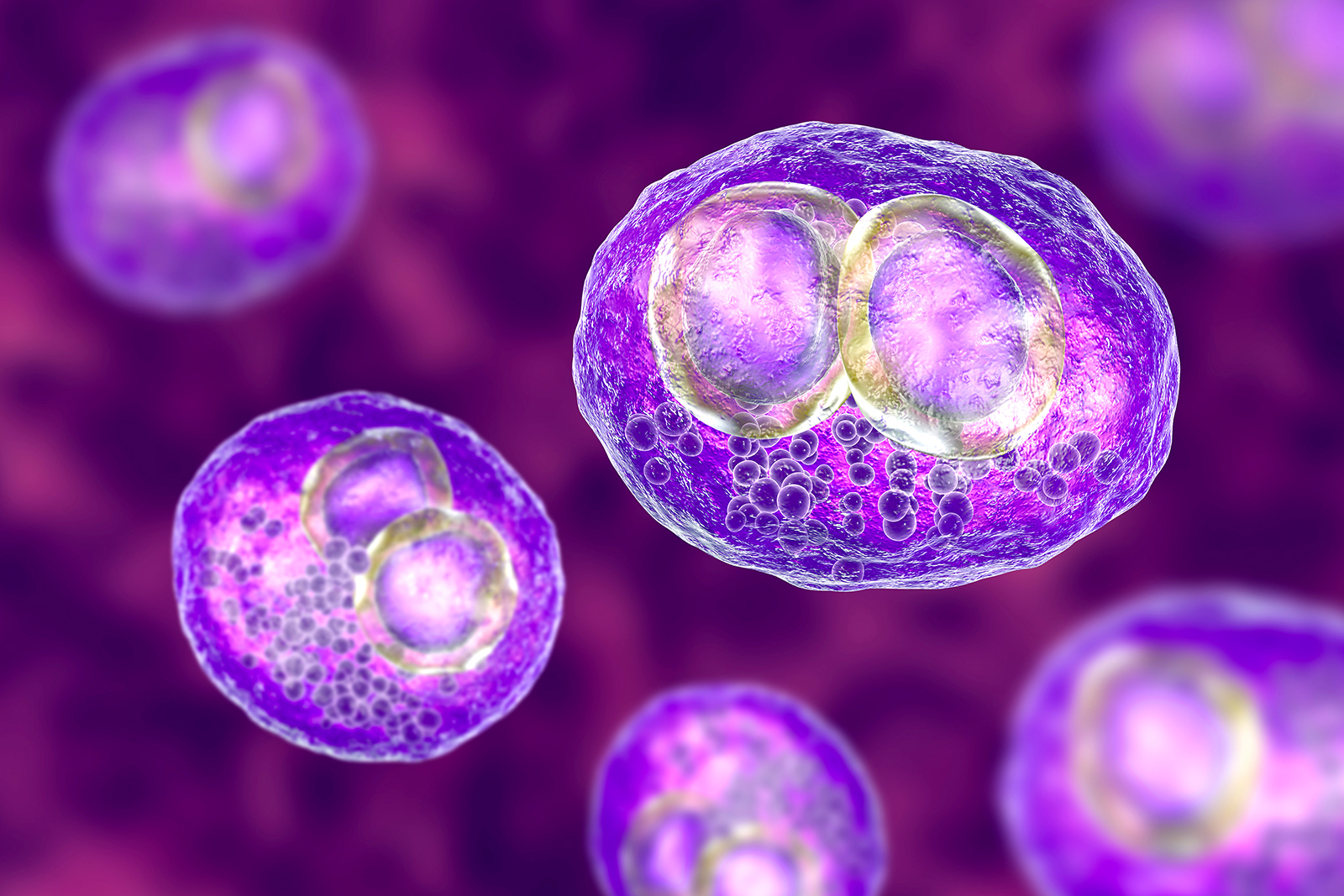
According to a British study, one of the best ways to reduce antibiotic-resistant Escherichia coli infections would be the generalized habit of washing hands after using the bathroom. Infections produced by this bacterium-dangerous and potentially fatal-are commonly attributed to undercooked meat or raw vegetables, but when researchers did a genetic analysis of thousands of samples, they found that most E. coli infections in the United Kingdom were caused by a strain found in the human gut and sewage, but rarely found in food.
The authors of the study published in Lancet Infectious Diseases infer that the infection is spread primarily by human fecal particles transmitted from person to person. David M. Livermore, the University of East Anglia medical microbiologist who coordinated the study, calls E. coli a “Jekyll and Hyde organism”: in fact, the bacterium lives normally in the intestines of humans and animals without producing any harm, but some strains can be very dangerous and can be responsible for food poisoning and bloodstream infections. Until recently, these conditions were easily treated with antibiotic prophylaxis, but for the past 15 years or so, Escherichia coli has become more resistant to antibiotics and much more difficult to treat, effectively turning into “superbugs”, one of those deadly bacteria that, in Italy alone, causes more than 10,000 deaths a year.
To learn more about the spread of E. coli and thus infer its mode of transmission, british researchers performed genome sequencing on samples collected in 2013 and 2014 from humans, animals and sewage in five areas: London, East Anglia, Northwest England, Scotland, and Wales.
DNA sequencing showed an abundance of antibiotic-resistant E. coli strains in wastewater and retail chicken meat, rarely on other meats and never on plant-based foods. In addition, samples of a particular resistant strain, called ST131, collected from human blood, feces, and sewage combined: ” the problem we encountered – Livermore deduced from this – is the circulation of resistant E. coli adapted to the human organism and not infections derived from the food chain“.
As some infectiologists have pointed out, it is obviously important to practice good food safety practices, but the study suggests that good hand hygiene to prevent transmission is by far the most effective measure. Attention to hygiene is particularly relevant in homes for the elderly, as most serious E. coli urinary tract infections occur in those settings.
Source: Day MJ, Hopkins KL et al. Extended-spectrum β-lactamase-producing Escherichia coli in human-derived and foodchain-derived samples from England, Wales, and Scotland: an epidemiological surveillance and typing study. Lancet Infect Dis. 2019 Oct 22.

FEATURED SPECIALISTS

  • Profile picture of Dott.ssa Federica Filigheddu
    active 5 years, 8 months ago

    Basic Doctors

    phone
  • Profile picture of Dr. Squillante Gianni Erminio
    active 5 years, 8 months ago

    Acupuncturists, Homeopathic Medicine, Basic Doctors

    • Via Monterotondo 14 - Roma
    phone
  • Profile picture of Dott.ssa OLGA PETROVSKAIA
    active 5 years, 8 months ago

    Pain therapists, Basic Doctors, Therapist

    • Via Giulio Romano 3 - Valle Martella
    phone
  • Profile picture of Dott. Flavio Della Croce
    active 5 years, 8 months ago

    Psychotherapists, Basic Doctors

    • Via Sacconi 1 - Borgonovo Val Tidone
    phone
  • Profile picture of Dott.ssa Cinzia Maria Zurra
    active 5 years, 8 months ago

    Basic Doctors, Aesthetic Doctors, Nutritionists

    • Viale Rimembranze 5 - Triuggio
    phone

RELATED ARTICLES

Pollution and health: new evidence of harm

After decades of underestimating the unfavorable effects of pollution on human health, studies and evidence on the subject have been multiplying for some years now, unfortunately all of them directed

Home Remedies: What Works?

Treating Ailments with Home Remedies It’s best not to fully rely on what you’ve heard about curative remedies; it’s always better to discuss them with your primary care physician before

RELATED PATHOLOGIES

Suppurative hydrosadenitis

Hydrosadenitis suppurativa (HS, Hidradenitis Suppurativa), also called acne inversa or Verneuil’s disease, is a chronic inflammatory disease of the skin characterized by the appearance of subcutaneous nodules (cysts), single or

Peyronie’s or curved penis disease

Peyronie ‘s disease is a condition resulting from an abnormality of the penis due to fibrous scar tissue that appears on the penis changing its shape during erection, which becomes

Vitiligo

Vitiligo is a skin disease with unknown causes, characterized by the presence of skin patches that are lighter in color (or completely devoid of pigmentation) than the typical coloration of

Warts

Warts are benign formations that can appear on the skin anywhere on the body as a result of infection by one of the viruses of the human papilloma family or

Acne

The term acne is derived from the Greek word acmé or acné, meaning foam or summit, and denotes a skin disease that is widespread in the young population, characterized by

Mycosis

Cutaneous mycoses are a fairly large and diverse group of dermatologic conditions determined by the colonization of the epidermis by microorganisms such as Malassezia furur (responsible for pityriasis versicolor), dermatophyte

Herpes simplex

Herpes simplex is a disorder of an infectious nature caused by the virus of the same name (Herpes simplex virus – HSV type 1 or 2) and characterized by the

Bullous epidermolysis

Epidermolysis bullosa (EB) corresponds to a group of rare and disabling genetic diseases characterized by the appearance of blisters and lesions on the skin and in the inner mucous membranes,

Chickenpox

Chickenpox to date remains the most prevalent vaccine-preventable disease in our country. It is transmitted airborne, person-to-person, through Pflugge droplets or by direct contact with skin lesions of patients with

Candidiasis

Candida Albicans and other related species can result in different types of infections. Cutaneous candidiasis include the condition of eroded skin between the toes, balanines the mycosis of the nails,

FEATURED SPECIALISTS

  • Profile picture of Dott. Sandro Morganti
    active 5 years, 8 months ago

    Orthopedists, Basic Doctors, Osteopaths

    • Via Foligno 6 - Roma
    phone
  • Profile picture of Dr. Lorenzo Cerreoni
    active 5 years, 8 months ago

    Aesthetic Doctors, Basic Doctors

    • Via Macero Sauli 52 - Forlì
    phone
  • Profile picture of Dott.ssa Ilaria Berto
    active 5 years, 8 months ago

    Basic Doctors, Acupuncturists, Aesthetic Doctors

    • Via Antonio Corradini 1 - Este
    phone
  • Profile picture of Dott. Giovanni Adamo
    active 5 years, 8 months ago

    Angiologists, Basic Doctors

    • Provincia di Ragusa - Ragusa
    phone
  • Profile picture of Dott.ssa Federica Filigheddu
    active 5 years, 8 months ago

    Basic Doctors

    phone

prenota il tuo viedeoconsulto in convenzione

Completa il form e sarai contatto dal personale medico specializzato

your advertising
exclusively ON
MY SPECIAL DOCTOR

complete the form and you will be contacted by one of our managers