

of

Ivy, mushrooms and other poisonous plants

funghi-velenosi

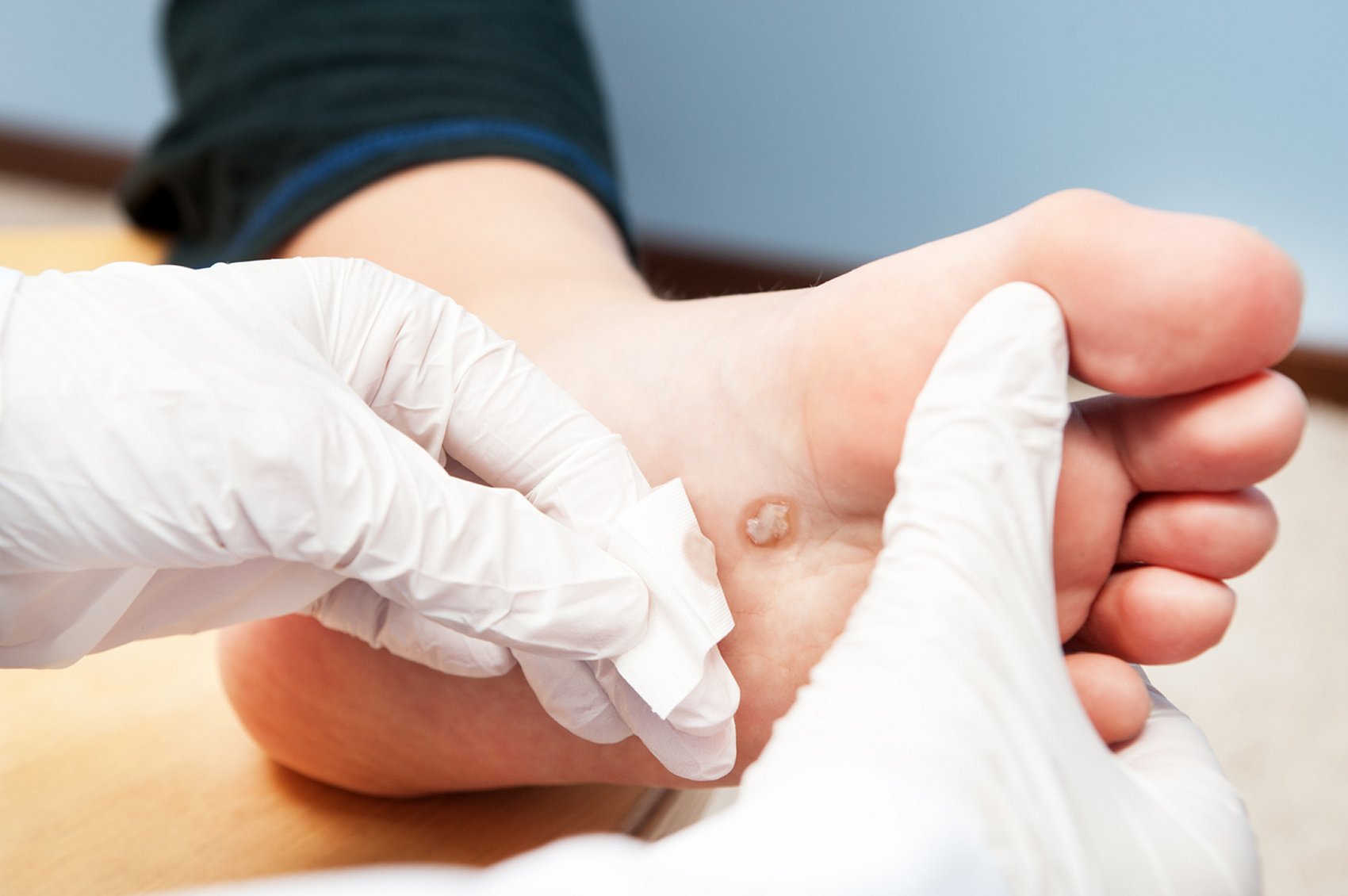
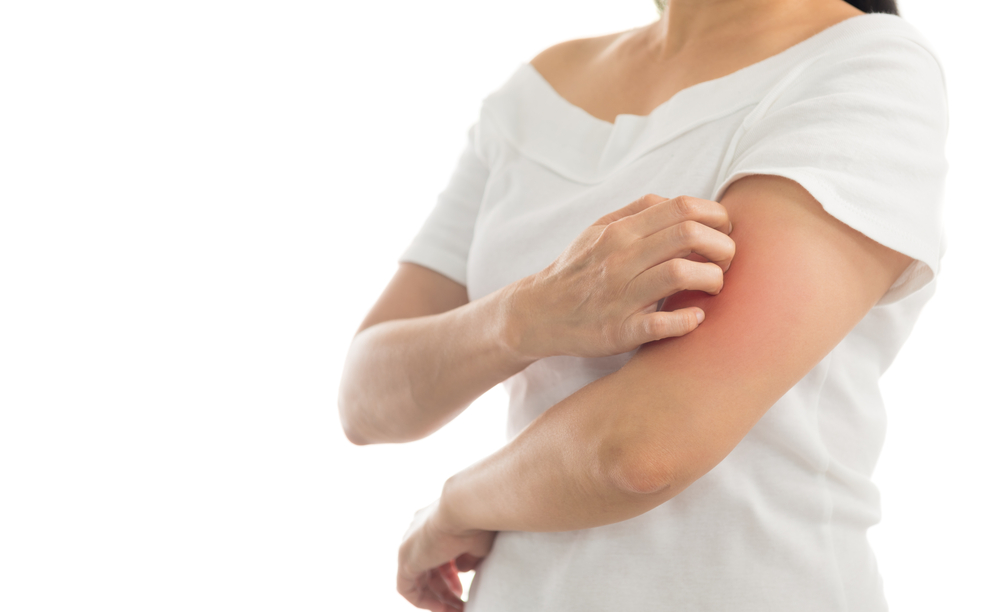
Ivy, oak and sumac plants cause an allergic reaction, and often resulting in a rash, in half of adults. A proportion of these individuals have a skin reaction, and only in 15-25% of cases is edema and eruption of blisters observed. Allergic people can come into contact with this plant through clothing, shoes, from contact with animal hair or through smoke from burning plants. There is no risk in touching the liquid contained in the vesicles. Symptoms include itching, erythema, edema, and blisters, depending on the form through which one is infected. Severity is certainly important, but so is the extent of the affected skin; in fact, the larger it is, the greater the need for medical treatment.

What to do?

  1. Those who know they are allergic and have come in contact with a poisonous plant should act immediately. Many victims do not realize the contact until many hours or even days later. The moment the itching and rash appears, use soap and water to clean the skin or apply alcohol. Rinse to remove solubilized material.
  2. For mild forms, 4 different methods can be used: tablets soaked in Burow’s solution, calamine or zinc oxide lotion, warm water mixed with two cups of colloidal vein flour, and baking soda paste.
  3. For mild-to-moderate forms, however, treat the skin as for the mild form. Apply cortisone ointment and for itching soak the affected area in warm water.
  4. For severe forms, use an oral corticosteroid or apply a corticosteroid ointment or cream and cover with a clear plastic sheet.

Mushrooms

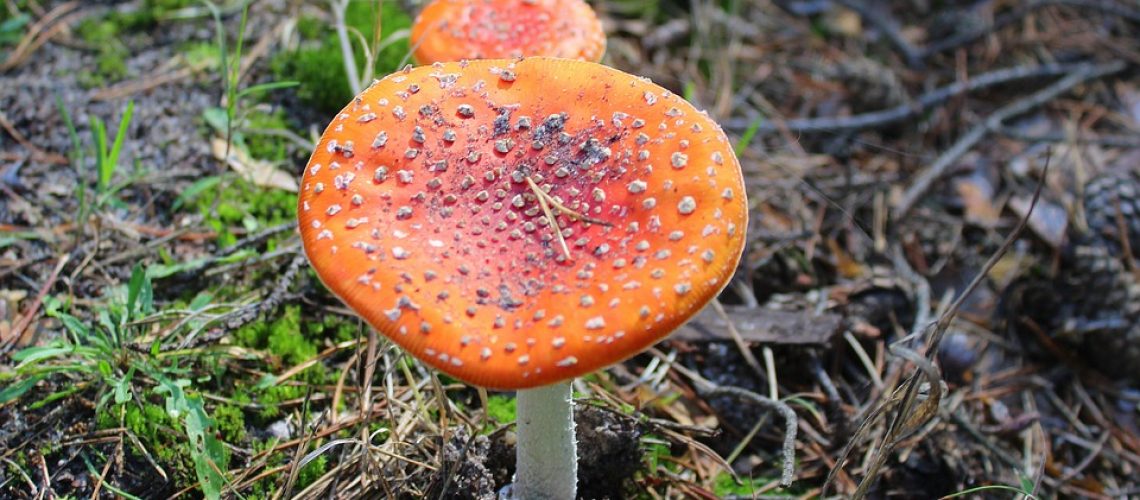
In Italy, among the most poisonous substances are mushrooms. They cause long incubation syndromes and short incubation syndromes.

What to do?

  1. In case of phalloid syndrome, nausea, vomiting, diarrhea, and abdominal pain appear after a period of 6 to 20 hours. Treatment consists of gastrolusion with vegetable charcoal. This involves antibiotic therapy with forced diuresis.
  2. In case of anticholinergic syndrome, the symptoms are dizziness, nausea, and vomiting. Later, delirium, hallucinations, coma, and respiratory depression appear. Therapy consists of gastrolusion treatment with activated charcoal, sedation, and fluid therapy.
  3. Tearing, miosis, rhinorrhea, broncho-spasm, vomiting, hypotension, tremors and paresthesias appear 2 hours after ingestion in the case of cholinergic syndrome. Treat the syndrome with gastroluxis.

Source: Mediserve‘s Pocket Guide to First Aid.

FEATURED SPECIALISTS

  • Profile picture of Dott.ssa Monica Calcagni
    active 5 years, 8 months ago

    Gynecologists, Aesthetic Doctors, Basic Doctors

    • Via Casilina 32 - Arce
    phone
  • Profile picture of Dr. Giovanni Arrichiello
    active 5 years, 8 months ago

    Gynecologists, Basic Doctors

    • Corso Regina Margherita 260 - Torino
    phone
  • Profile picture of Dr. Tiziana Volpe
    active 5 years, 8 months ago

    Gynecologists, Basic Doctors, Professional Counselor

    • Piazzale Jonio 50 - Roma
    phone
  • Profile picture of Dr. Lucia Catalano
    active 5 years, 8 months ago

    Gynecologists, Senologists, Basic Doctors

    • Via Belluno 1 - Roma
    phone
  • Profile picture of Dott.ssa Maria Grazia Caruana
    active 5 years, 8 months ago

    Aesthetic Doctors, Basic Doctors

    • Viale Prassilla 41 - Roma
    phone

RELATED ARTICLES

Anuria and oliguria: what to do?

The anuria Is the failure of the kidney to produce urine. Oliguria, on the other hand, is the production of insufficient amount of urine to maintain homeostasis. Le causes may

Metals and metalloids: thallium

Although thallium comes used in industry does not appear to create employment risks. The action of the thallium at the biochemical level is not yet known and all we can

Thoracic injuries: what to do?

These kinds of lesions can be of 2 types: pulmonary and chest wall. It is necessary to keep those affected by a chest injury while conscious, sitting or with head

Injury of the fingers and toes

FRACTURE/LUXATION For detect a fracture it is necessary for the patient to test the percussion, holding the fingers in full extension on a solid surface. Firmly strike the fingertips, and

Heavy metals and metalloids: copper

Copper is widespread in nature and is an essential element for many life forms. In the metabolic disorder known as Wilson’s disease, copper accumulates in the body leading to hepato-lental

Pneumonia in children

Pneumonia is a disease characterized by inflammation of the pulmonary alveoli, which are fill with fluid that hinders respiratory function. The most Common are fever, vomiting and poor appetite, but

Poisonings: dinitro-compounds

These compounds are used in orchards as a “winter wash” and as a herbicides in summer. From a toxicological point of view, their action biochemistry is common to all compounds.

Cardiorespiratory arrest in children

In pediatric age often respiratory arrest precedes cardiac arrest. The causes can be of different nature: respiratory, cardiological, neurological, from shock, from drugs, metabolic imbalances, or environmental causes. The signs

Poisonings: clinical monitoring

Laboratory investigations date back more than 150 years, when analysis was first used. quantitative chemistry. The main purpose was to solve cases uncertain legal. The transition from the cautious and

What is the intragastric balloon?

The intragastric balloon is inserted through endoscopic intervention into the stomach. It induces a partial filling of the stomach, causing the subject to feel full, which turns him or her

RELATED PATHOLOGIES

Candidiasis

Candida Albicans and other related species can result in different types of infections. Cutaneous candidiasis include the condition of eroded skin between the toes, balanines the mycosis of the nails,

Syphilis

Syphilis is a sexually transmitted disease (STD) caused by the bacterium Treponema pallidum and characterized by three successive stages of increasing severity (primary, secondary, and advanced syphilis), with slow and

Furunculosis

Furunculosis is a dermatitis characterized by the presence of clusters of furuncles that tend to develop on the neck, buttocks, face and arms. It is generally due to skin infection

Mycosis

Cutaneous mycoses are a fairly large and diverse group of dermatologic conditions determined by the colonization of the epidermis by microorganisms such as Malassezia furur (responsible for pityriasis versicolor), dermatophyte

Milky crust

Milk scab, technically referred to as “neonatal seborrheic dermatitis” or pityriasis capitis, is a transient and essentially harmless dermatologic disorder that affects the scalp of many infants and infants.

Angioma

Angiomas, also called “hemangiomas,” are benign vascular malformations involving arterial or venous capillaries and can affect anywhere on the body, but they tend to appear most often on the skin

Bullous epidermolysis

Epidermolysis bullosa (EB) corresponds to a group of rare and disabling genetic diseases characterized by the appearance of blisters and lesions on the skin and in the inner mucous membranes,

Dermatitis

The term dermatitis refers to a fairly heterogeneous group of skin diseases, largely characterized by more or less pronounced inflammation and induced by a wide variety of causes (irritation, allergic

Cellulite

Cellulite is an inflammatory-based alteration of the fat-rich subcutaneous tissue(panniculus adiposus), triggered by fluid stagnation due to poor venous and lymphatic circulation (lymph is a fluid that flows in channels

Atopic dermatitis

Atopic dermatitis or “atopic eczema” is a chronic inflammatory skin disease, associated with pruritus, that typically begins in the early years of life, then persisting throughout the pediatric years and

FEATURED SPECIALISTS

  • Profile picture of Dr. Domenico D'Angelo
    active 5 years, 8 months ago

    Otolaryngologists, Basic Doctors, Competent Doctor

    • Via Pola 5 - San Prisco
    phone
  • Profile picture of Dott.ssa Erminia Maria Ferrari
    active 5 years, 8 months ago

    Homeopathic Medicine, Basic Doctors, Pediatricians

    • Via San Carlo 3 - Castel Rozzone
    phone
  • Profile picture of Dr. Lucia Catalano
    active 5 years, 8 months ago

    Gynecologists, Senologists, Basic Doctors

    • Via Belluno 1 - Roma
    phone
  • Profile picture of Dott.ssa OLGA PETROVSKAIA
    active 5 years, 8 months ago

    Pain therapists, Basic Doctors, Therapist

    • Via Giulio Romano 3 - Valle Martella
    phone
  • Profile picture of Dr. Lorenzo Cerreoni
    active 5 years, 8 months ago

    Aesthetic Doctors, Basic Doctors

    • Via Macero Sauli 52 - Forlì
    phone

prenota il tuo viedeoconsulto in convenzione

Completa il form e sarai contatto dal personale medico specializzato

your advertising
exclusively ON
MY SPECIAL DOCTOR

complete the form and you will be contacted by one of our managers