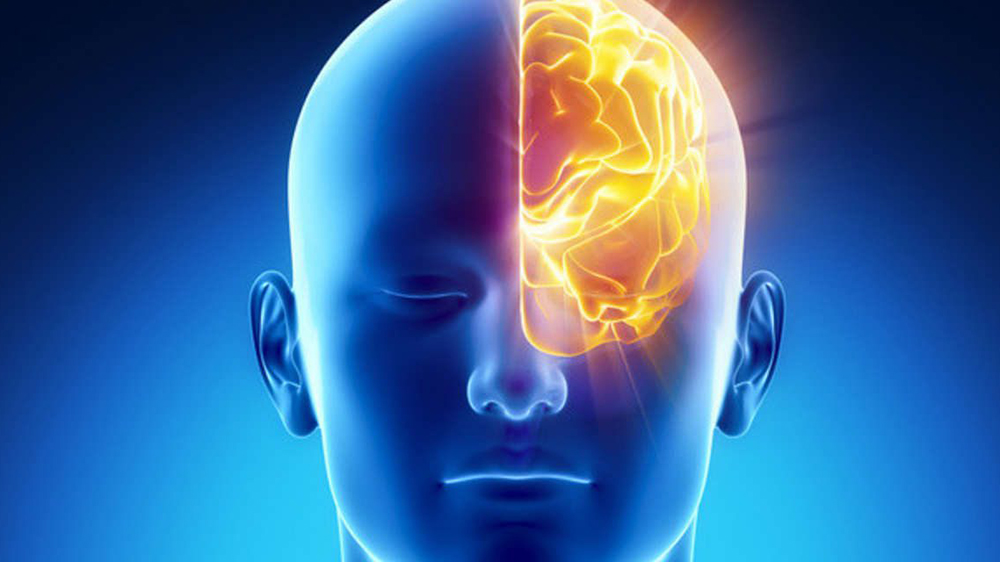





Parkinson’s disease is a chronic progressive disease; it was first described by James Parkinson in 1817. After dementias, it is the most common neurodegenerative disease.
EPIDEMIOLOGY
The condition is equally prevalent worldwide; the average age of onset is between
55 and 60 years of age
and affects
1-2% of the entire population over 65 years of age; 5% of those affected are under 40 years of age.
In Italy there are about
220 thousand people affected.
ETIOPATHOGENESIS
Various risk factors for Parkinson’s disease have been identified, including age, family history, male gender, environmental exposure to herbicides, pesticides, metals (manganese, iron), well water, residence rural, mental and physical trauma, emotional stresses.
A protective factor, on the other hand, is cigarette smoking.
.
The cause of the disease is unknown, but it is probably the result of an interaction between environmental toxins, genetic susceptibility, and senescence.
Mitochondrial dysfunction and oxidative stress
are now considered among the main mechanisms underlying the disease.
In a .small percentage
of the cases a genetic cause
. Major mutations include those affecting genes coding for
alpha-synuclein
and for
parkin
.
The
pathogenesis
is related to the
degeneration of most of the dopaminergic neurons in the black substance
(nerve structure located at the level of the midbrain). This results in the reduced production of
dopamine
, a key neurotransmitter in the
regulation of movement
. Symptoms of the disease become apparent
When more than 70 percent
of dopaminergic neurons were lost.
The main alterations involve the
black substance
which appears paler than normal; within it there is a reduction in the number of neurons and in surviving neurons inclusions of a substance called
alpha-synuclein:
are the so-called
Lewy bodies
, which are not specific to Parkinson’s disease, as they can also be found in
Lewy body dementia
and in
Alzheimer’s dementia.
SYMPTOMATOLOGY
The onset is sneaky
with tremor in one hand
, but also often with
joint pain, depression of mood, easy fatigability.
The cardinal symptoms are
resting tremor
, the
slowness of movement
, also called bradykinesia,
and the
rigidity
. To these symptoms must be added postural instability. PD is a
asymmetric pathology
in that, especially in the early stages, it affects one half of the body more than the other .
Let us go on to illustrate the basic symptoms.
The resting tremor, present in about 70% of cases, has a frequency of 4-6 shocks per second and at onset affects only one hand and, in particular, the first three fingers, giving the impression of “count coins“; tremor is accentuated under conditions of emotional tension, fatigue, o When the subject feels observed, while it is absent during sleep.
The
rigidity
is characterized by an
increased muscle tone
with
constant resistance
to mobilization. There may be the so-called
cogwheel phenomenon
, in that the presence of resistance to passive mobilization is alternated with
sudden failures
, brings to mind the
clicks of a gear
.
The
slowness of movement
(bradykinesia) is the third cardinal sign of the disease, also accompanied by reduced motility. During the march, the subject with PD gives the impression of having the
upper limbs attached to the body
without the characteristic
pendular movements
.
Also observed are
difficulties such as using a knife or fork, buttoning up or
unbuttoning, shave. The writing becomes trembling and uncertain and you shrinks (microgra phy), the facial expressions is reduced (amimia) (Figure 8). The subject, over time, assumes a prone posture with
Head flexed forward and knees and elbows flexed
.
Postural instability
is the difficulty in maintaining upright station in response to external thrusts; it can be the cause of disastrous falls and is present in about 40% of cases.
NON-MOTOR SYMPTOMS
Autonomic nervous system involvement is characterized by the presence of
orthostatic hypotension, constipation, sialorrhea, seborrhea, increased sweating
At the level of the head and neck. Urinary disorders may be present such as urinary urgency
and increased
urinary frequencyI.
The
cognitive impairment, usually moderate, is present in up to 60 percent of cases; there may be impairment of attention, concentration and memory and slowness in performing executive tasks. Unfortunately in some cases until the
in 20%
may be present a
frank dementia
subcortical type
The
depression of mood tone
is often present but under-diagnosed and under-treated. I sleep-wake rhythm disorders are very common being able to affect up to 90% of people with PD. They can consist of
excessive daytime sleepiness
or in
difficulty in initiating or maintaining sleep
, or in
poor sleep quality with frequent awakenings
and reductions in stages III and IV sleep and REM sleep.
DIAGNOSIS
It is mainly based on the recognition of the three main signs
, resting tremor, rigidity and bradykinesia with unilateral onset, and the response to L-DOPA.
CT or MRI scans of the brain are normal or at most can demonstrate the presence of some degree of brain atrophy, which is otherwise highly variable.
The following can be used to assess presynaptic dopaminergic pathways
the SPET-DaT SCAN, which s
erve to show alteration of dopaminergic pathways, but is not always superior to clinical diagnosis.
To assess the degree of disability, the use of Rating Scales is useful. The most widely used are the UPDRS and the Hoehn and Yahr Scale.
THERAPY
Initially there is a good drug response; later, as the disease worsens, the response to drugs worsens and fluctuations appear especially in the area of motor symptoms. These include the on-off phenomenon, sudden lack of response to medication with no relation to the timing of intake; wearing-off, predictable reappearance of parkinsonian symptoms after a number of years due to the shorter duration of response to medication; and freezing of gait or simply freezing, sudden motor blockage that occurs at the onset of walking, or in crossing narrow passages, or in changes of walking direction; in the latter case, the subject reports having his or her feet as if glued to the floor.