



Despite the fact that most human beings do not adopt a strictly vegetarian diet, plants in the diet are not only plentiful, but are consumed in all their parts, even the most unusual ones, from root to flower!
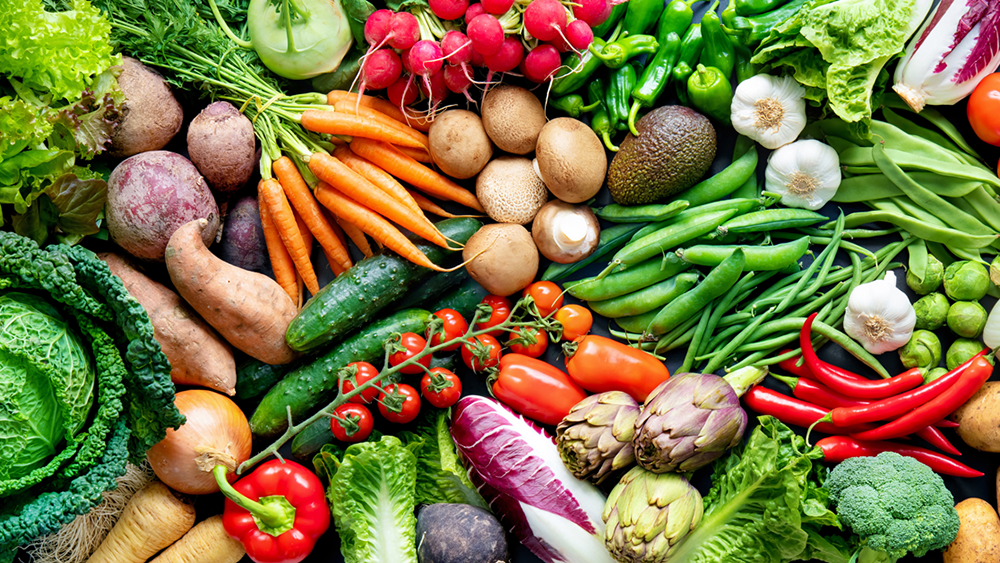
The plant-based foods on our tables are numerous and we have always consumed a great deal of them, as they bring essential nutritional elements to our diet: in addition to carbohydrates and protein, fruits and vegetables are rich in fiber, vitamins, minerals and water.
When we think of plant foods, the color green immediately comes to mind because we associate it with eating the leaves, the key organs for photosynthesis; lettuces of various types and herbs are a clear example. But the most curious aspect of plant nutrition is that it involves the consumption of all other plant organs-we really are capable of eating any plant-derived structure!
For example of the species Daucus carota, the carrot, we consume the roots, which in this species are particularly tasty, sweet-tasting and typically orange in color, but there are also other colors: the purple ones are very tasty and also preferable for those who tend to a diet with less sugar.
Do you know about radishes? Have you ever wondered which part of the plant they correspond to? Radish is a brassicacea of which we consume the
hypocotyl
, which is the tract of the
stem
between the aerial part of the plant and its root, which in this case is particularly enlarged and succulent.
One of the foods that reigns on all tables and that we cook in so many different ways is a keg! Yes, we are talking about the plant organ that supports branches and leaves; the stem we are talking about, however, is different because it is modified to fulfill the function of an underground organ of water and starch reserve, a reserve from which the plant draws when it needs to regenerate the aerial part; it is technically a tuber. And it is the most beloved tuber in the kitchen: the potato!
From an instead aerial stem, that of Saccharum officinarum, we derive a syrupy fluid: sugar.
We are able to extract food products even from the arid, woody barks: there is a spice that is used in both sweet and savory recipes and is made, just think, from the bark! Branches and stems of Cinnamomum sp., a species of Asian origin, are processed to extract the inner part of the bark from which cinnamon is made.
We even consume the petioles, which are the leaf-bearing structures that connect the leaves to the stem; an example isApium graveolens, the common celery.
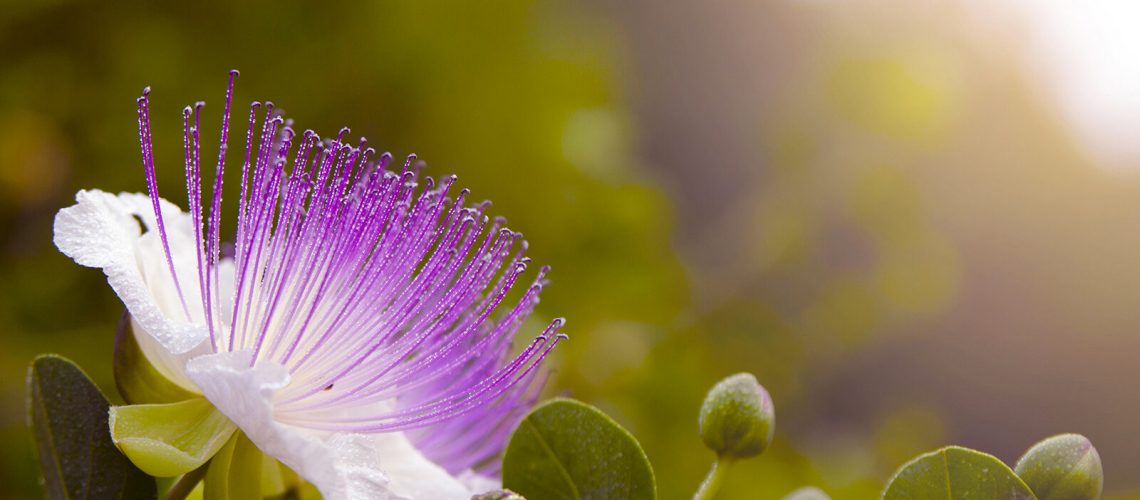
Have you ever eaten buds? Definitely! I capers, which we gladly use to season some typical dishes of our Mediterranean cuisine, are the flowers of the species Capparis spinosa, and we consume them before theantèsi floral, that is, before the flower opens initiating the reproductive season; if we did not eat them, these buds would become very showy and elegant flowers.
Artichokes are actually buds as well, particularly of the species Cynara cardunculus, subspecies scolymus, and again our gluttony deprives us of the spectacle of their beautiful purple inflorescences.
Before anthesis, these flowers are completely enclosed within bracts, that is, modified leaves that serve a protective function in this case.
The artichoke part we consume is represented precisely by the base of the bracts as well asthe
floral receptacle
, that is, the axis on which all parts of the flower are placed.
But even after antèsi some flowers are present on our tables: fried pumpkin ones for example, but also primroses, violets, roses and daisies enrich omelettes, pies, risottos and salads. Needless to say, in each of the cases just listed, all we are doing is eating the sexual organ of the plant!
Fruits develop from the female part of the fertilized flower, and we consume all the fleshy ones, which are so many that they are divided into several categories of which we recall the main ones:
drupes
e
berries
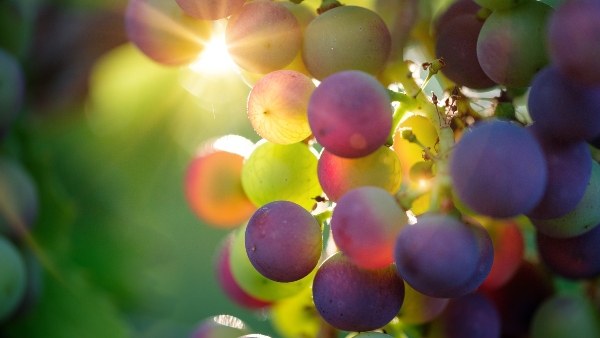
; stone fruits, whose fruit containsonly one seed, include some of the most widely grown fruit trees in our regions, such as theapricot and peach tree, plants native to China.
Among the berries, the fruit of which contains more semi, we like to mention some vegetables such as eggplant and peppers, which are respectively the fruits of the species Solanum melongena and Capsicum annuum, both belonging to the Solanaceae family; the word “vegetable” is the generic name by which “horticultural” plants, i.e., vegetable garden plants, are commonly referred to, regardless of which part of the plant is used.
But it doesn’t end there! Our gluttony also leads us to eat the spreading structures of plant species, containing the embryo that will give birth to the new plant: seeds! We eat a variety of them and consume the products derived from them.
What we commonly call “dried fruit,” is actually in some cases not even fruit: for example, peanuts or pistachios are also seeds found inside the fruits of Arachis hypogaea and Pistacia vera, respectively.
Processing the seeds of Theobroma cacao, a small tree native to Central America, yields a brown powder with a very bitter taste, cocoa, from which we get a food we could never give up: chocolate.
Many seeds we find as spices to flavor and season our dishes: cumin, fennel, and pepper are the most common ones.


Earlier we talked about the delicate plant-animal balance; we want to recall here the importance of this relationship as it is closely related to our nutrition: a great many fruits develop only through the intervention of the pollinating insects; during their tireless work, bees, butterflies, wasps and many other insects not only help plants reproduce but also help us humans: without them we would be forced to carry out a artificial pollination, that is, by hand or through machines.
The concern due to the disappearance of some wild insects is legitimate when we consider their contribution to the reproduction of so many species and the consequent reduction in plant biodiversity.