

of

Prostate cancer

Summary

Prostate cancer is a common type of cancer in men. It forms in the prostate, a small gland at the base of the male bladder. Prostate cancer usually grows slowly but can spread to other parts of the body.

Risk factors

The cause of this cancer is not known, but some factors can increase the risk. It is more common in men over the age of 65 and in African American men.
It is more frequent in men who follow a diet high in fats. If there is a family history of the disease, the risk is higher.

Symptoms

In the early stages, most men do not notice any symptoms. As the disease progresses, urination becomes more problematic, and blood may be found in the urine or semen. The legs may swell, and there could be pain in the pelvic area, or even bone pain.

Treatment

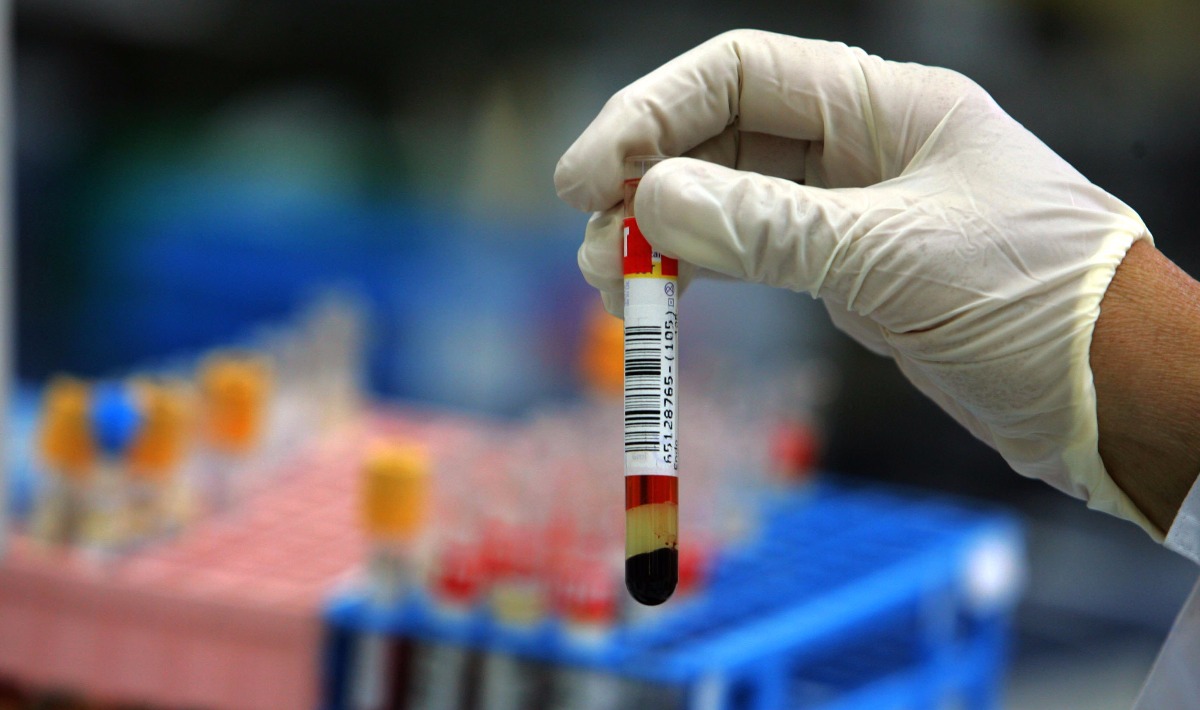
Treatment options depend on the type of cancer and when it is diagnosed. In the early stages, the doctor may consider “active surveillance” to be the best approach. During active surveillance, regular blood tests, rectal exams, and biopsies are performed to monitor the cancer, but no treatment is given. In some cases, this may be sufficient. If the cancer progresses, the doctor may recommend options such as chemotherapy, radiation therapy, hormone therapy, or surgery.

Complications

Prostate cancer and its treatment can lead to complications, such as problems controlling the bladder, or not being able to have an erection. The most risky complication is the possibility of cancer developing in other areas of the body. Ask your primary care physician for more information.


Overview

This is a common cancer in men. It forms in theprostate. That’s a small gland at the base of themale bladder. Prostate cancer usually grows slowly, but it can spread to other parts of your body.

Risk Factors

We don’t know what causes this cancer. Somethings raise your risk. It’s more common in menolder than 65, and in African-American men. Wesee it more in men who eat a diet high in fat. And,your risk is higher if you have a family history of thedisease.

Symptoms

During the early stages, most men don’t notice anysymptoms. As it progresses, you may haveproblems with urination. You may have blood inyour urine or semen. Your legs may swell. You mayhave pain in your pelvic area. You may have pain inyour bones.

Treatment

Care options depend on your cancer and when it’sfound. In the early stages, your doctor may think “watchful waiting” is best. During watchful waiting, you’ll have regular blood tests, rectal exams andbiopsies to monitor your cancer, but it won’t betreated. For some men, that’s enough. If yourcancer progresses, your doctor may recommendoptions like chemotherapy, radiation treatment, hormone therapy and surgery.

Complications

Prostate cancer and its treatment can lead tocomplications. You can have trouble controlling your bladder. You may not be able to get anerection. And, you may develop cancer in otherareas of the body. Ask your doctor for moreinformation.

FEATURED SPECIALISTS

  • Profile picture of Dr. Fabio Fabi
    active 5 years, 7 months ago

    Sports Doctors, Internist, Basic Doctors

    • Via Sarsina 147 - Roma
    phone
  • Profile picture of Dr. Vittorio Margutti
    active 5 years, 7 months ago

    Orthopedists, Basic Doctors

    • Via Marco Simone Poli 1 - Guidonia Montecelio
    phone
  • Profile picture of Dott.ssa Carmela Tizziani
    active 5 years, 7 months ago

    Coroner, Certifying Doctor, Basic Doctors

    • Via Gaetano Bruno 25 - Napoli
    phone
  • Profile picture of Dr. Sergio Ettore Salteri
    active 5 years, 7 months ago

    Basic Doctors, Chiropractors, Posturologists

    • Via Vial di Romans 8 - Cordenons
    phone
  • Profile picture of Dr. Monica Gamba
    active 5 years, 7 months ago

    Aesthetic Doctors, Plastic Surgeons, Basic Doctors

    • Viale Radich 21/N - Grugliasco
    phone

RELATED PATHOLOGIES

Medically assisted procreation (MAP)

Medically assisted procreation (MAP) encompasses a range of techniques directed at compensating for situations of infertility in couples, which may depend on the man or the woman. Couple infertility is

Endometrial cancer

Endometrial cancer is a neoplasm that develops at the level of the tissue lining the inner walls of the uterus and, for this reason, is also called simply uterine cancer,

Breast cancer

Breast cancer is the most common malignancy in the female population everywhere, albeit with different prevalence depending on geographic area, ethnicity, and lifestyle habits, and accounts for about 30% of

Ovarian cysts

Ovarian cysts are hollow formations filled with fluid or other materials that may occasionally form within or on the surface of the ovaries at different times in a woman’s life,

Hemorrhoids

Hemorrhoids are vascular structures of the anus and lower rectum that serve to maintain fecal continence. If they become swollen or inflamed, they become pathological and cause a syndrome known

Urinary incontinence

Urinary incontinence is a condition related to muscular or neurological deficits at the level of the pelvic floor (consisting of the muscle bundles that close the base of the abdomen),

Varicocele

Varicocele is a venous malformation that results from loss of tone and elasticity of the veins that collect blood from the testis and carry it upward into the large venous

Vaginal candidiasis

Vaginal candidiasis is one of the most common causes of genital and vulvar discomfort among women of childbearing age, especially between the ages of 20 and 40. At the origin

Amenorrhea

The term amenorrhea refers to the non-occurrence or absence of menstrual flow for a period of time of at least six consecutive months. In cases of “thinning” menstruation, for example,

Polycystic ovary syndrome

Polycystic ovary syndrome or PCOS (Polycystic ovary syndrome) is a fairly common hormonal disorder among women of childbearing age, so defined because it is related to the presence at the

Dyspareunia

Dyspareunia is defined as persistent genital pain that occurs in women shortly before or during intercourse and sometimes still present after intercourse has ended. Painful intercourse can occur for reasons

Peyronie’s or curved penis disease

Peyronie ‘s disease is a condition resulting from an abnormality of the penis due to fibrous scar tissue that appears on the penis changing its shape during erection, which becomes

RELATED ARTICLES

Main types of poisoning: salicylates

The most common type of poisoning is from aspirin, a drug that contains acetylsalicylic acid. Aspirin tablets are very popular among adults intent on poisoning. In the body, salicylates exert

THE CAUSES.

Sudden cardiac arrest comes mainly from cardiac pathology, such as from existing cardiovascular disease or coronary syndromes, representing the first and most obvious consequence of heart disease. There may be

Oral candidiasis

Oral candidiasis is aninfection of the mouth caused by a type of fungus called Candida Albicans. It is, therefore, a mycosis that can occur in both men and women of

Holidays, Melancholy and Covid

We have said it, read it, and are experiencing it on our own skin: this year's Christmas and New Year's holidays will be different than usual because of the pandemic.

New blood test detects eight types of cancer

Diagnosing cancer can be complicated and involve unpleasant procedures such as mammograms and colonoscopies; in addition, tumors are often detected only when they have reached a certain size. Researchers are

Hip osteoarthritis: symptoms and treatment

To better explain what is meant by hip osteoarthritis, I will quickly review the different types of this condition: The idiopathic or primitive form typical of old age is the consequence

Minerals: what are they?

Mineral salts are inorganic substances that, like vitamins, do not provide calories but perform important functions in the body. They: They are constituents cellular and tissue; They participate in the

Hashimoto’s thyroid

When the immune system launches an attack on the thyroid gland, the small gland located under the Adam's apple, which produces hormones that regulate so many functions of the human body.

FEATURED SPECIALISTS

  • Profile picture of Dr. Virgilio De Bono
    active 5 years, 7 months ago

    Aesthetic Doctors, Basic Doctors, Dermatologists

    • Via Ripense 4 - Roma
    phone
  • Profile picture of Dr. Giuseppe Panico
    active 5 years, 7 months ago

    Dermatologists, Basic Doctors

    • Viale Prassilla 41 - Roma
    phone
  • Profile picture of Dott. Gianlorenzo Casani
    active 5 years, 7 months ago

    Geriatrics, Certifying Doctor, Basic Doctors

    • Via Costantino Baroni 71/73 - Milano
    phone
  • Profile picture of Dott.ssa Emanuela Costantino
    active 5 years, 7 months ago

    Neurologists

    • Via Gallinara 2/B - Cagliari
    phone
  • Profile picture of Dott.ssa Francesca Vittorelli
    active 5 years, 7 months ago

    Therapist, Acupuncturists, Basic Doctors

    • Corso Andrea Palladio 134 - Vicenza
    phone

prenota il tuo viedeoconsulto in convenzione

Completa il form e sarai contatto dal personale medico specializzato

your advertising
exclusively ON
MY SPECIAL DOCTOR

complete the form and you will be contacted by one of our managers