


of

Disseminated intravascular coagulopathy

sangue

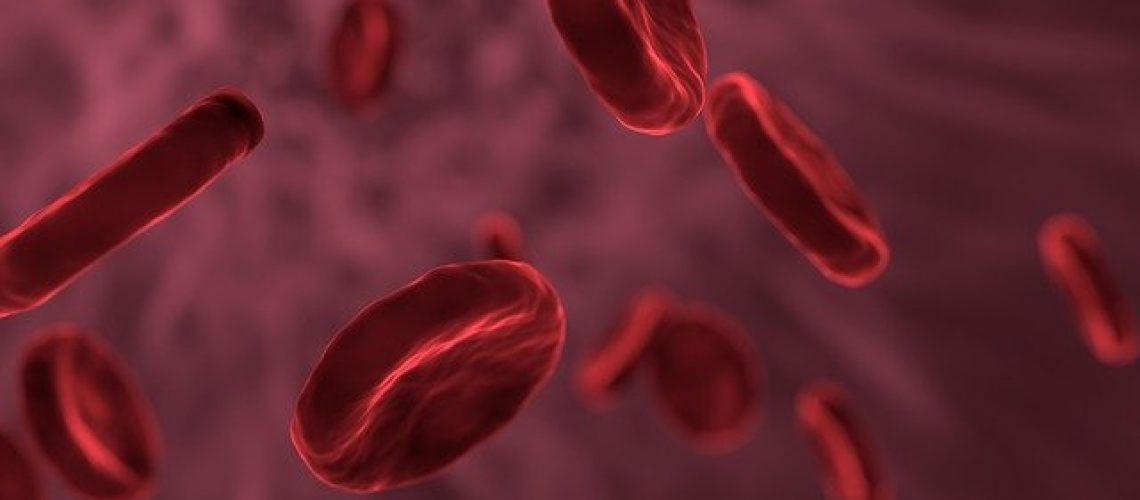
Coagulopathy is related to different clinical pictures, involving the activation of the process of coagulation resulting in thrombus deposition in the microcircle and consumption of coagulation factors and platelets.

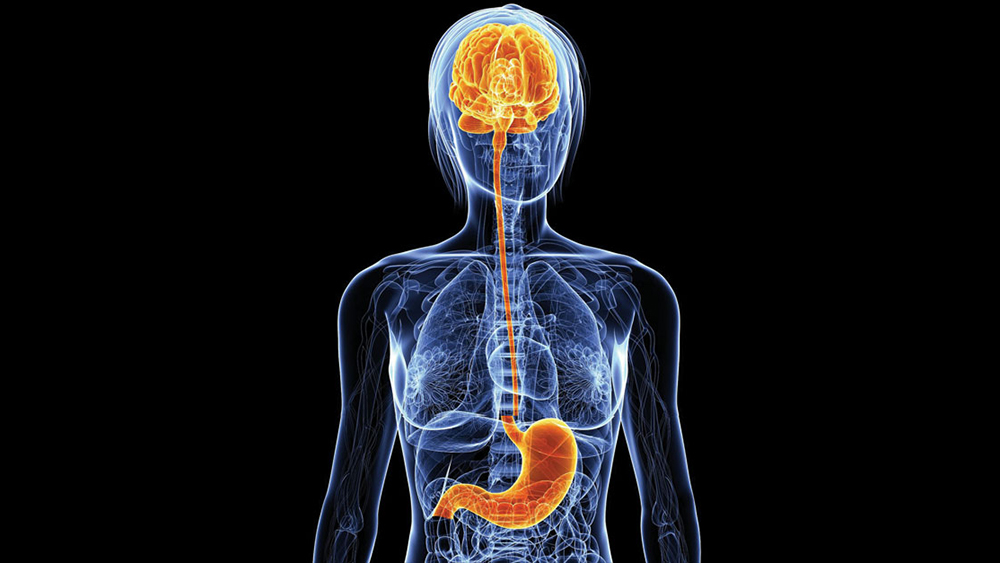
The triggers are. bacterial sepsis, viral infections, trauma, burns, shock, injury cranial, tumors, hemangiomas, and intravascular hemolysis. The typical signs of coagulopathy are bleeding, thrombosis, and possible complications to the system gastroenteric. DIC-specific therapy may be necessary if the trigger is not controllable or if there is severe bleeding in progress. Yes based on the use of clotting factors, platelet concentrates or apheresis, concentrated hematins and heparin.

Some laboratory tests such as CBC, peripheral blood smear and coagulation tests should be followed.

Source: Mediserve‘s Medical Emergencies in Pediatrics.

FEATURED SPECIALISTS

  • Profile picture of Dr. Tiziana Volpe
    active 5 years, 8 months ago

    Gynecologists, Basic Doctors, Professional Counselor

    • Piazzale Jonio 50 - Roma
    phone
  • Profile picture of Dott. Franco Cicerchia
    active 5 years, 8 months ago

    Ophthalmologists, Acupuncturists, Basic Doctors

    • Via Alcide de Gasperi 39 - Palestrina
    phone
  • Profile picture of Dott.ssa Maria Grazia Caruana
    active 5 years, 8 months ago

    Aesthetic Doctors, Basic Doctors

    • Viale Prassilla 41 - Roma
    phone
  • Profile picture of Dott.ssa Floriana Di Martino
    active 5 years, 8 months ago

    Aesthetic Doctors, Basic Doctors

    • Piazza della Rinascita 13 - Pescara
    phone
  • Profile picture of Dott.ssa Izabella Sylwia Bartosiewicz
    active 5 years, 8 months ago

    Basic Doctors, Rheumatologists

    phone

RELATED ARTICLES

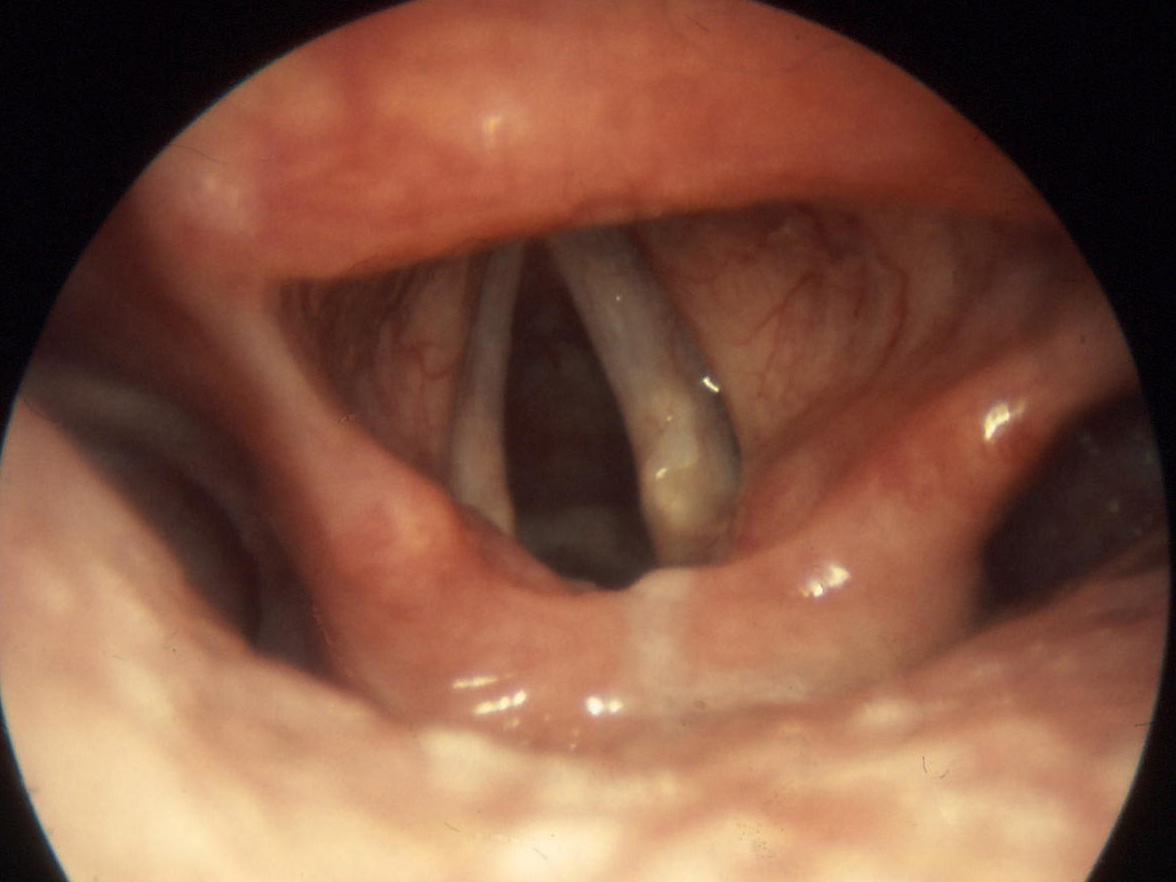
Hypoglottic laryngitis

It is an infection of the subglottic tissue with edema caused by a virus. Hypoglottic laryngitis occurs mainly in children under three years of age, with sudden onset after previous

Carbamate insecticides: what are they?

Carbamate insecticides are being used more and more often as commercial pesticides. The pharmacological action is similar to that of the organophosphorus compounds, with the difference that binding to cholinesterases

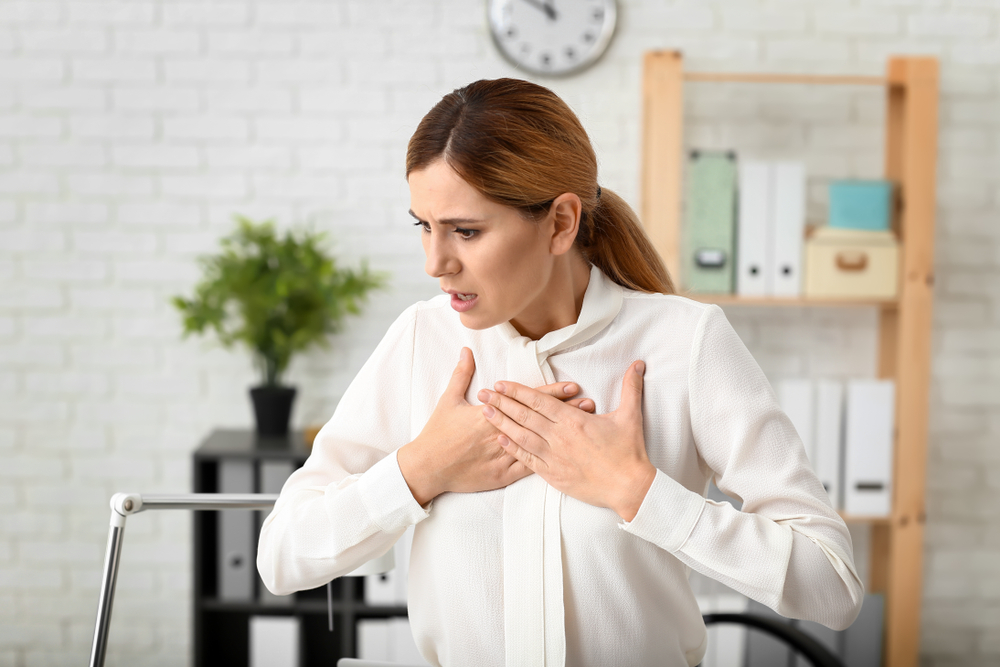
Hyperventilation: what to do?

Hyperventilation is when breathing is faster and deeper than usual as a result of emotional stress or anxiety. Symptoms of hyperventilation include fast and deep breathing, dizziness, chest pain, sweating,

Kawasaki syndrome and disease

Kawasaki syndrome is a disease also known as mucocutaneous lymph node syndrome. It is a vasculitis, sometimes affecting coronary arteries, that tends to occur in infants and children between 1

Shock in children

Shock is the condition in which the circulatory supply is Insufficient to meet the body’s metabolic needs. Tissue hypoperfusion can be realized through three mechanisms: the reduction of global blood

Exposure to chemicals

A corrosive substance can damage tissue within minutes, so it is very important to remove it quickly. What to do? First, immediately call for an ambulance. If the chemical remains

Urgent endoscopy in pediatrics

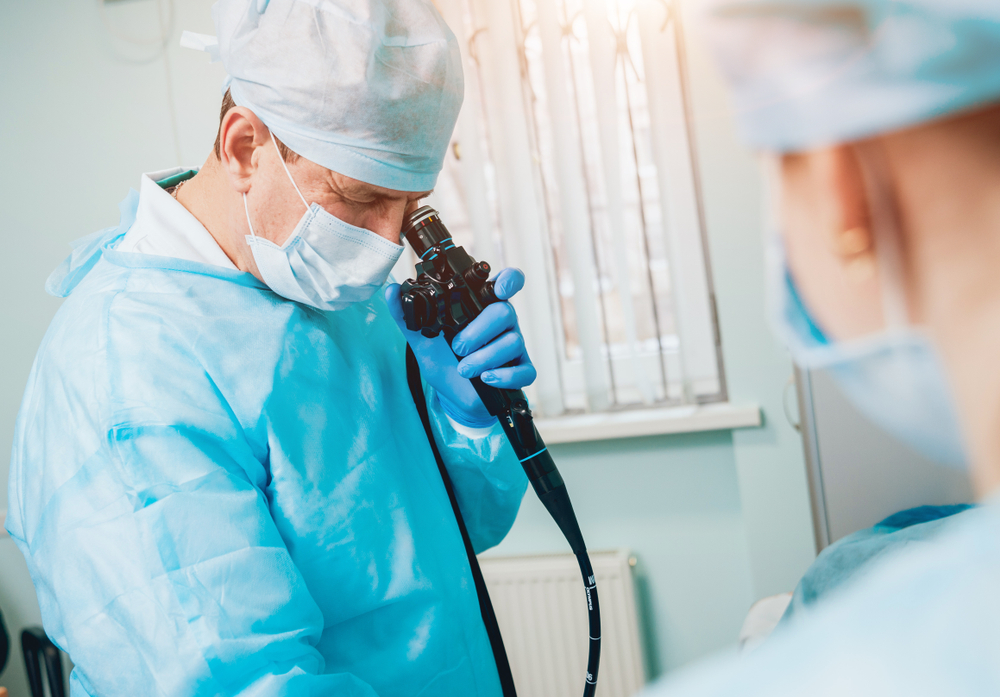
Digestive endoscopy with fiberoptic instruments is also considered a routine technique in the pediatric age group. The examination often needs to be performed urgently, within 24 to 48 hours of

Anuria and oliguria: what to do?

The anuria Is the failure of the kidney to produce urine. Oliguria, on the other hand, is the production of insufficient amount of urine to maintain homeostasis. Le causes may

Drowning: what is the treatment to take?

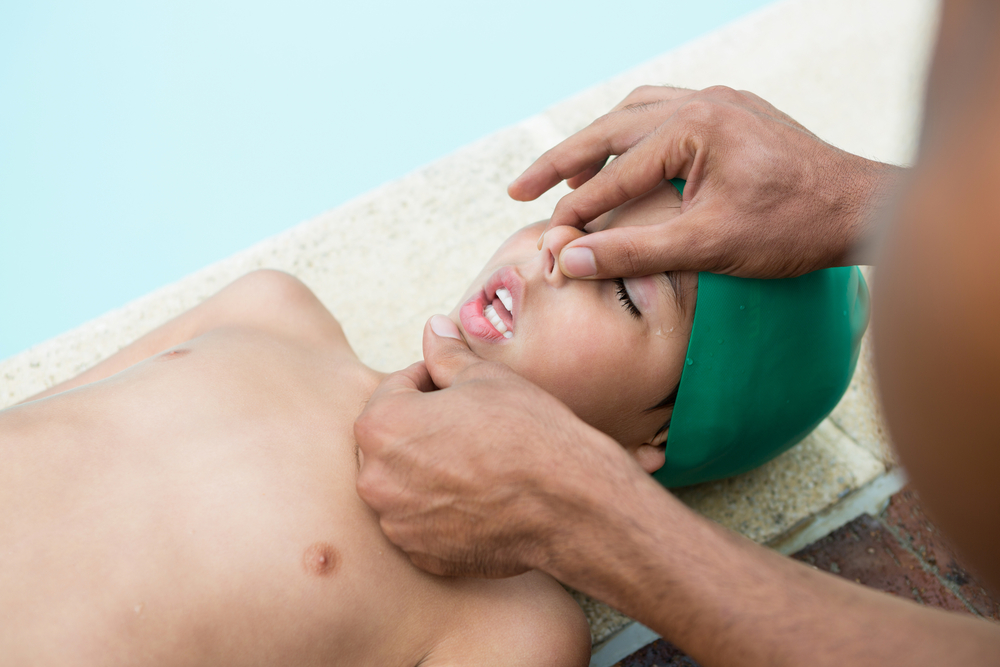
When we talk about drowning we are talking about a diagnosis of death, so it would be more correct to talk about “semi-drowning,” by which we denote the condition of

Cardiorespiratory arrest in children

In pediatric age often respiratory arrest precedes cardiac arrest. The causes can be of different nature: respiratory, cardiological, neurological, from shock, from drugs, metabolic imbalances, or environmental causes. The signs

RELATED PATHOLOGIES

Angina pectoris

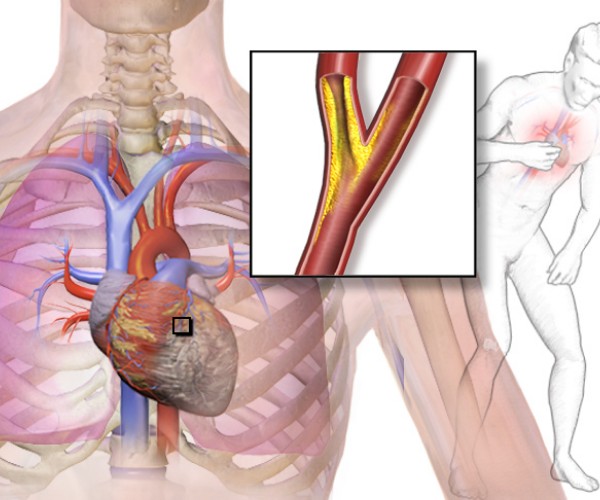
Referred to by the Latin name for its main manifestation, a weight-like or vice-like tightness in the chest, angina pectoris is not a disease per se, but the consequence of

Coronaropathy

The term coronary artery disease refers to chronic “distress” of the coronary arteries, the arteries that supply blood to the heart muscle, in most cases brought about by atherosclerotic pathology

Hypertension

According to the ESH-ESC guidelines, hypertension is defined by the finding of systolic (maximum) blood pressure values ≥ 140 mmHg and/or diastolic (minimum) blood pressure values ≤ 90 mmHg. The

Aortic aneurysm

An aortic aneurysm refers to permanent dilatation of a well-defined segment of the aorta, the largest artery in the body that receives blood directly from the left ventricle and distributes

Atherosclerosis

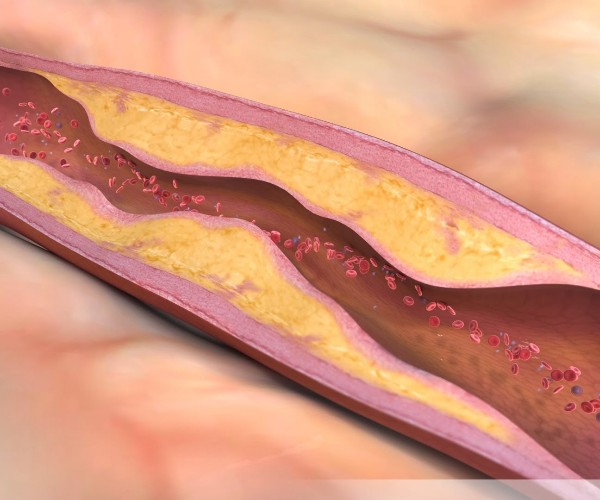
Atherosclerosis is a pathological process that leads to the progressive formation of localized deposits composed mainly of fat and cholesterol and platelets (atheromas or atherosclerotic plaques) within the walls of

Cellulite

Cellulite is an inflammatory-based alteration of the fat-rich subcutaneous tissue(panniculus adiposus), triggered by fluid stagnation due to poor venous and lymphatic circulation (lymph is a fluid that flows in channels

Obstructive sleep apnea

Repetitive episodes of upper airway obstruction may occur during sleep, often accompanied by reduced oxygen saturation. Such episodes are accompanied in almost all cases by snoring. Apneas often end with

Jugular stenosis

Jugular stenosis corresponds to a narrowing of the lumen of the jugular veins, which are the main blood vessels that collect oxygen-poor blood from the brain and return it to

Cardiac arrest

Cardiac arrest corresponds to the interruption of the heart’s contraction and pumping action, resulting from a sudden and drastic alteration in its electrical activity (ventricular fibrillation). Cardiac arrest is an

Diseases of the heart valves

Heart valve diseases comprise a large group of structural alterations and dysfunctions, congenital or more often acquired, that prevent the valves that separate the different chambers of the heart (atria

FEATURED SPECIALISTS

  • Profile picture of Dott.ssa Anna Puccio
    active 5 years, 8 months ago

    Gynecologists, Basic Doctors

    • Via Vincenzo Ponsati 69 - Volvera
    phone
  • Profile picture of Dr. Lorenzo Cerreoni
    active 5 years, 8 months ago

    Aesthetic Doctors, Basic Doctors

    • Via Macero Sauli 52 - Forlì
    phone
  • Profile picture of Dott.ssa Carmela Tizziani
    active 5 years, 8 months ago

    Coroner, Certifying Doctor, Basic Doctors

    • Via Gaetano Bruno 25 - Napoli
    phone
  • Profile picture of Dr. Virgilio De Bono
    active 5 years, 8 months ago

    Aesthetic Doctors, Basic Doctors, Dermatologists

    • Via Ripense 4 - Roma
    phone
  • Profile picture of Dott.ssa Irene Pistis
    active 5 years, 8 months ago

    Aesthetic Doctors, Basic Doctors, Certifying Doctor

    • Via della Reoubblica 461/3 - Vergato
    phone

prenota il tuo viedeoconsulto in convenzione

Completa il form e sarai contatto dal personale medico specializzato

your advertising
exclusively ON
MY SPECIAL DOCTOR

complete the form and you will be contacted by one of our managers