

of

How to manage the consequences of amputation

amputazione

For
amputation
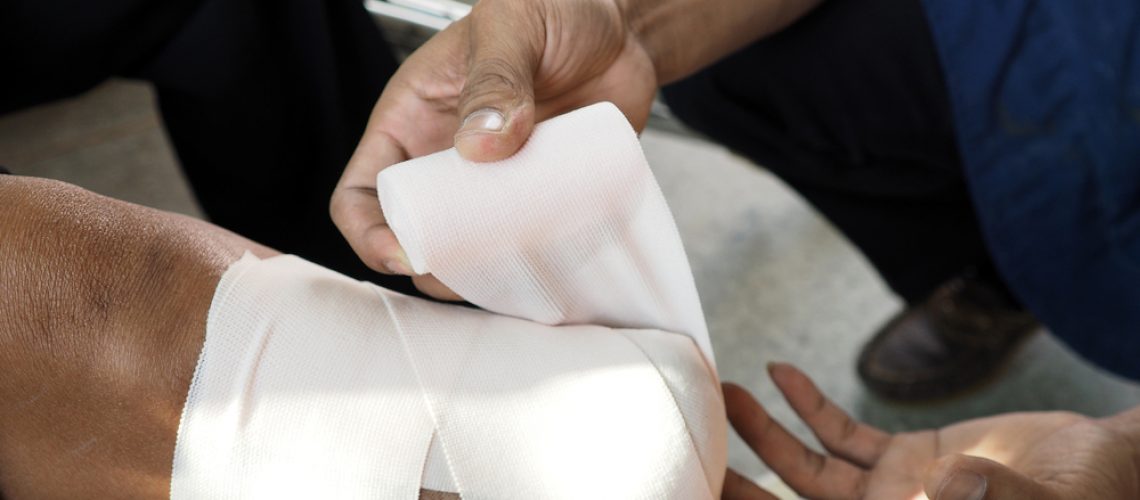
is defined as the complete removal of a body part. Surgical techniques can often reattach amputated parts so that normal or near-normal function is restored.

What to do?

  1. Check ABCHs and hemorrhage.
  2. Dealing with shocks.
  3. Look for and protect the amputated part. Later let the surgeon decide whether it can be reattached.
  4. To protect the amputated part, you must rinse it with water and remove debris, wrap the amputated part with dry, sterile gauze, place it in a container or plastic bag, on a bed of ice. Do not immerse the amputated part in ice, as it is difficult to reattach frozen anatomical parts.
  5. Call the ambulance immediately.
FEATURED SPECIALISTS

  • Profile picture of Dr. Francesca Marceddu
    active 5 years, 8 months ago

    Anesthesiologists, Basic Doctors

    • Via del Risorgimento 49 - Pirri
    phone
  • Profile picture of Dr. Vittorio Margutti
    active 5 years, 8 months ago

    Orthopedists, Basic Doctors

    • Via Marco Simone Poli 1 - Guidonia Montecelio
    phone
  • Profile picture of Dott.ssa Federica Filigheddu
    active 5 years, 8 months ago

    Basic Doctors

    phone
  • Profile picture of Dr. Roberto Zaffaroni
    active 5 years, 8 months ago

    Basic Doctors, Therapist

    • Via San Francesco D' Assisi 5 - Varese
    phone
  • Profile picture of Dott.ssa OLGA PETROVSKAIA
    active 5 years, 8 months ago

    Pain therapists, Basic Doctors, Therapist

    • Via Giulio Romano 3 - Valle Martella
    phone

RELATED ARTICLES

Urgent endoscopy in pediatrics

Digestive endoscopy with fiberoptic instruments is also considered a routine technique in the pediatric age group. The examination often needs to be performed urgently, within 24 to 48 hours of

Main types of poisoning: ethylene glycol

Ethylene glycol can be considered an alcohol polyhydroxylated. It appears to be low in toxicity but with the intake of other medication could cause death. A dose of 100 ml

Types of poisoning: chloralose

Chloralose is a derivative of chloral hydrate. The portion of the latter that is released into the body is rapidly metabolized to trichloroethyl alcohol. This substance is a central nervous

Anuria and oliguria: what to do?

The anuria Is the failure of the kidney to produce urine. Oliguria, on the other hand, is the production of insufficient amount of urine to maintain homeostasis. Le causes may

Exposure to chemicals

A corrosive substance can damage tissue within minutes, so it is very important to remove it quickly. What to do? First, immediately call for an ambulance. If the chemical remains
Can bipolar disorder be prevented?

Prevention with this disorder is not comparable to what is required for other clinical conditions, as it is a disorder of the mind that affects the mood sphere, but intervening in a timely manner at the first signs of mental illness is a definite advantage with respect to the future condition of the sick person, thus preventing the worsening of the illness.

Heavy metals and metalloids: iron

Metallic iron does not give toxicity problems, although there are people with congenital defects in matabolism, for whom it behaves like a poison. Iron salts are pharmaceuticals for the treatment

Main types of poisoning: alcohol.

In the case of ethanol poisoning, the central effect is. strictly dose-dependent, with progression of brain structures more specialized. Methanol, on the other hand, exerts less depression on the system

Thyrotoxicosis

It is an acute metabolic decompensation, caused by hyperincretion of circulating thyroid hormones. Symptoms include: hyperthermia, atrial fibrillation, nausea, vomiting, diarrhea, psychomotor agitation, delirium, coma. In case of hyperthermia, it

Metals and metalloids: thallium

Although thallium comes used in industry does not appear to create employment risks. The action of the thallium at the biochemical level is not yet known and all we can

RELATED PATHOLOGIES

Rheumatoid arthritis

Rheumatoid arthritis is a chronic inflammatory disease on an autoimmune basis that primarily affects the joints, but it affects the entire body and over time, especially if not properly treated,

Pneumonia

Pneumonia is a respiratory disease characterized by acute inflammation of the alveoli and/or interstitial spaces of the lungs, induced by different causes that are not always easy to identify. Inflammation

Abdominal hernia

An abdominal hernia occurs when a viscera or part of a viscera leaks out of the abdominal cavity where it is contained, due to the weakening of one of the

Hemorrhoids

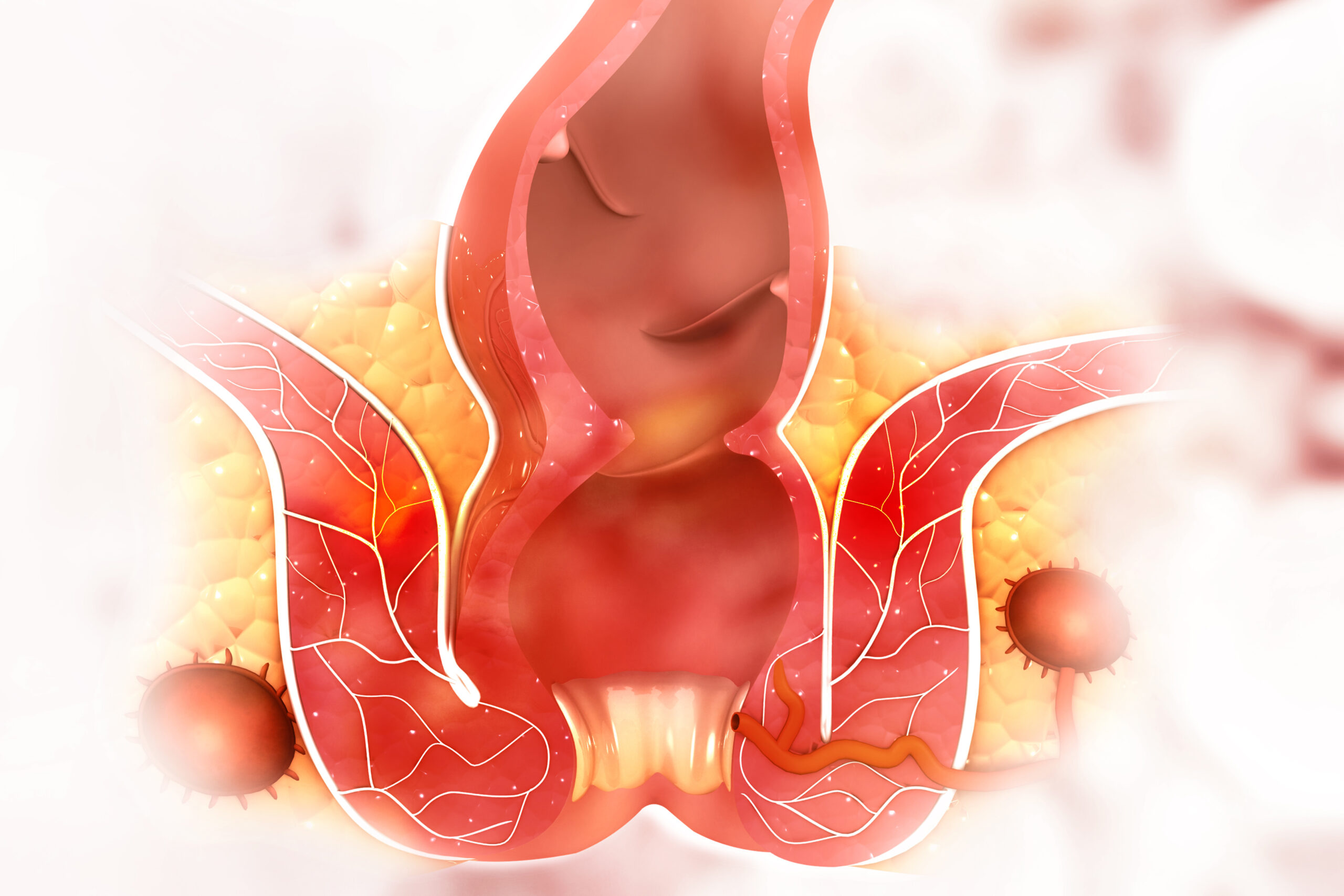
Hemorrhoids are vascular structures of the anus and lower rectum that serve to maintain fecal continence. If they become swollen or inflamed, they become pathological and cause a syndrome known

Degenerative maculopathy

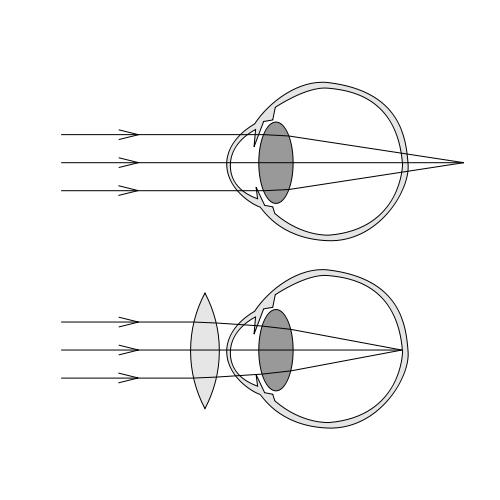
Degenerative maculopathy is an irreversible disease that affects the macula, the central part of the retina. The result is a progressive loss of visual ability. There are two distinct forms

Hirsutism and virilization

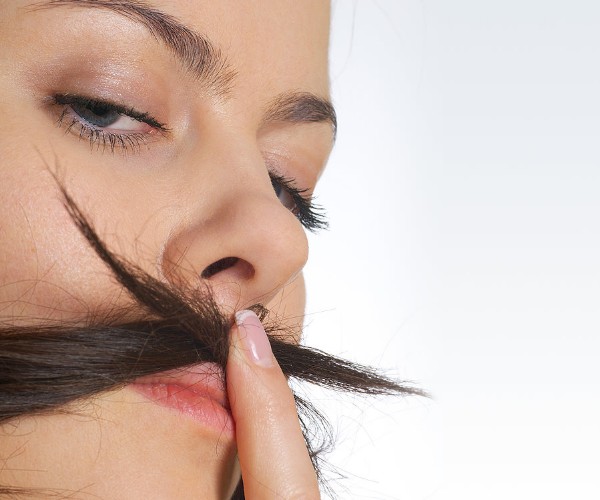
Hirsutism is a condition that primarily affects women and consists of the growth of dark hairs in skin areas in which significant hair is normally present only in adult men,

Sjögren’s syndrome

Sjögren’s syndrome is a chronic autoimmune-based systemic disease that causes malfunction of various exocrine secreting glands (i.e., those that spill secreted material onto the surface of the tissue in which

Uveitis

Uveitis is an ocular condition brought on by inflammation of the uvea, the tissue of the eye located beneath the sclera (white part of the eyeball), comprising the iris (central

Xerostomia

Xerostomia, also known as “dry Imouth” or “dry mouth,” refers to a condition in which the salivary glands do not produce enough saliva to keep the mouth wet.   Saliva

Kaposi’s disease

Kaposi’s disease or syndrome is an infrequent multifocal malignant neoplastic form involving mainly the skin, viscera, and mucous membranes. Epidemic Kaposi’s disease (AIDS-related). Iatrogenic Kaposi’s disease: immunosuppressive drugs are responsible.

FEATURED SPECIALISTS

  • Profile picture of Dr. Monica Gamba
    active 5 years, 8 months ago

    Aesthetic Doctors, Plastic Surgeons, Basic Doctors

    • Viale Radich 21/N - Grugliasco
    phone
  • Profile picture of Dott. Gianlorenzo Casani
    active 5 years, 8 months ago

    Geriatrics, Certifying Doctor, Basic Doctors

    • Via Costantino Baroni 71/73 - Milano
    phone
  • Profile picture of Dott. Cristiano Crisafulli
    active 5 years, 8 months ago

    Diabetologist, Basic Doctors, Internist

    • Via Vittorio Emanuele II 181 - Acireale
    phone
  • Profile picture of Dott. Massimo Carotenuto
    active 5 years, 8 months ago

    General Surgeons, Basic Doctors

    • Via Lepanto 95 - Pompei
    phone
  • Profile picture of Dr. Squillante Gianni Erminio
    active 5 years, 8 months ago

    Acupuncturists, Homeopathic Medicine, Basic Doctors

    • Via Monterotondo 14 - Roma
    phone

prenota il tuo viedeoconsulto in convenzione

Completa il form e sarai contatto dal personale medico specializzato

your advertising
exclusively ON
MY SPECIAL DOCTOR

complete the form and you will be contacted by one of our managers