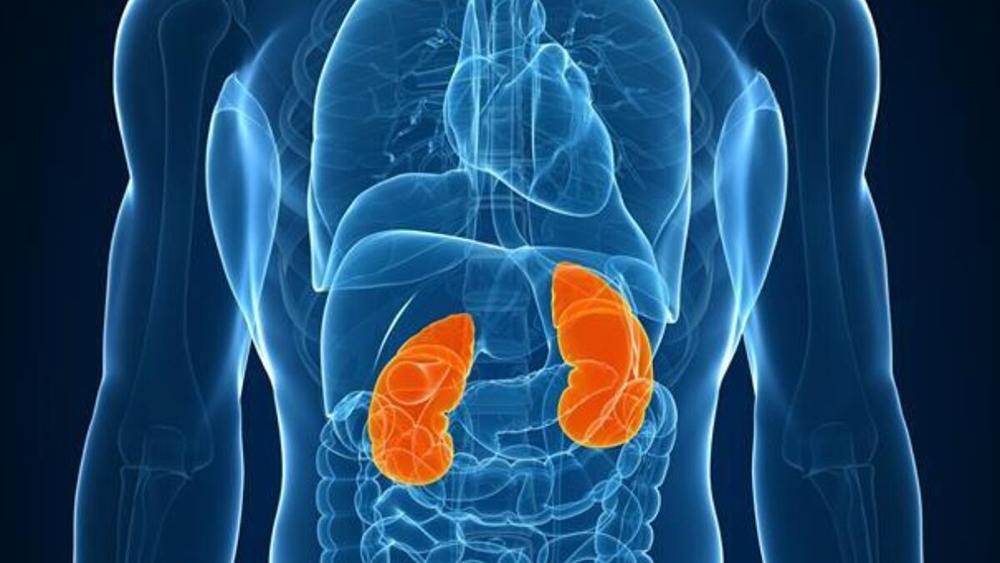




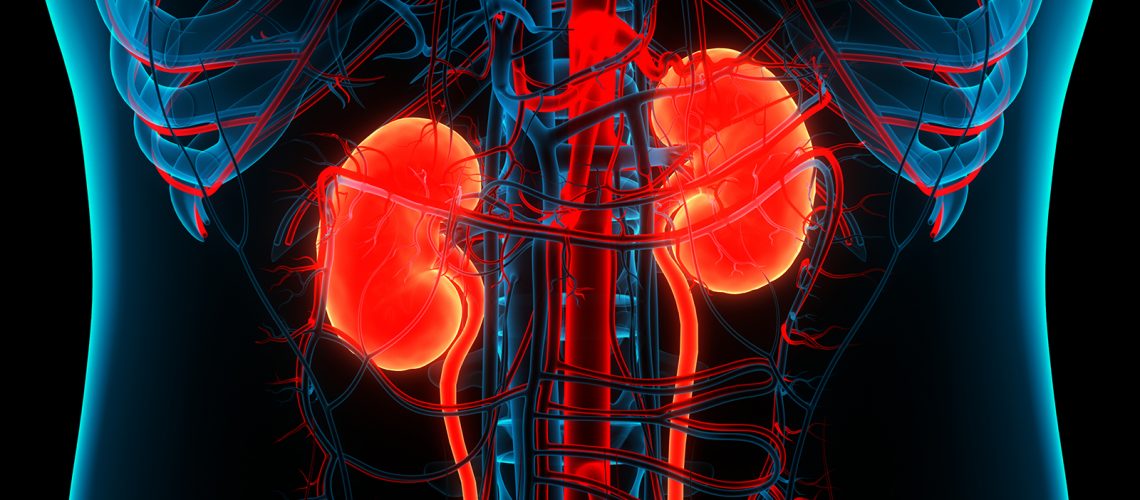
When the kidney is not well, its many functions can be impaired, and then action must also be taken with a diet low in sodium, phosphorus , and protein.
These should be the result of selection, favoring the best ones. In some cases it may also serve to reduce calcium and potassium levels.
The purpose of the diet is to improve kidney function, preventing it from reaching a condition of severe “Insufficiency,” while also preventing elements such as “waste” from the diet, not adequately filtered by the kidney, from spilling into the bloodstream, which once in the circulation go on to alter the body’s electrolyte balance.
A kidney-protective diet should be worked out by a nutrition specialist on the patient’s specific needs and personal clinical picture.
Foods and substances that can affect kidney function should be considered as fundamental:
- sodium, a mineral found in many natural foods, which should not be confused with salt, which is instead a mixture of sodium and chloride, so foods may contain only sodium or added salt, especially in processed foods , resulting in foods with a higher level of sodium.
- Sodium, potassium and chloride are the three electrolytes that regulate fluid flow in and out of cells and tissues.
The action of sodium:
- Regulates blood pressure and blood volume levels;
- regulates nerve functions and those of muscle contraction;
- Regulates the acid-base balance function of the blood;
- controls and determines the flows of fluids that the body acquires or eliminates.
It is therefore important to keep an eye on the amount of sodium that a person with a kidney problem can take in on a daily basis, as excessive amounts of sodium can be harmful to the person, as the kidney is in no condition to eliminate either sodium or excess fluids, with consequences such as:
- continuous thirst;
- swelling of the hands, legs and face (Edema);
- elevation of blood pressure;
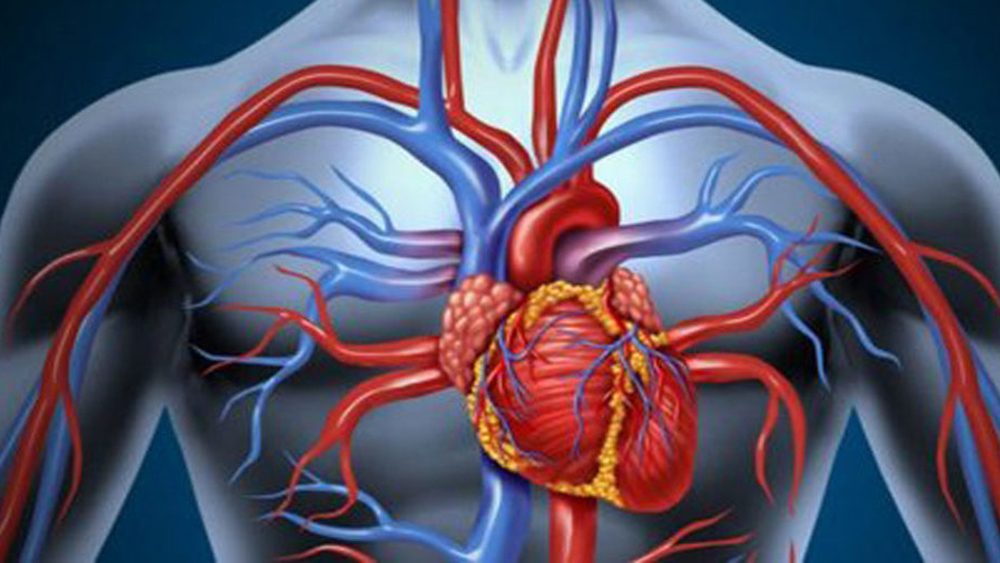
- heart failure;
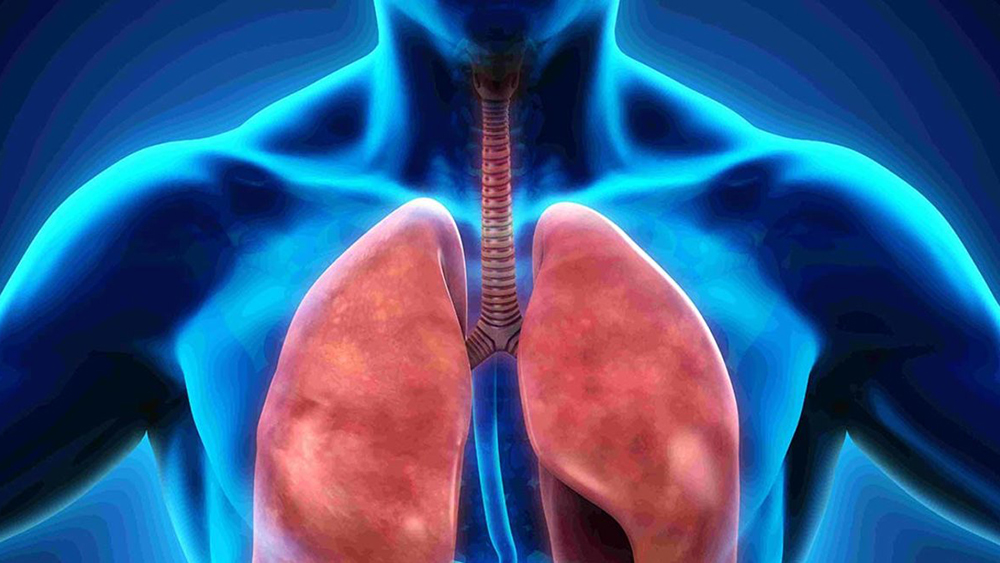
- breathing difficulties, possibly caused by fluid invading the lungs.
People with kidney disease o from renal failure should first be vigilant about the amounts of sodium they take in, checking the labels of individual foods, preferring fresh foods to packaged foods that usually have sodium added, and for the latter, when the only ones available, take only those with the lowest sodium content.
Get used to home-cooked foods and not adding salt, limit portions, and make room in the diet for fruits and vegetables.
Potassium is present in the human body and also in many foods; it is a regulator of heartbeat and presides over muscle function; and it regulates the balance and flow of fluids and minerals in the blood.
Among the functions of the kidney is to supply the body with the right amount of potassium, releasing excess potassium into the urine.
If kidney function is impaired and the kidney is unable to excrete too much potassium, it is therefore necessary to keep an eye onpotassium levels, as high levels of this element in the blood(Hyperkalemia) can cause:
- altered heart rate;
- exhaustion with muscle weakness;
- heart attack;
- death.
Certain measures can be helpful in maintaining proper bloodpotassium levels, so people with this problem should first be followed by an experienced nutritionist to compile a proper diet plan, but also adjust some of their own food choices such as:
- reduce foods that contain potassium;
- reduce dairy and dairy foods;
- check the labels of individual foods;
- reduce meal portions, prefer fruits and vegetables in the diet, and finally try to record the choices made in a food diary.
Phosphorus is a key mineral; it nourishes and supports bones but also connective tissue and helps muscle structure. At the metabolic level, phosphorus from digestion is absorbed in the small intestine and then stored in bone.
It is therefore important to keep an eye on the amount of phosphorus that a person with a kidney problem can take in on a daily basis.
If the kidneys fail to remove excess phosphorus in the blood, then of the Excessive amounts can be harmful at person, with consequences such as weakening of the bones that excess phosphorus deprives of calcium, which it extracts by accumulating in the blood vessels, lungs, and heart, creating widespread deposits of calcium dangerous to the patient.
Certain measures can be helpful in maintaining proper blood phosphorus levels, so people with this problem should first be followed by an experienced nutritionist to compile a proper diet plan, but also adjust certain food choices such as:
- reduce foods that contain phosphorus;
- include foods containing quality protein in the diet;
- check individual food labels by identifying the word “Phos.”
- reduce meal portions;
- prefer fruits and vegetables in the diet and finally try to note down the choices made in a food diary.
All is well when the kidney functions and is able to filter products from food and dispose of excesses, process others, such as protein, the waste products of which are filtered by the nephrons and subsequently excreted as urine.
On the other hand, when the kidney malfunctions, protein waste, not being disposed of, ends up in the bloodstream. With this type of problem, it will be necessary for a patient with chronic kidney disease to take protein in a manner proportional to the type and degree of damage present in the kidney
It will have to be the specialist nephrologist or nutritionist experienced in renal problems who will assign the correct amount of protein that can be taken by the patient, which being necessary in any case are essential for good tissue health and maintenance and for other organ functions.
Attention should be paid to the fluids in transit through the body, especially when you are trying to improve kidney function with good results.
While fluid intake is necessary, accumulation of fluids should be avoided, which would pose a risk of deterioration for the patient’s heart and lungs, especially for patients undergoing dialysis, who may have lower urine output while having greater amounts of fluid in the body.
To monitor fluid intake, it is best to avoid drinking more than prescribed by the doctor, include foods that are easily converted into liquids such as jellies, ice cream, etc. in the monitoring, and limit the use of liquids useful for cooking food.
In short, always be followed by the specialist and nutritionist, observe the dictates of diet to limit and even ameliorate the damage of chronic kidney disease.