



of

Smelling with the tongue, taste and smell are more connected than previously thought

gusto

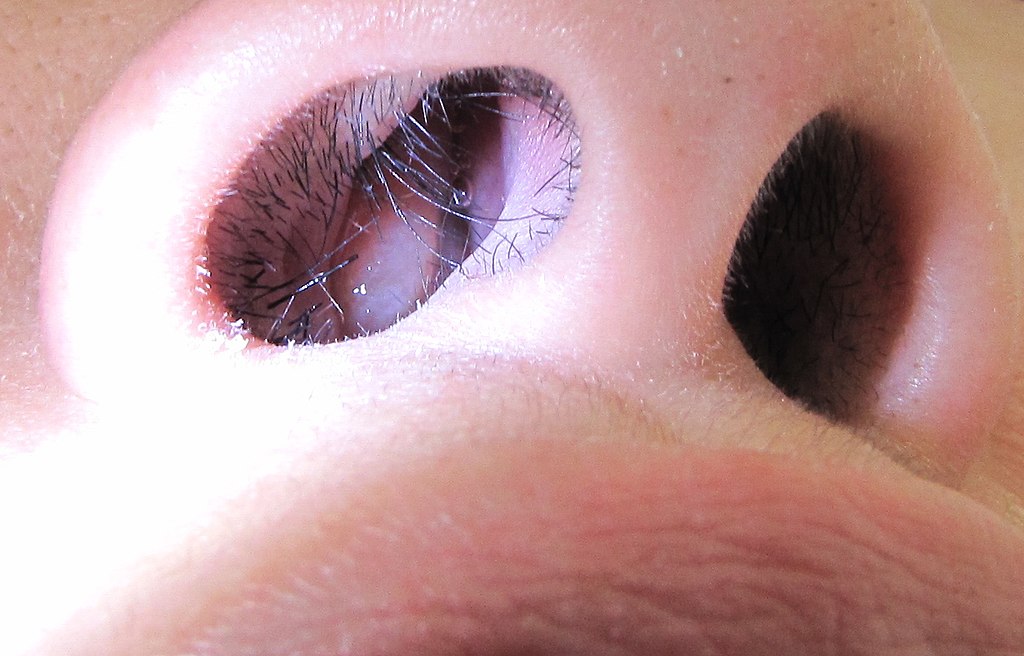
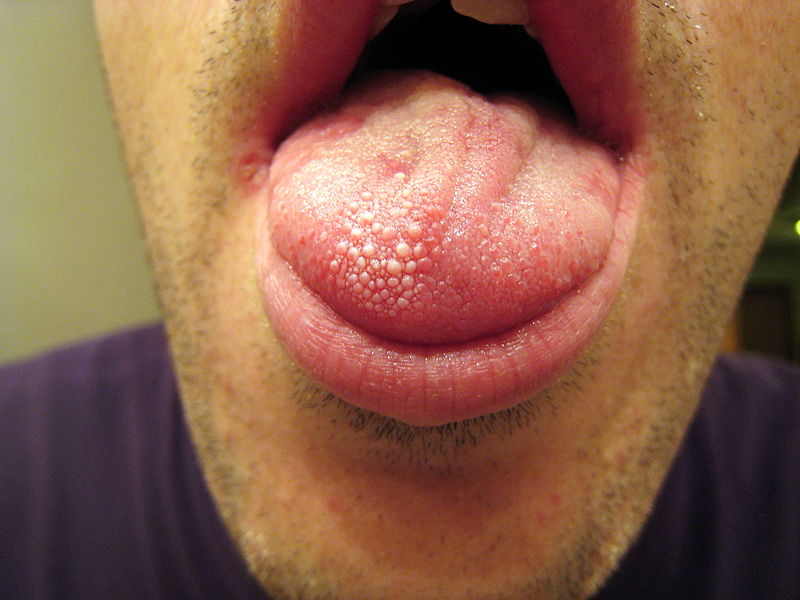
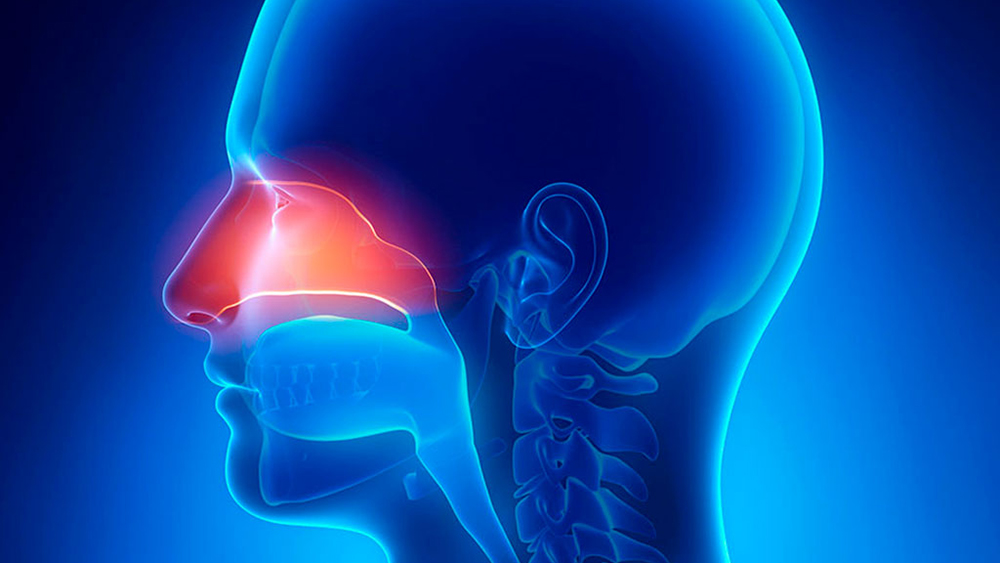
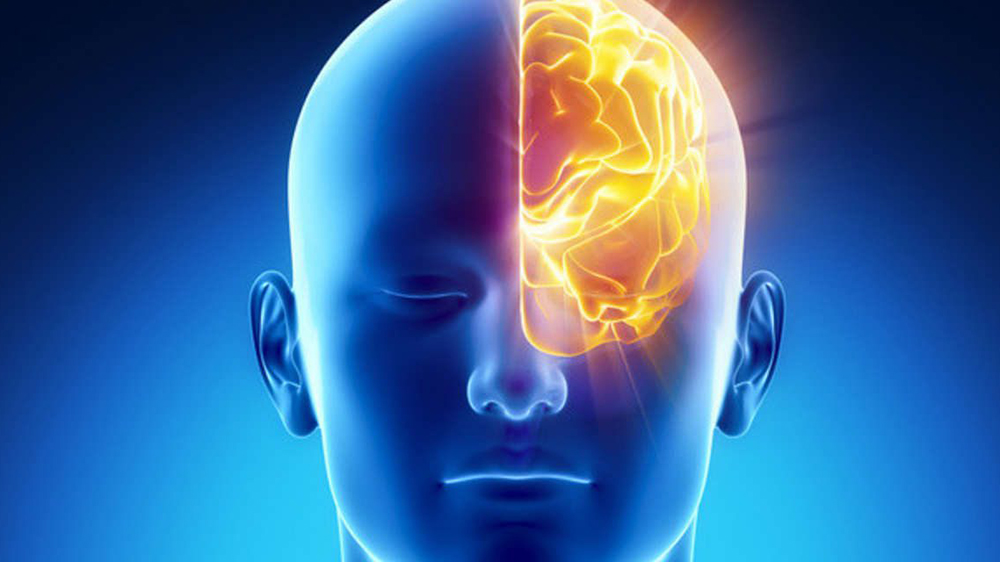
Researchers at the Monell Center in Philadelphia have discovered that functional olfactory receptors, the sensors in the nose that are used to sense odors, are also present in the taste cells found on the tongue. The findings, published in Chemical Senses, suggest that interactions between the senses of smell and taste, the primary components of food flavor, may begin on the tongue and not in the brain, as previously thought.

“Our research,” said Mehmet Hakan Ozdener, the study’s cell biologist and senior author. can help explain how odor molecules also modulate taste perception. This may lead to the development of odor-based taste modifiers that can help combat excess salt, sugar, and fat intake associated with diet-related diseases such as obesity and diabetes.”. Ozdener’s futuristic hypothesis is supported by the fact that taste has evolved over time to enable us to assess the nutritional value and potential toxicity of what we put in our mouths.

Through the taste buds, we are able to detect the basic tastes of sweet, salty, sour, bitter and umami and their countless variations; the brain combines the signals provided by taste receptors, smell and other senses to create the overall taste sensation.

Until now, taste and smell were considered as independent sensory systems that did not interact until their respective information reached the brain. Ozdener was prompted to challenge this belief after his 12-year-old son asked him if snakes extend their tongues in order to sniff.

The resulting study suggests that olfactory receptors may play a role in the system leading to taste perception by interacting with taste receptors directly on the tongue. In support of this possibility, other experiments conducted by Monell scientists have shown that a single tongue cell can contain both taste and olfactory receptors.

Lo studio opens opportunities for researchers to conduct numerous other investigations: there are many questions about the mechanisms of operation of the 400 different types of human olfactory receptors; as taste cells cultured in the laboratory respond to odors, they could be used to identify which molecules bind to specific olfactory receptors. Further research may explore the ways in which the molecules that produce different odors modify taste bud responses and ultimately human perception of tastes.

Malik B, Elkaddi N, Turkistani J, Spielman AI, Ozdener MH. Mammalian Taste Cells Express Functional Olfactory Receptors. Chemical Senses, April 24, 2019.

FEATURED SPECIALISTS

  • Profile picture of Dr. Roberto Zaffaroni
    active 5 years, 8 months ago

    Basic Doctors, Therapist

    • Via San Francesco D' Assisi 5 - Varese
    phone
  • Profile picture of Dott.ssa Irene Pistis
    active 5 years, 8 months ago

    Aesthetic Doctors, Basic Doctors, Certifying Doctor

    • Via della Reoubblica 461/3 - Vergato
    phone
  • Profile picture of Dott. Cristiano Crisafulli
    active 5 years, 8 months ago

    Diabetologist, Basic Doctors, Internist

    • Via Vittorio Emanuele II 181 - Acireale
    phone
  • Profile picture of Dr. Vittorio Margutti
    active 5 years, 8 months ago

    Orthopedists, Basic Doctors

    • Via Marco Simone Poli 1 - Guidonia Montecelio
    phone
  • Profile picture of Dott.ssa OLGA PETROVSKAIA
    active 5 years, 8 months ago

    Pain therapists, Basic Doctors, Therapist

    • Via Giulio Romano 3 - Valle Martella
    phone

RELATED ARTICLES

Hydrating with fruits and vegetables

Fruits and vegetables are our best allies against dehydration. They contain not only water but also vitamins, minerals, antioxidants and fiber. A diet rich in fruits and vegetables helps keep

Allergic skin reaction and itching

La skin is like a external barrier at body, which defends against external pitfalls, and among these pitfalls are some allergenic agents, such as the nickel, which we come in

Organophosphorus insecticides

The control of insects and similar animals with organophosphorus insecticides is practiced on a large scale. If handled with the due precautions these are not risky for humans. The prototypes

What is atherosclerosis?

Atherosclerosis (more often known in the lay world as atherosclerosis) is a pathological condition characterized by changes in the wall of the arteries, which lose their elasticity due to the

Panic attacks in adolescence

Panic attacks are one of the typical symptoms of adolescence. Anxiety disorders and panic attacks in fact represent one of the prevalent reasons why psychological counseling is sought in this age group.

RELATED PATHOLOGIES

Labyrinthitis

Labyrinthitis refers to an inflammation of the inner ear structure called the labyrinth. Sometimes the term labyrinthitis refers to other inner ear problems that are not referable to inflammation but

Trigeminal neuralgia

The trigeminal nerve is the fifth of the twelve pairs of cranial nerves in the head; it is the nerve responsible for providing sensation to the face. One trigeminal nerve

Bruxism

Bruxism is a condition in which you grind your teeth: it can happen, unconsciously, in a waking state or, more often, during sleep. People who clench or grind their teeth

Nasal polyposis

Nasal polyps are soft, painless, noncancerous growths that form on the lining of the nasal cavity or paranasal sinuses and as, they increase in volume, can cause respiratory obstruction. They

Otitis

Otitis are inflammatory processes that can affect different parts of the ear. The two most common forms are otitis externa, which involves the pinna and the first portion of the

Allergic rhinitis

Allergic rhinitis is aninflammation of the mucosa lining the inner cavities of the nose (nasal mucosa).

Sinusitis

The paranasal sinuses are four pairs of cavities located within the bones of the facial massif; they communicate via bony canals and orifices with the nasal cavities, which in turn

Laryngitis

Laryngitis refers to inflammation of the larynx, the anterior tract of the trachea, where the vocal cords are located and which is the fundamental organ of phonation. In cases of

Dentin sensitivity

Dentin sensitivityis when, in response to certain stimuli, the patient experiences discomfort or pain, acute and short-lived, that is not attributable to specific dental causes or disorders. Triggering dentin sensitivity

Xerostomia

Xerostomia, also known as “dry Imouth” or “dry mouth,” refers to a condition in which the salivary glands do not produce enough saliva to keep the mouth wet.   Saliva

FEATURED SPECIALISTS

  • Profile picture of Dr. Francesca Marceddu
    active 5 years, 8 months ago

    Anesthesiologists, Basic Doctors

    • Via del Risorgimento 49 - Pirri
    phone
  • Profile picture of Dott.ssa Cinzia Maria Zurra
    active 5 years, 8 months ago

    Basic Doctors, Aesthetic Doctors, Nutritionists

    • Viale Rimembranze 5 - Triuggio
    phone
  • Profile picture of Dr. Roberto Zaffaroni
    active 5 years, 8 months ago

    Basic Doctors, Therapist

    • Via San Francesco D' Assisi 5 - Varese
    phone
  • Profile picture of Dr. Tiziana Volpe
    active 5 years, 8 months ago

    Gynecologists, Basic Doctors, Professional Counselor

    • Piazzale Jonio 50 - Roma
    phone
  • Profile picture of Dott.ssa Emanuela Costantino
    active 5 years, 8 months ago

    Neurologists

    • Via Gallinara 2/B - Cagliari
    phone

prenota il tuo viedeoconsulto in convenzione

Completa il form e sarai contatto dal personale medico specializzato

your advertising
exclusively ON
MY SPECIAL DOCTOR

complete the form and you will be contacted by one of our managers