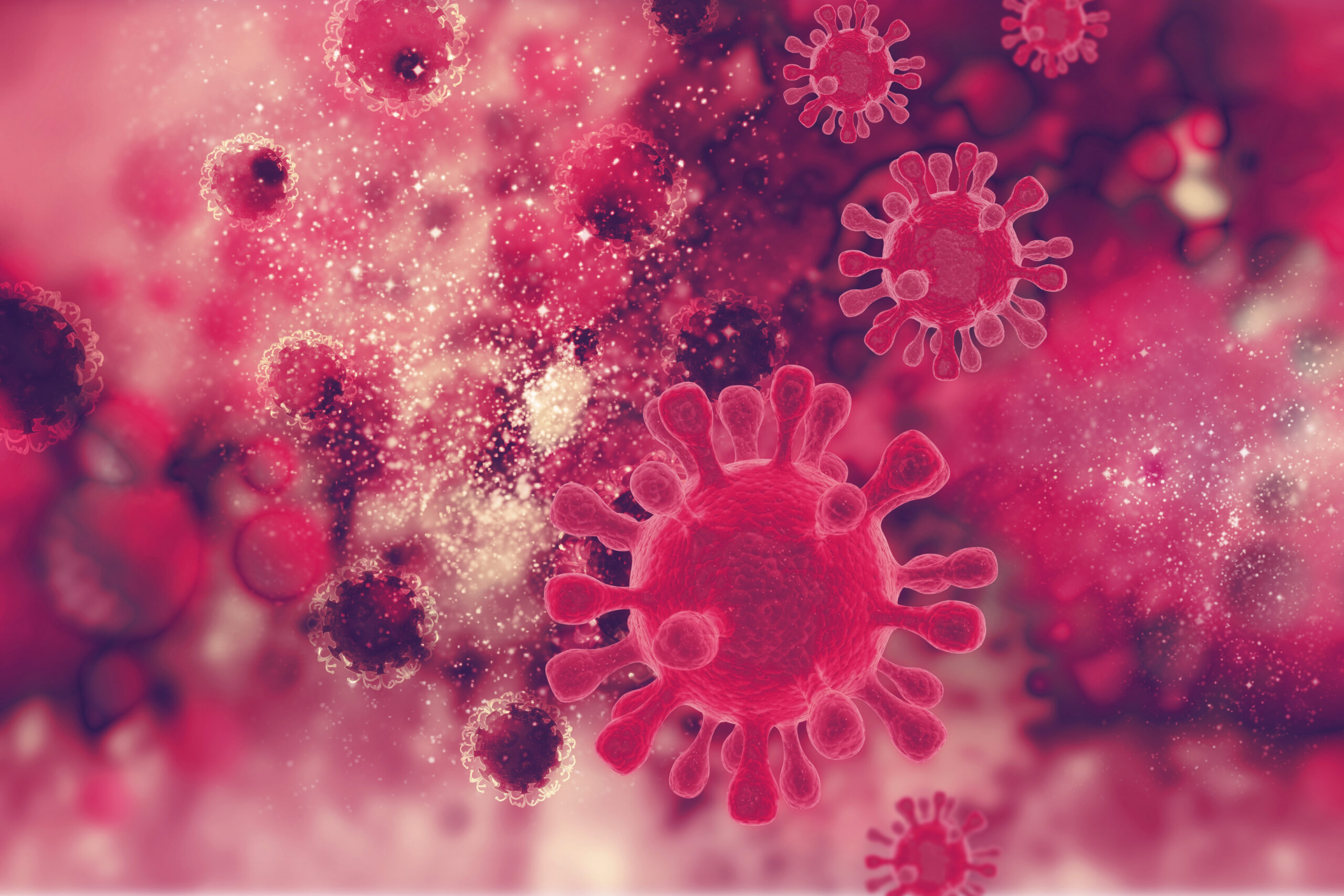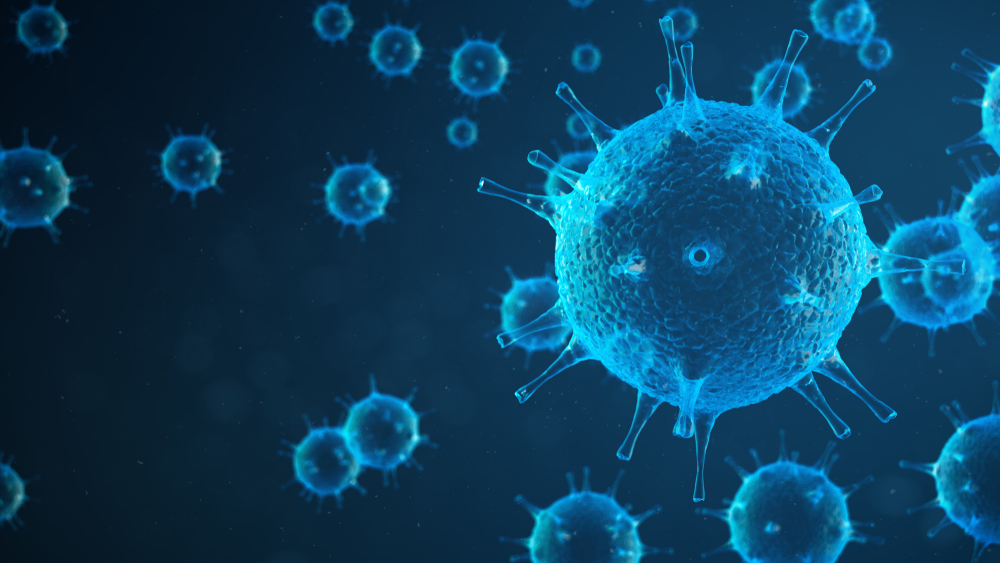




The prevalence of HIV infection has declined significantly in recent years, while the therapies available to combat it have increased, becoming more effective and better tolerated. This has enabled people intercepted by the virus to achieve a life expectancy superimposed on that of the uninfected population and maintain a good level of well-being, for a long time. As we celebrate World AIDS Day (Dec. 1), the World Health Organization (WHO) reminds us that these results, which are to be welcomed, should not, however, lead us to lower our guard against a virus that is always lurking and has certainly not ceased to create major health problems, with related human and economic costs, in all countries of the world.
Although the HIV/AIDS problem is particularly dramatic on the African continent today (where there are approximately 26 million HIV-positive people and significant difficulties are encountered in preventing and combating the disease), it should not be overlooked that 2.3 million European citizens, 3.4 million Americans, and another 3.5 million people residing in Southeast Asia are also HIV+ and require constant care to maintain a sufficiently low viral load and sufficiently high CD4 lymphocyte levels to avoid significant states of immunosuppression and the resulting complications.
Based on data collected nationally by the Surveillance System of New Diagnoses of HIV Infection, in 2018, there were 2,847 new diagnoses of HIV infection in Italy, equal to 4.7 new cases per 100,000 residents: an incidence just below the average for European Union countries (5.1 cases per 100,000 residents) and overall decreasing between 2012 and 2018. However, among young people under the age of 25, the spread of infection peaked in 2017. The highest incidence was observed among people aged 25-29 years (11.8 new cases per 100,000 residents) and 30-39 years (10.9 new cases per 100,000 residents). People who found out they were HIV+ in 2018 were male in 85.6% of cases; the median age was 39 years for men and 38 years for women.
The majority of new diagnoses of HIV infection in Italy in 2018 were attributable to unprotected sexual intercourse (80.2 percent of all reports), and in one-third of cases HIV testing was performed following the finding of an HIV-related condition or characteristic symptoms (32.6 percent). Other reasons for testing were: risky behavior (14.4 percent), investigations for other disease (11.3 percent), screening initiatives/information campaigns (9.8 percent), unprotected sexual intercourse (9.7 percent), diagnosis or suspected sexually transmitted infection-STI (4.0 percent).
How to protect yourself and protect others
Being aware of the fact that, even today, HIV infection can have serious consequences, knowing how the virus is transmitted and methods to avoid being infected is key to reducing individual risk of infection and preventing others from becoming infected. Currently, there are essentially two routes through which the disease can be contracted: sexual activity and the promiscuous use of syringes among injection substance of abuse users. In this regard, it should be reiterated (because many people forget or underestimate the concept) that one does not need to engage in “risky” sexual behavior oneself or know one’s partner poorly to find oneself HIV-positive.
In fact, the AIDS virus does not care to know the sexual preferences of the people it decides to infect, nor does it care whether they are engaged in homo- or heterosexual sex, whether the people involved are young or older, whether they have just met or have been married for some time. For HIV, any opportunity is a good one to colonize a new host and it is in no hurry to cause symptoms that might make one suspect its presence in the body, because by remaining “incognito” for a longer period it will be more likely to transmit itself to more people.
Taking precautions throughout sexual intercourse, always providing for the use of condoms, is the most effective means of protecting yourself and your partner and reducing the spread of HIV. This caution will also protect against other sexually transmitted diseases, which in recent years have resumed significant prevalence, especially among young people, such as Chlamydia infection, gonorrhea, trichomoniasis, genital herpes, and syphilis (a potentially very severe disease if not diagnosed and treated early, which was thought to have been relegated to the history books and is, instead, back in the news).
Equally important, if you think you may have been exposed to the AIDS virus for any reason, is to check your HIV-negative or positive status through a simple, harmless, anonymous and free blood test. Although waiting for the result can be a bit stressful, taking the HIV test is crucial to know whether in-depth evaluations need to be done, appropriate treatment initiated, and appropriate behaviors adopted to avoid transmitting the virus to others. To perform it, simply ask your doctor for information or go directly to a hospital, clinical-diagnostic center or outpatient clinic authorized to perform the test.
To find out which centers are nearest to you for HIV testing and/or you have questions or concerns about the disease or want to learn more about the subject to support a friend or family member, you can contact the AIDS and Sexually Transmitted Infections Hotline (TAV/IST) at 800.861.061, operating Monday through Friday, 1 p.m. to 6 p.m. Operators answer questions in both Italian and english and, twice a week, it is also possible to receive advice from a legal expert in protecting the rights of people with HIV and their families. Alternatively, you can consult the map of centers that perform HIV testing in each Region found on the website (https://www.uniticontrolaids.it/aids-ist/test/dove.aspx) or also visit the ReTe AIDS – United We Win website (https://www.uniticontrolaids.it/ReTeAIDS.aspx) and contact the operators of the Territorial Associations closest to your home.
Sources
- World Health Organization – WHO (https://www.who.int/hiv/en/)
- Ministry of Health (http://www.salute.gov.it/portale/hiv/dettaglioContenutiHIV.jsp?lingua=italiano&id=5206&area=aids&menu=conoscere)