


of

Pro-arrhythmic drugs: more attention needed

immagine-1

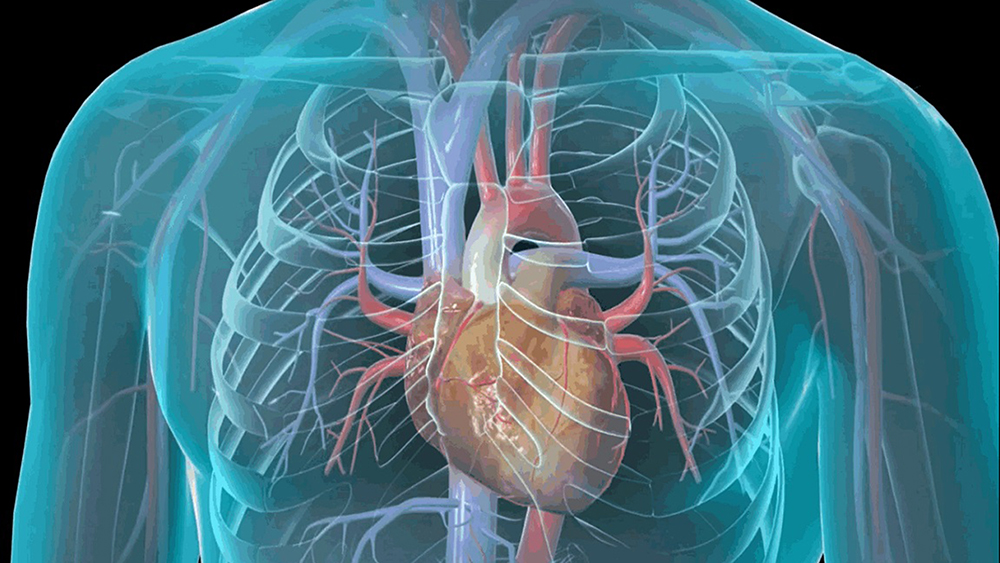
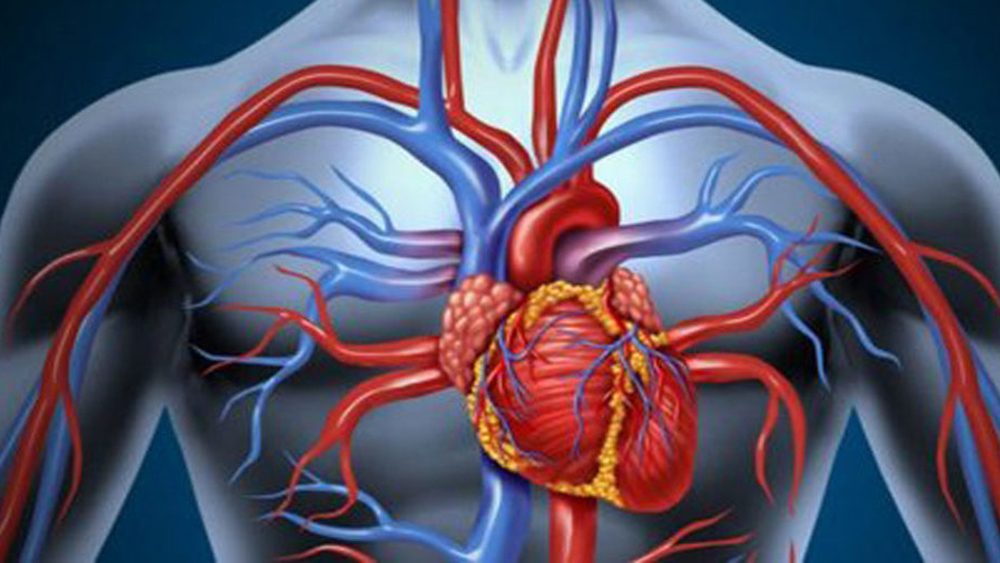
Congenital long QT syndrome is a cardiac condition present from birth that essentially consists of a “repolarization defect,” that is, an electrophysiological alteration that results in a lengthening of the time required for the cells of the heart to “recharge” after contraction of the ventricles. The name of the disease comes from the fact that this increased repolarization time can be seen on the electrocardiogram (ECG) tracing as the elongation of a particular segment called precisely “QT.”

By itself, long QT syndrome gives no symptoms and for this reason is poorly diagnosed, except during electrocardiograms required for other reasons, such as preoperative examinations, pre-sports check-ups, apparently unmotivated fainting spells, or other cardiological disorders. Unfortunately, when it occurs it does so in a striking manner, with ventricular fibrillation, cardiac arrest, and sudden death. Triggering these effects can be a very intense physical exertion or emotion or a fright or sudden awakening in the middle of the night. But sometimes fatal arrhythmia can also occur during sleep.

To date, there is no real cure for long QT syndrome, but there are some steps that can help reduce the risk. Among these, a very important one concerns medications that may need to be taken throughout life for a wide variety of reasons: from antibiotics to analgesics, from antacids to antidepressants. Many commonly used drugs, in fact, tend to have a “pro-arrhythmic” action, that is, to promote transient alterations in heart rhythm. In people without long QT syndrome, this generally does not create particular problems (except perhaps some palpitation during therapy). In contrast, if a person with long QT syndrome is taking a pro-arrhythmic drug, the risk of ventricular fibrillation and sudden death are significantly increased.

For this reason, the European Society of Cardiology (ESC) guidelines dedicated to this condition have long and strongly recommended that drugs known to be pro-arrhythmic should not be prescribed to sufferers, opting, where possible, for alternative therapeutic solutions without cardiac effects. In clinical practice, however, these recommendations seem to be largely disregarded. In particular, a recent Danish study indicates that 60% of people with congenital long QT syndrome are prescribed pro-arrhythmic drugs in the years after diagnosis, even for prolonged periods.

The most prescribed “arrhythmia risk” drugs were found to be some antibiotics (such as azithromycin, clarithromycin and erythromycin; 34.1 percent), antacid proton pump inhibitors (esomeprazole, lanzoprazole, omeprazole, pantoprazole; 15.0 percent), antidepressants (citalopram, escitalopram, sertraline; 12.0 percent) and antifungals (fluconazole; 10.2 percent). Those considered in the study were less likely to be prescribed pro-arrhythmic drugs in the year following the diagnosis of congenital long QT syndrome than in the previous year, but not by much (28.4 percent vs. 23.2 percent), while in more than one-third of the cases (33.5 percent) the at-risk drug therapy was still ongoing after five years. The likelihood of prescribing risky drugs increased slightly with age and multiplied by more than 2.5 times when the same drug had been taken by the patient before (probably, on the basis of erroneous reassurance with respect to possible cardiac side effects).

Although the study did not show a correlation between pro-arrhythmic drug use and increased mortality from ventricular arrhythmia or all causes, the authors and ESC experts urge greater caution on the part of physicians when prescribing potentially high-risk drug therapies in those with congenital long QT syndrome. On the other hand, even patients with a known diagnosis should remember to always inform any specialist physicians they spontaneously visit for consultations in various clinical settings of the cardiac issue they are suffering from, to enable them to identify optimal and safe treatment strategies.

In addition, those suffering from congenital long QT syndrome should always seek advice from their physician and/or pharmacist even when it comes to choosing commonly used over-the-counter drugs that are generally considered safe and manageable: although they indeed are for most people, some of them may be contraindicated in those who are genetically predisposed to cardiac arrhythmias (this is the case, for example, with some antihistamines).

Source:

Weeke PE et al. Long-termproarrhythmic pharmacotherapy among patients with congenital longQT syndrome and risk of arrhythmia and mortality. European Heart Journal 2019;40, 3110-3117. doi:10.1093/eurheartj/ehz228(academic.oup.com/eurheartj/article/40/37/3110/5488147)

FEATURED SPECIALISTS

  • Profile picture of Dr. Giuseppe Panico
    active 5 years, 8 months ago

    Dermatologists, Basic Doctors

    • Viale Prassilla 41 - Roma
    phone
  • Profile picture of Dr. Lorenzo Cerreoni
    active 5 years, 8 months ago

    Aesthetic Doctors, Basic Doctors

    • Via Macero Sauli 52 - Forlì
    phone
  • Profile picture of Dott.ssa Federica Filigheddu
    active 5 years, 8 months ago

    Basic Doctors

    phone
  • Profile picture of Dott. Flavio Della Croce
    active 5 years, 8 months ago

    Psychotherapists, Basic Doctors

    • Via Sacconi 1 - Borgonovo Val Tidone
    phone
  • Profile picture of Dott.ssa Floriana Di Martino
    active 5 years, 8 months ago

    Aesthetic Doctors, Basic Doctors

    • Piazza della Rinascita 13 - Pescara
    phone

RELATED ARTICLES

Medications: mistakes to avoid

Some would never want to take them; others would want a pill to cure every ailment and would not leave home without an emergency kit in their bag. In few

Vaccines, it is alarm throughout Italy

The situation in Italy regarding the vaccines: almost in all regions there is less than 95 percent coverage, a threshold that does not guarantee herd immunity. The past few days

Pro-arrhythmic drugs: more attention needed

Congenital long QT syndrome is a cardiac condition present from birth that essentially consists of a “repolarization defect,” that is, an electrophysiological alteration that results in a lengthening of the

Methods of poisoning: antidepressant drugs

Today patients with antidepressant drug overdose. represent a large portion. The pharmacological properties of the antidepressants are multiple and include interference with release of adrenaline at the level of brain

RELATED PATHOLOGIES

Myocardial infarction

Acute myocardial infarction, which affects about 100,000 people in Italy each year, corresponds to the death of a part of the heart muscle due to an interruption in the supply

Blow to the heart

A “heart murmur” is not in itself a pathology , but merely a signal that the blood inside the heart is flowing too fast or in a “disordered” manner, producing

Carotid stenosis

Carotid artery stenosis corresponds to a narrowing of the caliber of the carotid arteries, which are the main blood vessels supplying the brain with oxygen- and nutrient-rich blood (particularly glucose),

Ablation of atrial fibrillation

Atrial fibrillation (AF) ablation surgery is a surgical procedure aimed at eliminating the source of the cardiac arrhythmia through the selective destruction of small portions of the cardiac tissue present

Heart failure (acute)

Acute Heart Failure (AHF) is a potentially life-threatening clinical condition that can result from the worsening of an already diagnosed chronic heart failure (heart failure) or represent its onset event.

Cardiac arrest

Cardiac arrest corresponds to the interruption of the heart’s contraction and pumping action, resulting from a sudden and drastic alteration in its electrical activity (ventricular fibrillation). Cardiac arrest is an

Coronaropathy

The term coronary artery disease refers to chronic “distress” of the coronary arteries, the arteries that supply blood to the heart muscle, in most cases brought about by atherosclerotic pathology

Mitral valve repair

Repair of an insufficient/deteriorated mitral valve can be done: Removing the malfunctioning segments of the valve leaflets; implanting “synthetic cords” (which replace the broken or “stretched” natural ones of the

Cardiac Echodoppler

The echocardiogram, also known as echocardiography, is a diagnostic imaging technique based on the use of ultrasound, which is quick and easy to perform, harmless, painless, and low-cost, and because

Deep vein thrombosis (DVT)

Deep vein thrombosis (DVT) occurs when a clot (thrombus) forms within a vein and completely or partially occludes it, blocking or restricting blood flow in that vessel. In principle, any

FEATURED SPECIALISTS

  • Profile picture of Dr. Francesca Marceddu
    active 5 years, 8 months ago

    Anesthesiologists, Basic Doctors

    • Via del Risorgimento 49 - Pirri
    phone
  • Profile picture of Dott.ssa Francesca Vittorelli
    active 5 years, 8 months ago

    Therapist, Acupuncturists, Basic Doctors

    • Corso Andrea Palladio 134 - Vicenza
    phone
  • Profile picture of Dott. Gianlorenzo Casani
    active 5 years, 8 months ago

    Geriatrics, Certifying Doctor, Basic Doctors

    • Via Costantino Baroni 71/73 - Milano
    phone
  • Profile picture of Dr. Virgilio De Bono
    active 5 years, 8 months ago

    Aesthetic Doctors, Basic Doctors, Dermatologists

    • Via Ripense 4 - Roma
    phone
  • Profile picture of Dr. Sergio Ettore Salteri
    active 5 years, 8 months ago

    Basic Doctors, Chiropractors, Posturologists

    • Via Vial di Romans 8 - Cordenons
    phone

prenota il tuo viedeoconsulto in convenzione

Completa il form e sarai contatto dal personale medico specializzato

your advertising
exclusively ON
MY SPECIAL DOCTOR

complete the form and you will be contacted by one of our managers