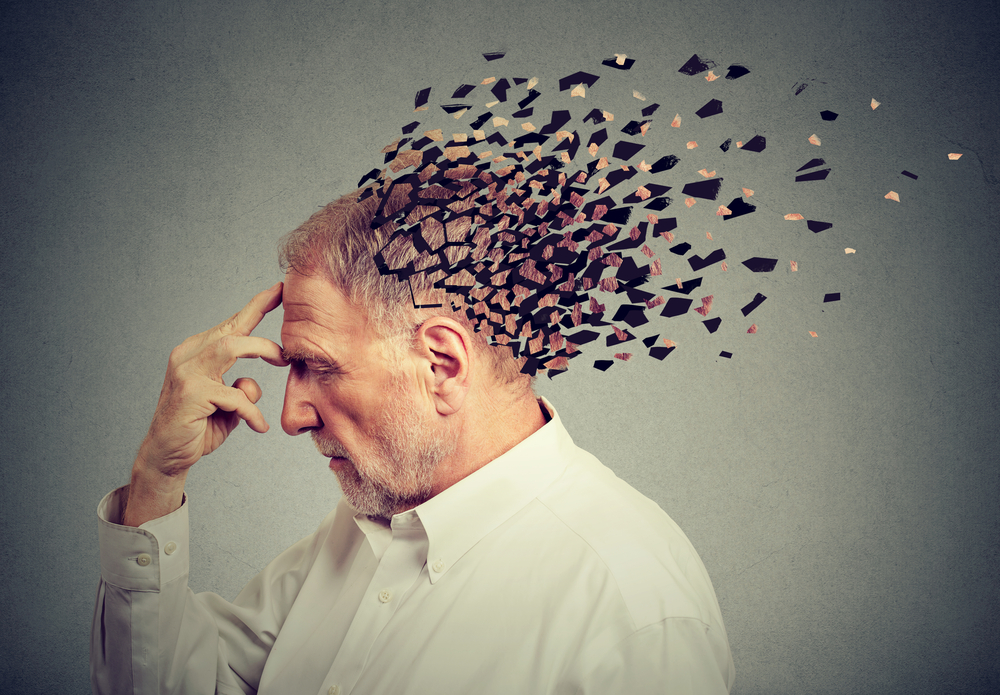
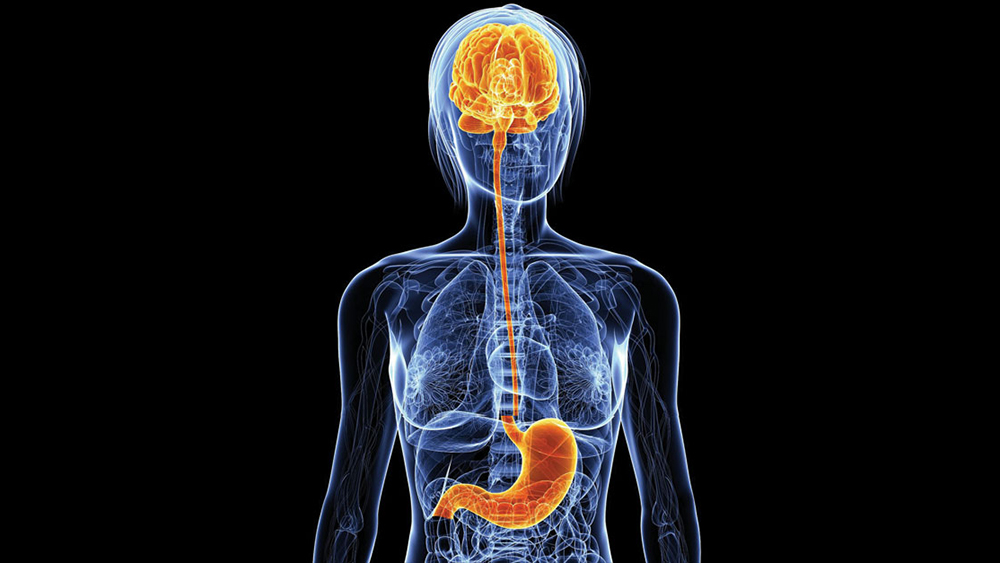
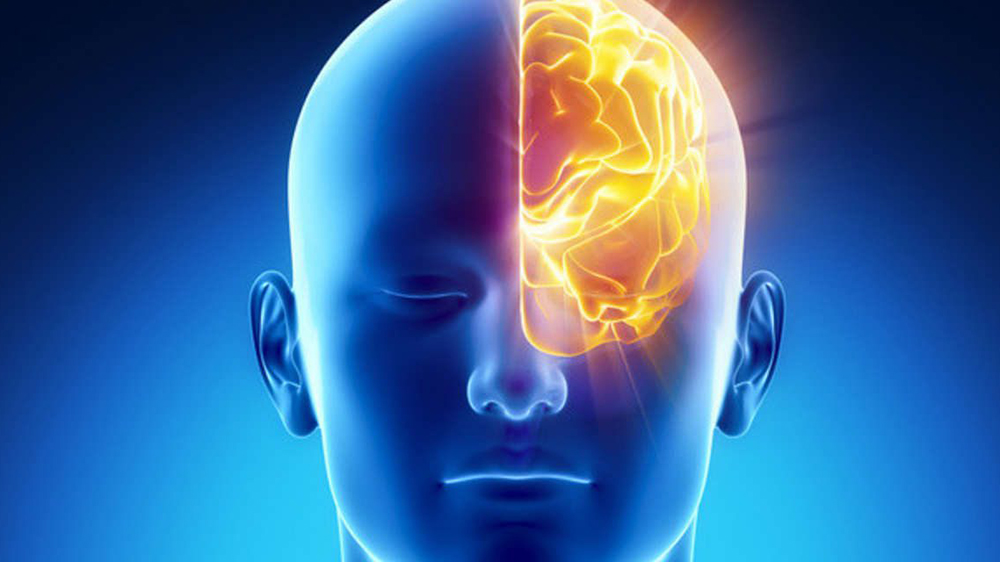
Psychiatric disorders are not only mentally exhausting to manage. Depression and anxiety, for example, also weigh heavily on the physical level, making it difficult to perform everyday activities easily and often making one feel truly exhausted. It is not just an impression: mental illnesses, in fact, have important organic repercussions related to neuroendocrine alterations that can interfere with many basic physiological functions, such as appetite, sleep, muscle tone, inflammatory and immune response, etc.
Here are some tips for responding.
Redazione My Special Doctor
Allergies: between truth and false myths
Le allergies seasonal are increasingly prevalent among both children and adults, for reasons ranging from increased pollen production by some plants to global warming, from a greater generalized predisposition of the population to the negative effects of pollution on the respiratory system, which can facilitate sensitizations (or otherwise worsen them). But do we know exactly what we are talking about when we say “allergy”? Try to test to which information is true and to which
false myths
you refer to in your daily life.
Febrile convulsions in children
Febrile seizures are seizures in the course of fever in a subject between 6 months and 5 years of age who has no signs of concomitant acute or chronic brain disease. Symptoms present generalized tonic, clonic or tonic-clonic seizures. The duration is a few minutes and rarely lasts for more than 30 minutes. Usually the child comes to the hospital when the seizure is over, so no urgent action is needed unless a relapse occurs.
Laboratory tests to be performed are blood glucose, calcemia, and electrolytes. Treatment performed only of seizure recurrence involves Diazepam rectally.
Source: Mediserve‘s Medical Emergencies in Pediatrics.
Having fun is the secret of well-being
“Laughter is good blood” is not just a popular saying. Several studies conducted over the past decades have indicated that this is indeed the case. Laughing, distracting oneself, spending time with pleasant people, engaging in a sport or other activities that manage to make one forget problems for a while and ease the mind really helps one feel better in body and spirit. Here is
an expert’s opinion and advice on the subject.
.
Sexuality at risk? Improve it like this
Sexuality is often taken for granted, as if it were an automatic reaction of the body that must always activate and function perfectly on its own, without needing too much care. Reality shows that this is not the case, especially after the age of 40, but sometimes even earlier. A first step to improving it is to
avoid certain mistakes
very common, at the individual and couple level, and to remember that mental and physical well-being is the prerequisite for a satisfying relationship life.
Alternative therapies: do they work or not?
In most cases, those who rely on alternative therapies exercise an act of faith. Scientific evidence supporting its objective, or at least probable, efficacy is in fact often lacking, and the touted benefits find confirmation in personal opinions, widespread suggestions and fanciful interpretations, more philosophical than biological. What is true about it? Which practices can really help and which cannot? And to what extent?
A few clarifications on the subject,
to really care and not take risks.
Esophagus at risk with hot drinks
“Don’t drink the water too cold, or you’ll get a stomachache!” How many times have we heard this from mothers and grandmothers? Definitely, many. No one, however, has warned us that very hot drinks can also be harmful, and in a far more serious way. According to research recently published in theInternational Journal of Cancer, drinking tea or other liquids with a temperature above 60°C (140°F) can increase the risk of developing esophageal cancer: by as much as 90 percent, from 2 cups and up.
Research details.
Kidneys: how to keep them healthy
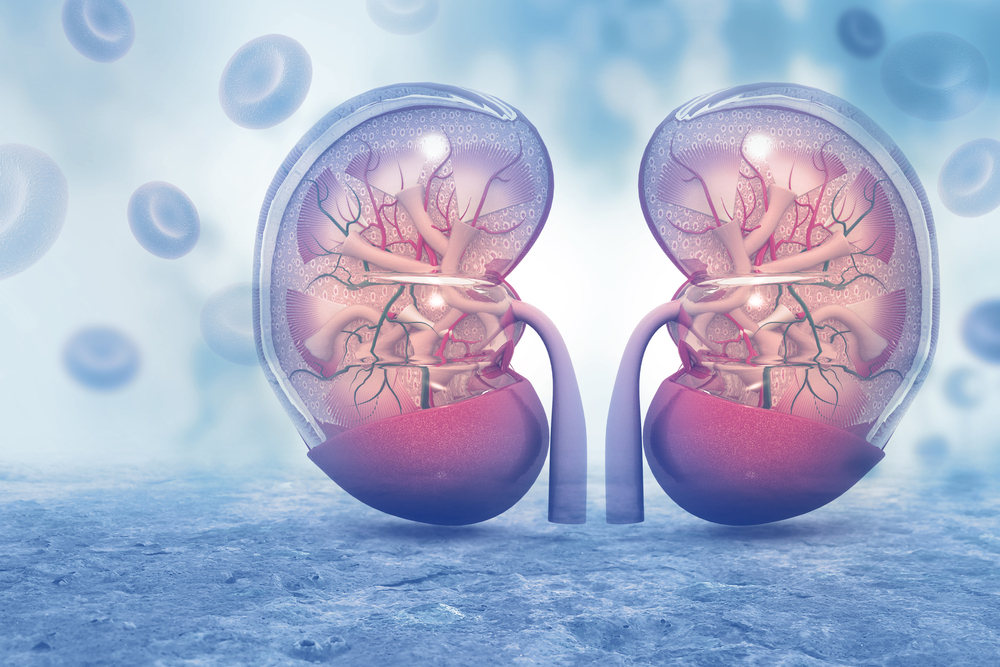
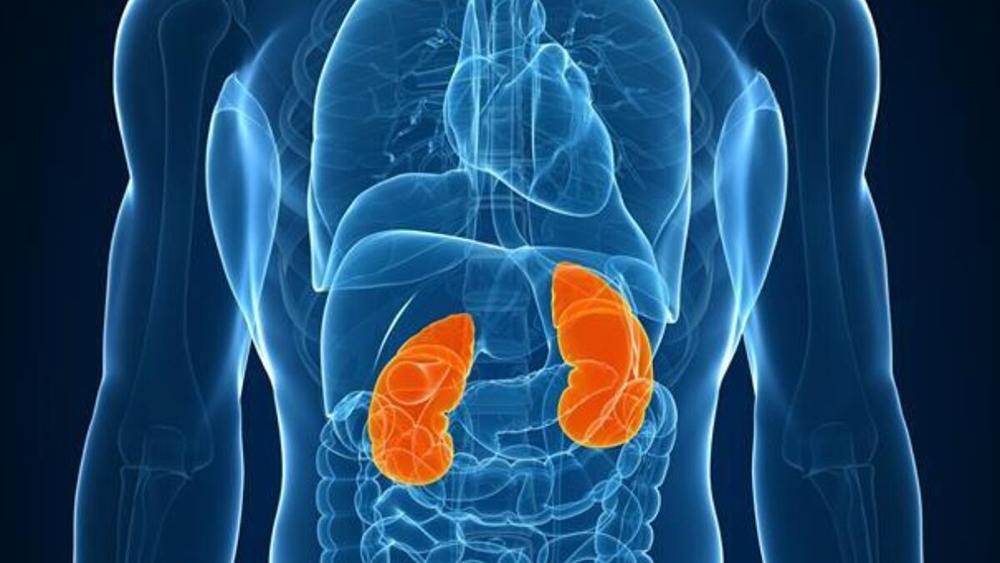
They are among the most important and delicate organs in the body, but as long as they work we really care little, if at all. At most, we take an interest in diuresis for aesthetic reasons, because we feel a bit bloated and weighed down by water retention. But the role of the kidneys goes far beyond producing a few gallons of pee a day, and keeping them healthy is crucial to ensuring the health and well-being of the entire body.
A few helpful tips
for taking care of your kidneys every day and staying healthy.
How to overcome emotional trauma
A bereavement, a divorce, a serious accident. These are some examples of traumatic events that can be difficult to handle and overcome on a psychoemotional level. Everyone experiences these in their own way, according to their own personality and context. But there are some strategies and behaviors that can facilitate trauma processing for just about everyone. You can find them at
this link, to be memorized and used in times of need.
Patients who are candidates for physical rehabilitation training
It is possible to identify the following categories of coronary patients in whom physical rehabilitation training can provide the desired effects:
- Patients at low risk after an acute cardiac event,
- Patients already undergoing coronary revascularizing surgery,
- Patients with stable angina pectoris,
- Patients undergoing percutaneous coronary angioplasty,
- Patients with stable postinfarct heart failure,
- Patients who have not had cardiovascular events but have a particularly disadvantageous risk profile.
In such patients, physical recovery can be achieved in a short time. There is no difference of the sexes; in fact, men and women receive benefits equally. As for the segment of the population consisting of the elderly it goes to enrich more and more the slice of patients to undergo rehabilitation.
Source: Mediserve Cardiovascular Rehabilitation
What is hematemesis?
Hematemesis is the oral emission of blood with vomiting. Symptomatology and objective signs depend on etiology. In the case of massive hemorrhage, symptomatology and objectivity in hypovolemic shock will be present. Immediate procedures such as cannulation of the vein, suspension of solid and liquid feeding, and insertion of a naso-gastric tube must be performed.
Laboratory tests to be performed are CBC, azotemia, blood glucose, ionogram, endoscopy, angiography, radioactive isotope radiological investigations, ECG, PA. In the case of esophageal varices, urgent perendoscopic sclerotherapy, endoscopic hemostasis and a possible infusion of Samotostatin is essential. For hematemesis of other nature sometimes targeted surgery or random therapy is needed.
Source: Medical Emergencies in Pediatrics by Mediserve edited by Maurizio Vanelli
Celiac disease: what it is and how to deal with it
Celiac disease presents as an abnormal immune response in the small intestine after ingestion of gluten, a protein found in many grains: wheat, but also spelt, barley, rye, oats, and Khorasan wheat.
This response causes chronic inflammation and thus serious damage to the gut resulting in an inability to absorb certain nutrients. This has repercussions throughout the entire body: a deficiency of nutrients in different organs, such as the brain, bones, nervous system, or liver, for example, can lead to diseases, sometimes very serious ones. Let’s think about how important various substances are in children who are in the midst of development and what consequences you may face if you continue to feed them foods containing gluten. Indeed, one of the most obvious “clues” in children with celiac disease is stunted growth, due precisely to the lack of several nutrients. But the symptoms are not always so striking. They can be silent and more subtle, so a diagnosis of celiac disease can be arrived at a long time after its onset. In fact, celiac disease can manifest itself in a variety of ways, such as with diarrhea and stunting immediately after weaning, but it can also appear later in life with different symptoms: anemia, irritable bowel syndrome, skin issues, or nervous disorders.
It should not be underestimated! A deficiency of vitamins A, B12, D, E, K and folic acid may result from the failure to absorb the various substances. There may also be a loss of calcium, from which other complications may result: calcium oxalate kidney stones and osteomalacia, a deficit of mineralization of bone tissue resulting in weakened bones in the body, which become less rigid.
Those who, despite a diagnosis of celiac disease, continue to ingest gluten can face serious complications, including osteoporosis, anemia, alopecia, infertility, and even various forms of cancer, especially intestinal lymphoma. Therefore, it is absolutely essential for people with celiac disease not to ingest foods containing gluten.
Personally, I am against all those products that are marketed gluten-free: pasta, pizza, cookies, rusks, etc. If you read the ingredients, you can find additives and preservatives within them that are harmful to your health. They are also made from devitalized flours: in fact, flours begin to “age” as early as the eighth day after milling and are completely “dead” by the fifteenth. This means that instead of providing us with important nutrients, they lead our bodies to suffer from deficiency, since, not finding the substances in food that are needed for the digestive processes themselves, they take them away from us, and so gradually we will have less and less magnesium, B vitamins, zinc, manganese and many others available to us.
Therefore, the best way is to buy products that are naturally gluten-free: to feel alive, vital, and full of energy, it is essential to feed ourselves with foods that can provide all the nutrients. Pasta, for example, even if made from corn or rice, is not a complete food because it is processed and processed: better to use the “live” grain, which carries the vital sprout and is rich in nutrients. Here is the list of naturally gluten-free grains and pseudocereals:
- Brown rice
- Mile
- Quinoa
- Buckwheat
- Teff
- Sorghum
- Amaranth
- Corn
Flours can then be made from grains: as I mentioned above, flour is “alive,” that is, rich in nutrients, until the eighth day after milling, after which it oxidizes and by the fifteenth day is completely devitalized. To prepare flour, you can buy an electric mill (you can also find ones that can be purchased on the Internet, just search for grain mill with stone mill): this will make it easy to produce cookies, cakes, and breads with homemade flours.
Of course, fruits, all seasonal vegetables and legumes should not be missing from the tables, varying the products as much as possible so as not to incur deficiencies.
Source: Crudostyle

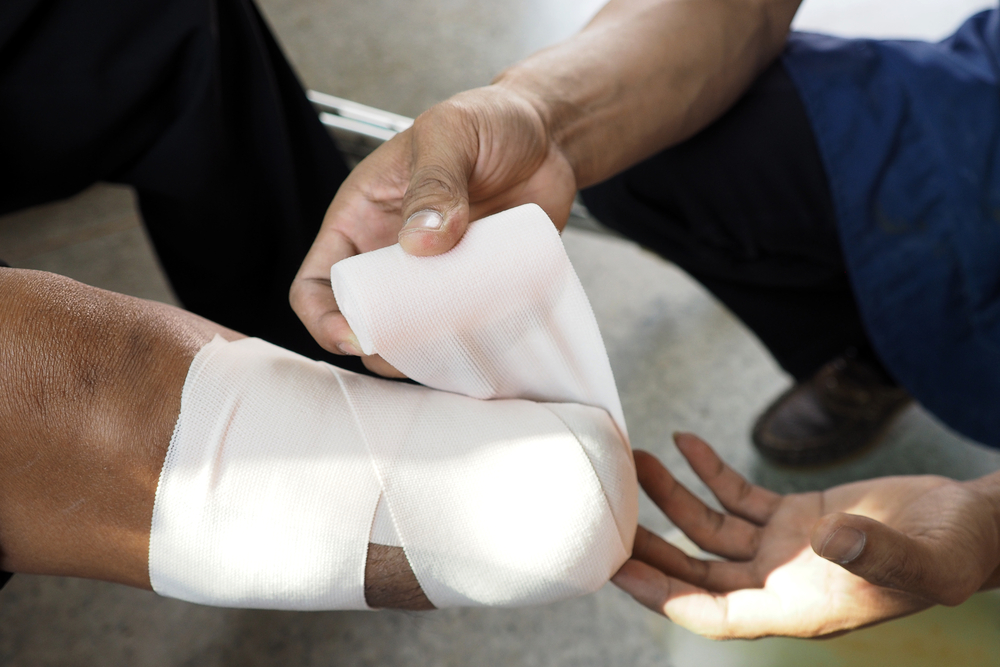
How to manage the consequences of amputation
For
amputation
is defined as the complete removal of a body part. Surgical techniques can often reattach amputated parts so that normal or near-normal function is restored.
What to do?
- Check ABCHs and hemorrhage.
- Dealing with shocks.
- Look for and protect the amputated part. Later let the surgeon decide whether it can be reattached.
- To protect the amputated part, you must rinse it with water and remove debris, wrap the amputated part with dry, sterile gauze, place it in a container or plastic bag, on a bed of ice. Do not immerse the amputated part in ice, as it is difficult to reattach frozen anatomical parts.
- Call the ambulance immediately.
Medications: mistakes to avoid
Some would never want to take them; others would want a pill to cure every ailment and would not leave home without an emergency kit in their bag. In few areas as in the use of drugs are people’s attitudes so diverse as to contemplate all the nuances between opposites. What they all, or at least the majority, have in common is the possibility of making errors in intake, either under or over, due to forgetfulness, inaccurate understanding of the directions given by the doctor or listed on the package inserts, prejudices or false beliefs that lead to “revising” dosages and duration of therapies in an imaginative way, with the sole result of reducing the efficacy and safety of the medications taken. A few usage cautions to take the best care of yourself .
What does the sun really do to the skin?
by Rosanna Feroldi
That the much-loved tan is not a sign of health as it has long (and perhaps still) been perceived by most, but merely the skin’s defensive reaction to the damage inflicted by the sun’s rays should be clear to everyone by now. But how informed are you really about the risks you are putting your skin (and your health in general) at when you expose yourself to ultraviolet rays (UVA and UVB), natural or artificial, without having taken the necessary precautions? Test your knowledge with
this quiz
. Most importantly, remember to always use high-quality sunscreens that are appropriate for your phototype.
Taking care of the skin at the table
Contrary to what the manufacturers of very expensive moisturizing, nourishing, toning, anti-wrinkle fluids, elixirs and creams, etc., would have us believe, the health and beauty of the skin depends only to a small extent on what we can apply to its surface and a great deal on what happens inside the body. To hydrate it, one must above all drink plenty of water. To nourish it, one must take in polyunsaturated fats and other useful lipids found in fish and nuts. To protect it from aging, you need the right amount of vitamins and minerals, of which fresh fruits and vegetables abound. Here is a
list of foods
to take every day to care for the skin “from the inside out.”
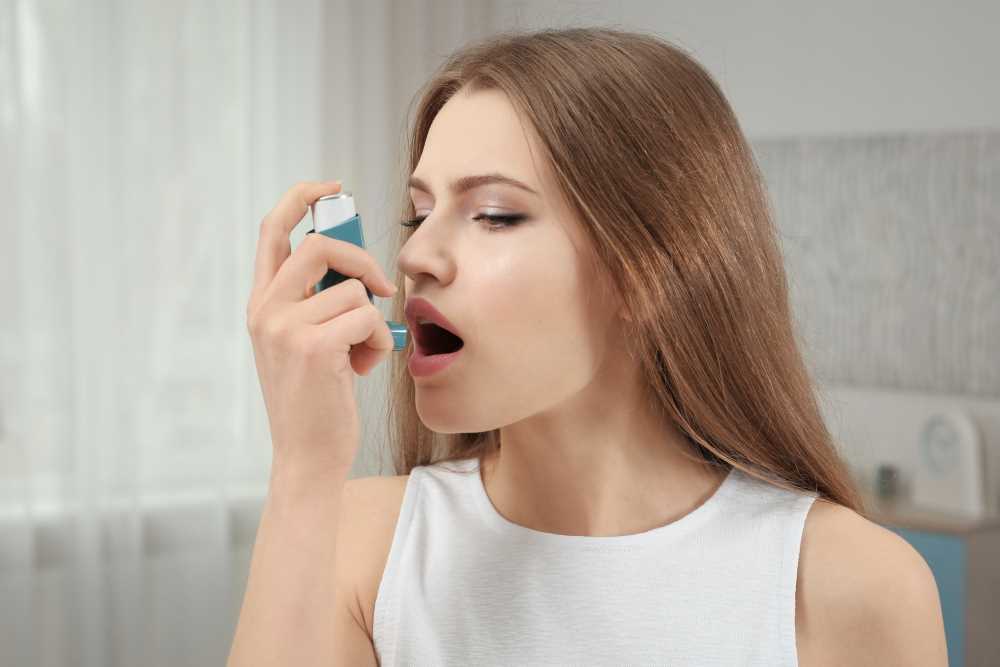
What to do in case of asthma
People who suffer from asthma have acute episodes, at which time the airway narrows and they begin to breathe laboredly. Some individuals experience asthma attacks the moment they are exposed to low temperatures. Others, however, experience these attacks during an exercise session. Symptoms of asthma vary from person to person and usually can be found in coughing, skin cyanosis, nostrils flaring with each breath, and wheezing.
What to do?
- The victim should take asthma medication and rest.
- Help the victim get comfortable and in an upright position.
- In severe cases arrange for hospitalization.
Source: Mediserve‘s Pocket Guide to First Aid.
Beware of those twelve: tempting but risky foods
Beware of those twelve: tempting but risky foods.
Especially in summer, colorful, inviting, fresh and tasty fruits and vegetables become the stars of the table, aperitifs, beach snacks and parties with friends. But to always consider them beneficial to health is a mistake. Some plant foods commonly eaten or used to decorate dishes and cocktails can be toxic if taken at the wrong time or in the wrong way, because in some of their parts or stages of ripeness they contain substances that are harmful to the human body.
Here are some of the major risk foods that not everyone knows about.
Acute hemiplegia in children
Symptoms of acute hemiplegia may be hemianesthesia, hemianopsia and aphasia. The onset of symptoms is sudden and peaks within a few hours. The onset of hemiplegia may be preceded or followed by generalized seizures and may be accompanied by disturbances in consciousness, vomiting, and headache.
In epileptic forms as well as in diabetes, infections, and trauma, a thorough history investigation is essential to identify the causes that led to the onset of hemiplegia. Cerebrovascular problems are more difficult to diagnose and have a semeiological pattern similar to a hemiplegic migraine.
There is no emergency treatment available, but there are general norms that serve clinical control of the patient: hydration, monitoring, correction of hypoxia, and correction of hemoconcentration.
Source: Medical Emergencies in Pediatrics by Mediserve edited by Maurizio Vanelli
Eliminate bacon, without exerting too much effort
If you have not prepared in time for the dress rehearsal, it is now a little late to run for cover. But if your goal is limited to losing a few pounds and you don’t give yourself too tight deadlines, summer is just the best time to review your eating and lifestyle habits, aided by the warm weather (which makes you prefer fresh, fiber-rich, low-fat, low-calorie foods, such as fruits, vegetables, and fish), increased opportunities for physical activity (avoiding it when the weather is too muggy), and relaxation (which helps you avoid eating excesses promoted by stress rather than hunger). If you want some more suggestions on how to do it, you can find it here .

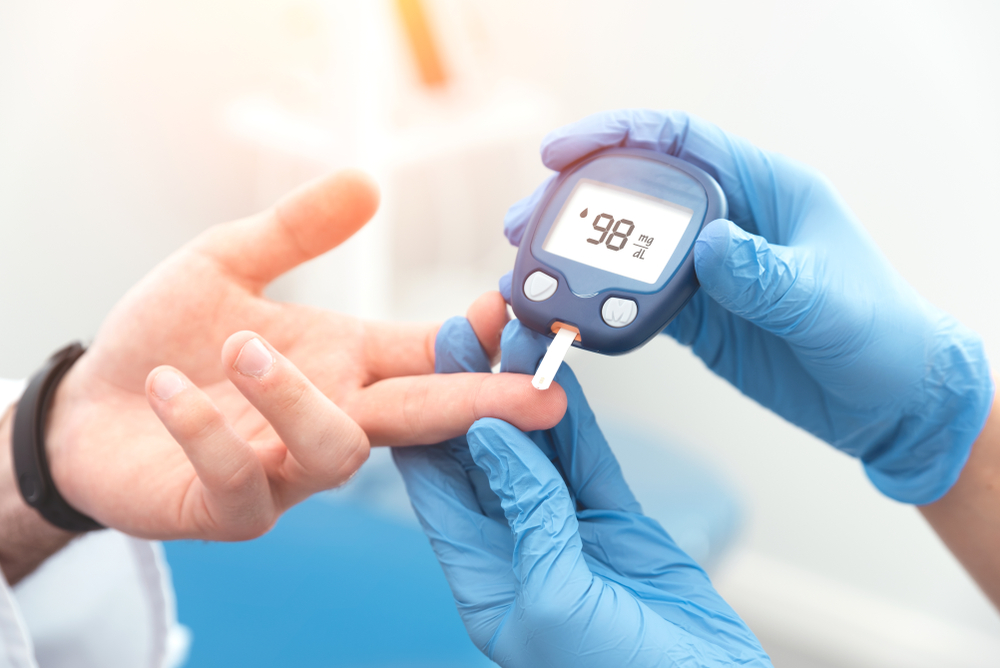
Diabetic emergencies
Diabetes is a condition in which insulin, which helps the body harness the energy within food, is absent. Excessive insulin concentration causes insulin or hyperglycemic shock. Excessive sugar contraction together with an insufficient amount of insulin, on the other hand, can lead to diabetic coma or hyperglycemia.
In case of hypoglycemia, a emergency response. In case of hyperglycemia, Instead, the following symptoms occur: drowsiness, extreme thirst, skin redness, vomiting, heavy breathing and possible loss of the consciousness.


What do?
- If you are unsure about the presence of hypoglycemia or hyperglycemia, only sugar-free foods or drinks should be given.
- Administer fluids.
- If the person in question does not feel better in 15 minutes, arrange for hospitalization.
Source: Mediserve‘s Pocket Guide to First Aid.
Patient empowerment
“Nothing about me, without me”
“Nothing I don’t know, not without me ”
This is the phrase that best expresses the concept of patient empowerment in the terms of the
Patient’s right and ability to make choices and take responsibility for the consequences of their choices…..
The Self-empowerment health education model originated in university research in multiple countries , which followed the Chronic Disease Self-Management Program developed by Stanford University’s Patient Education Research Center.
Source :
http://www.selfmanagementresource.com/
“Patient empowerment is a process that helps people gain control, through initiative, problem solving, and decision making, which can be applied in various settings in health and social care. But it is also the patient’s right and ability to make choices and take responsibility for the consequences of their choices.
“Patient empowerment─who empowers whom?” This is the title of a recent Lancet editorial[1] reporting on the first European Conference on Patient Empowerment, held in Copenhagen, Denmark, and organized by the European Network of the same name (ENOPE 2012).
Source: http://www.saluteinternazionale.info/2012/07/nothing-about-me-without-me/
The British Medical Journal also reports on the conference in its News section[2]. One definition of patient empowerment given by the conference organizers is: “a process that helps people gain control, through initiative, problem solving, and decision making, which can be applied in various contexts in health and social care.”
Recent literature, provides other definitions that, in addition to the process, take into account the goal, describing patientempowerment in terms of the
patient’s right and ability to make choices and take responsibility for the consequences of their choices
[3]. In general, the guiding principle is that of self-determination (“nothing about me, without me”)
Even in Europe, as evidenced by the Copenhagen Conference the use of this Program and the focus on patient empowerment is growing. There are now 11 European countries in which the Program is being adopted on a larger or smaller scale and with a systematic dissemination initiative ( as in the United Kingdom and Denmark ) or in a patchwork manner .In Italy , for example, it has been used by the Primary Care of many ASLs in several regions ( e.g., Tuscany, Emilia Romagna, Lombardy )
The Program and related studies have shown that informing and enhancing patient empowerment allows patients to positively influence nonfunctional disease-related behaviors.
Stanford University Stanford Patient Education Research Center Stanford University School of Medicine 1000 Welch Road, Suite 204 Palo Alto CA 94304 (650) 723-7935 voice – (650) 725-9422 fax http://patienteducation.stanford.edu [email protected]


Waiting lists
I was told that they are not accepting reservations until the end of December and that they do not yet have availability for the January lists. Is it true that it is not possible to close reservations for health care services?
Yes, closing reservations (the phenomenon of blocked waiting lists), is a practice prohibited by the 2006 Budget Law, L. no. 266/05. Regions can even impose a fine of 1,000 to 6,000 euros on those responsible for the violation in such cases.
2. So what can I do if I am told at the time of booking that the waiting list for the service I need is blocked?
When you are faced with a blocked list we suggest you:
- Report the fact by sending by A/R to the General Management of the Health Authority, to the Health Department of your region and to Cittadinanzattiva the
form
to request the unblocking of the lists and the application of the fine; - Call the CUP to find out which other facilities can provide the service.
3. Is it true that maximum times have been set for all health care services?
No, the New National Waiting List Government Plan 2010-2012 set nationwide maximum times only for 58 health care services among diagnostic, outpatient specialty (first visits or first diagnostic tests) and some hospitalizations.
The regions in turn transpose the National Plan by indicating, in their own act, the guaranteed services and their maximum delivery times in each region.
4. Where can I find the list of 58 services and their maximum waiting times?
Details of the benefits identified by the National Plan can be viewed in the in-depth section.
For regional regulations, you can consult your region’s website or contact your ASL’s Public Relations Office.
5. In case of exceeding the maximum times, what happens?
The New National Plan for Waiting Lists stipulates that in case of non-compliance with the maximum timeframe, the company must provide the public or private accredited (contracted) facilities that ensure compliance with the timeframe; in case no public or contracted facility is able to provide the service, the health company must authorize the service under the intramural (intramoenia) regime. In this case, the citizen does not have to bear any additional financial burden, except for any co-payment (if not exempt).
6. In the case of exceeding the maximum times, then, what should I do?
The suggestion is to submit the
form
to request the identification of the public or contracted facility that can provide the diagnostic or specialist service within the maximum time frame or authorize the service in intramoenia without additional charges in addition to the co-pay. In the case of exceeding the maximum time for inpatient services you can use this
form
.
7. Is it true that a physician can certify that the service is urgent?
Yes, the new National Waiting List Government Plan provides the option for the physician (public service physician, family doctor, pediatrician, on-call doctor) to apply a priority code to the requested service. On the prescription it will then be able to indicate the code U (urgent) for which the service must be provided within 72 hours, B (short) within 10 days, D (deferable) within 30 days the visits and 60 days the diagnostic tests, P programmable.
8. How can citizens know their asl’s service delivery time?
Each local health company or hospital corporation must draw up the implementing business plan and give appropriate “dissemination” of it to citizens; in fact, it must be available at booking centers, company websites and URPs.
9. What if a service is not included in the waiting time government plan and the time the CUP has projected to me is too long?
If no facility in the area is able to provide that service in a timely manner, and a medical certification states that the wait is incompatible with your health condition, you can submit the
form
. You will have to send the form to the general direction of the Asl and the Department of Health of your region, enclosing the certificate attesting to the incompatibility of waiting through registered mail with return receipt.
10. I want to perform the service only in one facility, a large hospital, but I have verified that it does not meet the maximum time frame. What can I do?
If you decide to go exclusively to one facility, but other facilities in your ASL are able to provide that same service within the maximum time frame, there is no alternative: you must wait your turn.
The advice is to always contact the CUP in order to locate the facility that will deliver the service as quickly as possible or talk to your doctor to assess whether the waits are compatible with your needs!!!
11. I have to conduct a follow-up visit but the reported times exceed those published in the plan: is this legal?
The Plan has set maximum times for outpatient diagnostic-specialty services only for first visits and first diagnostic tests or those services aimed at identifying a diagnosis; therefore, periodic checkups remain excluded.
12. If the service I have to perform is included in the government plan but it is a checkup and not a first visit and I need to have the service in a shorter time what can I do?
If the wait projected by the CUP is incompatible with your needs talk to your doctor who will eventually certify the need for the service in a shorter time. Use the
form
and attach the doctor’s certification of time incompatibility.
13. Are there preferential access pathways for certain clinical areas of particular impact to citizens’ health?
Yes there are diagnostic and therapeutic pathways (PDT).
The new Wait Time Containment Plan states that regions are required to initiate preferential access pathways(PDTs or diagnostic therapeutic pathways) for 2 medical areas in particular: the cardiovascular and oncology areas.
- The first specialist examination (cardiology or oncology examination) should be performed within 30days;
- Appropriate waiting times between problem definition (diagnosis) and execution of the therapeutic act should be established. However, the wait cannot be longer than 30 days.
14. In booking a specialist visit that I need in a short time, I was projected a waiting time of many months. What can I do?
The new National Plan for Waiting List Governance (Official Gazette 11/23/2010 Ordinary Supplement No. 274) guarantees the provision of 58 services within specified maximum times.
Source: Cittadinanzattiva
Sunscreens: how familiar are you with them?
Summer is now full. Many are already on vacation, others are about to leave or will leave soon. But there has certainly been no shortage of sunshine in Italy’s hot and dazzling cities for several weeks. Getting a tan is pleasant, but protecting oneself is essential to stem the ever-increasing spread of skin cancers and not promote excessive skin aging, which then remains indelibly even as the complexion pales. Good quality sunscreens allow you to protect your epidermis without giving up the pleasures of the sun: but do you know how to choose and use them correctly? Check it out with this quiz . And don’t forget to apply them in abundance.