



of

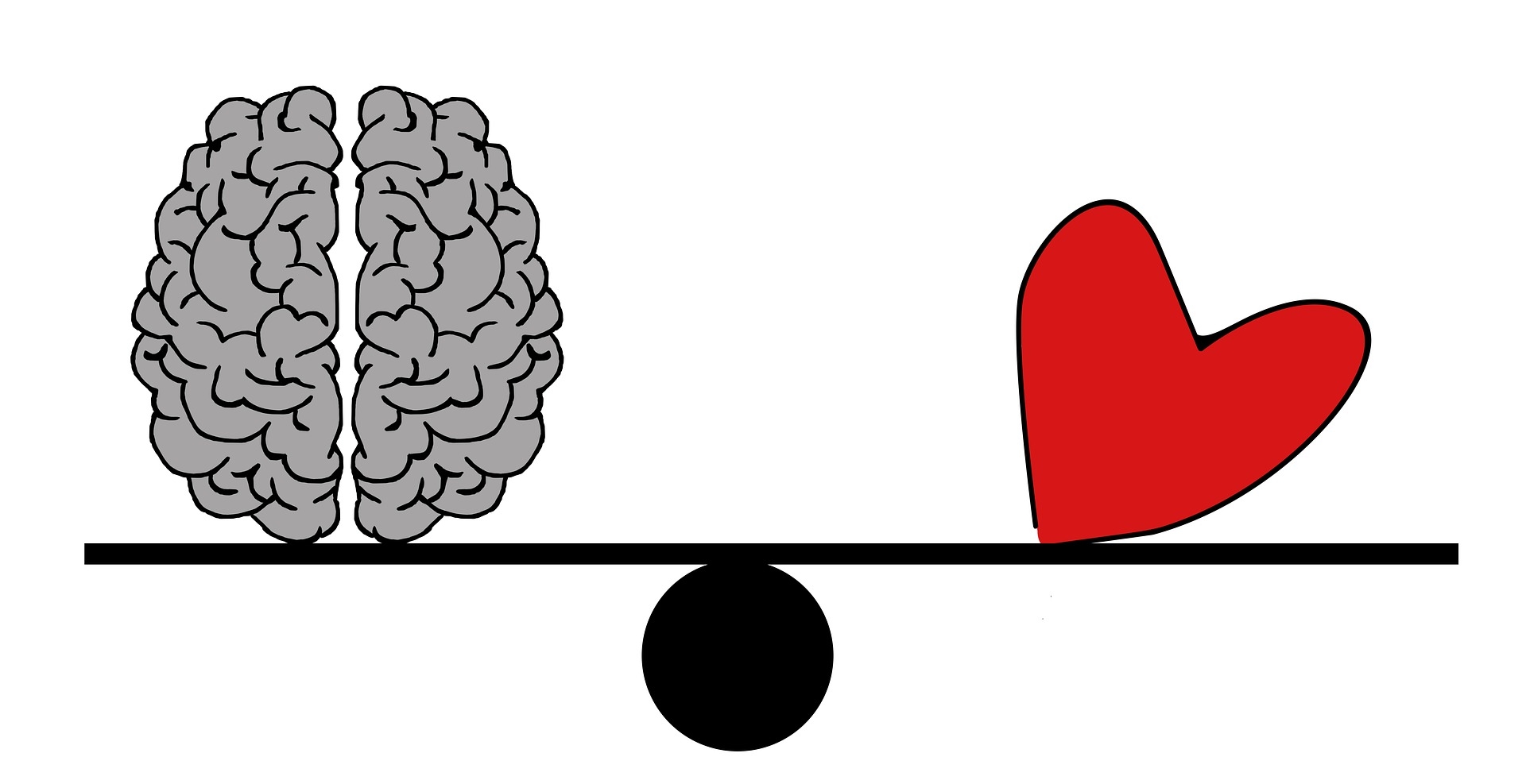
The brains of abandoned children

child-817373_1280
Alterations in key nerve circuits, but with family foster care, recovery is possible

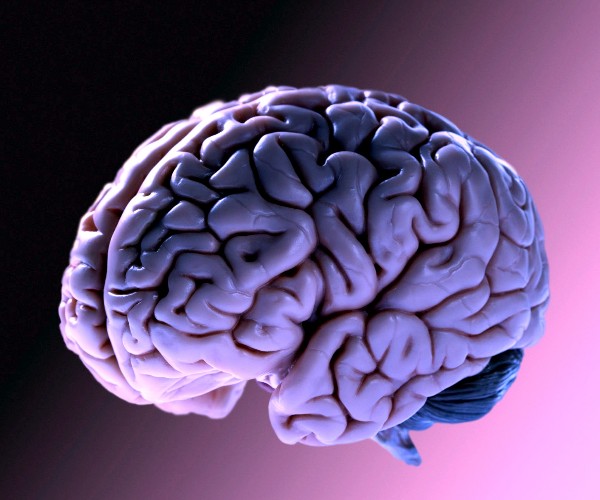
A research team from Harvard Medical School‘s Boston Children’s Hospital has documented, in JAMA Pediatrics, the alterations that occur in the brain circuits of children who lived in orphanages in Bucharest. The study, which began in 2001, is part of a project, called the Bucharest Early Intervention Project, involving the 6 orphanages in the Romanian capital, three U.S. Universities led by Harvard, three Foundations, led by the Mac Arthur Foundation of Chicago, whose goal is to examine the effects of childhood institutionalization on brain and behavioral development and, at the same time, to test whether family foster care has the ability to recover from brain damage.

The characteristics of the study are very unique. 136 children around two years of age, who had been in an orphanage since birth or at least for a few months after birth, were randomly divided (randomized) into two groups, one sent to foster care and the other who remained in the orphanage. A choice that instantly puzzles, but it should be known that, prior to this project, there was no adoption program in Bucharest, which therefore begins with the activity of the U.S. group, which covers the costs of fostering and the training of social workers who will be responsible for providing ongoing support to foster families. Finally, the study included a control group consisting of Bucharest children of the same age living with their families. All children were observed for about 8 years at regular intervals, monitoring their intellectual and behavioral development until then ages 9 to 11. Finally, a sample from each of the three groups was selected to be subjected to a meticulous and extensive brain investigation carried out using the Diffusion Tensor technique. This technique, abbreviated DTI (tensor diffusion imaging), allows visualization of the bundles of white matter fibers that connect brain areas to each other.

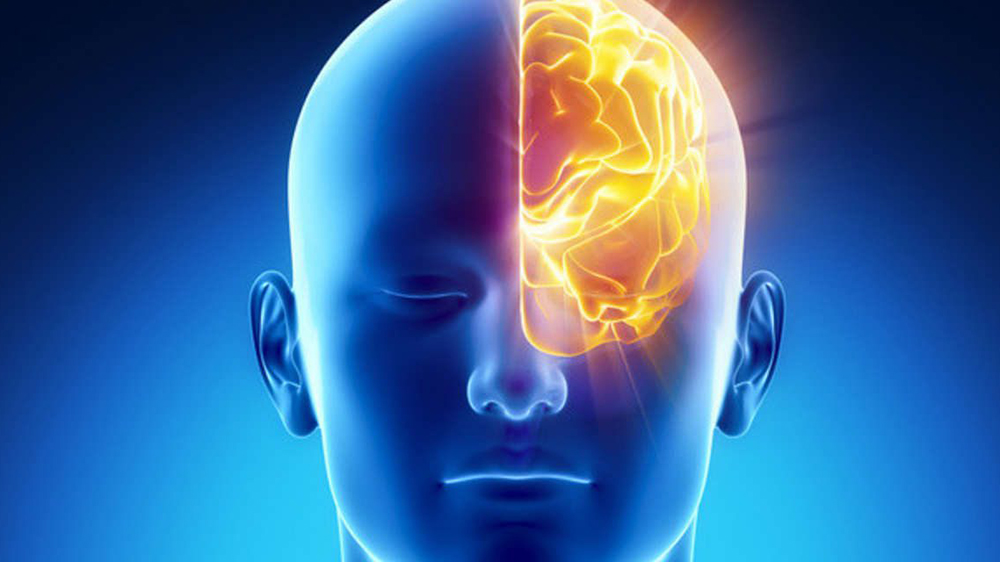
Children in orphanages showed alterations in white matter microstructure in a number of circuits and namely: the central part (so-called body) of the corpus callosum, cingulum, corona radiata, fornix, external capsule, retro-lenticular area of the internal capsule, and medial lemniscus. Brain images of all these brain circuits of institutionalized children, with the only exception of the retro-lenticular area of the internal capsule, show linkage deficits, which also explain the behavioral, cognitive and emotion management disorders that, with greater frequency, are present in these abandoned children. Intriguing is the exception of the retro-lenticular area of the inner capsule, which, instead of ‘weakening, is shown to be thickened and thus more functional. This area is part of the visual system and is the sensory area studied along with the medial lemniscus, which is a nerve pathway that transports sensation from the body to the brain, which, on the other hand, is deficient like all other circuits. One would think that in institutionalized orphans there would be greater visual acuity, as a need to be alert at all times, and poor tactile sensitivity, a dulling of the senses from lack of caresses and more generally from poor human contact .

Children in foster care, on the other hand, show brain images quite similar to children living with families, although some alterations in the white matter are still visible in the corpus callosum and corona radiata. This study is of great importance not because it is the first. Most recently, work by RJ Davidson’s group at the University of Wisconsin-Madison, in Biological Psychiatry on Feb. 15, documents, in children who have been abandoned or subjected to physical abuse or economic misery, structural alterations on key gray matter areas such as the amygdala and hippocampus. The importance of the Harvard study lies in the fact that it is a randomized controlled, prospective design with within it the demonstration that family foster care is not only an ethical obligation to these “innocents” (after whom the famous orphanage in Florence was named), but it is also an effective health intervention, which even in our country, which has abolished orphanages since 2006, it would be appropriate to extend without delay. There are about 15,000 minors in foster homes, which are certainly not orphanages but are obviously not families either, with an estimated economic cost of more than 40,000 euros per year per child. This money could be better spent.

by Francesco Bottaccioli

FEATURED SPECIALISTS

  • Profile picture of Dr. Francesca Marceddu
    active 5 years, 6 months ago

    Anesthesiologists, Basic Doctors

    • Via del Risorgimento 49 - Pirri
    phone
  • Profile picture of Dr. Sergio Ettore Salteri
    active 5 years, 6 months ago

    Basic Doctors, Chiropractors, Posturologists

    • Via Vial di Romans 8 - Cordenons
    phone
  • Profile picture of Dott.ssa OLGA PETROVSKAIA
    active 5 years, 6 months ago

    Pain therapists, Basic Doctors, Therapist

    • Via Giulio Romano 3 - Valle Martella
    phone
  • Profile picture of Dr. Monica Gamba
    active 5 years, 6 months ago

    Aesthetic Doctors, Plastic Surgeons, Basic Doctors

    • Viale Radich 21/N - Grugliasco
    phone
  • Profile picture of Dr. Giandomenico Mascheroni
    active 5 years, 6 months ago

    Endocrinologists, Basic Doctors, Certifying Doctor

    • Via Petrarca 53 - Carnago
    phone

RELATED ARTICLES

Emotional skills

The learning of emotional skills requires a different methodology, since it assumes adequate knowledge of one’s emotional world and the development of interpersonal skills. The role of emotions is very

Family dysautonomy

Involuntary nervous system dysfunction, or familial dysautonomia, is a genetic disorder that goes to groups of nerve cells, which are not properly developed and do not survive.

Emotions set teenage brains in motion

It is not difficult to think that a particularly strong emotional state can cause increased brain activity, especially in adolescents. The finding is interesting especially when compared to other mechanisms

RELATED PATHOLOGIES

Glaucoma

Glaucoma is a serious eye disease that can cause blindness, mainly due to increased pressure inside the eye that damages the optic nerve. The disease can occur at any age,

Morton’s neuroma

Morton’s neuroma consists of a thickening of the tissue surrounding a nerve tract present in the sole of the foot at the anterior (forefoot) support area, usually at the base

Tensive headache

Tension headache is a primary form of headache that is characterized by episodes of widespread pain throughout the head, of mild to moderate intensity, that does not worsen with physical

Sleep and mood disorders

Sleep disorders and mood disorders are linked by a double thread and articulately affect each other. Decades of studies and clinical-practical experience, both in the field of Sleep Medicine and

Headache

Headache, the so-called “headache,” is probably the most common form of pain. It is chronic or recurrent pain affecting various structures of the head, such as arterial and venous vessels,

Migraine

Migraine is a primary headache that is manifested by recurrent attacks of moderate to severe headaches, varying in duration from 4 to 72 hours, interspersed with symptom-free periods. Sometimes migraine

Ischemic stroke

According to the official definition of the World Health Organization (WHO), stroke corresponds to a “sudden onset of signs and/or symptoms referable to local and/or global deficits in brain function,

Headache

Headache or cephalalgia, whether occasional or recurrent, is one of the most common disorders among people of all ages and from all parts of the world, which, depending on the

Meniere’s Syndrome

Meniere’s syndrome is a balance disorder characterized by recurrent and unpredictable “attacks” involving the onset of intense dizziness, associated with reduced hearing, whistling and buzzing. Each attack is heralded by

Obstructive sleep apnea syndrome

Obstructive sleep apnea is the most prevalent type of sleep apnea: a category of disorders united by the occurrence of repeated interruptions of normal breathing while sleeping, due to a

FEATURED SPECIALISTS

  • Profile picture of Dott.ssa Maria Grazia Caruana
    active 5 years, 6 months ago

    Aesthetic Doctors, Basic Doctors

    • Viale Prassilla 41 - Roma
    phone
  • Profile picture of Dr. Roberto Zaffaroni
    active 5 years, 6 months ago

    Basic Doctors, Therapist

    • Via San Francesco D' Assisi 5 - Varese
    phone
  • Profile picture of Dr. Domenico D'Angelo
    active 5 years, 6 months ago

    Otolaryngologists, Basic Doctors, Competent Doctor

    • Via Pola 5 - San Prisco
    phone
  • Profile picture of Dott.ssa Anna Puccio
    active 5 years, 6 months ago

    Gynecologists, Basic Doctors

    • Via Vincenzo Ponsati 69 - Volvera
    phone
  • Profile picture of Dott.ssa Emanuela Costantino
    active 5 years, 6 months ago

    Neurologists

    • Via Gallinara 2/B - Cagliari
    phone

prenota il tuo viedeoconsulto in convenzione

Completa il form e sarai contatto dal personale medico specializzato

your advertising
exclusively ON
MY SPECIAL DOCTOR

complete the form and you will be contacted by one of our managers