



of

Forced diuresis during poisoning

fea598397d9c0ec4

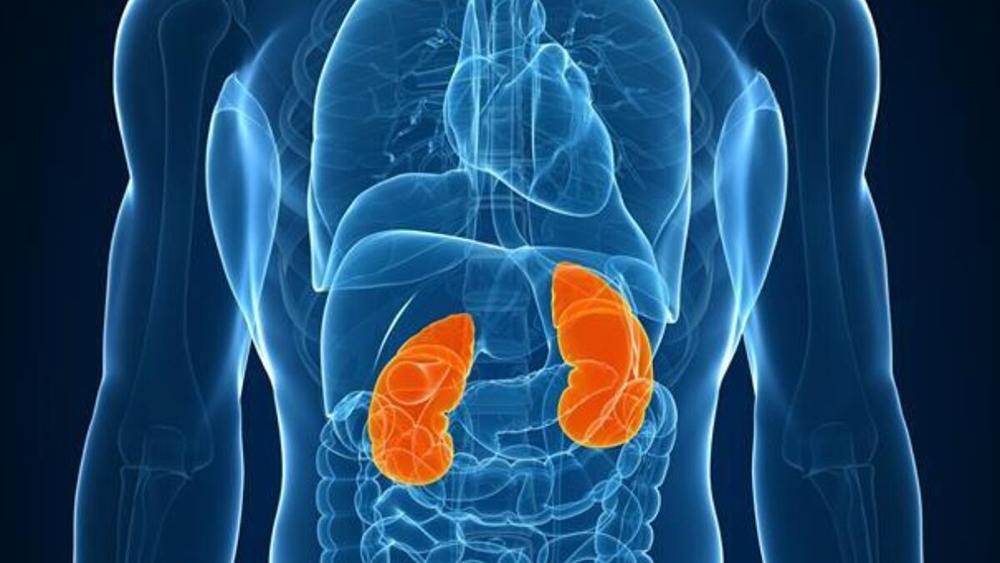
Once a toxic agent has distributed into the tissues and organs of the patient, the harmful action will continue to persist until an antidote to it Will neutralize. Obviously, the use of antidotes is limited, as they do not there are methods to artificially increase metabolic inactivation processes. With filtration, the idea was established that the infusion of greater amount of fluids in the body should lead not only to the formation of more pee, but also to the removal of toxins. All this has been made evident as a result of the forced diuresis of thousands of poisoned people.

For most of the drugs taken in overdose, only a small proportion of them Is eliminated from the kidney in unchanged form. Usually their action ends by metabolic degradation, so diuresis would not change the duration of their effects.

From A therapeutic point of view, forced diuresis can help the patient poisoned only when it comes to overdoses of salicylates, barbital and phenobarbital, quinine and other amphetamine-like drugs.

In addition, urine pH can alter the effectiveness of diuresis in excreting the medication.

Source: Roy Goulding’s Vademecum of Poisoning Therapy.

FEATURED SPECIALISTS

  • Profile picture of Dr. Virgilio De Bono
    active 5 years, 10 months ago

    Aesthetic Doctors, Basic Doctors, Dermatologists

    • Via Ripense 4 - Roma
    phone
  • Profile picture of Dr. Tiziana Volpe
    active 5 years, 10 months ago

    Gynecologists, Basic Doctors, Professional Counselor

    • Piazzale Jonio 50 - Roma
    phone
  • Profile picture of Dott.ssa Francesca Vittorelli
    active 5 years, 10 months ago

    Therapist, Acupuncturists, Basic Doctors

    • Corso Andrea Palladio 134 - Vicenza
    phone
  • Profile picture of Dr. Fabio Fabi
    active 5 years, 10 months ago

    Sports Doctors, Internist, Basic Doctors

    • Via Sarsina 147 - Roma
    phone
  • Profile picture of Dott.ssa Monica Calcagni
    active 5 years, 10 months ago

    Gynecologists, Aesthetic Doctors, Basic Doctors

    • Via Casilina 32 - Arce
    phone

RELATED ARTICLES

Chlorinated hydrocarbons: what are they?

In this group of chemical compounds we find carbon tetrachloride. Similar to the latter there is chloroform and other derivatives that have replaced it. In addition to the narcotic features

What is the intragastric balloon?

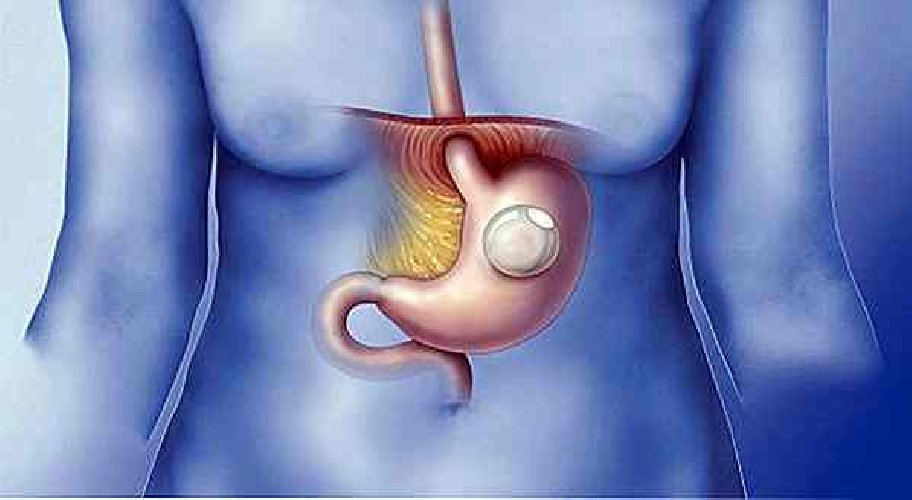
The intragastric balloon is inserted through endoscopic intervention into the stomach. It induces a partial filling of the stomach, causing the subject to feel full, which turns him or her

Paracetamol: what to do?

In some countries, paracetamol is sold in quantities greater than aspirin. Most people, they do not know the differences between the two substances. For this reason, poisoning by paracetamol in

Ingestion of poisonous substances

Ingested poisons normally stay in the stomach for a short time. Absorption occurs after the poison has passed through the small intestine. A poisonous substance does more damage to the

Muscle injuries

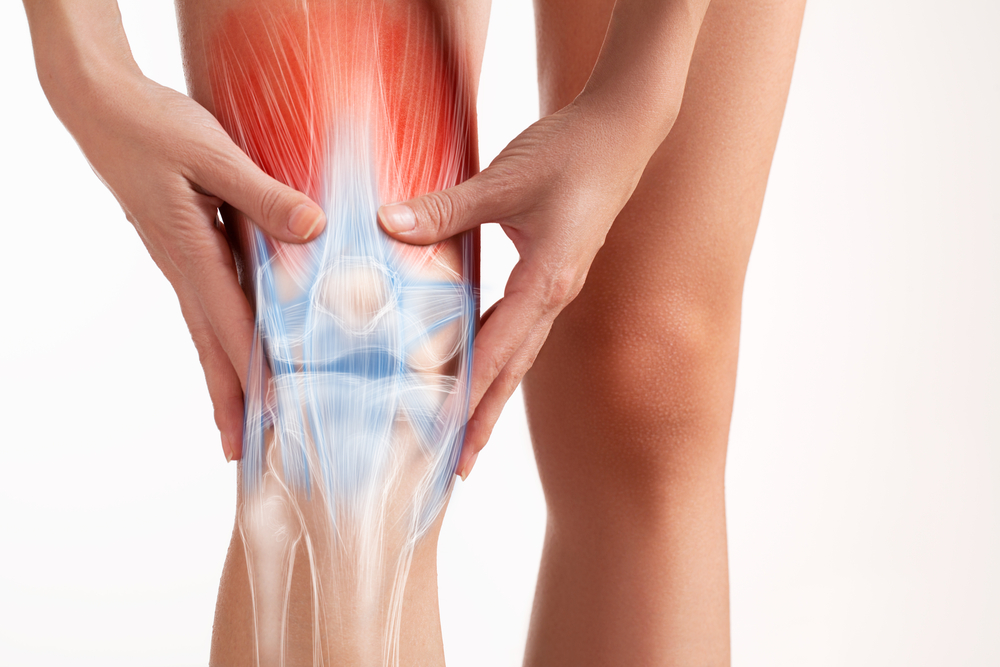
A muscle tear occurs when the muscle is forced beyond its range of motility. RICE procedures must be used. Cramps are spasms uncontrolled muscles, causing pain and loss of

Hymenoptera venom allergy

Allergy due to the components of the venom contained in the sting of hymenoptera can cause extensive local reactions or systemic reactions. As for the extensive local reactions edema appears

Formaldehyde: what is it?

Formaldehyde is a gas that dissolves in water, resulting in a formalin solution. In the atmosphere, formaldehyde gas is very irritating and causes coughing, tearing, eye burning and pain, bronchial

Foreign body (in the digestive tract)

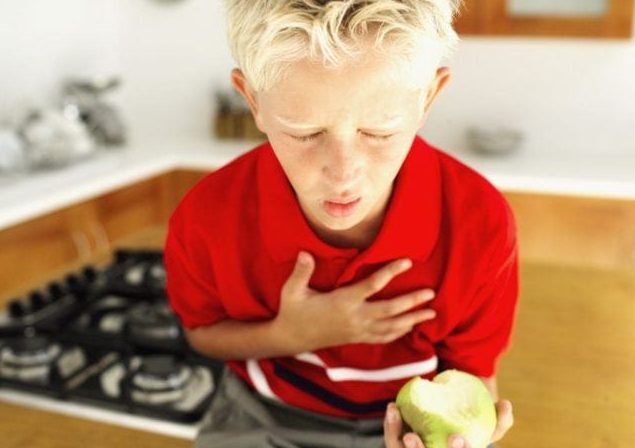
It’s very easy for a child to ingest a foreign body. The symptoms are sometimes asymptomatic and the body is easily excreted. Other times it may cause dysphagia, anorexia, anxious

Foreign body (in the respiratory tract)

Children between 6 months and 3 years of age often get find themselves struggling with a foreign body in the respiratory tract. Symptoms are spasmodic coughing and sudden stridor in

RELATED PATHOLOGIES

Renal Colic

An attack of renal colic represents one of the most unfortunate clinical experiences because of the intense pain caused by kidney stones that may be present from the kidney to

Sjögren’s syndrome

Sjögren’s syndrome is a chronic autoimmune-based systemic disease that causes malfunction of various exocrine secreting glands (i.e., those that spill secreted material onto the surface of the tissue in which

Parotitis

Mumps is an acute generalized viral infection, mainly affecting school-age children and adolescents. A disease is widespread throughout the world, and humans are the only natural hosts. A carrier state

Obstructive sleep apnea

Repetitive episodes of upper airway obstruction may occur during sleep, often accompanied by reduced oxygen saturation. Such episodes are accompanied in almost all cases by snoring. Apneas often end with

Hypermetropia

Hypermetropia is an eye condition in which the eyeball is too short and does not allow proper focusing. In the farsighted eye, light rays from a distance are focused beyond

Intracranial hypertension

Increased pressure within the head box may be related to cerebral edema or the presence of an intracranial expansive lesion, an obstruction of CSF circulation, or the association of these

Polycystic ovary syndrome

Polycystic ovary syndrome or PCOS (Polycystic ovary syndrome) is a fairly common hormonal disorder among women of childbearing age, so defined because it is related to the presence at the

Paget’s bone disease

Paget’s bone disease represents an abnormality in the physiological process by which the body over time gradually replaces old bone tissue with newly produced bone tissue. This process can become

Cervical arthrosis

Cervical osteoarthritis is a chronic osteoarticular condition that is very common after the age of 40-50 years in people of both sexes and from all parts of the world, due

Hypertension

According to the ESH-ESC guidelines, hypertension is defined by the finding of systolic (maximum) blood pressure values ≥ 140 mmHg and/or diastolic (minimum) blood pressure values ≤ 90 mmHg. The

FEATURED SPECIALISTS

  • Profile picture of Dott.ssa Maria Grazia Caruana
    active 5 years, 10 months ago

    Aesthetic Doctors, Basic Doctors

    • Viale Prassilla 41 - Roma
    phone
  • Profile picture of Dott. Cristiano Crisafulli
    active 5 years, 10 months ago

    Diabetologist, Basic Doctors, Internist

    • Via Vittorio Emanuele II 181 - Acireale
    phone
  • Profile picture of Dott.ssa Irene Pistis
    active 5 years, 10 months ago

    Aesthetic Doctors, Basic Doctors, Certifying Doctor

    • Via della Reoubblica 461/3 - Vergato
    phone
  • Profile picture of Dr. Giandomenico Mascheroni
    active 5 years, 10 months ago

    Endocrinologists, Basic Doctors, Certifying Doctor

    • Via Petrarca 53 - Carnago
    phone
  • Profile picture of Dott.ssa Anna Puccio
    active 5 years, 10 months ago

    Gynecologists, Basic Doctors

    • Via Vincenzo Ponsati 69 - Volvera
    phone

prenota il tuo viedeoconsulto in convenzione

Completa il form e sarai contatto dal personale medico specializzato

your advertising
exclusively ON
MY SPECIAL DOCTOR

complete the form and you will be contacted by one of our managers