


of

Insomnia, identified areas of the brain at risk

Man lying in bed turning off an alarm clock in the morning at 7am. Attractive man sleeping in his bedroom. Annoyed man being awakened by an alarm clock in his bedroom

Insomnia is widespread, globally, in fact about 770 million people are affected by the problem.

However, still little is known about the factors that may cause difficulty in falling asleep.

A group of researchers from multiple nations, led by international research scientists from the Vrije Universiteit in Amsterdam, has developed and published a study in the pages of Nature Genetics that focuses on those brain processes that affect the risk of insomnia.

The disorder

Insomnia can be defined as a frequent and persistent disorder in which the affected person faces great difficulty in falling asleep and suffers frequent awakenings, which are followed by other difficulties in falling asleep again, even when there seems to be no environmental impediment.

If these complaints persist over time and last for months , surely we can speak of chronic insomnia.

Science

To this day, scientific research has not yet been able to identify which genes may be responsible and their negative effects on the brain.

In order to shed light in research Danielle Posthuma of the Vrije Universiteit and Eus Van Someren of the Netherlands Institute of Neuroscience have assembled a team of scientists, who for the first time have been able to put together so much data and information about the dna and specific sleep habits of a vast number of people, well 1.3 million. They used information and resources from the Uk Biobank and 23andMe database, thereby creating the largest and most important “genetic dataset” to date ever available.

The genes identified

The researchers were able to identify, based on the processing of the vast amount of observed data, the remarkable number of 956 genes, which according to different variants could account for contributions to an increased risk of insomnia.

Then the researchers focused their studies to understand what biological processes, what types of cells and what areas of the brain from the genes used.

It was determined that some of the genes studied play an important role in the functionality of axons, those extensions of neurons that participate in the exchange of information between nerve cells.

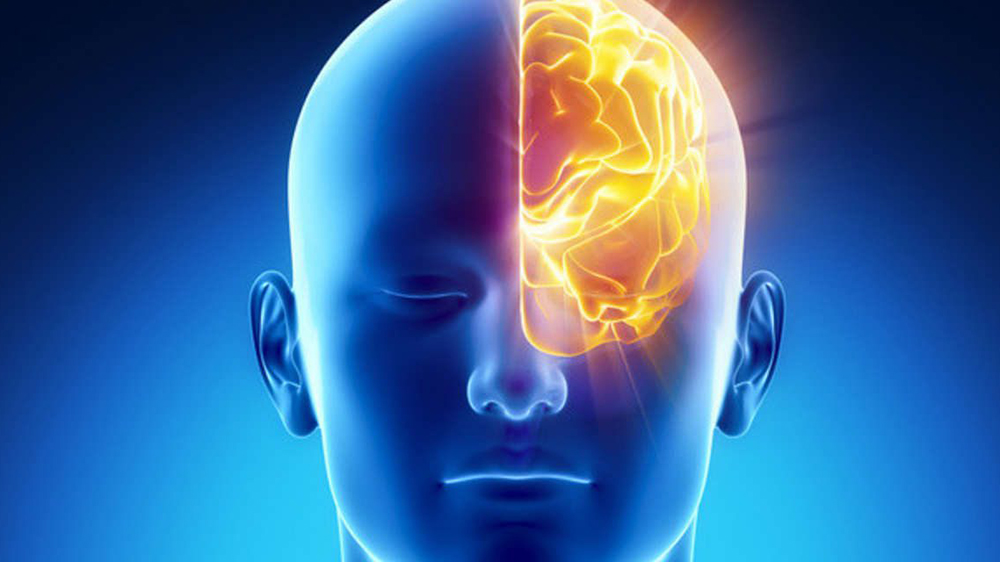
Scientists say other genes are found to be active in specific cells, the medium spiny neurons, which are present in the frontal cortex and subcortical nuclei, those areas of the brain known to influence sleep quality.

FEATURED SPECIALISTS

  • Profile picture of Dr. Giovanni Arrichiello
    active 5 years, 9 months ago

    Gynecologists, Basic Doctors

    • Corso Regina Margherita 260 - Torino
    phone
  • Profile picture of Dr. Giandomenico Mascheroni
    active 5 years, 9 months ago

    Endocrinologists, Basic Doctors, Certifying Doctor

    • Via Petrarca 53 - Carnago
    phone
  • Profile picture of Dr. Vittorio Margutti
    active 5 years, 9 months ago

    Orthopedists, Basic Doctors

    • Via Marco Simone Poli 1 - Guidonia Montecelio
    phone
  • Profile picture of Dott.ssa Monica Calcagni
    active 5 years, 9 months ago

    Gynecologists, Aesthetic Doctors, Basic Doctors

    • Via Casilina 32 - Arce
    phone
  • Profile picture of Dott.ssa OLGA PETROVSKAIA
    active 5 years, 9 months ago

    Pain therapists, Basic Doctors, Therapist

    • Via Giulio Romano 3 - Valle Martella
    phone

RELATED ARTICLES

DEPRESSION: the end of the supremacy of drugs

From the myth of happy pills to integrated care “Like most people I thought antidepressants worked”-so begins the book by Irving Kirsch, professor of psychology at Harvard and Plymouth, now

Brain tumor: what to know

Brain tumors do not have typical symptoms because they induce disorders common to many other diseases of the nervous system. These symptoms depend on the size of the tumor and

Fibromyalgia, a real puzzle of modern medicine

Fibromyalgia syndrome, more commonly known as fibromyalgia, represents a real enigma, as recently pointed out by some authors (Häuser et al, 2019). Over the past three decades, the acceptance, although

Family life and obsessive compulsive disorder

Obsessive compulsive disorder is a disease capable of disrupting those affected, completely changing their habits, activities and quality of life, but it extends its consequences to the patient's family causing a difficult and challenging living condition.

RELATED PATHOLOGIES

Emotional crisis

In current usage, the word “crisis” has a dramatic meaning, i.e., the transition from a condition of stability to a variability of previously assumed equilibria, holding homeostasis as the sole

Senile vascular dementia

Senile vascular dementia corresponds to a process of cognitive decline that goes beyond the physiological reduction in intellectual capacity associated with aging. In most cases, vascular dementia is related to

Postpartum depression

Postpartum depression is a mood disorder characterized by symptoms overlapping with those of major depression and differing from the latter essentially in that it occurs in women a few weeks

Neurovegetative dystonia

If you have the patience to interview a family doctor whose outpatient clinic is always very crowded, you will find that a good portion of patients are afflicted with a

Transient ischemic attack

Transient ischemic attack (TIA) is a mild form of ischemic cerebral stroke or “mini-stroke,” which occurs when the cerebral circulation is partially impaired by the presence of narrowing or occlusion

Jet lag

Jet-lag is a sleep disorder that affects those who travel by crossing at least 3-4 time zones, either westward or eastward, due mainly to the temporary failure of synchronization between

Sleep and mood disorders

Sleep disorders and mood disorders are linked by a double thread and articulately affect each other. Decades of studies and clinical-practical experience, both in the field of Sleep Medicine and

Trigeminal neuralgia

The trigeminal nerve is the fifth of the twelve pairs of cranial nerves in the head; it is the nerve responsible for providing sensation to the face. One trigeminal nerve

Post-traumatic stress disorder

Post-traumatic stress disorder (PTSD) is a psychiatric disorder that can occur at any age in people who have experienced or witnessed a traumatic event that has made them feel life-threatening

Uncontrolled eating disorder

Uncontrolled eating disorder is an eating behavior disorder that is characterized by an inability to control food intake, resulting in the more or less frequent repetition of binges similar to

FEATURED SPECIALISTS

  • Profile picture of Dott.ssa Erminia Maria Ferrari
    active 5 years, 9 months ago

    Homeopathic Medicine, Basic Doctors, Pediatricians

    • Via San Carlo 3 - Castel Rozzone
    phone
  • Profile picture of Dr. Fabio Fabi
    active 5 years, 9 months ago

    Sports Doctors, Internist, Basic Doctors

    • Via Sarsina 147 - Roma
    phone
  • Profile picture of Dr. Lorenzo Cerreoni
    active 5 years, 9 months ago

    Aesthetic Doctors, Basic Doctors

    • Via Macero Sauli 52 - Forlì
    phone
  • Profile picture of Dott.ssa Floriana Di Martino
    active 5 years, 9 months ago

    Aesthetic Doctors, Basic Doctors

    • Piazza della Rinascita 13 - Pescara
    phone
  • Profile picture of Dott.ssa Ilaria Berto
    active 5 years, 9 months ago

    Basic Doctors, Acupuncturists, Aesthetic Doctors

    • Via Antonio Corradini 1 - Este
    phone

prenota il tuo viedeoconsulto in convenzione

Completa il form e sarai contatto dal personale medico specializzato

your advertising
exclusively ON
MY SPECIAL DOCTOR

complete the form and you will be contacted by one of our managers