

of

Vegan diet in pregnancy and childhood ok, if well planned

dieta-vegana

Chosen by more and more people, for themselves and their families, for ideological reasons or health beliefs; opposed by just as many, who consider it an unnecessary or even harmful food fad. The vegan diet, no doubt, causes debate, and in many cases, even doctors and nutritionists are far from in agreement as to whether or not it should be recommended or discouraged, either in general or in specific subgroups of people.

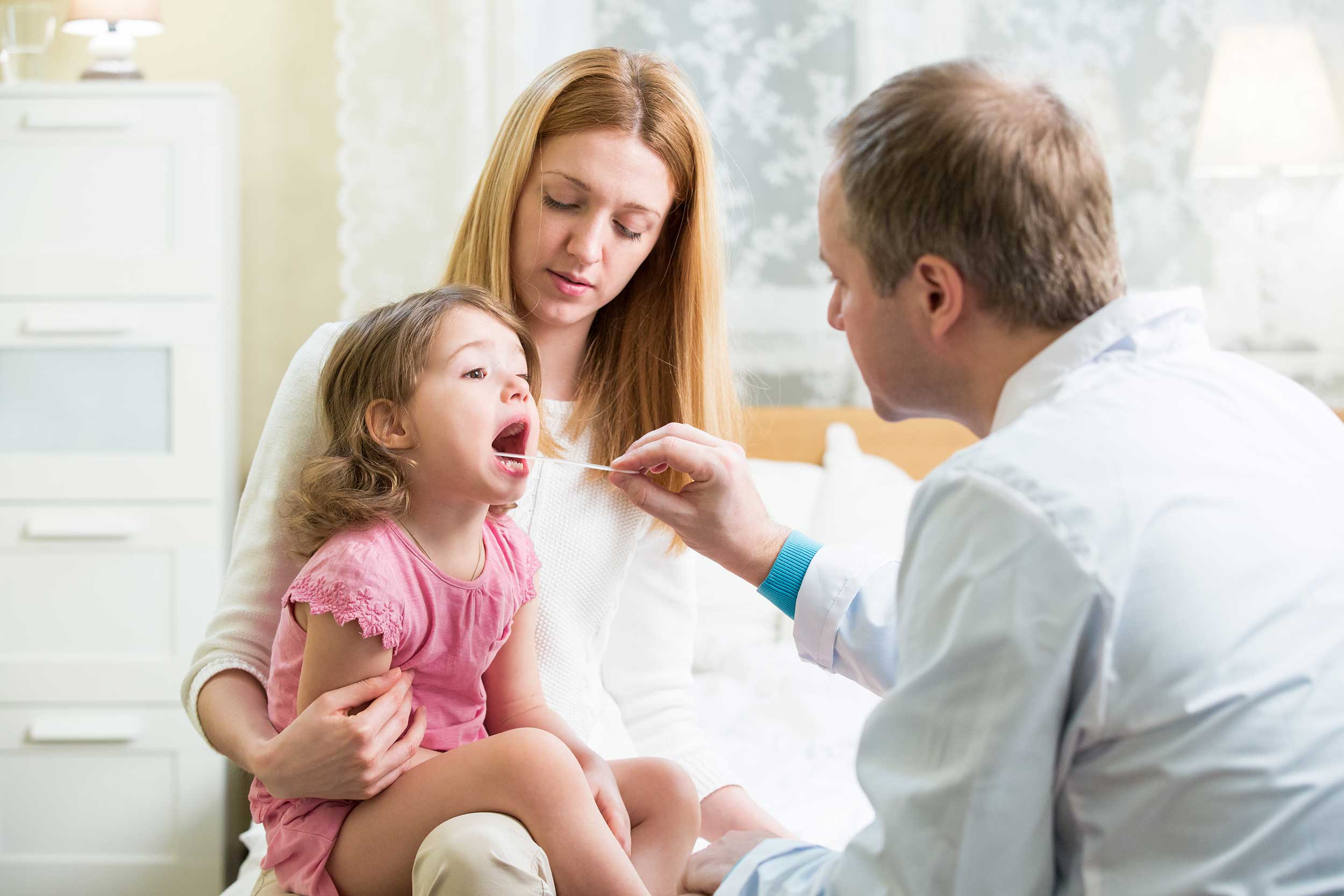
Raising the most doubts and heated disputes is the choice of some women not to betray vegan dietary dictates even during
pregnancy
and breastfeeding and to offer the same dietary style to their children from weaning. A behavior considered permissible by some and irresponsible by many others, in view of the risk of even serious nutritional deficits (and consequent health damage) resulting from not eating any food of animal origin. The question is, who is right?

To try to bring order to an area where opinions teem, but reliable scientific evidence is scarce, little known or incorrectly interpreted, a panel of Italian experts from the Scientific Society of Vegetarian Nutrition (SSVN) recently published a consensus document containing some important recommendations for structuring a healthy and balanced vegan diet that is also suitable for women during pregnancy/lactation and pediatric age.

The advice given by experts is as reasonable as ever, to the point of seeming almost obvious, but trivializing it and not following it carries serious risks. Therefore, if you choose to be vegan all the time, it is better to learn how to structure your daily diet with the support of an experienced nutritionist and, in the case of children, also the pediatrician.

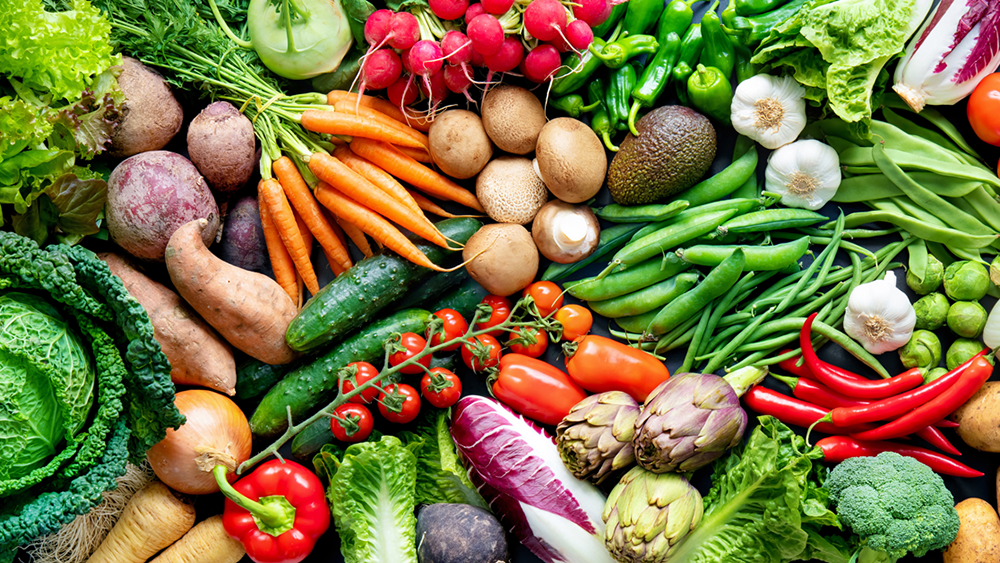
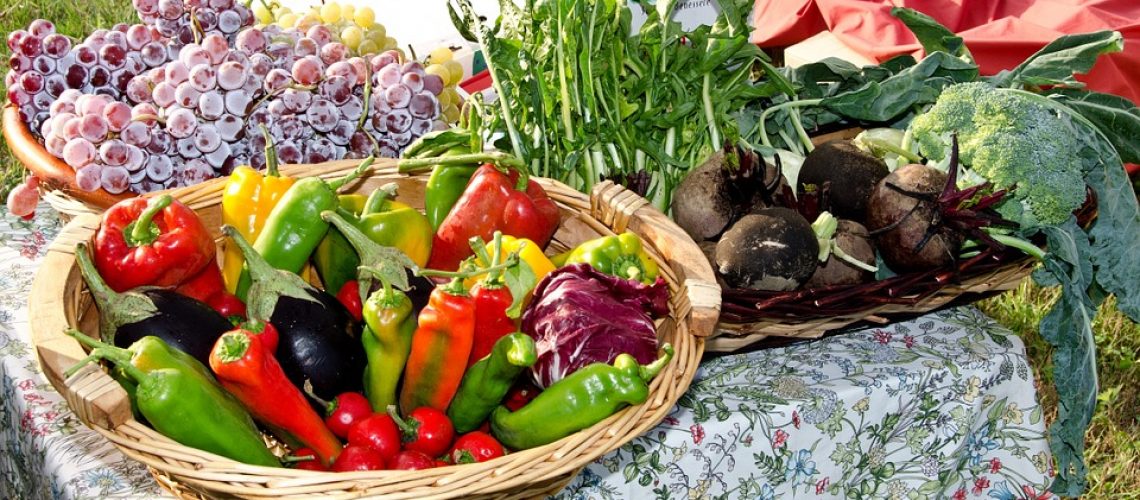
A first aspect to consider is overall calorie and individual nutrient intake, which must be sufficient and balanced to individual needs. Contrary to what many people think, taking in “complete” protein is not a problem, if you get used to always combining grains and legumes and if you consume “pseudocereals” (such as quinoa, amaranth) and the countless plant-derived protein products (tofu, tempeh, natto, soy milk, seitan, etc.) available commercially.

In addition to protein, soy derivatives are also a good alternative source of calcium (essential for bone metabolism), which can also be taken in adequate amounts by eating cabbage, broccoli, turnip greens, oranges, figs, almonds, and other dried fruits often, and by drinking at least 2 liters a day of a water that is rich enough in it (300-350 mg/liter).

Calcium can only be utilized by the body in the presence of vitamin D, which is essentially absent in the vegan diet, but is produced by skin exposed to the sun: just exposing the face, arms and legs for 15 minutes a day without sunscreen (avoiding the hottest hours) is enough to obtain a sufficient amount. In the cold months, if necessary, supplements may also be used on medical advice.

Vegans should be aware that plant foods alone cannot provide the necessary supply of vitamin B12 (found exclusively in animal foods and yeasts). Especially during pregnancy/lactation and in childhood, it is, therefore, advisable to take dietary supplements containing this vitamin, which is essential for red blood cell synthesis and nervous system function. In contrast, omega-3 fatty acids, important for the nervous system and immune system, are provided by almonds, flaxseed and chia seeds and oil, and may be further supplemented with targeted preparations.

Iodine can be taken in sufficient quantities (about 100 mg/day in children; 150 mg/day in adults; and 200 mg/day in pregnancy) simply by using iodized salt instead of common table salt, while to better assimilate the iron found in vegetables (spinach, cabbage, broccoli, beans, lentils, etc.) it is necessary to combine these foods with a source of vitamin C (lemon or other citrus fruits, peppers, fresh or dried tomatoes, berries, kiwi, etc.). The vegan woman of childbearing age should, however, regularly monitor possible iron deficiency and, if present, resort to supplements, agreed with the doctor.

Source: Baroni L et al. Vegan Nutrition for Mothers and Children: Practical Tools for Healthcare Providers. Nutrients 2019;11:5. doi:10.3390/nu11010005 (https://www.ncbi.nlm.nih.gov/pmc/articles/PMC6356233/)

FEATURED SPECIALISTS

  • Profile picture of Dott.ssa Francesca Vittorelli
    active 5 years, 8 months ago

    Therapist, Acupuncturists, Basic Doctors

    • Corso Andrea Palladio 134 - Vicenza
    phone
  • Profile picture of Dr. Fabio Fabi
    active 5 years, 8 months ago

    Sports Doctors, Internist, Basic Doctors

    • Via Sarsina 147 - Roma
    phone
  • Profile picture of Dott. Franco Cicerchia
    active 5 years, 8 months ago

    Ophthalmologists, Acupuncturists, Basic Doctors

    • Via Alcide de Gasperi 39 - Palestrina
    phone
  • Profile picture of Dott.ssa Emanuela Costantino
    active 5 years, 8 months ago

    Neurologists

    • Via Gallinara 2/B - Cagliari
    phone
  • Profile picture of Dott.ssa Monica Calcagni
    active 5 years, 8 months ago

    Gynecologists, Aesthetic Doctors, Basic Doctors

    • Via Casilina 32 - Arce
    phone

RELATED ARTICLES

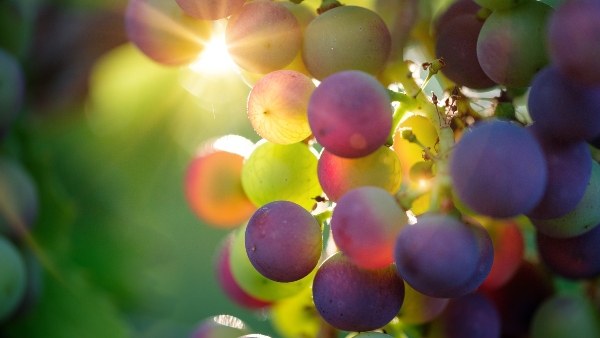
Grapes: its many properties

Grapes: its many properties This fruit, a symbol of the autumn season, is an important natural antioxidant with numerous beneficial effects on the body. The plant for grape production is

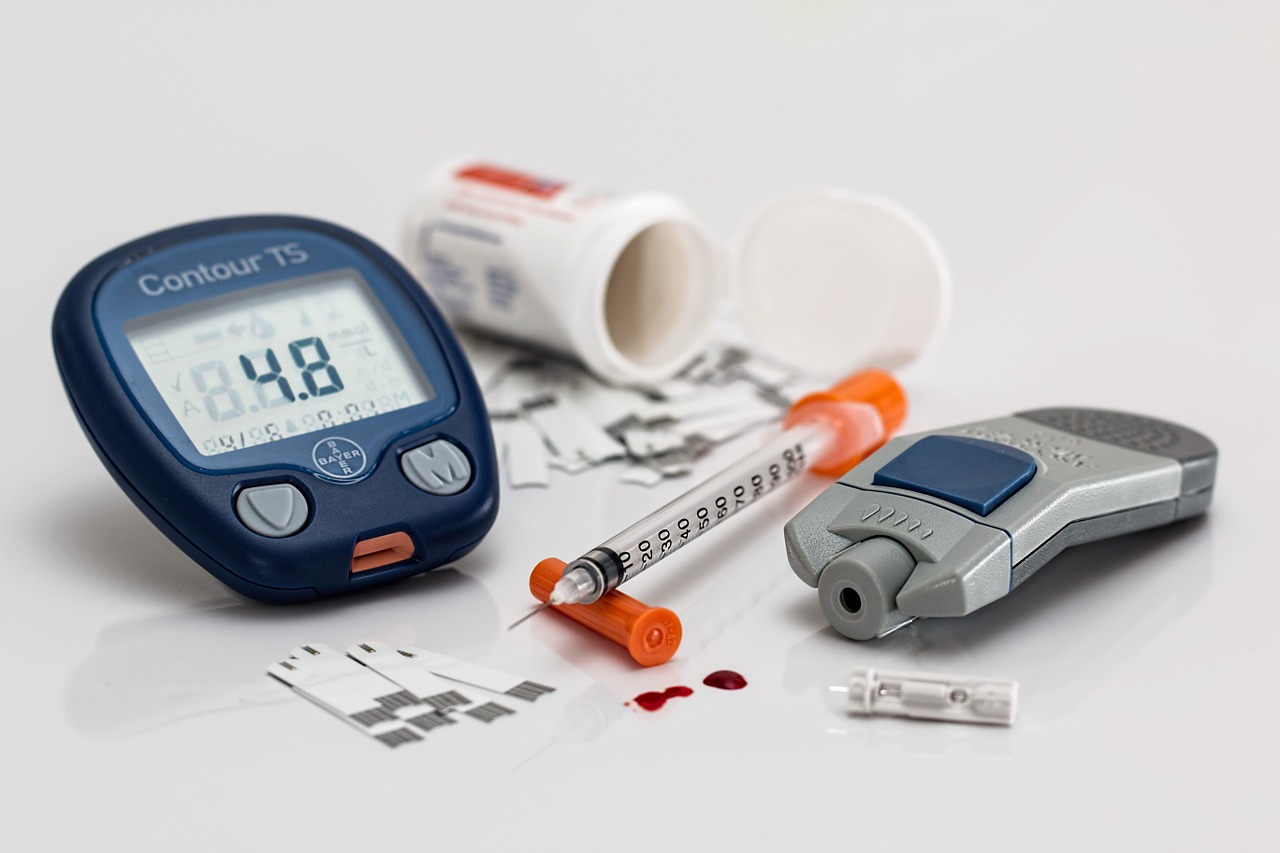
Diabetes mellitus: what is it?

Depending on the pathogenesis, two types of diabetes are distinguished: Type 1 diabetes from total or near-total insulin deficiency, and Type 2 diabetes, characterized by variable insulin resistance. Both types

The harms of alcohol

Worldwide, 1 in 3 people consume alcoholic beverages regularly (equivalent to 2.4 billion people, of whom 1.5 billion are men and 900 million are women): this is the result of

Chronic renal failure and nutrition

When we talk about chronic renal failure , we refer to the progressive decline in glomerular function, with reduced filtering capacity of the kidney. The diseases that promote the occurrence

RELATED PATHOLOGIES

Benign prostatic hypertrophy

The prostate is a chestnut-shaped gland, several centimeters in diameter, found only in men; it is located in front of the rectum, below the bladder, and surrounds the first part

Bronchial asthma

Bronchial asthma is a chronic respiratory disease brought about by persistent inflammation of the airways, particularly the bronchi, which generates hypersensitivity to a variety of stimuli that, when present, result

Oral candidiasis

Oral candidiasis, also called thrush, is a condition characterized by the accumulation on oral mucous membranes of the fungus Candida albicans. It is an infectious and resistant pathogen that can

Bladder cancer

Bladder cancer is one of the most common malignancies in adulthood in Western countries, especially in the male sex. In most cases, it develops from the cells lining the inner

Tetanus

Tetanus is a disease caused by Clostridium tetani, a gram-positive, anaerobic, sporigenic bacterium that enters the body through a wound and leads to systemic manifestations through a toxin (exotoxin). WHO

Headache

Headache, the so-called “headache,” is probably the most common form of pain. It is chronic or recurrent pain affecting various structures of the head, such as arterial and venous vessels,

Myocardial infarction

Acute myocardial infarction, which affects about 100,000 people in Italy each year, corresponds to the death of a part of the heart muscle due to an interruption in the supply

Metabolic syndrome

Metabolic syndrome is not really a disease, but a complex condition defined by the simultaneous presence of known cardiovascular risk factors such as obesity (especially of the “central” type, i.e.,

Hemorrhagic stroke

According to the official definition of the World Health Organization (WHO), stroke corresponds to a “sudden onset of signs and/or symptoms referable to local and/or global deficits in brain function,

Esophagitis

Esophagitis is an acute or chronic inflammation that can damage the tissues of the esophagus, the stretch of the alimentary canal that connects the pharynx to the stomach. In mild

FEATURED SPECIALISTS

  • Profile picture of Dott.ssa Floriana Di Martino
    active 5 years, 8 months ago

    Aesthetic Doctors, Basic Doctors

    • Piazza della Rinascita 13 - Pescara
    phone
  • Profile picture of Dott. Domenico Napolitano
    active 5 years, 8 months ago

    Gynecologists, Basic Doctors, Aesthetic Doctors

    • Viale Orazio Flacco 5 - Bari
    phone
  • Profile picture of Dr. Sergio Ettore Salteri
    active 5 years, 8 months ago

    Basic Doctors, Chiropractors, Posturologists

    • Via Vial di Romans 8 - Cordenons
    phone
  • Profile picture of Dr. Giandomenico Mascheroni
    active 5 years, 8 months ago

    Endocrinologists, Basic Doctors, Certifying Doctor

    • Via Petrarca 53 - Carnago
    phone
  • Profile picture of Dr. Monica Gamba
    active 5 years, 8 months ago

    Aesthetic Doctors, Plastic Surgeons, Basic Doctors

    • Viale Radich 21/N - Grugliasco
    phone

prenota il tuo viedeoconsulto in convenzione

Completa il form e sarai contatto dal personale medico specializzato

your advertising
exclusively ON
MY SPECIAL DOCTOR

complete the form and you will be contacted by one of our managers