





There is a lot of talk about burnout, a highly topical phenomenon in the world of work, in companies, but also in other contexts.
The term “burnout” originated in the 1940s in aeronautical engineering, then since the 1970s has been used in psychiatry.
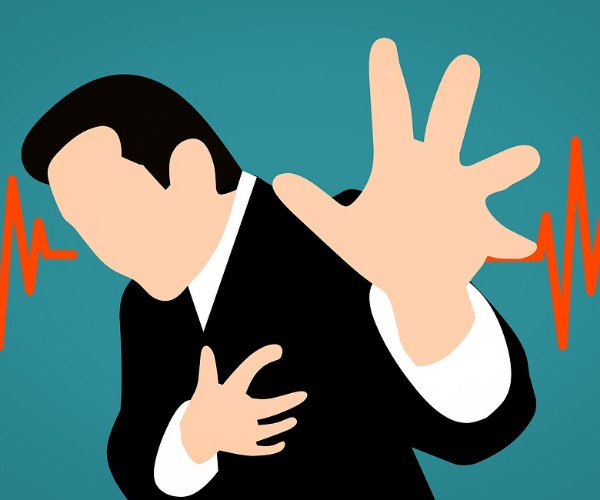
Burnout is not a disease, but a syndrome characterized by extreme fatigue, loss of interest, cynical attitude, decreased performance, and prolongation and chronification of a state of excessive stress.
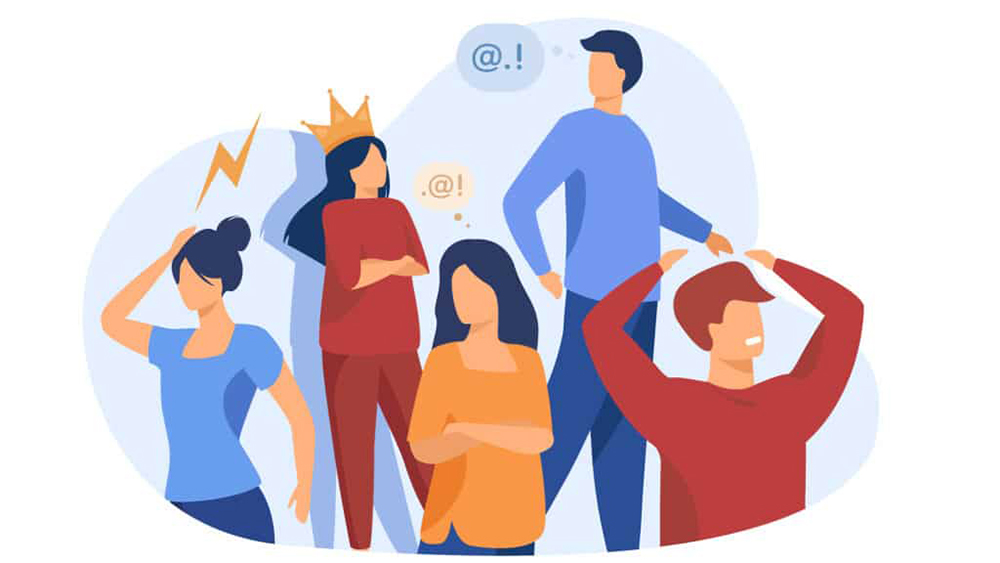
Which people are at risk? Why are some people affected more than others?Some people are more vulnerable than others for personal reasons, because they are too demanding or too perfectionist, because they have low self-esteem or live in excessive competitiveness. Personalities therefore who have too much control, high professional expectations, and who, when subjected to environmental situations, such as the demand to produce more, become overwhelmed. They cannot say no, have migraines due to the load of thinking, have negative competitiveness, while they should review the management of their priorities.
The clinical picture of burnout, manifests itself at four levels
1. Significant stress: Physical and emotional exhaustion. Depersonalization, cynicism, and indifference. Dead-end feeling and self-loathing.
2. Affective symptoms:depression. Emotional literacy I don’t understand what anxiety means-
3. Cognitive symptoms:Feeling of failure. Loss of trust, guilt.
4. Physical symptoms:Headache, nausea, sleep disturbance. Chronic pain.
It is important, however, by going through a diagnosis, medical history, analysis, and clinical examination, to rule out all somatic causes before arriving at the point of talking about burnout syndrome.
Since this is a common issue that affects employers and employees, it would be helpful to understand what the risk factors are for specific workers so that a prevention system can be set up and the burnout patient does not feel guilty.
In fact, the affected person will experience very difficult times getting back into shape. But even when he returns to work, he will have to integrate again. He will have to deal with the awkwardness of colleagues and the prejudices of management. Because often, in such a situation, there is a lack of communication/information and support from the relevant people or bodies.
The burnout incident can happen to anyone, but it is possible to return to normal life and work with momentum and satisfaction.
The person who has gone through this experience will tend to protect themselves, inevitably focus, remain attentive to themselves, their body’s messages, and pay attention to their emotions (sadness, anger, fear, shame, etc.). She will also see them as important messages, learn to accept them, let them come, but at the same time manage them so that she is not completely invaded or driven by them.
We live in a world that is hyper-connected, we are hyper-stressed, sometimes we live at 100 per hour, never taking breaks, never recharging our batteries. We operate in automatic mode as if we were robots (non-stop).
It is up to us to interrupt this process and let go of what is too much for us. We cannot do everything perfectly!
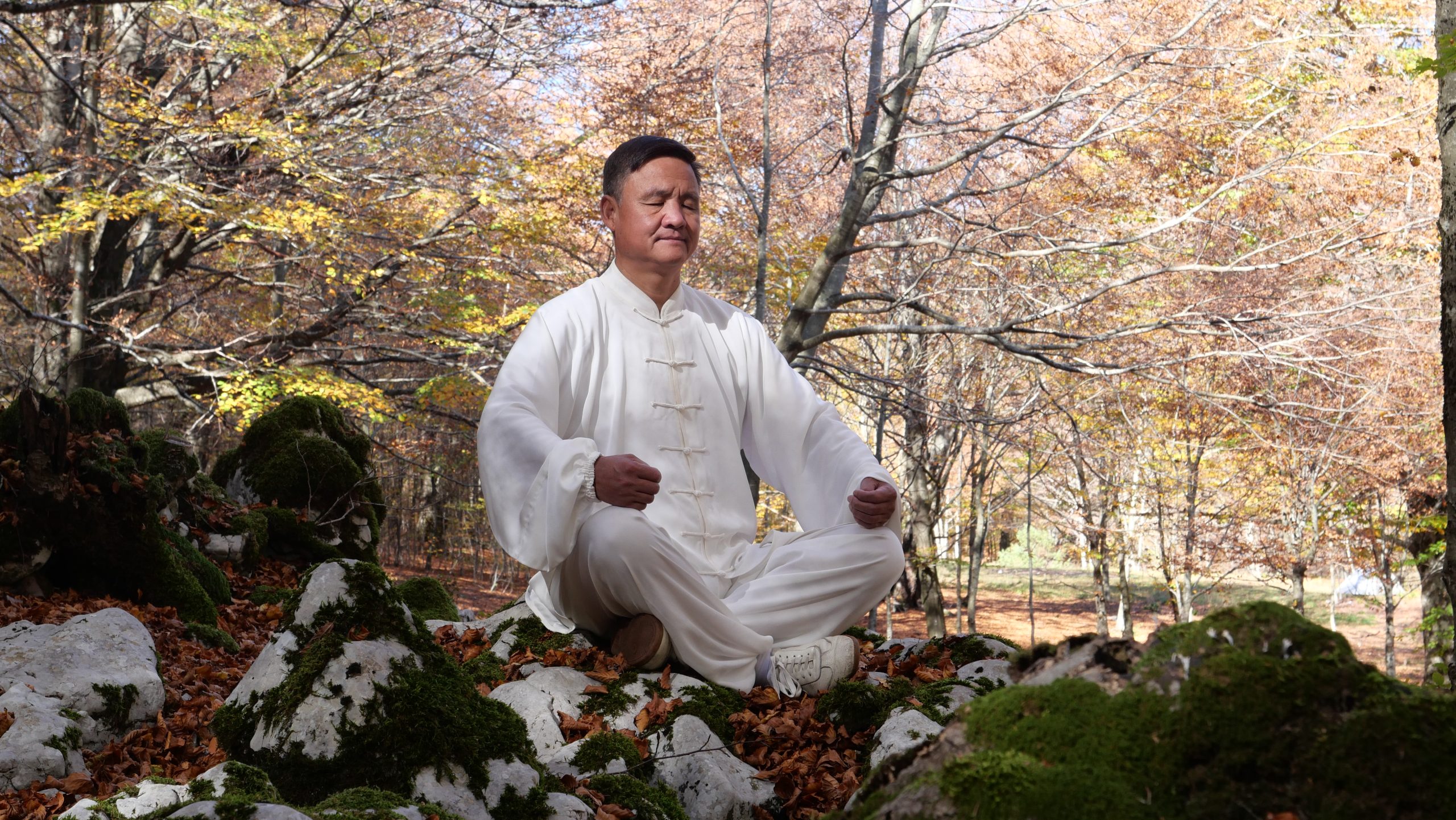
It is very important to create a vacuum. Downloading the cortex is crucial. Being anchored in the present here and now will give intensity to your daily life.
Let’s pay attention to the words that put us under stress: must, should have, should have been…..
There is a need for a change of perspective, even in language !
In hindsight, letting go, balancing, and working on yourself through attentive and professional help allows us to find ourselves and live life with pleasure.