

of

Insomnia, hypertension, and diabetes: a sneaky and underestimated link

fonte-Blasting-News-e1521572796381

Insomnia, hypertension and diabetes: watch out for those three!

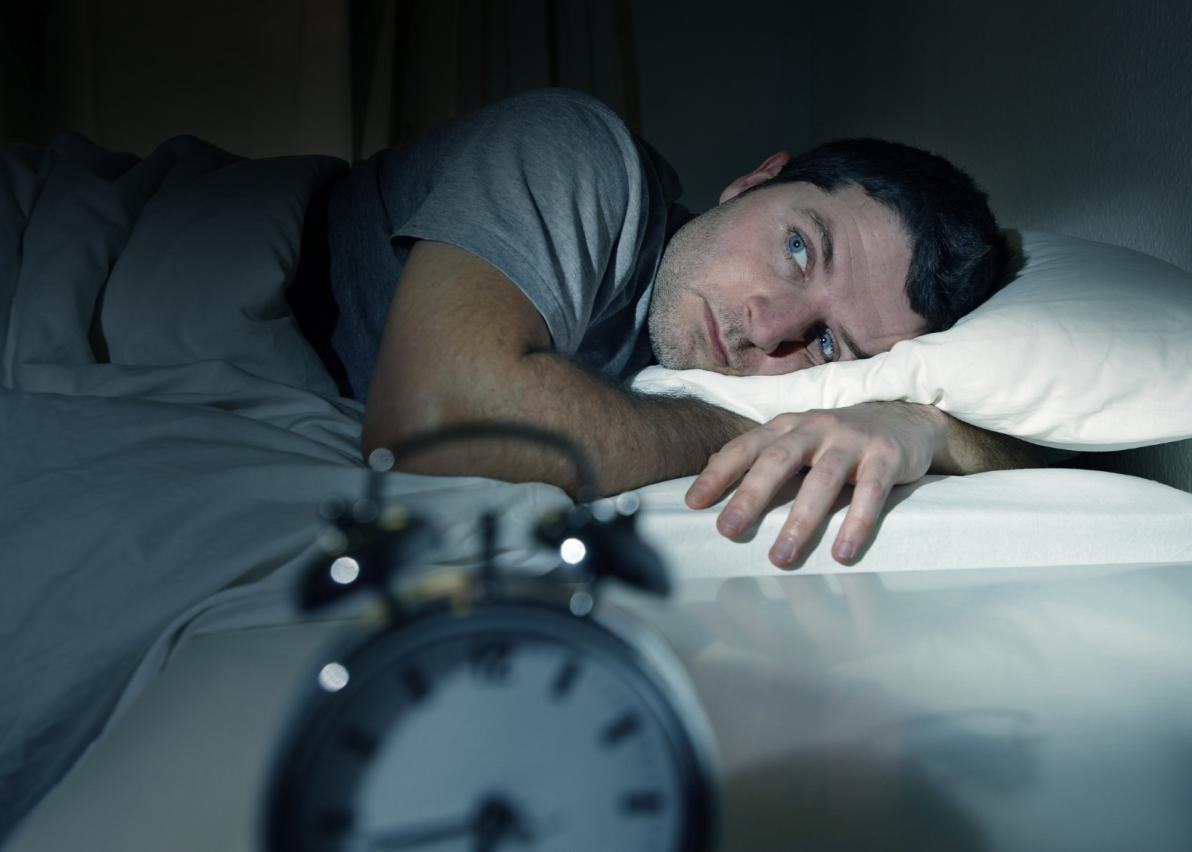
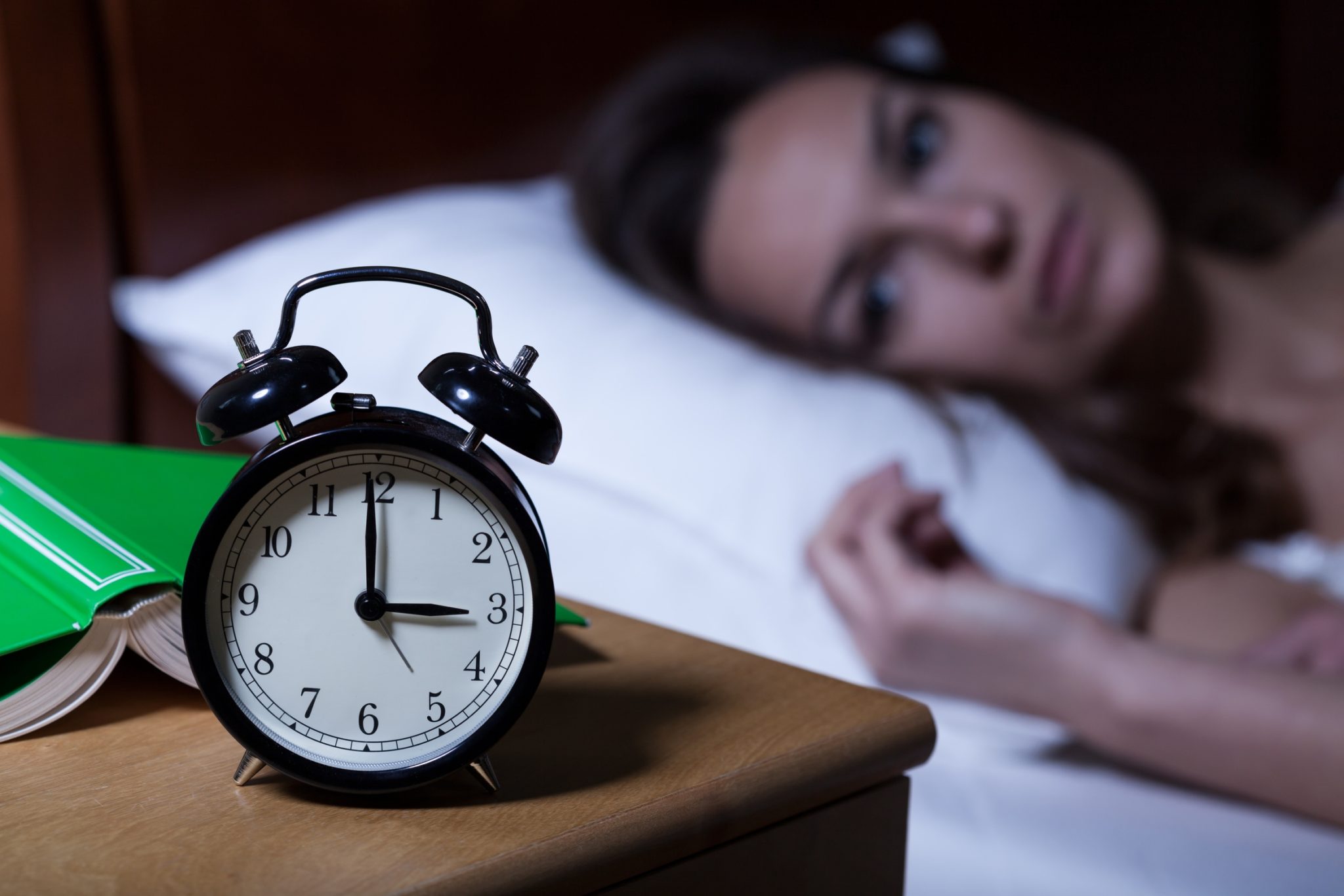
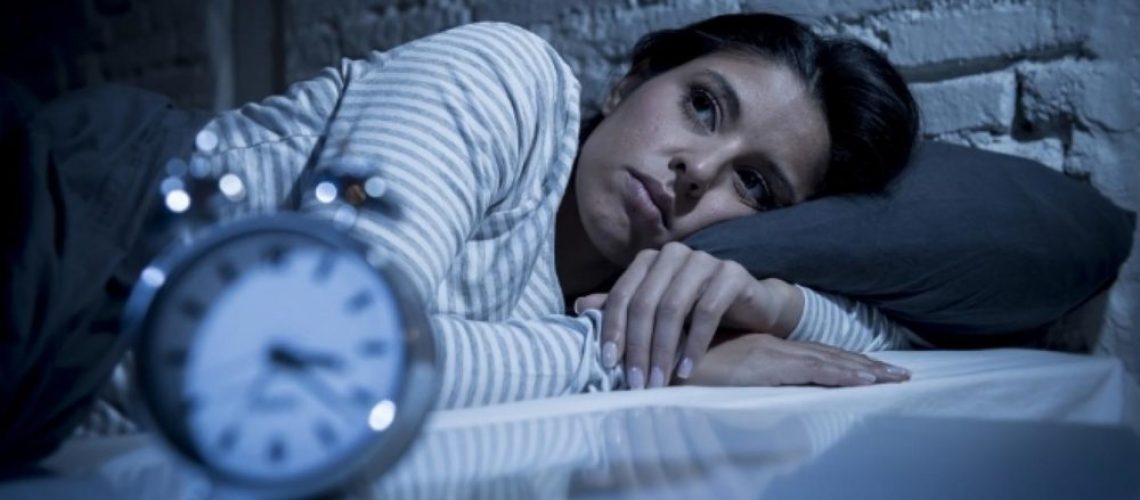
Recent studies have shown that there is a close correlation between sleep disorders and diseases of the cardio-metabolic system, such as hypertension and diabetes. According to the numbers, 4 out of 5 diabetic patients And 2 out of 5 hypertensive patients frequently present with symptoms of insomnia. The question from those who have this disorder is as follows: I can’t sleep.

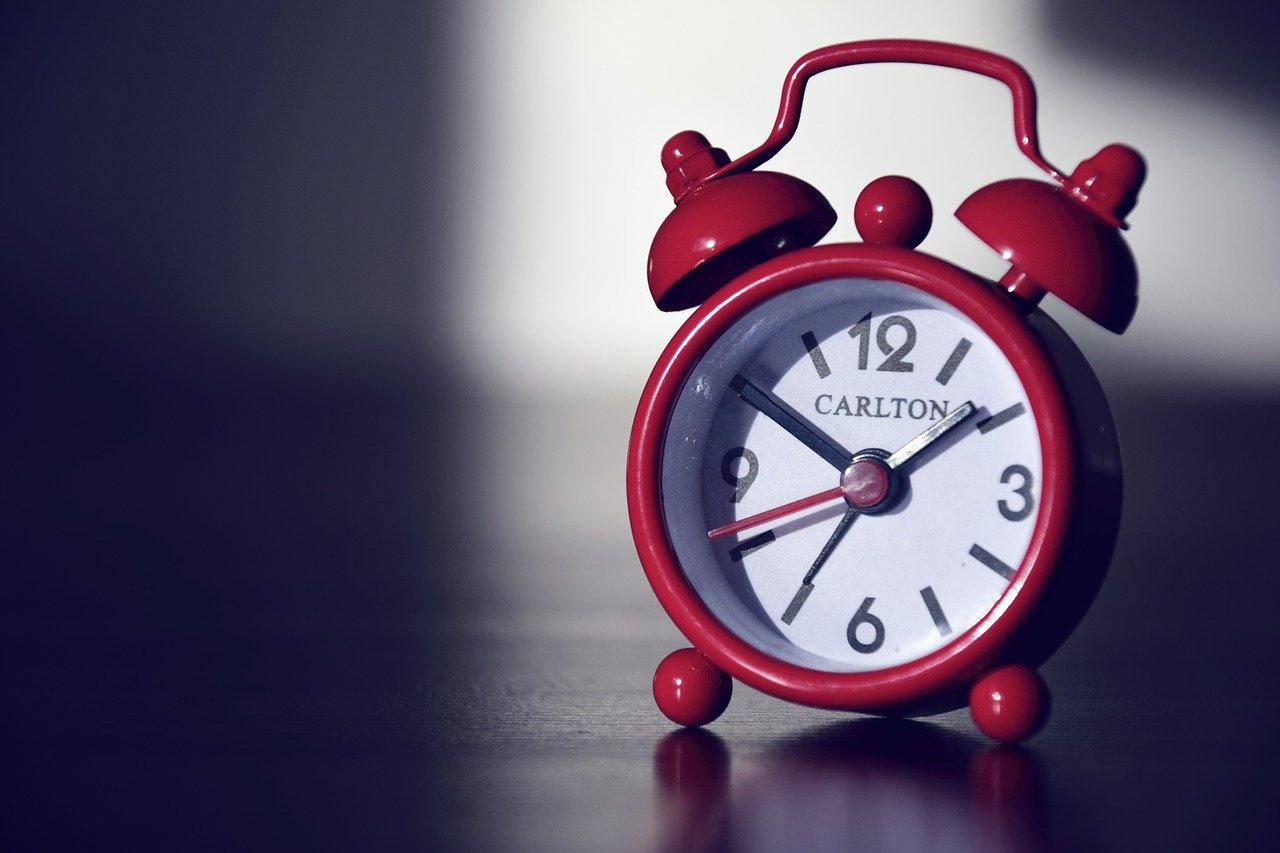
This confirms the theory that alterations in the internal biological clock can adversely affect some of our body’s basic physiological functions, affecting not only performance and mood, but also hormone levels, body temperature, blood pressure and energy metabolism.

According to research, insomniac individuals have a 300-500% higher risk of high blood pressure than non-insomniac individuals, regardless of age, body mass index, diabetes, alcohol consumption and smoking. Probable cause of the link between sleep disorders, hypertension, and diabetes could be a low melatonin level, a natural hormone produced in the pineal gland that regulates circadian rhythms and the proper functioning of our internal biological clock over the 24 hours. In addition to acting on the sleep-wake rhythm, in fact, melatonin has a direct action in regulating energy and glucose metabolism. Moreover, by acting on circadian rhythms and consequently on blood pressure, it can also affect the cardiovascular system.

type1 diabetes

Intervening on sleep disorders can be instrumental in improving one’s overall health. And it is in this context that, thanks to the contribution of Fidia Pharmaceuticals, continues the Sleep & Health Project, in its second edition, whose goal, under the auspices of the World Sleep Society and with the support of Italian associations and scientific societies, is a Early identification of patients with insomnia or other sleep disorders, in order to set them on a suitable course of treatment.

The first step in treating insomnia is definitely behavioral and aims to correct habits, expectations, and conduct that may trigger or maintain the disorder. As for drugs, the following are frequently used sedative-hypnotics with a short half-life and 2 mg of melatonin extended-release. It is preferable to use sedative-hypnotics for short periods, no more than four weeks, because they tend to lose their effectiveness if taken systematically every night for a long time; in addition, chronic intake can have negative effects on sleep structure itself as well as on daytime vigilance levels and some cognitive functions such as memory and attention.

In contrast, the administration of extended-release melatonin 2mg is especially recommended for insomniacs over the age of 55. The treatment is non addictive and is approved for 13 weeks’ continuous administration, even with other therapies for the treatment of hypertension and diabetes. 

FEATURED SPECIALISTS

  • Profile picture of Dott.ssa Federica Filigheddu
    active 5 years, 6 months ago

    Basic Doctors

    phone
  • Profile picture of Dott.ssa Cinzia Maria Zurra
    active 5 years, 6 months ago

    Basic Doctors, Aesthetic Doctors, Nutritionists

    • Viale Rimembranze 5 - Triuggio
    phone
  • Profile picture of Dr. Antonio Varriale
    active 5 years, 6 months ago

    Aesthetic Doctors, Dentists, Basic Doctors

    • Via Grotta dell Olmo 20 - Giugliano in Campania
    phone
  • Profile picture of Dott. Massimo Carotenuto
    active 5 years, 6 months ago

    General Surgeons, Basic Doctors

    • Via Lepanto 95 - Pompei
    phone
  • Profile picture of Dott. Domenico Napolitano
    active 5 years, 6 months ago

    Gynecologists, Basic Doctors, Aesthetic Doctors

    • Viale Orazio Flacco 5 - Bari
    phone

RELATED ARTICLES

Narrative medicine (preview)

Nowadays very often physicians identify patients no longer by their actual name, but by the room number in which they reside and perhaps the condition from which they suffer. It

How posture affects our lives

Circulation problems, neck pain, frequent migraines and muscle soreness are discomforts that, often on a daily basis, make it difficult for us to perform any activities in our daily lives,

Growing old is also this.

Physical energies inevitably drop and so does the readiness of reflexes and efficiency in learning and retaining new information. One may already feel tired when waking up or down in

Shingles: find out more about it

The St. Anthony’s Fire, also called St. Anthony’s rash or Herpes zoster according to scientific nomenclature, is a viral disease that affects individuals who have contracted chickenpox in the past,

RELATED PATHOLOGIES

Bulimia nervosa

Bulimia nervosa is a more widespread eating disorder than is generally believed and widely underdiagnosed, especially in its mild forms, which can go unnoticed unless those affected seek medical/psychiatric help

Parkinson’s disease

Parkinson’s disease is an aging-related neurodegenerative disorder of the central nervous system, affecting about 2.5% of people over 70 years of age, which is mainly characterized by resting tremor in

Tensive headache

Tension headache is a primary form of headache that is characterized by episodes of widespread pain throughout the head, of mild to moderate intensity, that does not worsen with physical

Syncope

The term syncope refers to an episode of fainting, that is, a sudden loss of senses, which can affect people of any age and can be induced by a variety

Jet lag

Jet-lag is a sleep disorder that affects those who travel by crossing at least 3-4 time zones, either westward or eastward, due mainly to the temporary failure of synchronization between

Transient ischemic attack

Transient ischemic attack (TIA) is a mild form of ischemic cerebral stroke or “mini-stroke,” which occurs when the cerebral circulation is partially impaired by the presence of narrowing or occlusion

Ischemic stroke

According to the official definition of the World Health Organization (WHO), stroke corresponds to a “sudden onset of signs and/or symptoms referable to local and/or global deficits in brain function,

Restless leg syndrome

Restless legs syndrome is a chronic disorder characterized by the onset of a feeling of general leg discomfort, which occurs when the legs are kept still even for short periods

Brain tumors

Brain tumors are rare cancers that can be primary, that is, originate in the brain, or form as secondary metastases of neoplasms in other organs, such as lung or breast

Obstructive sleep apnea syndrome

Obstructive sleep apnea is the most prevalent type of sleep apnea: a category of disorders united by the occurrence of repeated interruptions of normal breathing while sleeping, due to a

FEATURED SPECIALISTS

  • Profile picture of Dr. Vittorio Margutti
    active 5 years, 6 months ago

    Orthopedists, Basic Doctors

    • Via Marco Simone Poli 1 - Guidonia Montecelio
    phone
  • Profile picture of Dott.ssa Anna Puccio
    active 5 years, 6 months ago

    Gynecologists, Basic Doctors

    • Via Vincenzo Ponsati 69 - Volvera
    phone
  • Profile picture of Dr. Roberto Zaffaroni
    active 5 years, 6 months ago

    Basic Doctors, Therapist

    • Via San Francesco D' Assisi 5 - Varese
    phone
  • Profile picture of Dott.ssa Cinzia Maria Zurra
    active 5 years, 6 months ago

    Basic Doctors, Aesthetic Doctors, Nutritionists

    • Viale Rimembranze 5 - Triuggio
    phone
  • Profile picture of Dott. Giovanni Adamo
    active 5 years, 6 months ago

    Angiologists, Basic Doctors

    • Provincia di Ragusa - Ragusa
    phone

prenota il tuo viedeoconsulto in convenzione

Completa il form e sarai contatto dal personale medico specializzato

your advertising
exclusively ON
MY SPECIAL DOCTOR

complete the form and you will be contacted by one of our managers