


of

Managing menopausal age with an appropriate lifestyle

Gestire-letà-menopausale-con-un-adeguato-stile-di-vita-e1618571454603

The menopause can become the right opportunity to make health-promoting changes for the better in one’s lifestyle.

There are several areas in which to set up a change, such as:

  • use a menstrual cycle diary so you can figure out whether or not everything is normal, so you can note irregular phenomena in your cycle such as bleeding or other problems that you need to report to your doctor.
  • Try to prevent osteoporosis, one of the greatest risks after menopause, as related bone depletion can progress to serious consequences.
  • Bone-strengthening exercises may help, in view of the possibility of incurring fractures due to bone fragility from osteoporosis. A valuable risk assessment tool is provided by Frax, theWHO-approved algorithm for calculating the risk of bone and spine microfractures and fractures in women from the onset of the menopausal period to subsequent years.
  • Weight gain in women of menopausal age is mainly accounted for by fat placed on the abdomen, especially when specific diets are not followed or exercise is not regularly practiced.
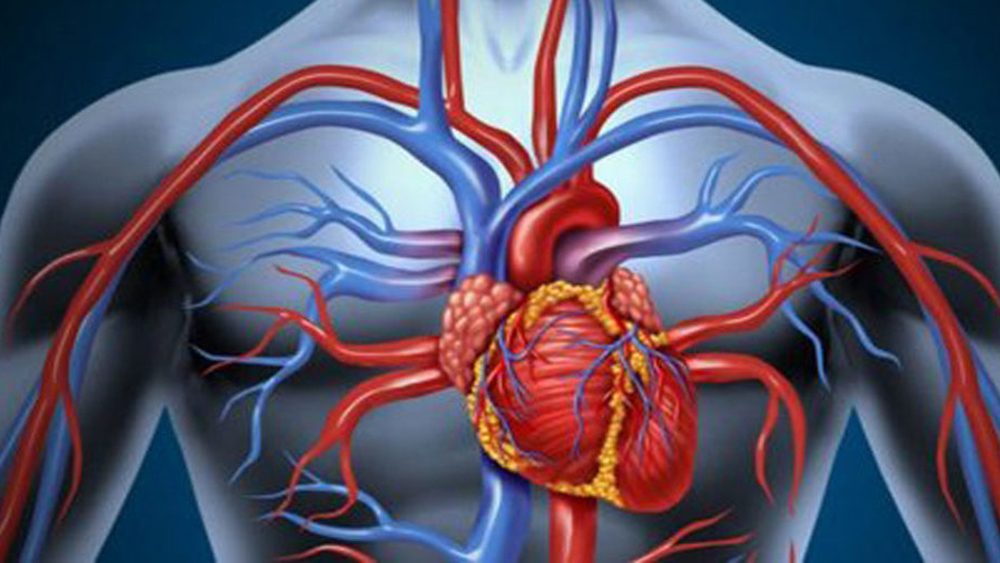
  • Abdominal fat can be linked to the risk of developing cardiovascular diseases.
  • Sleep, the quality of rest, representimportant factors that contribute to an adequate lifestyle. Any sleep disorders should be treated in order to achieve regular and restorative sleep.
  • Avoid alcohol, caffeine and nicotine (cigarette smoking), elements contrary to treatment.
  • Preventing hormonal headaches, keeping in mind that related symptoms go down in menopause with low hormone levels.
  • Urinary incontinence, one of the symptoms of the menopausal period can be alleviated with exercises aimed at strengthening the pelvic floor and the muscles that control urination. So as to improve bladder emptying, also achieving improvements in sexual practice.
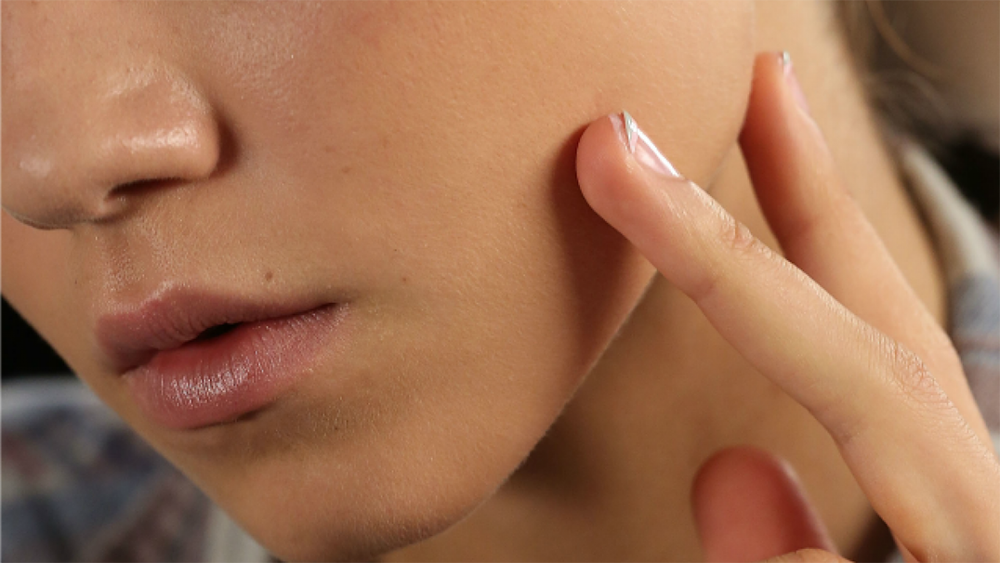
  • Moderate exposure to sunlight to protect skin against dryness

Hydrate consistently by drinking sufficient amounts of water following these changes:

  • control blood pressure.
  • Check lab values (cholesterol, triglycerides, blood sugar).
  • Constantly monitor weight.
  • Improve one’s nutrition with an appropriate diet.
  • Consistently reduce stress levels.

In menopause certainly some risk factors cannot be changed, but others can be brought under control or modified so that a healthy lifestyle can contribute to improved quality of life.

FEATURED SPECIALISTS

  • Profile picture of Dr. Antonio Varriale
    active 5 years, 10 months ago

    Aesthetic Doctors, Dentists, Basic Doctors

    • Via Grotta dell Olmo 20 - Giugliano in Campania
    phone
  • Profile picture of Dott. Giovanni Adamo
    active 5 years, 10 months ago

    Angiologists, Basic Doctors

    • Provincia di Ragusa - Ragusa
    phone
  • Profile picture of Dr. Giovanni Arrichiello
    active 5 years, 10 months ago

    Gynecologists, Basic Doctors

    • Corso Regina Margherita 260 - Torino
    phone
  • Profile picture of Dr. Lorenzo Cerreoni
    active 5 years, 10 months ago

    Aesthetic Doctors, Basic Doctors

    • Via Macero Sauli 52 - Forlì
    phone
  • Profile picture of Dott. Sandro Morganti
    active 5 years, 10 months ago

    Orthopedists, Basic Doctors, Osteopaths

    • Via Foligno 6 - Roma
    phone

RELATED ARTICLES

Less-pause = + time for you

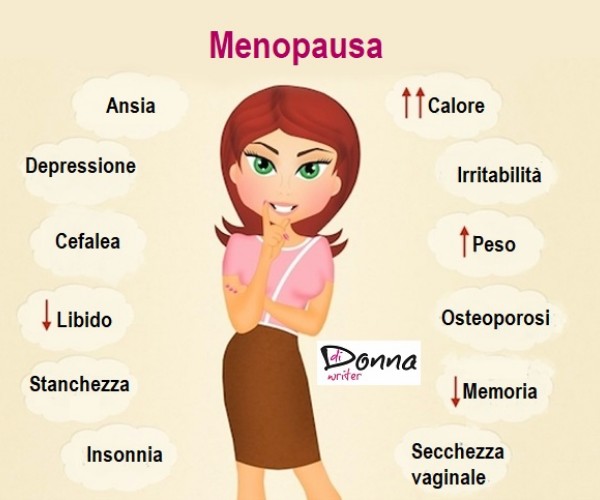
In fact, when people talk about menopause, they think of hormones, osteoporosis, mood swings, irritability, exhaustion, hot flashes, and forgetfulness that make every awakening for many women like the beginning of a new battle.
Early menopause

Sudden amenorrhea or preceded by a period of menstrual cycle irregularity, rapid and intense menopausal symptoms, including severe hot flashes and genital atrophy.

Diet in Menopause

A new video podcast by My Special Doctor curated by Dr. Maria Chiara Villa and Dr. Piercarlo Salari

Acupuncture against menopausal discomfort

Recognized for a couple of decades by the National Health Service as an effective medical practice against various types of pain and to help those suffering from anxiety, insomnia, or

Menopause

1/6 – Is menopause a pathological condition? Menopause is a physiological phase in a woman’s life that can involve discomfort, but it is a phase that can be seen as

Sleep disorders in menopause

Many women complain of sleep disturbances in conjunction with menopause. Insomnia, pain syndromes, and snoring are the most frequent changes they experience, and the night often becomes long and tiring.

RELATED PATHOLOGIES

Alzheimer’s disease

Alzheimer’s disease is the most common and severe degenerative disease of the brain, characterized by a progressive decline in cognitive functions (in particular, memory and language) associated with aging. It

Arthrosis of the hip

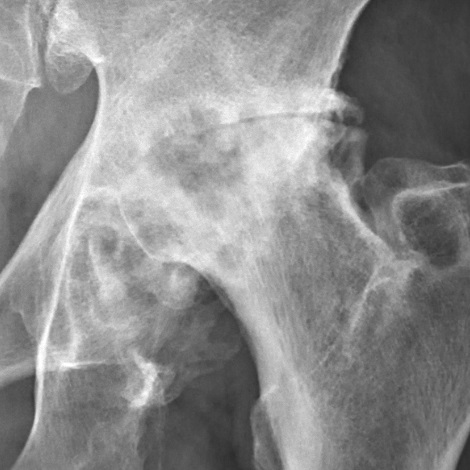
Osteoarthritis of the hip is also called coxarthrosis and is a chronic degenerative disease of the hip joint due to progressive disruption of articular cartilage. Hip osteoarthritis can be primary

Herniated disc

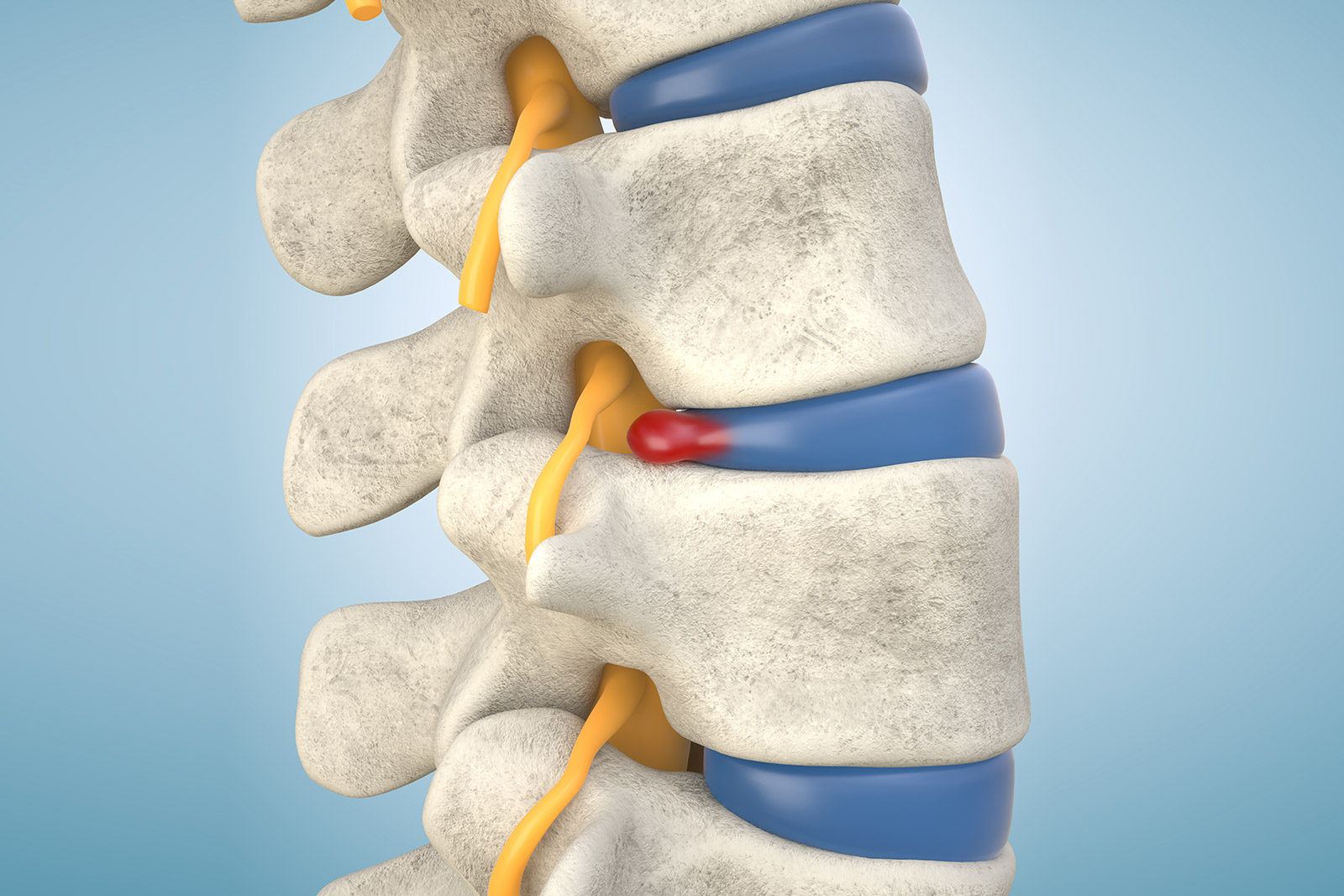
The intervertebral disc consists of a central deformable cartilaginous part, called the “nucleus pulposus,” surrounded by a containing fibrous lining, called the annulus. When the disc is young and healthy,

Arthrosis

Osteoarthritis, also called osteoarthritis, is a chronic degenerative condition associated with aging, primarily involving cartilage and bony joint surfaces. Lhe disease can affect all joints of the body, but generally

Anorexia

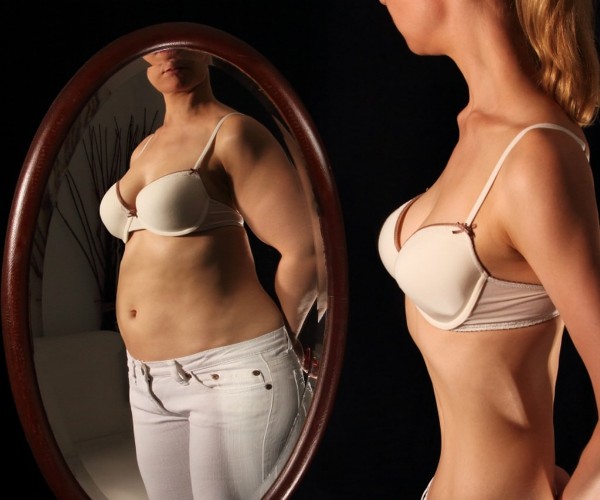
Anorexia nervosa is an eating disorder that causes the sufferer to voluntarily deprive himself or herself of food or to consume extremely limited amounts of food that are not compatible

Trigeminal neuralgia

The trigeminal nerve is the fifth of the twelve pairs of cranial nerves in the head; it is the nerve responsible for providing sensation to the face. One trigeminal nerve

Insomnia

Insomnia is an extremely common sleep disorder that can affect people of all ages for different reasons and come in various forms and variations, all of which have in common

Menopause

Menopause is a physiological event that affects all women in the age range of 46 to 53 years and corresponds to the gradual loss of ovarian function and, therefore, the

Tendinitis

Tendons are the fibrous structures that connect the ends of muscles to bones allowing the contractile apparatus to perform its functions. Tendonitis is defined as inflammation of a tendon. It

Diverticulitis

Diverticula are small pockets that can form in the lining of the digestive system. They usually occur more frequently in the lower part of thelarge intestine (colon). Diverticula are common,

FEATURED SPECIALISTS

  • Profile picture of Dr. Tiziana Volpe
    active 5 years, 10 months ago

    Gynecologists, Basic Doctors, Professional Counselor

    • Piazzale Jonio 50 - Roma
    phone
  • Profile picture of Dr. Antonio Varriale
    active 5 years, 10 months ago

    Aesthetic Doctors, Dentists, Basic Doctors

    • Via Grotta dell Olmo 20 - Giugliano in Campania
    phone
  • Profile picture of Dr. Domenico D'Angelo
    active 5 years, 10 months ago

    Otolaryngologists, Basic Doctors, Competent Doctor

    • Via Pola 5 - San Prisco
    phone
  • Profile picture of Dr. Giovanni Arrichiello
    active 5 years, 10 months ago

    Gynecologists, Basic Doctors

    • Corso Regina Margherita 260 - Torino
    phone
  • Profile picture of Dr. Monica Gamba
    active 5 years, 10 months ago

    Aesthetic Doctors, Plastic Surgeons, Basic Doctors

    • Viale Radich 21/N - Grugliasco
    phone

prenota il tuo viedeoconsulto in convenzione

Completa il form e sarai contatto dal personale medico specializzato

your advertising
exclusively ON
MY SPECIAL DOCTOR

complete the form and you will be contacted by one of our managers