


of

Anemia

anemia

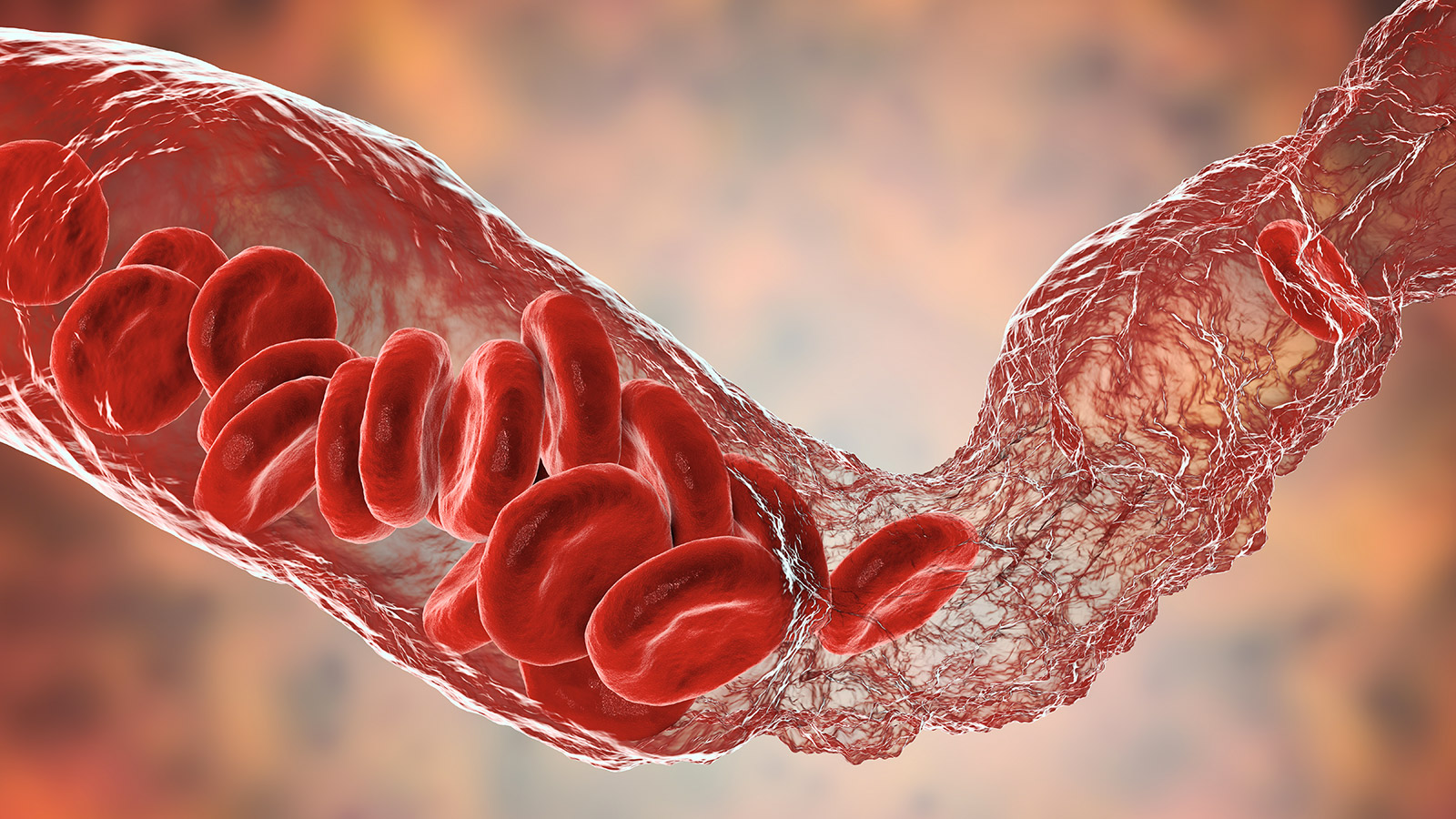
Anemia is the clinical condition in which the hemoglobin rate is less than the third percentile relative to the patient’s age group.

Symptoms appear in relation to the rapidity of onset, severity of anemia, and underlying pathology. If it is a rapid onset, headache, dizziness, tachycardia, and postural hypotension appear. At slow onset, however, pallor, progressive asthenia, irritability, and fatigue appear.

Essential laboratory tests are CBC with leukocyte formula, peripheral blood smear, VCM, reticulitis. In case of trauma or gastrointestinal bleeding, it is necessary to exclude diseases that require surgery. In case of clinical symptomatology with oxygen insufficiency, immediate transfusion therapy is recommended.

Another emergency situation is renal failure during massive intravascular hemolysis. Symptoms include lumbar ligament pain, hemoglobinuria, and progressive oliguria and anuria. Therapy in these cases requires intravenous hyperhydration and furosemide.

Source: Medical Emergencies in Pediatrics by Mediserve edited by Maurizio Vanelli

FEATURED SPECIALISTS

RELATED ARTICLES

Urgent endoscopy in pediatrics

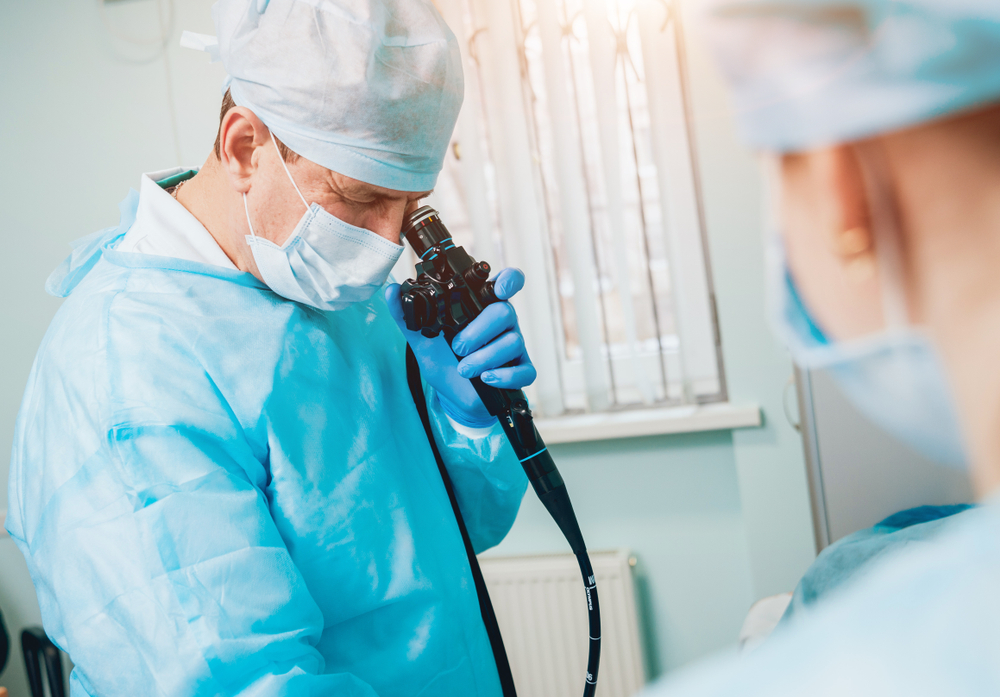
Digestive endoscopy with fiberoptic instruments is also considered a routine technique in the pediatric age group. The examination often needs to be performed urgently, within 24 to 48 hours of

Virilization: what is it?

The term virilization refers to a set of signs and symptoms attributable to the presence of significant hyperandrogenism in women. In other words, the term virilization is intended to denote

Sports practice in diabetes and glycemic syndromes

The modern orientation toward physical activity and sports, including competitive sports, in diabetic disease is to no longer consider diabetes as an impediment to experiencing and enjoying sports and exercise.

ERECTILE DYSFUNCTION, WHAT TO KNOW AND WHAT TO DO

The mechanism that determines erection in the male arises from sexual arousal, which in turn is the result of the participation of emotions, the brain, hormonal flows, heart and vessels, muscles and nerves. Sometimes even one of these factors can cause erectile dysfunction, which can worsen when a state of emotional malaise and stress or even a persistent state of anxiety is added to it.

Perhaps a little dehydrated

When one is thirsty and feels the need to drink, it is already a sign of dehydration. Fatigue may also depend on a dehydration condition. The body has a constant

Eye injuries

Eye injuries are serious, as they can lead to vision loss or infection. It is, therefore, important to seek advice from an ophthalmologist. Penetrating injuries Many penetrating lesions are evident.

RELATED PATHOLOGIES

Atrial fibrillation

Atrial fibrillation is the most common heart rhythm disorder in the Western world. In the United States it affects about three million people; in Italy, an estimated 600-700 thousand people

Obstructive sleep apnea

Repetitive episodes of upper airway obstruction may occur during sleep, often accompanied by reduced oxygen saturation. Such episodes are accompanied in almost all cases by snoring. Apneas often end with

Ablation of atrial fibrillation

Atrial fibrillation (AF) ablation surgery is a surgical procedure aimed at eliminating the source of the cardiac arrhythmia through the selective destruction of small portions of the cardiac tissue present

Coronaropathy

The term coronary artery disease refers to chronic “distress” of the coronary arteries, the arteries that supply blood to the heart muscle, in most cases brought about by atherosclerotic pathology

Aortic aneurysm

An aortic aneurysm refers to permanent dilatation of a well-defined segment of the aorta, the largest artery in the body that receives blood directly from the left ventricle and distributes

Cardiac arrest

Cardiac arrest corresponds to the interruption of the heart’s contraction and pumping action, resulting from a sudden and drastic alteration in its electrical activity (ventricular fibrillation). Cardiac arrest is an

Peripheral arteriopathy obliterans

Peripheral arteriopathy obliterans is a vascular disease that affects the arteries, especially those in the legs, preventing the muscles and tissues from receiving adequate blood supply, resulting in symptoms of

Myocardial infarction

Acute myocardial infarction, which affects about 100,000 people in Italy each year, corresponds to the death of a part of the heart muscle due to an interruption in the supply

Shock, medical emergency

It may happen that the circulation of blood through the body undergoes a sudden change giving rise to a condition of physiological shock, with decreased flow and crisis on the

Cardiac arrhythmias

The group of cardiac arrhythmias includes all conditions characterized by an alteration in the rhythm of contraction of the heart, either in excess or in defect or associated with irregularities

FEATURED SPECIALISTS

prenota il tuo viedeoconsulto in convenzione

Completa il form e sarai contatto dal personale medico specializzato

your advertising
exclusively ON
MY SPECIAL DOCTOR

complete the form and you will be contacted by one of our managers