


of

Visual dysfunction, a misrecognized symptom of Parkinson’s disease

park
“The idea that visual symptoms may be associated with Parkinson’s disease is not new, but this is the first time it has been reported at the population level,” he told Medscape Medical News Ali Hamedani of the University of Pennsylvania in Philadelphia, lead author of a study published in European Journal of Neurology.
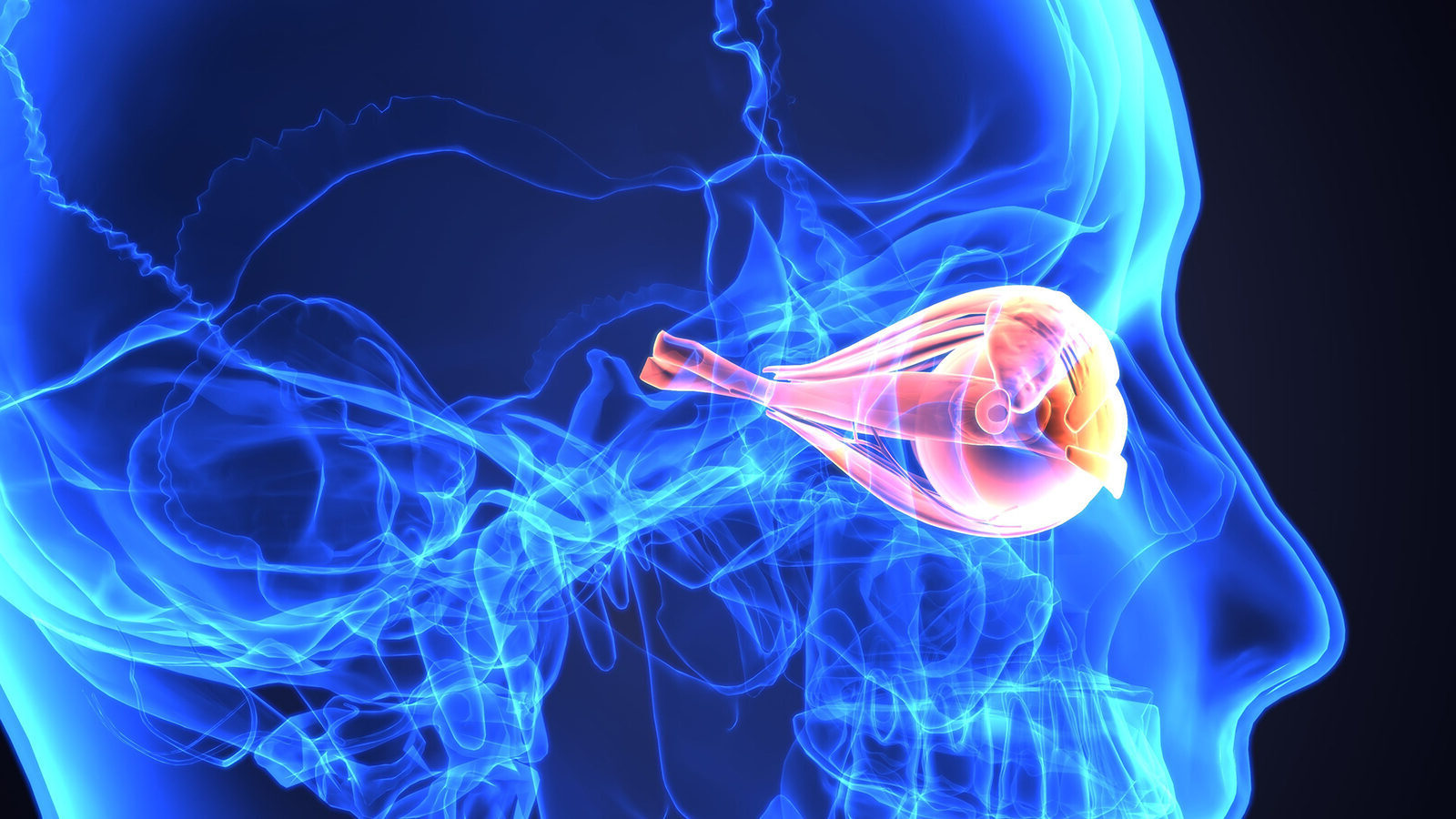
Analyzing data obtained through a large survey, U.S. researchers found that visual dysfunction is significantly more common in individuals with Parkinson’s disease than in the general adult population. However, this is a generally overlooked and untreated factor, even though it worsens the already compromised quality of life of these patients.
The survey was conducted on more than 150,000 individuals and calculated that people diagnosed with Parkinson’s disease were more than twice as likely to suffer from vision impairment in both near and far vision as the general population.
Vision problems had been repeatedly reported by the patients themselves, their caregivers and attending physicians. So, the suspicion was evidently already there, but the new study provides a confirmation supported by a large-scale survey, and the large number of data allows a statistical correlation to be documented that otherwise would not have been so stringent.
With colleague Allison Willis, Hamedani analyzed data of adults aged 50 years and older provided by the Survey of Health, Aging and Retirement in Europe. (SHARE), a multinational population health survey of people living in one of 27 European countries and Israel.
Although the risk of impaired distance vision was 2.55 higher (and near vision 2.07), people with Parkinson’s reported this difficulty to an ophthalmologist less often, so that the condition remained untreated in many cases.
The study authors report that there have been some suggestions of a subtle change in color vision in the years before Parkinson’s diagnosis, but it is unlikely that patients themselves will notice. “It could probably be found out if screening was done, but it is too early for any recommendations on that,” Hamedani said. Instead, the researcher suggested that physicians examine visual function in already diagnosed patients, although the nature and significance of these symptoms still appear unclear: we do not know whether the mechanism is the result of Parkinson’s-associated changes directly in the eyes or at the brain level.
Source:
Hamedani AG, Willis AW. Self-reported visual dysfunction in Parkinson disease: the Survey of Health, Ageing and Retirement in Europe. European Journal of Neurology 2019, 0: 1-6.

FEATURED SPECIALISTS

  • Profile picture of Dott. Giovanni Adamo
    active 5 years, 6 months ago

    Angiologists, Basic Doctors

    • Provincia di Ragusa - Ragusa
    phone
  • Profile picture of Dott. Franco Cicerchia
    active 5 years, 6 months ago

    Ophthalmologists, Acupuncturists, Basic Doctors

    • Via Alcide de Gasperi 39 - Palestrina
    phone
  • Profile picture of Dott.ssa Emanuela Costantino
    active 5 years, 6 months ago

    Neurologists

    • Via Gallinara 2/B - Cagliari
    phone
  • Profile picture of Dr. Squillante Gianni Erminio
    active 5 years, 6 months ago

    Acupuncturists, Homeopathic Medicine, Basic Doctors

    • Via Monterotondo 14 - Roma
    phone
  • Profile picture of Dr. Giandomenico Mascheroni
    active 5 years, 6 months ago

    Endocrinologists, Basic Doctors, Certifying Doctor

    • Via Petrarca 53 - Carnago
    phone

RELATED ARTICLES

Medical Provisions and Peyronie’s Disease

Some medical devices, which can be used in Peyronie's Disease, can complement the various drug therapies, or of antioxidants and supplements, with obvious results in reducing the penile curve.

Neurodevelopmental disorders and autism

As we know, neurodevelopmental disorders are increasing dramatically, and we find ourselves every day, both as professionals in the field and as people, considering all the clinical and human implications.

I live inside me

This self-portrait of Lucian Freud is the result, as he declared, of the "strange process of observing himself."

RELATED PATHOLOGIES

Insomnia

Insomnia is an extremely common sleep disorder that can affect people of all ages for different reasons and come in various forms and variations, all of which have in common

Major depression

Major depression (or “major depressive disorder,” as stated in the “Statistical Diagnostic Manual of Mental Disorders – DSM 5”), is a mood disorder that is characterized by the presence of

Sleep and menopause

Sleep disorders are one of the health problems most often reported by women approaching menopause and in the period after (climacteric). The need for sleep naturally tends to decrease with

Restless leg syndrome

Restless legs syndrome is a chronic disorder characterized by the onset of a feeling of general leg discomfort, which occurs when the legs are kept still even for short periods

Shock, medical emergency

It may happen that the circulation of blood through the body undergoes a sudden change giving rise to a condition of physiological shock, with decreased flow and crisis on the

Obstructive sleep apnea syndrome

Obstructive sleep apnea is the most prevalent type of sleep apnea: a category of disorders united by the occurrence of repeated interruptions of normal breathing while sleeping, due to a

Panic attack

What is meant by a panic attack? It is understood as the sudden manifestation of a strong fear accompanied by an equally intense physical symptomatology despite the absence of an

Deep brain stimulation

The deep brain stimulation (Deep Brain Stimulation, DBS) is a neurosurgical method involving the implantation in the brain of electrodes which, appropriately positioned and activated by a pulse generator inserted

Sleep and mood disorders

Sleep disorders and mood disorders are linked by a double thread and articulately affect each other. Decades of studies and clinical-practical experience, both in the field of Sleep Medicine and

Ischemic stroke

According to the official definition of the World Health Organization (WHO), stroke corresponds to a “sudden onset of signs and/or symptoms referable to local and/or global deficits in brain function,

FEATURED SPECIALISTS

  • Profile picture of Dott.ssa Emanuela Costantino
    active 5 years, 6 months ago

    Neurologists

    • Via Gallinara 2/B - Cagliari
    phone
  • Profile picture of Dr. Giovanni Arrichiello
    active 5 years, 6 months ago

    Gynecologists, Basic Doctors

    • Corso Regina Margherita 260 - Torino
    phone
  • Profile picture of Dott.ssa Anna Puccio
    active 5 years, 6 months ago

    Gynecologists, Basic Doctors

    • Via Vincenzo Ponsati 69 - Volvera
    phone
  • Profile picture of Dr. Sergio Ettore Salteri
    active 5 years, 6 months ago

    Basic Doctors, Chiropractors, Posturologists

    • Via Vial di Romans 8 - Cordenons
    phone
  • Profile picture of Dott. Flavio Della Croce
    active 5 years, 6 months ago

    Psychotherapists, Basic Doctors

    • Via Sacconi 1 - Borgonovo Val Tidone
    phone

prenota il tuo viedeoconsulto in convenzione

Completa il form e sarai contatto dal personale medico specializzato

your advertising
exclusively ON
MY SPECIAL DOCTOR

complete the form and you will be contacted by one of our managers