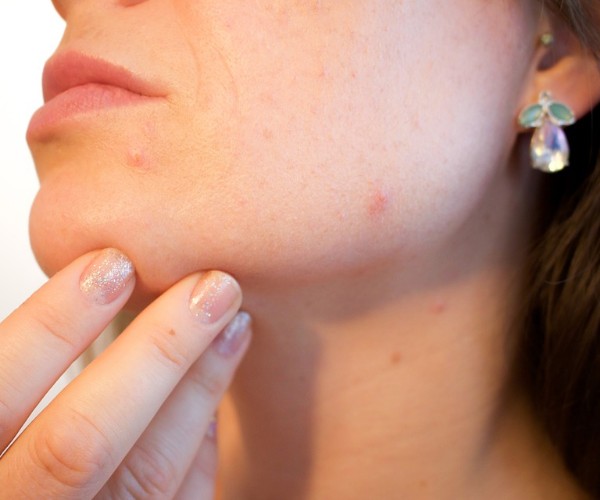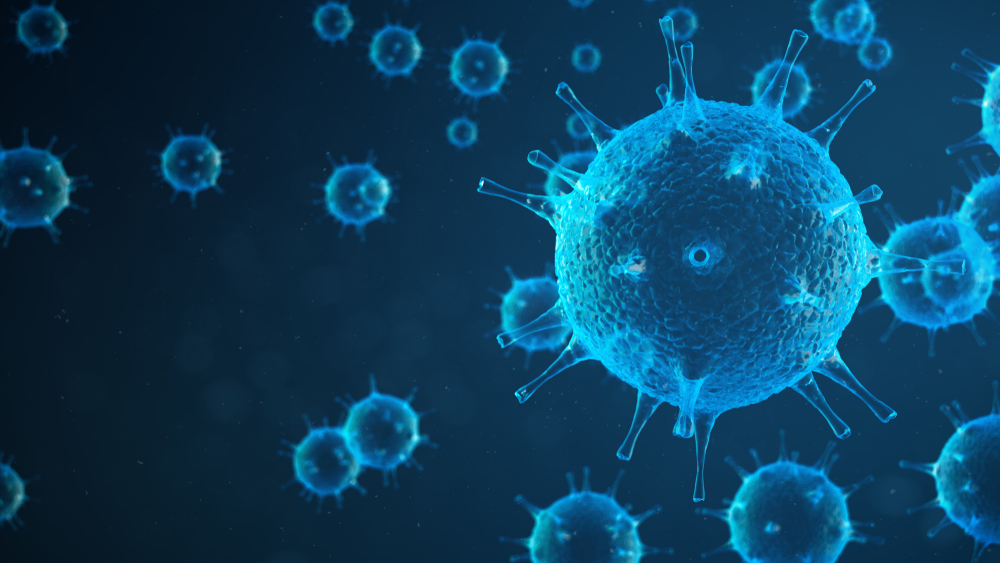






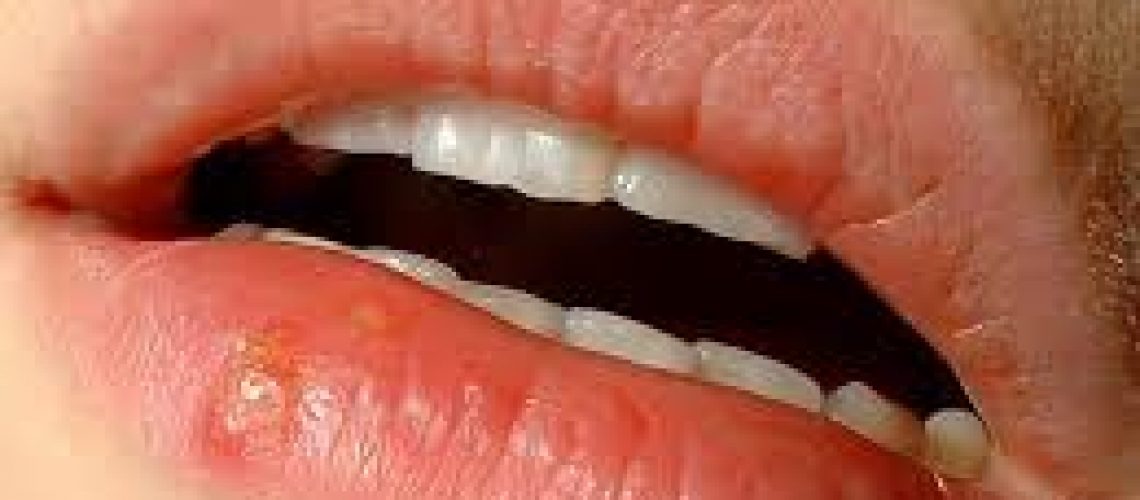
Herpes simplex viruses (human herpes virus types 1 and 2, HHV-1 and 2) commonly cause a relapsing infection affecting skin, mouth, lips, eyes, and genitalia. Common serious variants include encephalitis, meningitis, neonatal herpes, and disseminated infections in immunocompromised patients. Mucocutaneous infections manifest as clusters of small, painful, erythematous-based blisters. Diagnosis is clinical; laboratory confirmation can be obtained through culture tests, PCR (polymerase chain reaction), direct immunofluorescence, or serologic tests. Therapy is symptomatic; antiviral treatment with acyclovir, valacyclovir, or famciclovir is useful in severe infections and, if started early, in primary or recurrent infections.




Nasal polyposis: symptoms and treatment
Nasal polyps are small, noncancerous, teardrop-shaped cell proliferations that develop on the nasal and sinus mucosa. The characteristic symptoms of nasal polyposis are due to the progressive growth of these