


of

The emotional crisis in pediatrics

La-crisi-emotiva-in-pediatria

A child’s illness arouses anxiety in parents and the urgency of interventions to free him or her from a distressed state as soon as possible. This is further amplified when faced with a very young child who cannot put into words how he or she feels or ask what is happening to him or her.
There is first and foremost a need to find an explanation about the causes of the disease, inform parents about the causes, prognosis, and appropriate therapeutic interventions, and translate all this into language that can be understood and assimilated by the child.

The pediatrician and other professionals are within a complex relational mosaic that concerns both aspects related to the diagnosis and the correct understanding and adherence to the therapeutic program (medical history, lifestyles, moods, etc.) as well as the reception and containment of anxieties, fears, anxieties of the parents and finally an adequate level of communication with the child.
The most difficult experiences for a child to endure are not always the illness itself or its treatment but being frightened of unfamiliar things or, in the case of hospitalization, being away from home in an unfamiliar world populated by strange smells, sounds, practices and instruments.

What to do, for example, when convincing a child to undergo medical treatment?

The best attitude is to devote time to him: time to listen but also time for storytelling, for example through the use of fairy tales with animals or fantastic subjects with which the child can easily identify and which in a metaphorical way address and overcome difficulties similar to those experienced by him in actuality.
For older children, a notebook in which they can write down thoughts, questions, concerns about medications or curative interventions might also be helpful.
The notebook may be a kind of Ariadne’s thread for adults (doctor and parents) to navigate the labyrinth of the child’s state of mind, as well as a channel of communication with him.
Indeed, it must be remembered that a pediatrician’s educational intervention with a sick child should aim to prevent future difficulties and ensure acceptance of the disease in its limitations and chronicity, as well as to stimulate autonomy in general and foster socialization and confidence in one’s own potential. Only in this way can illness become a growth experience and not just an event with more or less traumatic contours.

Taken from: Management of emotional crisis in pediatrics.
Author: Maria Esposito Salsano, pediatrician.

FEATURED SPECIALISTS

  • Profile picture of Dr. Antonio Varriale
    active 5 years, 8 months ago

    Aesthetic Doctors, Dentists, Basic Doctors

    • Via Grotta dell Olmo 20 - Giugliano in Campania
    phone
  • Profile picture of Dott.ssa Floriana Di Martino
    active 5 years, 8 months ago

    Aesthetic Doctors, Basic Doctors

    • Piazza della Rinascita 13 - Pescara
    phone
  • Profile picture of Dr. Virgilio De Bono
    active 5 years, 8 months ago

    Aesthetic Doctors, Basic Doctors, Dermatologists

    • Via Ripense 4 - Roma
    phone
  • Profile picture of Dott.ssa Francesca Vittorelli
    active 5 years, 8 months ago

    Therapist, Acupuncturists, Basic Doctors

    • Corso Andrea Palladio 134 - Vicenza
    phone
  • Profile picture of Dott.ssa Ilaria Berto
    active 5 years, 8 months ago

    Basic Doctors, Acupuncturists, Aesthetic Doctors

    • Via Antonio Corradini 1 - Este
    phone

RELATED ARTICLES

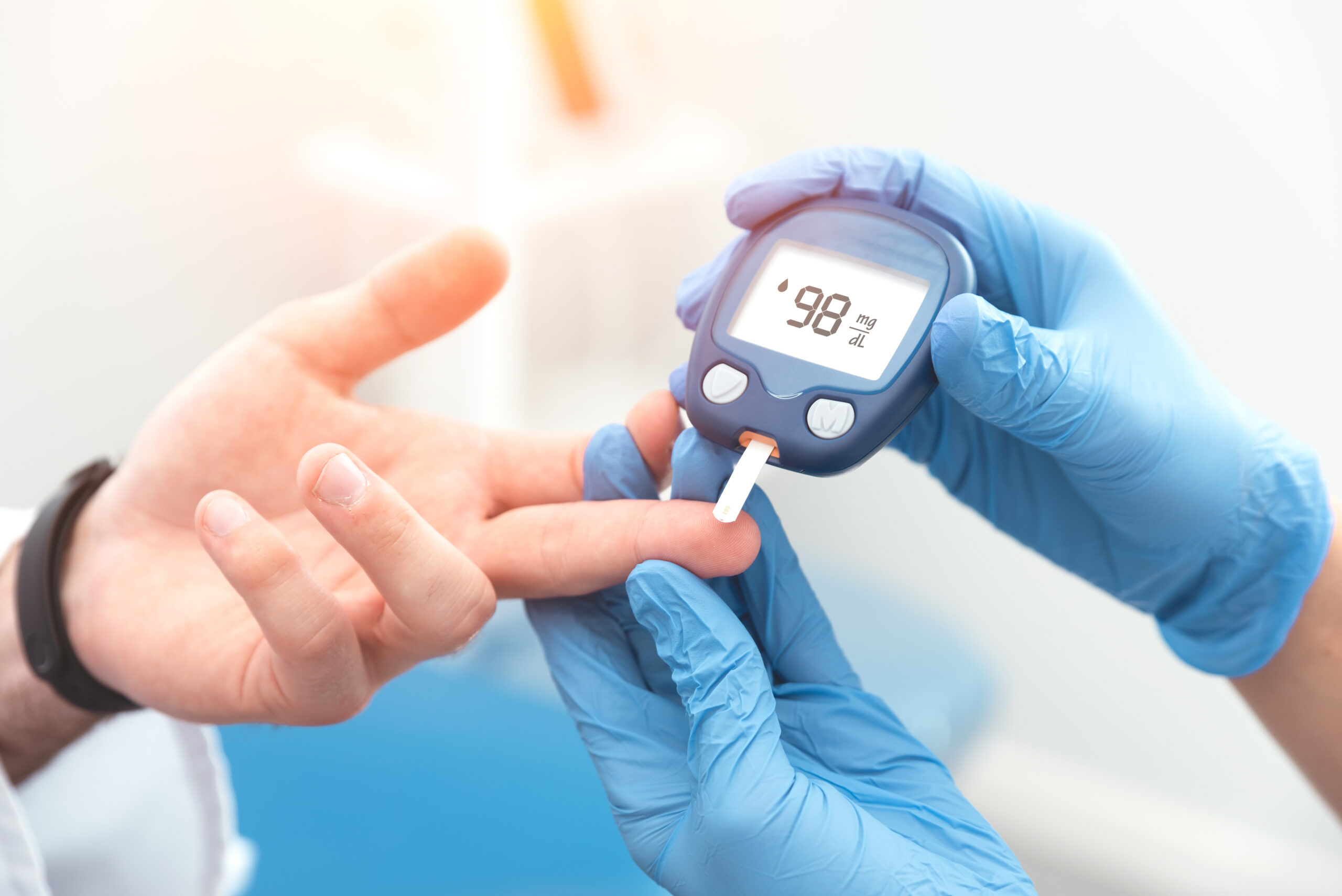
The mechanism of hunger and insulin

When insulin is not absorbed, it means there is resistance to its action, and then glucose levels remain high. This results in the body needing greater amounts of insulin to reduce glycemic levels.

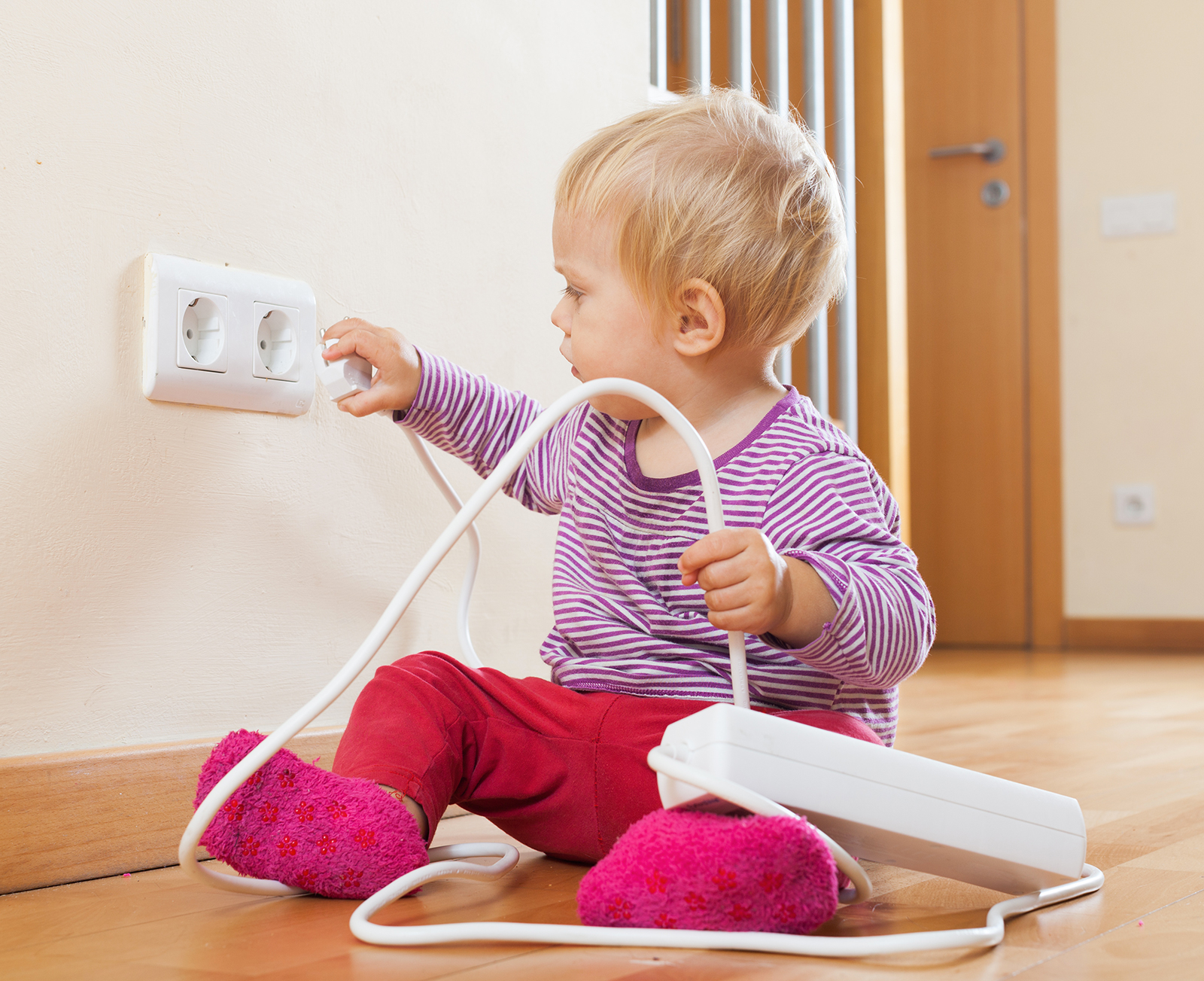
The electric shock

When electrical energy, by mistake or accident, reaches the body by traveling through it in several parts, electric shock occurs.

Eight tips to combat stress

We live in a world that constantly puts us under stress! Work, study, family problems, sports, now everything is a cause for stress if we are unable to organize the

Shoulder arthrosis: how to treat it

Osteoarthritis represents the degenerative disease of joints. This occurs when cartilage, which normally acts as a protective covering for bones allowing smooth and pain-free movement, goes through degeneration. Without cartilage

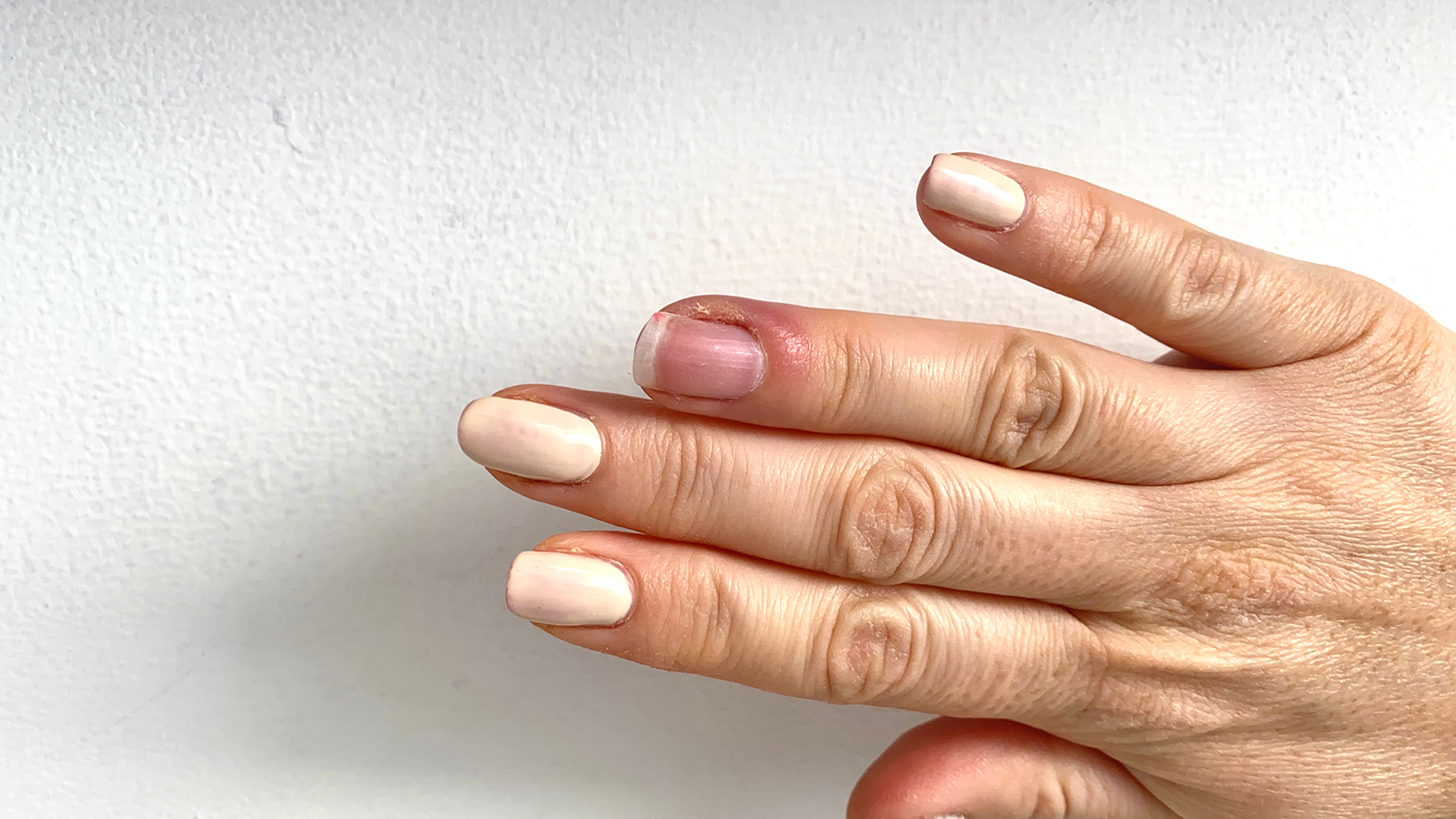
The toxic shock syndrome

Toxic shock syndrome is a particularly risky type of shock caused by toxins produced by bacteria (staphylococcus or streptococcus).

RELATED PATHOLOGIES

Shoulder dislocation

The shoulder is the joint of the body most prone to possible dislocation, that is, an injury in which the arm bone, held in a structure called the “cuff” that

Anorexia

Anorexia nervosa is an eating disorder that causes the sufferer to voluntarily deprive himself or herself of food or to consume extremely limited amounts of food that are not compatible

Carotid stenosis

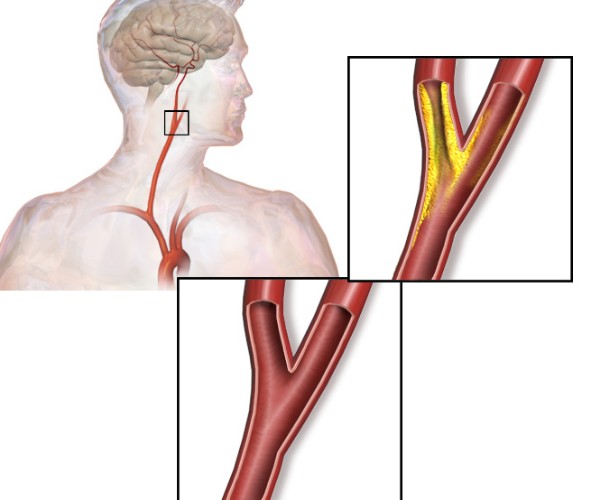
Carotid artery stenosis corresponds to a narrowing of the caliber of the carotid arteries, which are the main blood vessels supplying the brain with oxygen- and nutrient-rich blood (particularly glucose),

Tendinitis

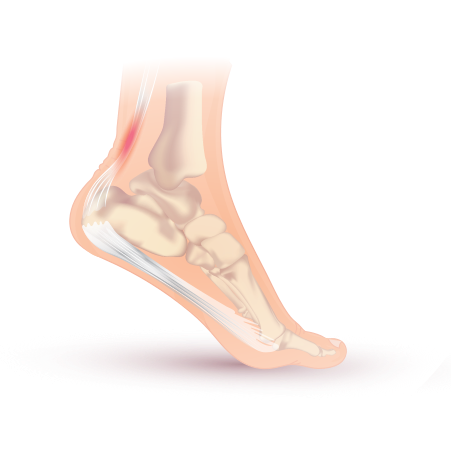
Tendons are the fibrous structures that connect the ends of muscles to bones allowing the contractile apparatus to perform its functions. Tendonitis is defined as inflammation of a tendon. It

Borderline personality disorder

Borderline personality disorder is a psychiatric disorder characterized by a fluctuating perception of one’s value and identity, with sudden swings from a very positive and idealized view of oneself to

Ventricular hypertrophy

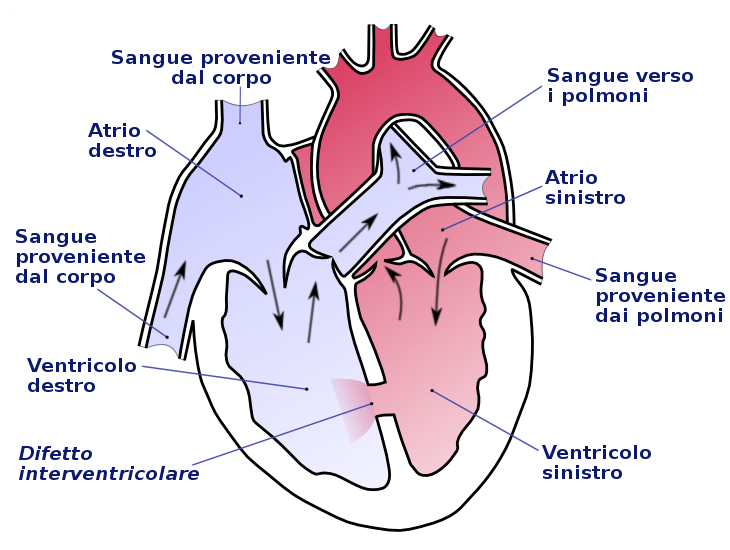
Ventricular hypertrophy is a condition characterized by thickening and a loss of elasticity of the walls of the left ventricle (i.e., the left lower chamber of the heart), which thus

Trigeminal neuralgia

The trigeminal nerve is the fifth of the twelve pairs of cranial nerves in the head; it is the nerve responsible for providing sensation to the face. One trigeminal nerve

Sleep and menopause

Sleep disorders are one of the health problems most often reported by women approaching menopause and in the period after (climacteric). The need for sleep naturally tends to decrease with

Head trauma

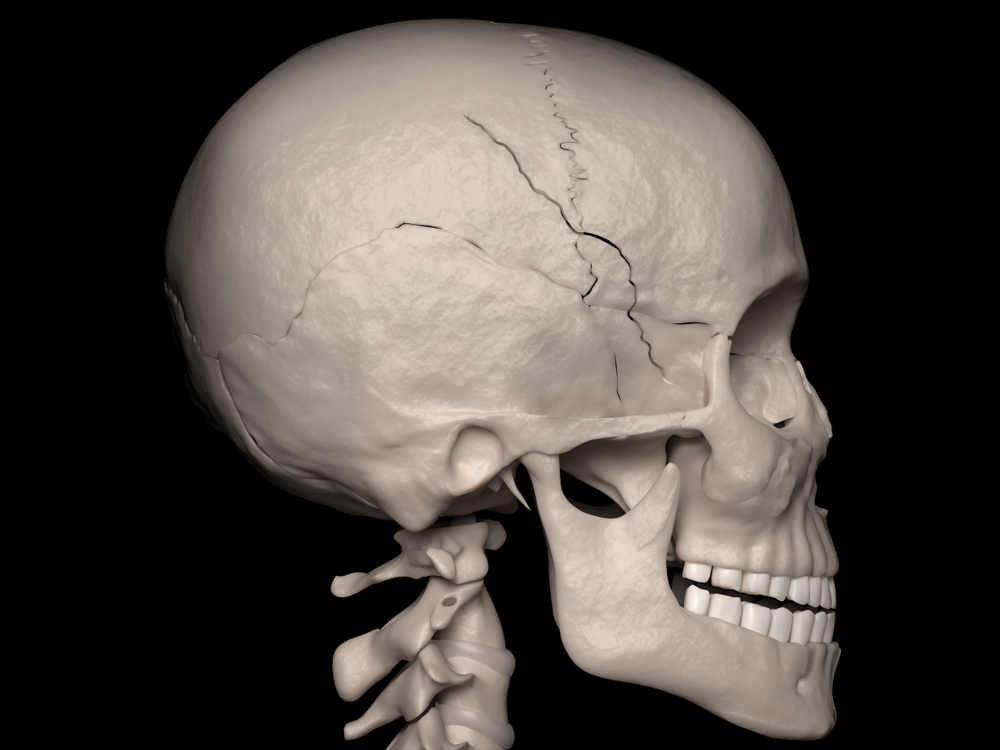
A head injury, also called “concussion” in medical terms, consists of the violent collision of the head against a hard surface or, conversely, of a blunt object against the cranial

Kidney cancer

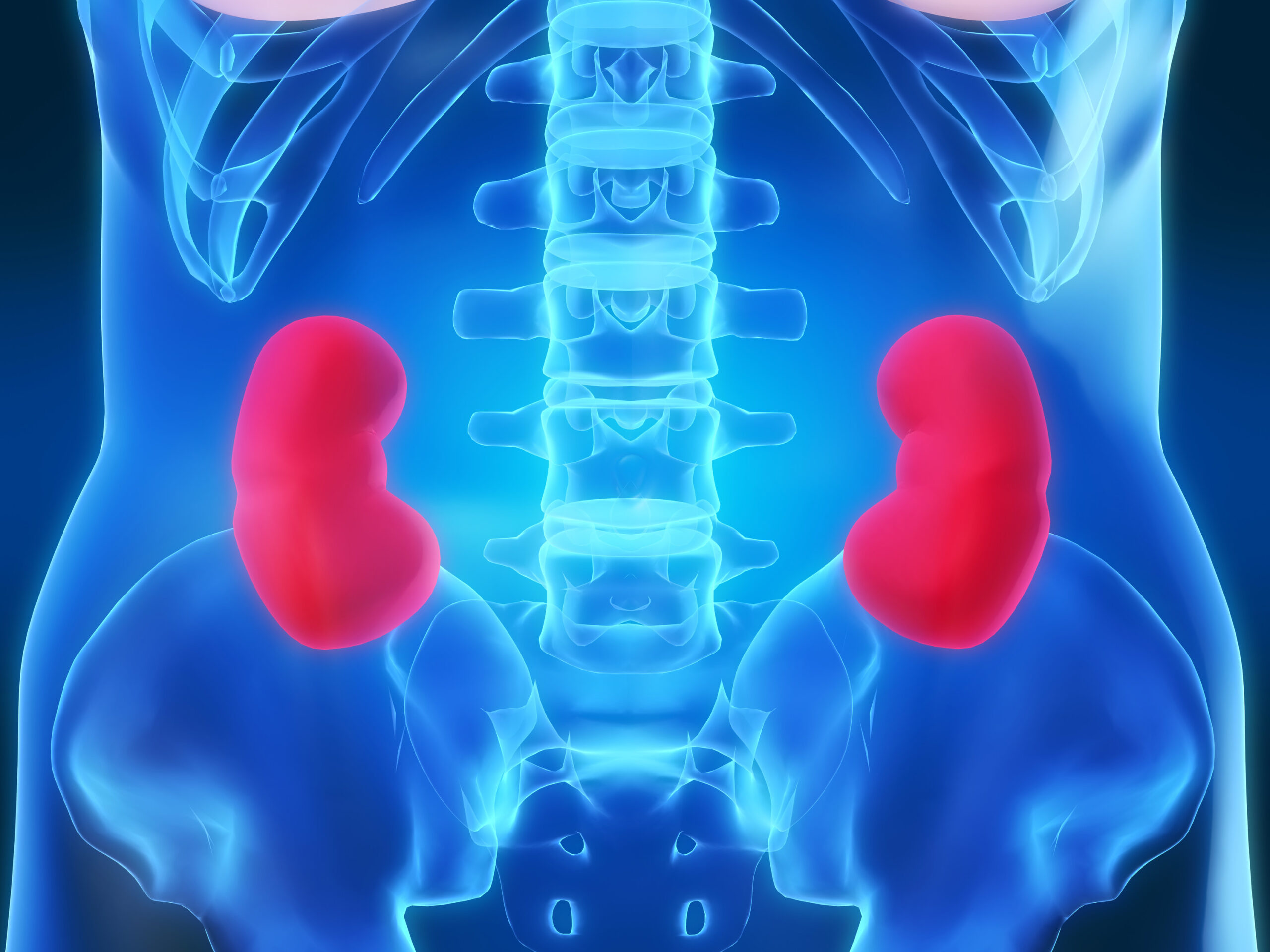
As with all cancers, the causes of adenocarcinoma and renal sarcomas lie in a series of genetic mutations that allow a group of cells to acquire new characteristics and begin

FEATURED SPECIALISTS

  • Profile picture of Dott.ssa OLGA PETROVSKAIA
    active 5 years, 8 months ago

    Pain therapists, Basic Doctors, Therapist

    • Via Giulio Romano 3 - Valle Martella
    phone
  • Profile picture of Dr. Virgilio De Bono
    active 5 years, 8 months ago

    Aesthetic Doctors, Basic Doctors, Dermatologists

    • Via Ripense 4 - Roma
    phone
  • Profile picture of Dr. Monica Gamba
    active 5 years, 8 months ago

    Aesthetic Doctors, Plastic Surgeons, Basic Doctors

    • Viale Radich 21/N - Grugliasco
    phone
  • Profile picture of Dott. Flavio Della Croce
    active 5 years, 8 months ago

    Psychotherapists, Basic Doctors

    • Via Sacconi 1 - Borgonovo Val Tidone
    phone
  • Profile picture of Dr. Lorenzo Cerreoni
    active 5 years, 8 months ago

    Aesthetic Doctors, Basic Doctors

    • Via Macero Sauli 52 - Forlì
    phone

prenota il tuo viedeoconsulto in convenzione

Completa il form e sarai contatto dal personale medico specializzato

your advertising
exclusively ON
MY SPECIAL DOCTOR

complete the form and you will be contacted by one of our managers